
Case Study
What happened here
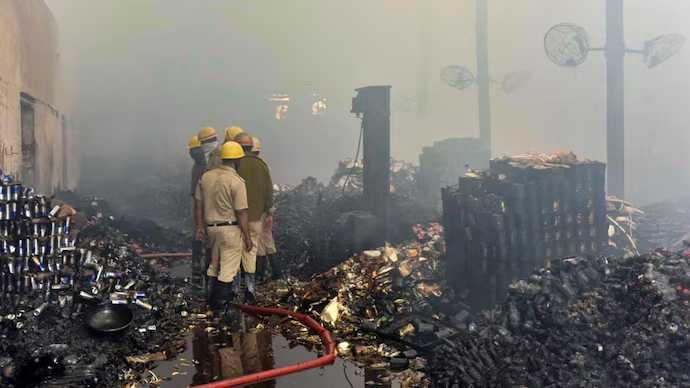
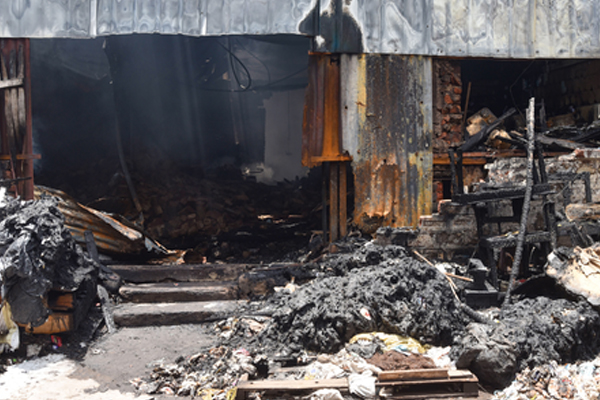 1 / 2
1 / 2 Later reported deaths25
Initial fire date26 January 2026
OccupancyMultiple warehouse/storage units
Critical exposureWorkers sleeping inside
Investigation statusNHRC sought reports on safety and emergency response
What we can say safely
A night warehouse fire killed 25 people according to the later reported toll, exposing the lethal combination of sleeping workers, dense storage, blocked escape and weak fire protection.
- Fire begins in the storage complex
- Dense combustible stock and connected units become involved
- Sleeping occupants encounter smoke and restricted escape
- Firefighting and recovery continue for several days
- Commission seeks official reports on lapses and response
Why consequences escalated
- Sleeping inside a high-fire-load warehouse converts a workplace into an unsafe dormitory
- Blocked or insufficient exits can make smoke fatal before flames arrive
- Dense storage needs compartmentation, detection, hydrants and maintained water supply
- Accurate worker attendance is essential for rescue and recovery
- Enforcement must identify unauthorised sleeping and occupancy changes
Failures and risk multipliers
- Allowing sleeping or crowd occupancy without a risk-specific plan
- Depending on one escape path
- Treating an unverified cause claim as a final investigation finding
- Failing to control fuel, combustible stock or structural loads
- Leaving inspection defects unresolved
People closest to the evidence
“Safety principle”
Detection, separation, stable construction and redundant escape must be established before people enter the hazard area.
Actions that reduce risk
- Verify alarms and two escape routes
- Keep exits and emergency access clear
- Separate sleeping areas from fuel, cooking and storage
- Control crowds outside structural fall zones
- Record inspections and close every defect
- Call 112 with the exact location