Home / Case Study / Krishna School Building Fire Tragedy
Case Study · Ready For Review
Krishna School Building Fire Tragedy
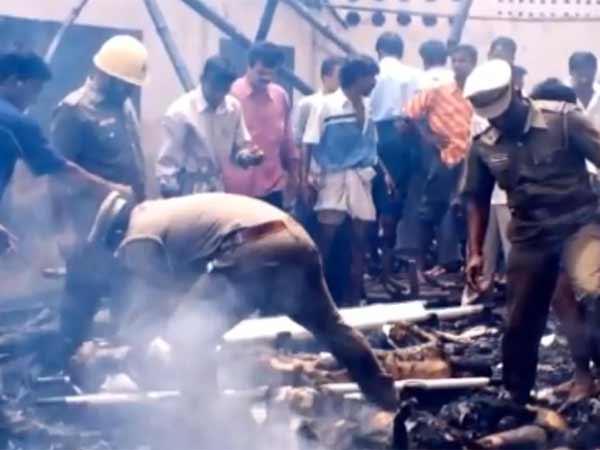
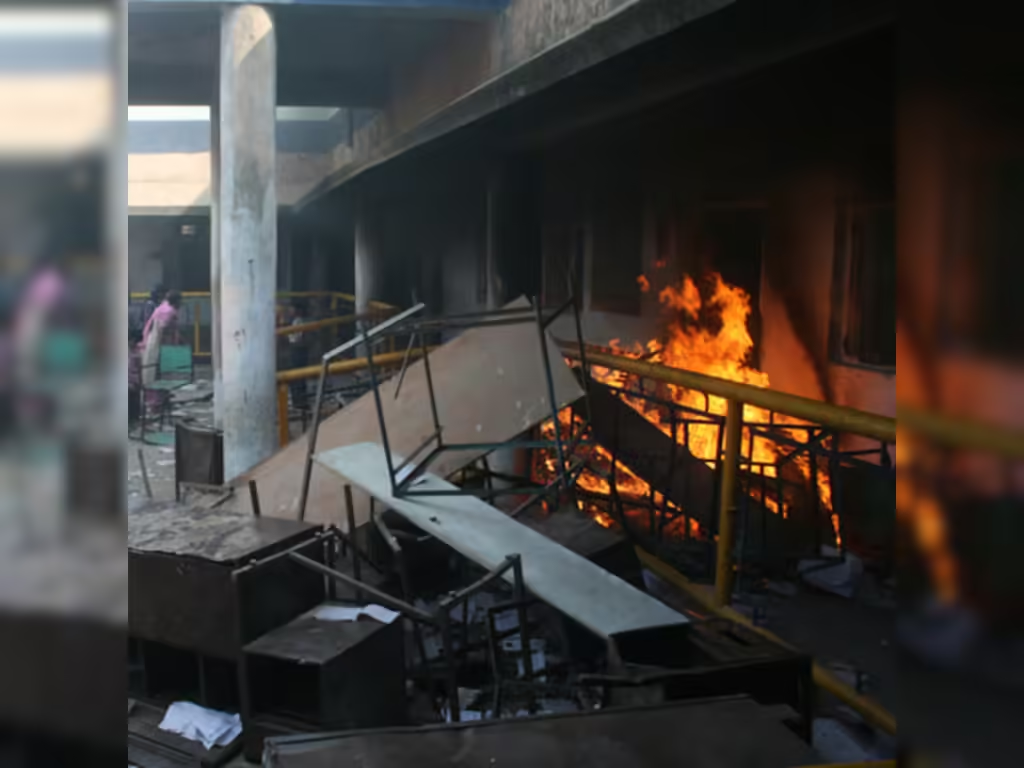
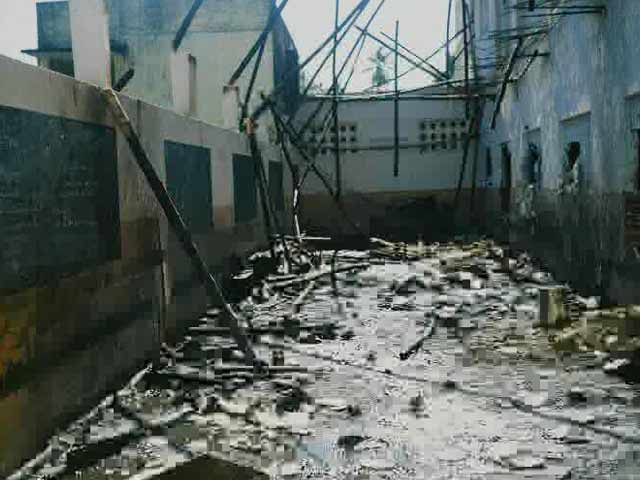
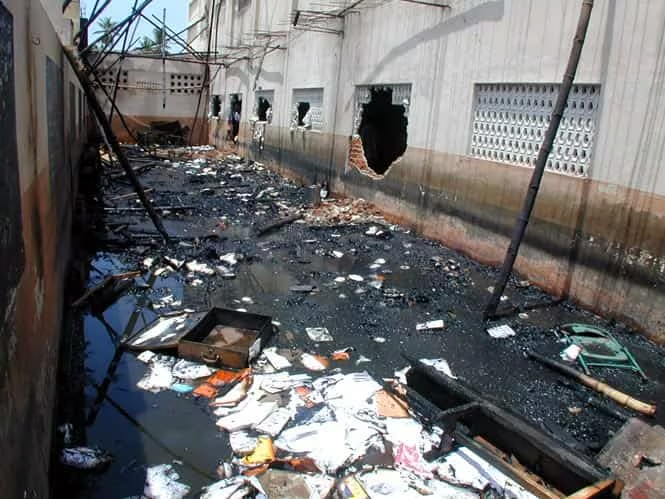
The Kumbakonam school fire killed 94 children after cooking fire spread into a thatched classroom area, demonstrating the fatal consequences of combustible roofs and inadequate child evacuation.
Date16 July 2004LocationKumbakonam, Tamil Nadu, India
01
Case Study
What happened here
1 / 7Existing HowToSurvive.in image
Children killed94
Date16 July 2004
OccupancyPrimary-school children
Major fuelThatched roof and combustible classroom construction
ResponseMedical, district and community relief operation
Verified overview
What we can say safely
The Kumbakonam school fire killed 94 children after cooking fire spread into a thatched classroom area, demonstrating the fatal consequences of combustible roofs and inadequate child evacuation.
Incident timeline
Fire begins near the school kitchen
Flame reaches combustible thatch and spreads above classrooms
Burning roof material falls and escape becomes blocked
Community, fire, district and medical teams respond
Recognition is withdrawn and school-safety scrutiny increases
Key findings
Why consequences escalated
Combustible roofing over occupied classrooms created intolerable risk
Cooking must be separated from classrooms and escape routes
Children require simple routes, adequate exits and adult-led drills
Locked or constricted doors can convert evacuation into entrapment
School recognition and inspection must verify actual conditions
Core mistakes / what went wrong?
Failures and risk multipliers
Operating without verifying occupancy, fire and building approvals
Allowing combustible material or stock to compromise escape routes
Locking, obstructing or reducing exits
Failing to test alarms, emergency lighting and firefighting equipment
Failing to train staff for immediate evacuation and emergency calls
Voices that matter
People closest to the evidence
“Safety lesson”
Capacity, combustibility, warning, escape and emergency access must be verified together before occupancy.
Practical prevention
Actions that reduce risk
Compare actual occupancy and layout with approved plans
Open and walk every exit to a safe assembly point
Remove combustibles and storage from stairs and exit access
Test alarms, emergency lighting and firefighting systems
Train every shift and run a realistic evacuation drill
Keep fire-service access clear and display the complete site address
02
Watch & learn
Playable video library
Captions
Official guidance
Fire Safety
Bureau of Indian Standards · Hindi/English
BIS overview of building fire-safety systems
03
Incident data
The broader evidence
How to survive this situation
Survival sequence
Raise the alarm, call 112 and evacuate immediately
Use the nearest safe stair; do not use ordinary lifts
Stay low beneath smoke and close doors behind you
Move away from the building to the assembly point
Report missing people to responders
Never re-enter for belongings
94Children killedNIDM later official summaries
16 July 2004Incident dateKumbakonam
21Children seriously injured in early NIDM accountHistorical response record
17People arrested in early responseNIDM newsletter account
Evidence chart
94Children killedNIDM later official summaries
16 July 2004Incident dateKumbakonam
21Children seriously injured in early NIDM accountHistorical response record
17People arrested in early responseNIDM newsletter account
What the data does not show
Limitations
Some older incidents have inconsistent totals across early and later records. Where no final technical investigation was located, the post is marked ready for editorial review and does not assert disputed causation as settled fact.
What you can do today
Immediate actions
Check every exit door opens without a key
Confirm the alarm can be heard throughout occupied areas
Remove stock, décor and waste from escape paths
Write emergency number 112 and the full address at the control point



 1 / 7
1 / 7