How To SurviveLife-Safety Intelligence for IndiaEmergency Guide
Home / Case Study / Seelampur EV Charging Fire: One Scooter Burned, Four Floors Gone
Case Study · Ready For Review

Seelampur EV Charging Fire: One Scooter Burned, Four Floors Gone

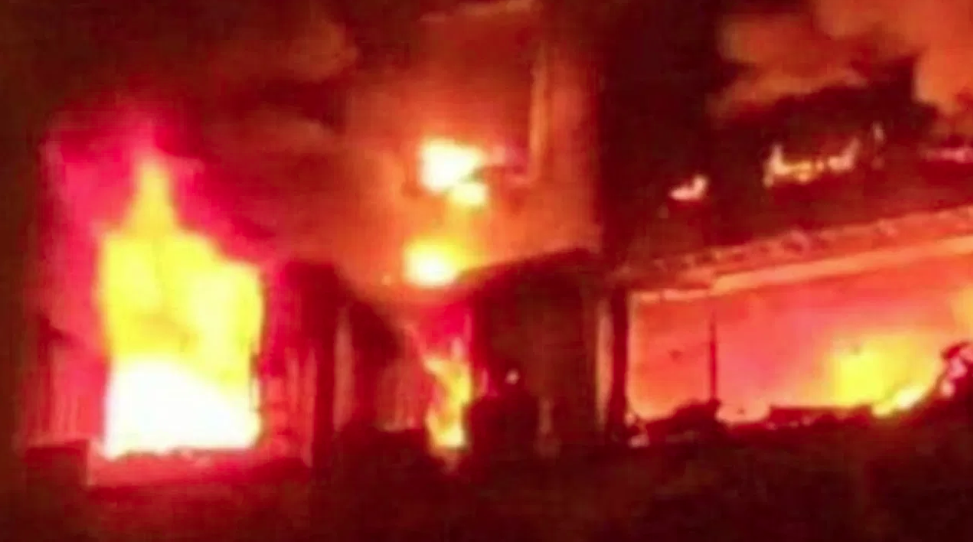
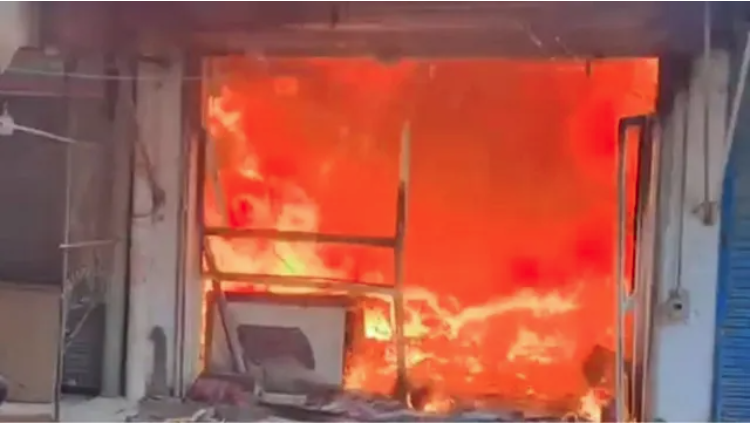
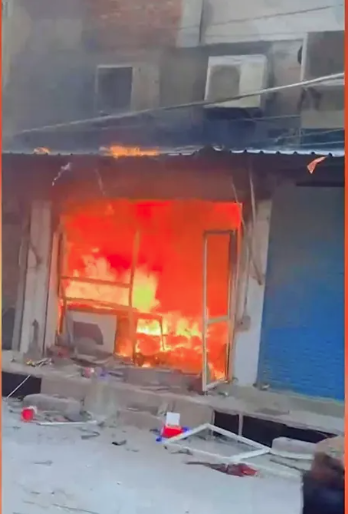
A major fire spread through congested cloth-market premises. Some accounts blamed a charging scooter, but collected reporting said the official cause had not yet been established.

Date22 February 2026LocationOld Seelampur, northeast Delhi, India
01
Case Study

What happened here
Fire-service callReportedly 16:22
Reported casualtiesNone in PTI follow-up
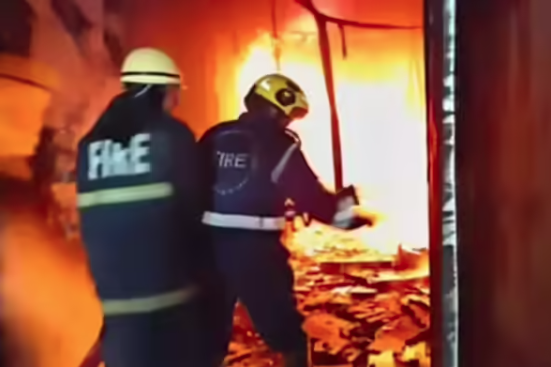
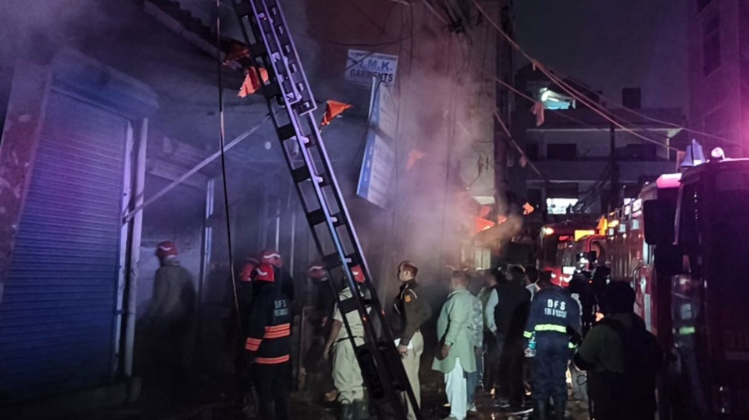
Peak responseMore than 50 tenders reported
Official causeNot established in collected sources
EV-fire accidents in eDAR, 2023–202526

What we can say safely

A major fire spread through congested cloth-market premises. Some accounts blamed a charging scooter, but collected reporting said the official cause had not yet been established.

  1. Fire reportedly begins in or near a cloth shop
  2. Delhi Fire Service receives the call
  3. Fire spreads through adjoining combustible premises
  4. Large response and cooling continue
  5. Cause and final loss remain under investigation

Why consequences escalated

  • A witness EV-charging claim is not an official cause finding
  • Combustible textiles can overwhelm compartment boundaries rapidly
  • Congested access delays appliance positioning and hose deployment
  • Battery isolation areas should be separated from textile stock
  • Incident reporting must distinguish all EV fires from eDAR road accidents involving fire

Failures and risk multipliers

  • Allowing sleeping or crowd occupancy without a risk-specific plan
  • Depending on one escape path
  • Treating an unverified cause claim as a final investigation finding
  • Failing to control fuel, combustible stock or structural loads
  • Leaving inspection defects unresolved

People closest to the evidence

“Safety principle”

Detection, separation, stable construction and redundant escape must be established before people enter the hazard area.

Actions that reduce risk

  1. Verify alarms and two escape routes
  2. Keep exits and emergency access clear
  3. Separate sleeping areas from fuel, cooking and storage
  4. Control crowds outside structural fall zones
  5. Record inspections and close every defect
  6. Call 112 with the exact location
02
Watch & learn

Playable video library

Captions
General explainer

EV battery fire investigation context

The Economic Times · English

Not proof of this incident cause

03
Incident data

The broader evidence

Survival sequence

  1. Raise the alarm and call 112
  2. Leave immediately by the nearest safe exit
  3. Stay low beneath smoke
  4. Move upwind from LPG, battery or warehouse fire
  5. Stay outside the fall zone of damaged structures
  6. Never return for belongings
26eDAR accidents involving EV fire, 2023–2025Ministry of Heavy Industries
50+Tenders reported at peakPTI follow-up
5Existing incident imagesWordPress Media Library
0Casualties in cited PTI follow-upReport dated 23 February 2026
26eDAR accidents involving EV fire, 2023–2025Ministry of Heavy Industries
50+Tenders reported at peakPTI follow-up
5Existing incident imagesWordPress Media Library
0Casualties in cited PTI follow-upReport dated 23 February 2026

Limitations

  • Early and later reports may differ. Cause claims remain provisional until an official investigation confirms them. News photographs are not copied without permission; the gallery uses existing site-owned media.

Immediate actions

  • Test the alarm
  • Find two ways out
  • Remove exit obstructions
  • Check LPG, electrical and structural hazards
  • Save 112 and the exact address
  • Practise evacuation
Sources and further readingPIB / Ministry of Heavy Industries, eDAR EV fire figures ↗The Tribune / PTI follow-up ↗DST tropical EV battery roadmap ↗Last reviewed 2026-09-01