
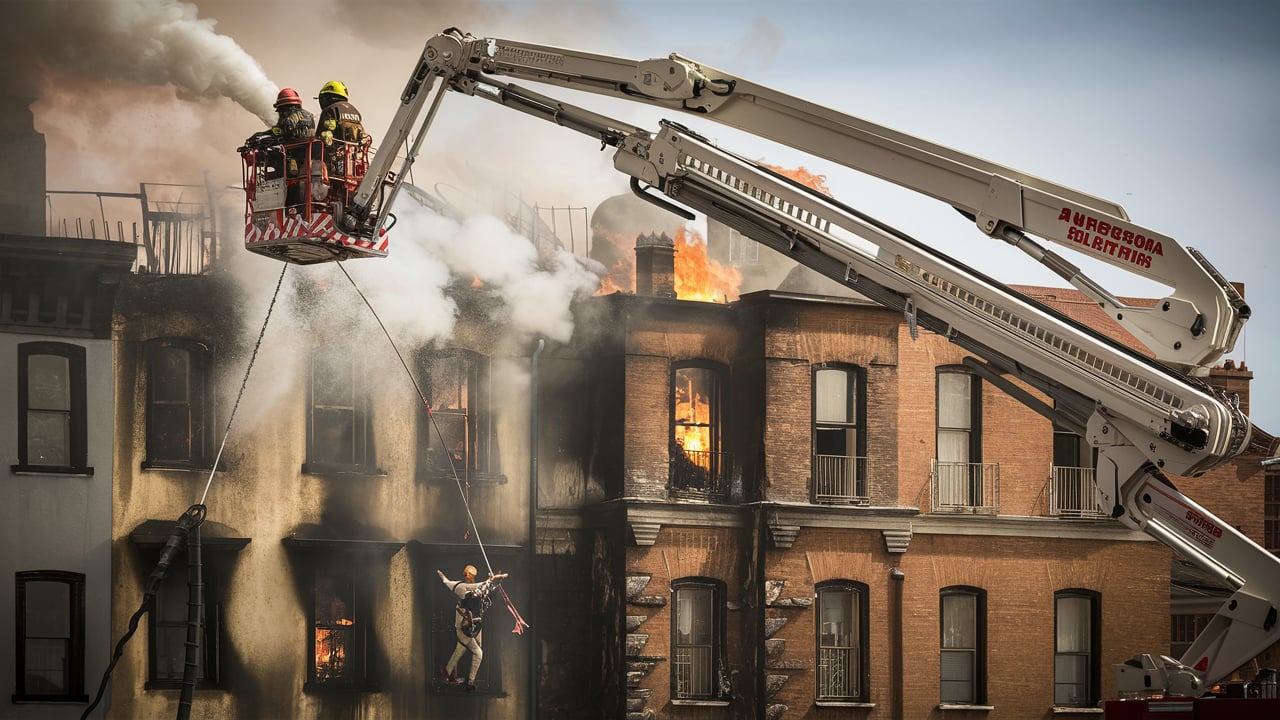
Hydraulic platforms, also known as aerial work platforms (AWPs) or cherry pickers, play a crucial role in modern firefighting and rescue operations. These versatile machines provide firefighters with the ability to reach high elevations safely and efficiently, making them indispensable tools for handling emergencies in multi-story buildings and other challenging environments.
What is a Hydraulic Platform?
A hydraulic platform is a type of aerial device that uses a hydraulic system to extend and position a platform or basket at various heights and angles. These platforms are typically mounted on specialized fire trucks and can be maneuvered to provide access to difficult-to-reach areas during firefighting and rescue missions.
Key Components of a Hydraulic Platform
- Boom: The extendable arm of the hydraulic platform that can reach significant heights and angles. The boom is usually articulated, allowing for a wide range of motion.
- Hydraulic System: A system that uses pressurized hydraulic fluid to power the extension and retraction of the boom. This system is controlled by the operator to position the platform accurately.
- Platform/Basket: The working area where firefighters and rescuers stand. It is equipped with safety features such as guardrails and harness points to ensure the safety of personnel.
- Control Panel: The interface used by the operator to control the movement of the hydraulic platform. This panel includes joysticks, buttons, and displays for precise operation.
- Stabilizers/Outriggers: Extendable supports that stabilize the hydraulic platform during operation, ensuring it remains steady even when fully extended.
Importance of Hydraulic Platforms in Firefighting
- Access to High-Rise Buildings: Hydraulic platforms provide firefighters with the ability to access upper floors of high-rise buildings, which is essential for firefighting and rescue operations in urban environments.
- Safe Evacuation: These platforms allow for the safe evacuation of individuals trapped in high-rise buildings or other elevated structures, especially when traditional evacuation routes are compromised.
- Efficient Fire Suppression: Hydraulic platforms enable firefighters to position themselves at optimal angles to direct water or foam onto fires, enhancing their ability to control and extinguish flames effectively.
- Versatility in Operations: Beyond firefighting, hydraulic platforms are used in various emergency scenarios, including rescuing people from cliffs, trees, and other difficult-to-reach locations.
How to Operate a Hydraulic Platform
- Pre-Operation Inspection:
- Check the hydraulic system for leaks or damage.
- Inspect the boom, platform, and stabilizers for any signs of wear or damage.
- Ensure the control panel and emergency shutoff mechanisms are functioning correctly.
- Setting Up:
- Position the fire truck at a safe distance from the building or structure.
- Deploy the stabilizers/outriggers to ensure the vehicle is level and stable.
- Conduct a test extension and retraction of the boom to verify proper operation.
- Operating the Platform:
- Use the control panel to extend the boom to the desired height and angle.
- Continuously monitor the platform’s position and make adjustments as necessary.
- Communicate with team members on the ground to coordinate movements and ensure safety.
- During Operations:
- Ensure all personnel on the platform are wearing appropriate safety gear, including harnesses.
- Maintain awareness of surroundings to avoid obstacles and power lines.
- Be prepared to use the emergency controls if the hydraulic system fails or other issues arise.
- Post-Operation Procedures:
- Retract the boom and stow the platform securely.
- Inspect the hydraulic system and platform components for any damage incurred during the operation.
- Perform any necessary maintenance and report issues for repair.
Safety Considerations
- Weight Limits: Never exceed the maximum weight capacity of the platform to avoid overloading and potential collapse.
- Weather Conditions: Avoid operating hydraulic platforms in extreme weather conditions, such as high winds or heavy rain, which can affect stability and safety.
- Training and Certification: Ensure that all operators are properly trained and certified to operate hydraulic platforms safely and effectively.
- Regular Maintenance: Conduct regular maintenance and inspections to keep the hydraulic platform in optimal working condition.
Conclusion
Hydraulic platforms are essential tools in the arsenal of modern firefighting and rescue operations. Their ability to provide safe, efficient access to high elevations makes them invaluable in emergency situations. By following proper operational procedures and safety guidelines, firefighters and rescue personnel can maximize the effectiveness of hydraulic platforms and enhance their ability to save lives and protect property.
What needs attention
- The article topic must be linked to the actual occupancy and hazard
- Prevention and early warning provide more safety margin than last-second intervention
- Equipment is effective only when correctly selected, accessible and maintained
- People need short practised actions and a clear decision to stop and escape
- Children, visitors and people needing assistance require explicit planning
- Records, drills and inspections matter only when defects are corrected
Controls that reduce risk
- Complete a task- and site-specific hazard assessment
- Verify applicable Indian, state and local requirements
- Use competent inspection for installed systems and specialist hazards
- Keep alarms, exits, signs and emergency access usable
- Train intended users and practise evacuation
- Record defects with an owner and completion date
- Review the plan after changes, incidents or near misses
Common unsafe practices
- Relying on equipment without a hazard assessment
- Blocking or compromising escape routes
- Delaying the alarm or emergency call
- Attempting a response beyond training or safe conditions
- Re-entering before authorised clearance
- Treating a checklist as a substitute for competent inspection
Leave a comment