The Uphaar Cinema fire killed 59 people and injured 103 after transformer fire and smoke spread combined with unsafe egress conditions inside a crowded Delhi cinema.
Date13 June 1997LocationUphaar Cinema, Green Park, New Delhi, India
01
Case Study
What happened here
1 / 3Existing HowToSurvive.in incident image
Deaths59
Injured103
Initiating eventFire involving a transformer and leaking oil
Principal lethal hazardSmoke and toxic gases entering occupied areas
Venue typeCrowded cinema
Verified overview
What we can say safely
The Uphaar Cinema fire killed 59 people and injured 103 after transformer fire and smoke spread combined with unsafe egress conditions inside a crowded Delhi cinema.
Incident timeline
A transformer in the parking area fails and oil contributes to fire spread
Fire and smoke grow in the parking area
Smoke enters stairways and the auditorium through building openings and ducts
Occupants encounter darkness, smoke and unsafe or obstructed exits
59 people die, 103 are injured and long-running civil and criminal proceedings follow
Key findings
Why consequences escalated
Most fatalities were linked to smoke and toxic gases rather than direct flame contact
Fire separation between the transformer/parking hazard and occupied cinema was ineffective
Exit management, seating changes and obstruction reduced evacuation safety
Emergency lighting, signage, staff action and crowd management are life-safety systems, not amenities
Regulators, licensees and operators form one shared safety chain
Core mistakes / what went wrong?
Failures and risk multipliers
Permitting hazardous parking and transformer conditions beneath an occupied cinema
Compromising gangways, exit doors or exit access for additional seating or operational convenience
Failing to prevent smoke movement through stairs and air-handling routes
Inadequate emergency lighting, signage and trained evacuation control
Treating approvals as paperwork instead of verifying continuing conditions
Voices that matter
People closest to the evidence
“Safety lesson”
Protected escape, early warning and enforceable occupancy controls must work before an emergency; response cannot compensate for every built-in failure.
Practical prevention
Actions that reduce risk
Verify current fire and occupancy approvals against the actual premises
Keep every exit, stair, gangway and fire-service access route unobstructed
Test alarms, emergency lighting, extinguishers and suppression systems on schedule
Remove unauthorised combustible construction and hazardous storage
Train every shift and conduct realistic evacuation drills
Record defects, assign an owner and close them by a fixed date
02
Watch & learn
Playable video library
Captions
Case background
Uphaar Cinema tragedy explained
India news documentary · Hindi
Secondary explainer; verify legal details against the Supreme Court judgment
03
Incident data
The broader evidence
How to survive this situation
Survival sequence
Raise the alarm and leave immediately by the nearest safe exit
Do not use lifts during a fire unless specifically designed and directed for evacuation
Stay low beneath smoke and close doors behind you where possible
Do not hide in toilets or enclosed rooms unless no escape remains; if trapped, call 112 and signal your location
Move to the assembly point and report missing people
Never re-enter for belongings
59DeathsSupreme Court record
103InjuredSupreme Court record
13 June 1997Incident dateEvening film screening
2Critical hazardsFire plus smoke-contaminated egress
Evidence chart
59DeathsSupreme Court record
103InjuredSupreme Court record
13 June 1997Incident dateEvening film screening
2Critical hazardsFire plus smoke-contaminated egress
What the data does not show
Limitations
Historical records may use different casualty definitions and were produced for legal, administrative or memorial purposes. Video material is supplementary and is not a substitute for the primary sources.
What you can do today
Immediate actions
Walk every exit route from the occupied area to open air
Check that exit doors open without keys or special knowledge
Confirm alarms are audible and visible where required
Remove stored or decorative combustibles from escape paths

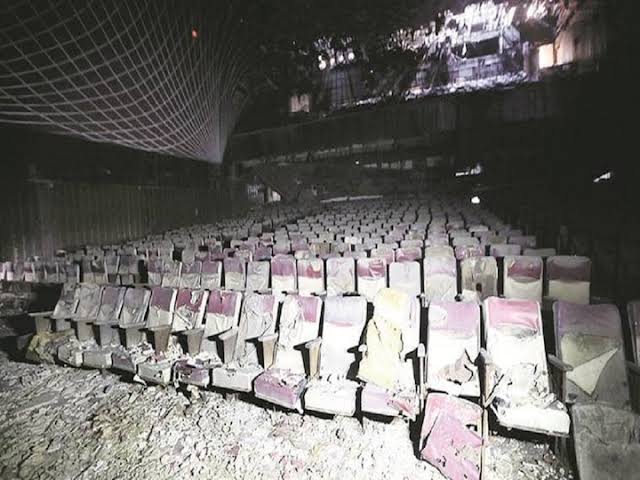

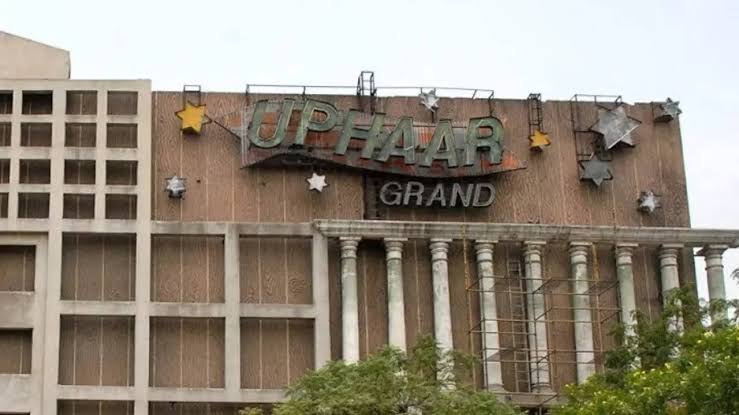 1 / 3
1 / 3