
Case Study
What happened here
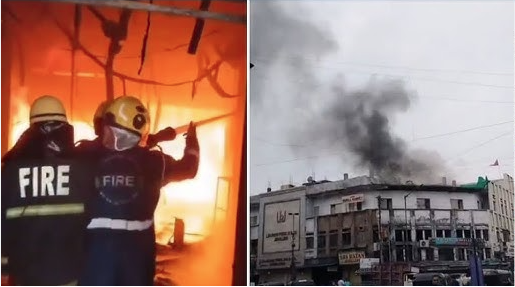
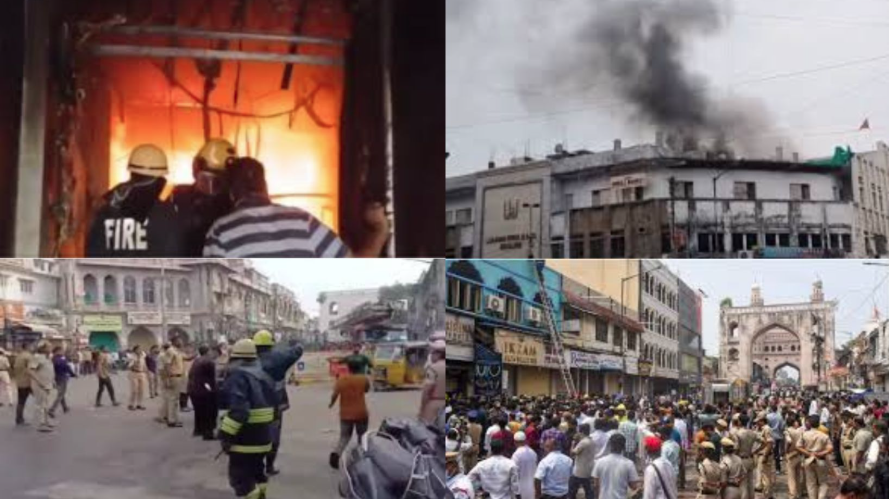
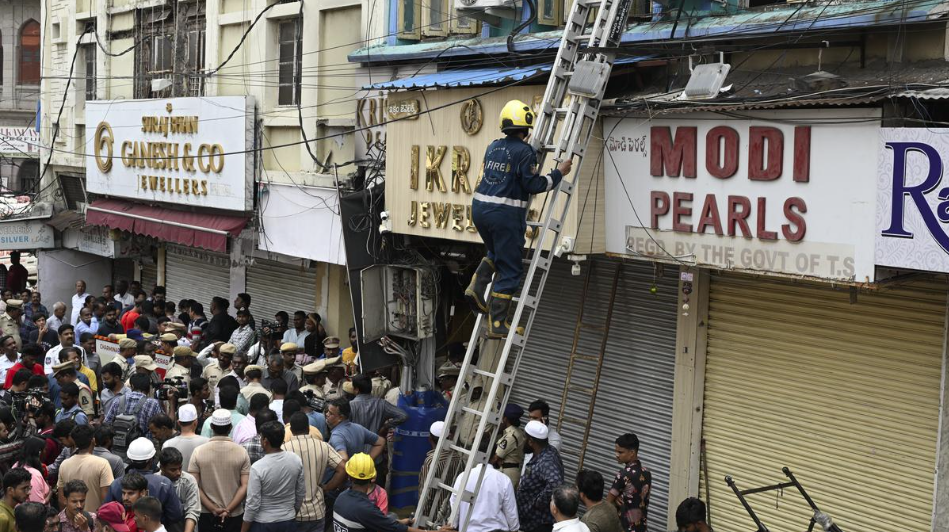
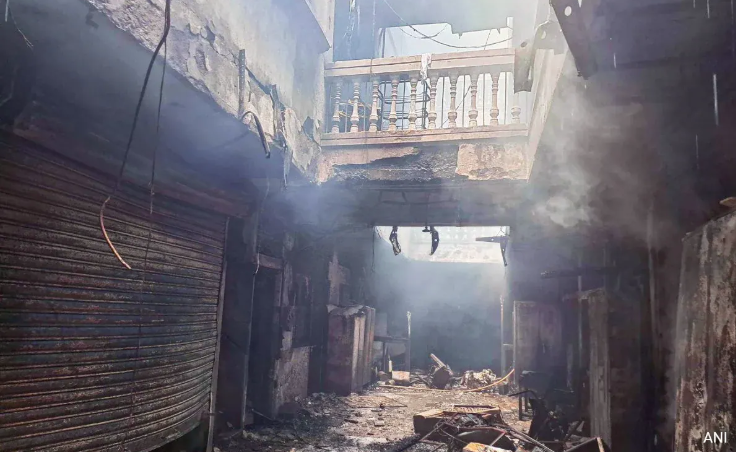
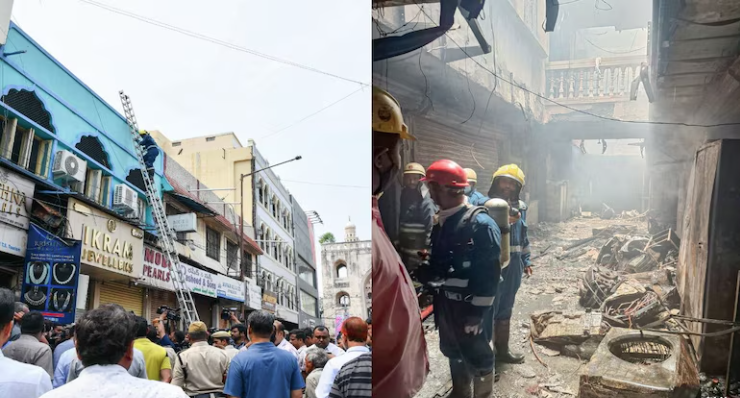

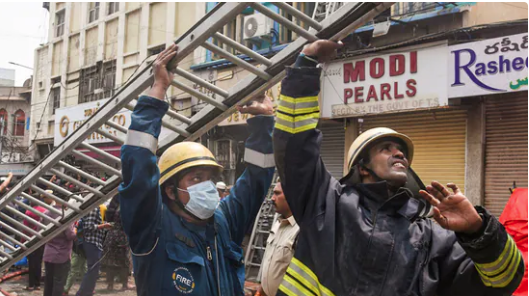
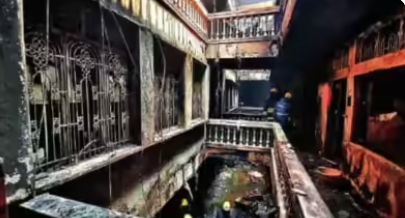
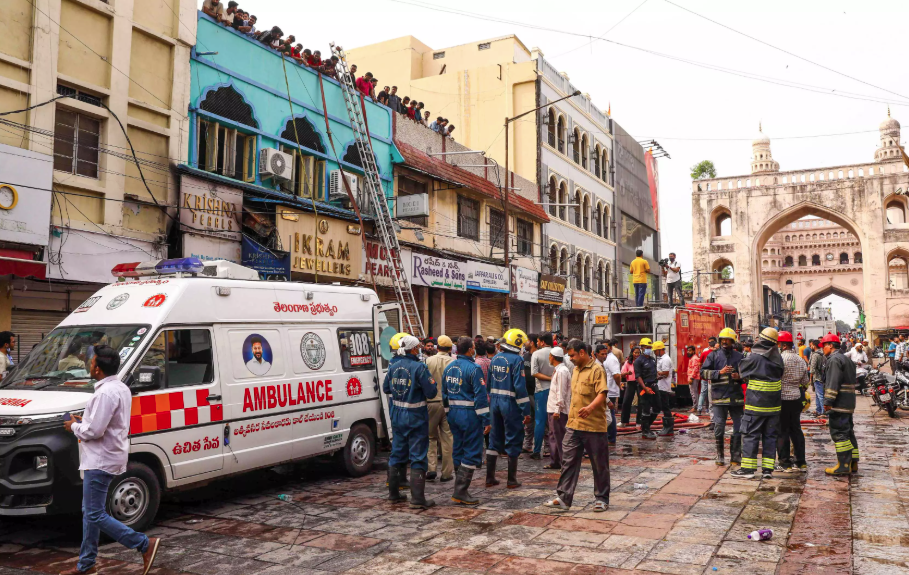
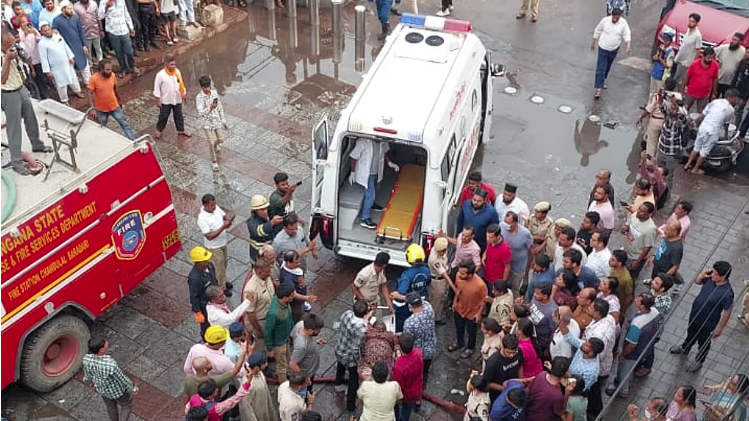
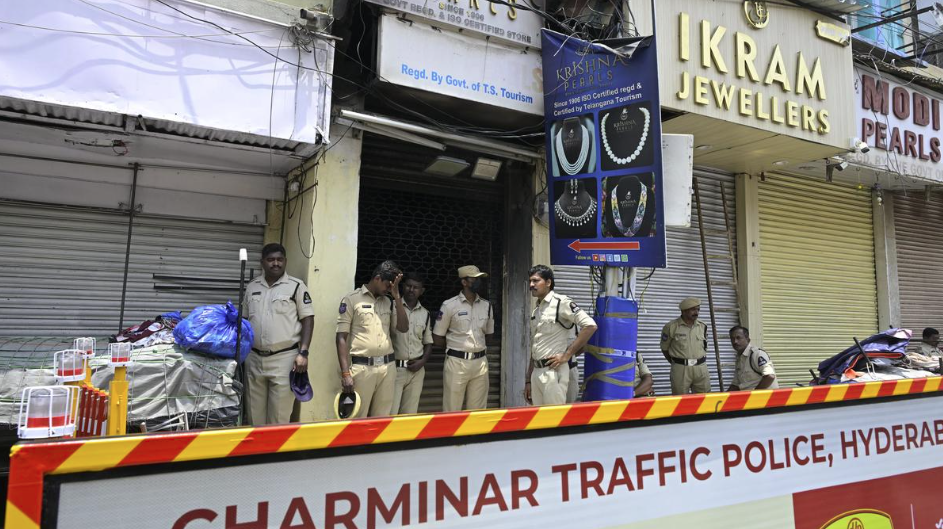 1 / 11
 Deaths17
Children among deaths8
Fire-service callAbout 06:30
Primary lethal hazard reportedSmoke inhalation
Government responseSix-member inquiry committee
What we can say safely
Seventeen members of one family, including eight children, died from smoke exposure in a dense residential-commercial building with constrained access near Charminar.
- Family members occupy the upper residential area
- Fire develops in/near the ground-level commercial portion
- Narrow internal access becomes untenable
- Fire service and neighbours attempt rescue from the dense old-city site
- State forms a six-member committee to investigate
Why consequences escalated
- Residential space above commercial stock needs strong separation
- One narrow stair can be lost rapidly to smoke
- Early alarms must wake sleeping occupants before escape fails
- Old-city access makes internal protection more important
- Families need a second escape strategy and terrace access where lawful and safe
Failures and risk multipliers
- Failing to separate ignition hazards from vulnerable people or combustible stock
- Relying on a single escape route
- Allowing alarms, suppression or electrical protection to remain unverified
- Failing to plan for people who need assistance
- Delaying emergency notification or responder access
People closest to the evidence
“Safety lesson”
The actual occupied condition—not the approval file—determines whether people can detect, escape and survive a fire.
Actions that reduce risk
- Inspect electrical and process hazards
- Test alarms, emergency lighting and suppression
- Walk every exit to open air
- Plan assistance for children, patients and disabled occupants
- Keep fire-service access and water points clear
- Run a realistic drill and close recorded defects