
Case Study
What happened here
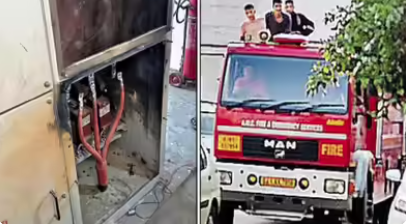
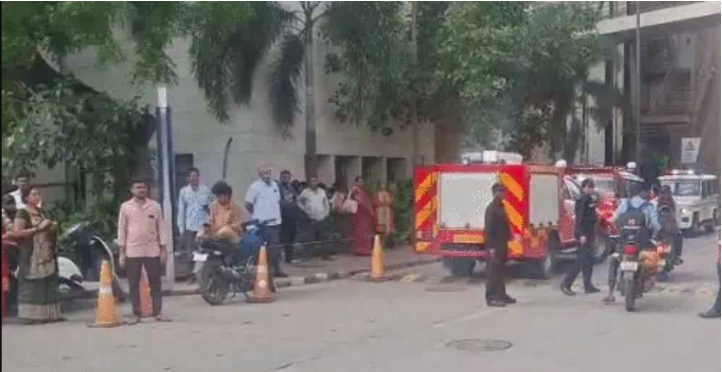
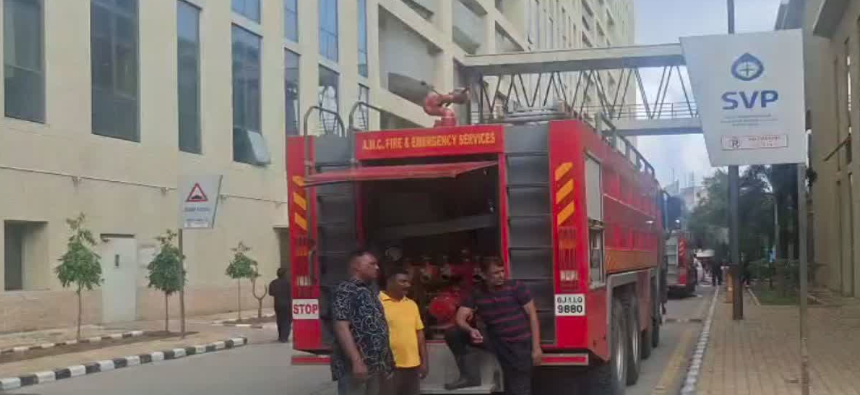
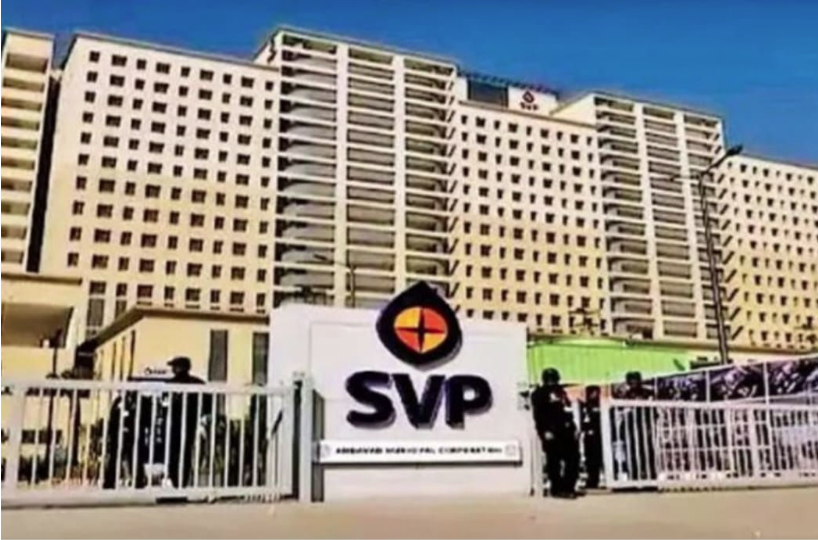 1 / 4
1 / 4 Patient casualties0
Fire tenders3
Origin areaElectrical duct in laundry section
Approximate time09:10
OutcomeFire confined to service area
What we can say safely
An electrical-duct fire in the hospital laundry was contained by three fire tenders before it affected patients; the near miss shows why service areas must be separated from clinical occupancy.
- Fire begins in the laundry service area
- Hospital and fire brigade are notified
- Navrangpura crews reach the site
- Water jets stop spread toward the hospital block
- Hospital examines the electrical cause
Why consequences escalated
- Laundry heat, lint and electrical services require disciplined maintenance
- Service shafts can carry smoke into clinical areas
- Compartmentation protected patients in this near miss
- Hospital evacuation readiness is required even when no movement occurs
- Small incidents should trigger learning before a fatal event
Failures and risk multipliers
- Relying on one escape route
- Failing to detect smoke before occupants are trapped
- Allowing electrical, fuel or LPG hazards to go unchecked
- Failing to maintain emergency equipment and accessible exits
- Delaying accurate emergency information
People closest to the evidence
“Safety lesson”
Redundant escape, early warning and controlled fuel load decide survival before responders arrive.
Actions that reduce risk
- Test alarms and emergency lighting
- Locate and practise every emergency exit
- Keep hammers and exits accessible in buses
- Inspect electrical, fuel and LPG systems
- Display 112 and exact location
- Record and close safety defects