
The guide
How to Use a Fire Hose Reel: A Step-by-Step Guide
What needs attention
- The article topic must be linked to the actual occupancy and hazard
- Prevention and early warning provide more safety margin than last-second intervention
- Equipment is effective only when correctly selected, accessible and maintained
- People need short practised actions and a clear decision to stop and escape
- Children, visitors and people needing assistance require explicit planning
- Records, drills and inspections matter only when defects are corrected
Controls that reduce risk
- Complete a task- and site-specific hazard assessment
- Verify applicable Indian, state and local requirements
- Use competent inspection for installed systems and specialist hazards
- Keep alarms, exits, signs and emergency access usable
- Train intended users and practise evacuation
- Record defects with an owner and completion date
- Review the plan after changes, incidents or near misses
Understand and apply the guidance
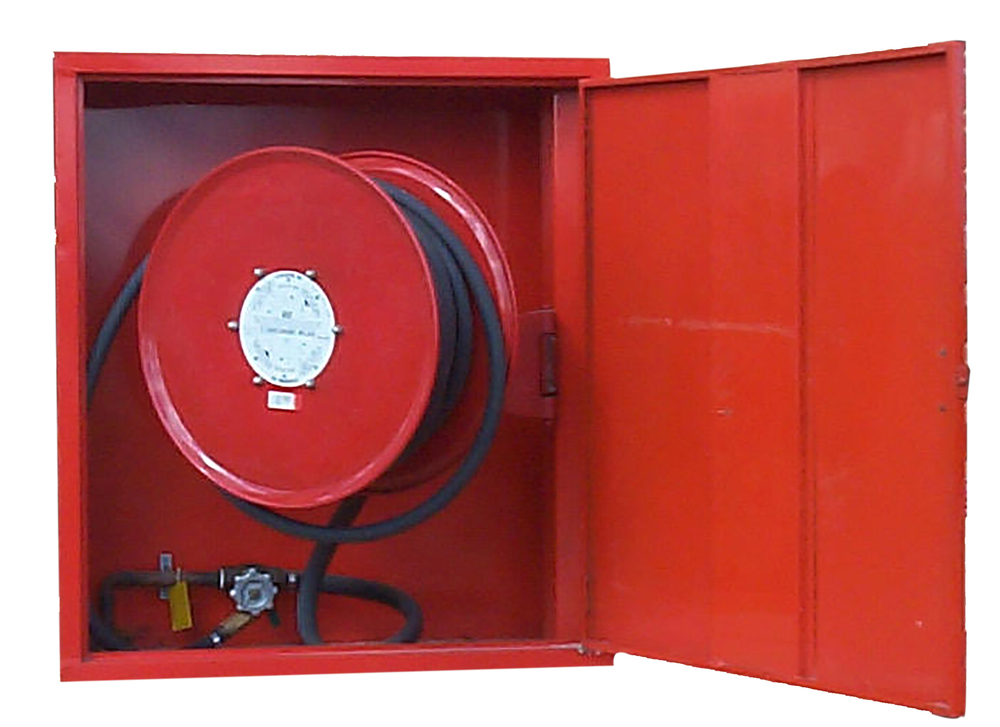
Fire hose reels are essential fire fighting tools installed in buildings and public spaces to provide a controlled and continuous flow of water for extinguishing fires. Knowing how to use a fire hose reel effectively can make a significant difference in the early stages of a fire. This guide provides a step-by-step process for using a fire hose reel during an emergency.
Importance of Fire Hose Reels
- Continuous Water Supply: Unlike fire extinguishers, which have a limited supply, fire hose reels provide an uninterrupted flow of water, making them ideal for larger fires.
- Ease of Use: Designed to be user-friendly, allowing even untrained individuals to operate them effectively in an emergency.
- Coverage: Can reach fires located at a considerable distance from the reel, providing flexibility in fire fighting.
Step-by-Step Guide to Using a Fire Hose Reel
- Identify the Fire Hose Reel
- Locate the nearest fire hose reel. They are typically mounted on walls in hallways, near exits, or in fire safety cabinets.
- Activate the Fire Alarm
- Before using the fire hose reel, activate the nearest fire alarm to alert others and initiate the building’s fire response protocol.
- Open the Fire Hose Reel Cabinet
- Open the cabinet door or remove the protective cover to access the hose reel.
- Turn on the Water Supply
- Locate the main valve, which is usually a wheel or lever adjacent to the hose reel. Turn it clockwise (or pull it, depending on the design) to open the valve and start the water flow.
- Pull Out the Hose
- Unwind the hose by pulling it in the direction of the fire. Ensure the hose is not tangled and can extend to the required length.
- Open the Nozzle
- The nozzle at the end of the hose will have a control lever or twist mechanism. Open the nozzle to start the water flow. Test the water flow briefly to ensure it is working correctly.
- Direct the Water at the Base of the Fire
- Aim the nozzle at the base of the fire, not the flames. Sweep the hose back and forth to cover the area effectively and extinguish the fire.
- Maintain Your Distance
- Stand at a safe distance from the fire while maintaining control of the hose. Move closer only if it is safe to do so and necessary to reach the fire.
- Continue Until the Fire Is Extinguished
- Keep the water flowing until the fire is completely out. Ensure there are no remaining hotspots that could reignite.
- Shut Off the Water Supply
- Once the fire is extinguished, close the main valve to stop the water flow. Turn the valve counterclockwise (or push it, depending on the design).
- Rewind the Hose
- Carefully rewind the hose back onto the reel, ensuring it is properly stored and ready for future use.
- Report the Incident
- Notify the appropriate authorities and report the use of the fire hose reel. Ensure any used equipment is inspected and maintained.
Safety Tips
- Stay Calm: Stay calm and act quickly but cautiously during a fire emergency.
- Do Not Use on Electrical Fires: Fire hose reels should not be used on electrical fires due to the risk of electrocution. Use a CO2 or dry chemical fire extinguisher instead.
- Regular Training: Ensure regular training and drills for all building occupants on the proper use of fire hose reels and other fire fighting equipment.
Conclusion
Fire hose reels are vital tools in fire safety and emergency preparedness. Understanding how to use them correctly can save lives and property. Regular training, proper maintenance, and adherence to safety protocols are essential to maximize their effectiveness.
Common unsafe practices
- Relying on equipment without a hazard assessment
- Blocking or compromising escape routes
- Delaying the alarm or emergency call
- Attempting a response beyond training or safe conditions
- Re-entering before authorised clearance
- Treating a checklist as a substitute for competent inspection