
Quick answers
How does poor planning make disasters worse?
Building over natural drains, narrow roads without fire tender access, illegal floors, missing fire exits, no buffer between industry and homes, and exit bottlenecks at events can turn ordinary events into tragedies.
What should I check before renting or buying a property?
Ask for structural audit certificates, and avoid studying or working in buildings without visible fire exits or alarms. Avoid basements used for storage or residence.
Is it safe to use underpasses during heavy rain?
Avoid underpasses and encroached drains during rain, because flash floods can rise fast.
How can citizens push for safer planning?
Report unsafe construction or blocked hydrants to civic helplines, join local safety committees, and ask whether a project is genuinely safe before it is approved.
When a coaching class burns, a bridge falls or a colony floods, we tend to call it an accident or an act of nature. Look closer at India’s worst recent disasters and you usually find a decision taken months or years earlier: a floor added without approval, a building left standing after notices, a venue opened without a fire NOC, a bridge reopened without a fitness report.
The spark, the rain or the crowd only finds the weakness. Poor planning decides how many people die.
Six disasters, one pattern
| Year | Disaster | Deaths or impact | Planning failure |
|---|---|---|---|
| 2019 | Takshashila Arcade fire, Surat | 22 dead | Coaching class in a commercial building with illegal construction and highly flammable material |
| 2020 | Jilani Building collapse, Bhiwandi | 41 dead | 40-year-old dilapidated building; municipal notices ignored |
| 2022 | Mundka fire, Delhi | 27 dead | One exit, no fire clearance, no sanctioned building plan |
| 2022 | Morbi bridge collapse, Gujarat | 135 dead | Reopened without a fitness report and with no limit on the number of people |
| 2023 | Yamuna flood, Delhi | Record river level of 208.66 m | Built-up floodplain and low-lying areas went under first |
| 2024 | TRP Game Zone fire, Rajkot | 27 dead | Ran without a fire NOC |
Sources: WION (24 May 2019), The Quint (5 June 2019 and 21 September 2020), BOOM (14 May 2022), NHRC (15 May 2022), Moneylife/IANS (10 October 2023), Onmanorama/PTI (19 July 2023), Gujarat High Court order via Indian Kanoon (30 January 2025), Business Today (26 May 2024).
Where planning breaks down
| Level | What goes wrong | What it leads to |
|---|---|---|
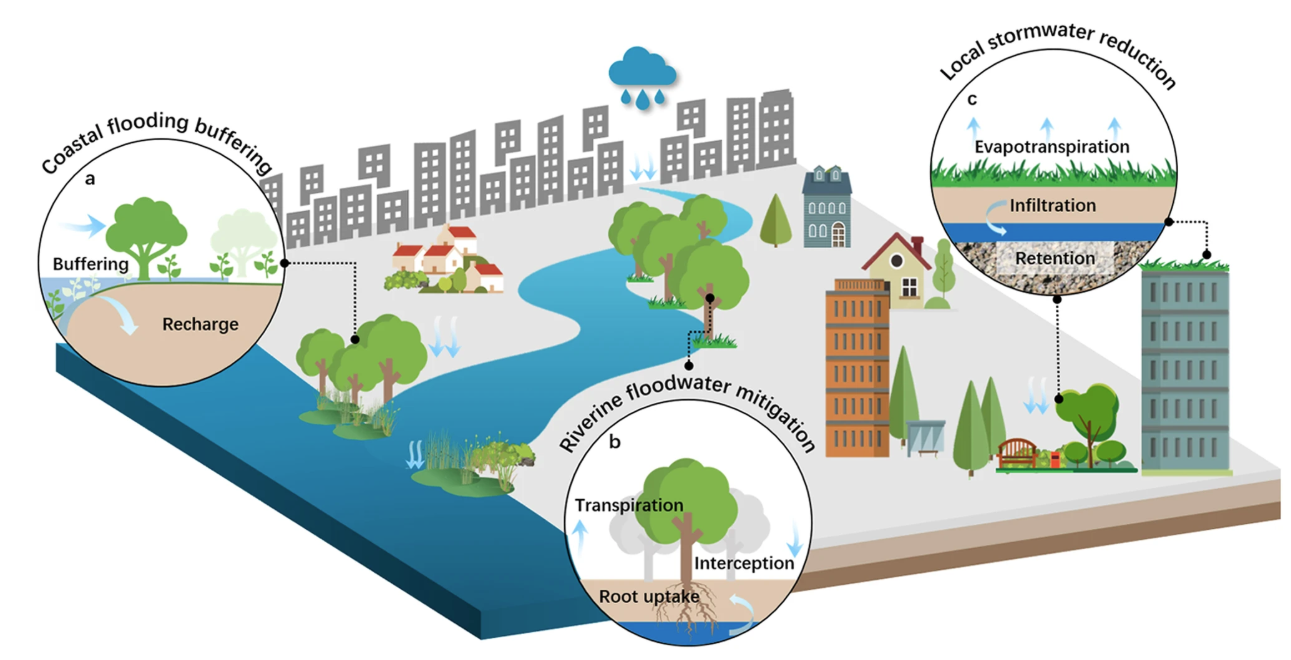
| Urban design | Building over natural drains and wetlands | Flooding after rain that the area once handled |
| Roads and access | Narrow lanes, no space for a fire tender | Rescue arrives late |
| Building approval | Illegal floors, poor materials, no second exit | Collapses and people trapped in fires |
| Industrial layout | No buffer between factories and homes | Neighbours exposed to fire, blasts and gas leaks |
| Crowds and events | No limit on numbers, exits that bottleneck | Crushes and stampedes |
| Power and water | Overloaded wiring, dry hydrants | Small fires that grow |
The cases in detail
Takshashila Arcade, Surat (24 May 2019)
The fire killed 22 young people at an art and craft coaching centre in the four-storey building. A preliminary probe found that highly flammable materials, and tyres used as chairs in the class, made the fire spread fast. Police said eight air conditioners were running without a legal electricity connection. Officials of the Surat Municipal Corporation were accused of regularising illegal construction in the building.
Lesson: A class full of children needs a second way out and nothing that burns like fuel. Approvals that turn illegal construction into legal paper do not make it safe.
Jilani Building, Bhiwandi (21 September 2020)
The building collapsed at about 3:45 am. Forty-one people died. It was about 40 years old and dilapidated, and municipal notices had been ignored.
Lesson: A notice on the wall is not enough. Old buildings need structural checks, and people need somewhere to go when a building is declared unsafe.
Mundka, Delhi (13 May 2022)
The fire began in the first-floor office of a company making CCTV cameras and routers, near Mundka Metro station. Twenty-seven people died and 12 were injured. The building had only one exit and no fire safety clearance. The NHRC noted that, according to the municipal enquiry, the building had no sanctioned plan and the factory was running without a licence.
Lesson: One staircase for a crowded workplace is a trap. If you work in such a building, raise it, in writing.
Morbi bridge, Gujarat (30 October 2022)
The suspension bridge collapsed on the evening of 30 October, killing 135 people. The Special Investigation Team told the Gujarat High Court there was no fitness report before the bridge was opened, and no limit on how many people could be on it at a time or on how many tickets were sold.
Lesson: Public structures must be inspected and certified before they reopen, and someone must control how many people go on them.
Yamuna flood, Delhi (July 2023)
Heavy rain in the upper catchment pushed the Yamuna to a record 208.66 m, above the 1978 record of 207.49 m and well above the danger mark of 205.33 m. Low-lying areas flooded and families moved to relief camps.
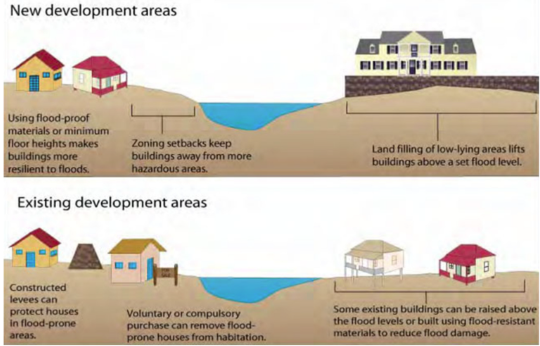
Lesson: A river’s floodplain belongs to the river. What we build there, the river will reach sooner or later.
TRP Game Zone, Rajkot (25 May 2024)
Welding sparks fell on thermocol during expansion work in a tin-sheet structure. Twenty-seven people died, including four children under 12. The game zone had been running without the required fire NOC.
Lesson: A venue should never open, let alone expand, without a fire NOC. Welding next to flammable material needs a hot-work permit and a fire watch.
What these cases have in common
- Blocked or single exits made the Mundka and Takshashila fires deadly.
- Buildings left standing after notices, as in Bhiwandi, can collapse without warning.
- Venues and bridges opened without checks, as at Rajkot and Morbi, put crowds at risk.
- Floodplains and low-lying areas flood first when rivers rise, as Delhi saw in 2023.
In every case, someone could have said no earlier: the official who regularised a floor, the owner who skipped the NOC, the operator who sold one more ticket. Residents and workers can say something too, before it is too late.
Protect yourself and your family
- Before you rent or buy, ask for the building’s approved plan, occupancy certificate and fire NOC where one applies.
- Do not study, work or let your children attend classes in a building with only one staircase or no visible fire exits and alarms.
- Avoid basements used for storage or for living.
- During heavy rain, keep away from underpasses and encroached drains. Water rises fast there.
- Join your society’s safety committee or a local volunteer group such as a VFF cell.
- Report unsafe construction, blocked exits or dry hydrants to your municipal helpline or fire station.
What needs to change
- Link building NOC renewals to real physical inspections, with the records online.
- Enforce zoning, so hazardous industry is kept away from homes, schools and markets.
- Hold regular mock drills in schools, markets and high-rise societies.
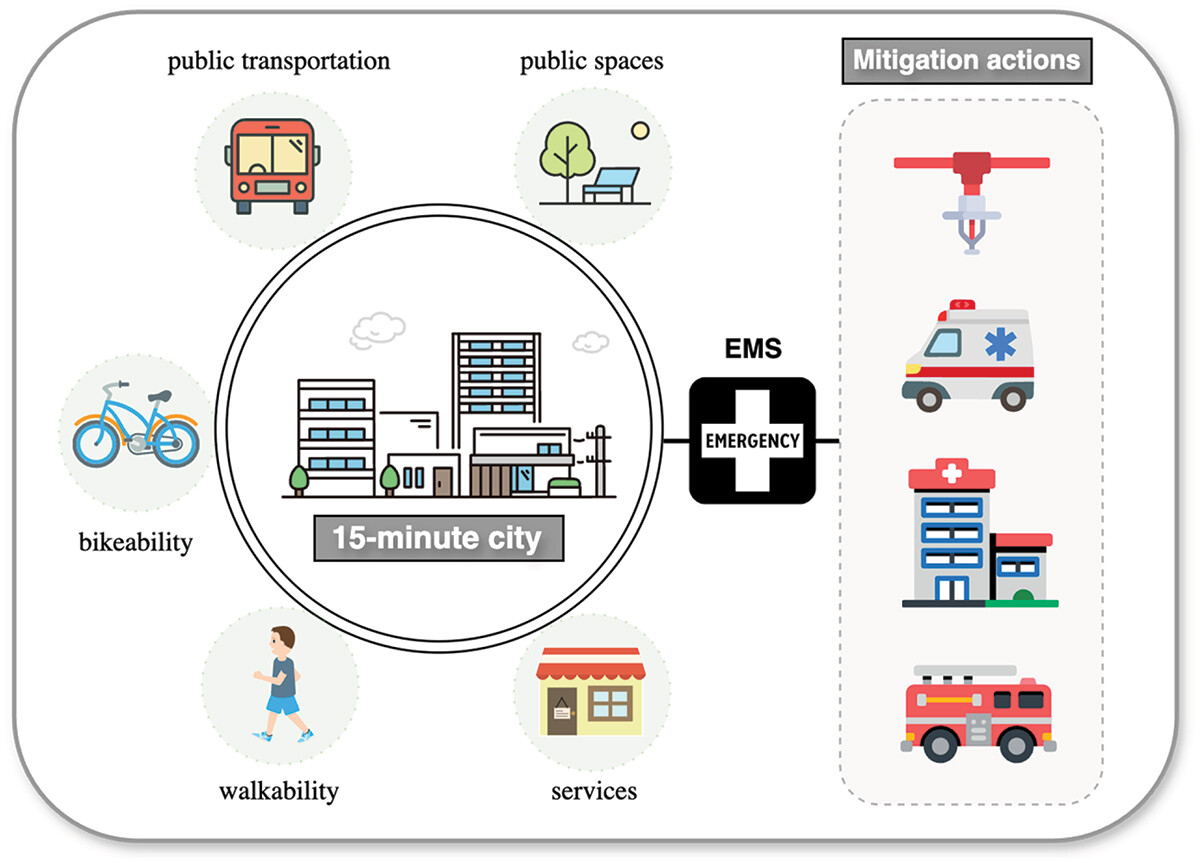
- Check fire-tender access in every dense ward.
- Publish city safety dashboards so citizens can see where their area stands.
One thing to do this week
Walk through the building where you live, work or study. Count the staircases. If there is only one, or if the second is locked or full of junk, take a photo and raise it with the society or owner in writing. That is how planning failures get fixed before they become headlines.
References
- WION: Death toll rises to 22 in Surat fire (24 May 2019)
- The Quint: Surat Fire, 4 more arrested, many laws flouted, says police (5 June 2019)
- The Quint: Bhiwandi Building Collapse, 41 dead, rescue ops called off (21 September 2020)
- BOOM: 27 dead and 12 injured in Delhi Mundka fire, two people arrested (14 May 2022)
- National Human Rights Commission: concern over fire incident in Mundka (15 May 2022)
- Moneylife (IANS): Morbi bridge collapse, SIT submits 5,000-page report (10 October 2023)
- Onmanorama (PTI): Yamuna water level breaches danger mark amid rains in Delhi (19 July 2023)
- Gujarat High Court order, R/CR.MA/21368/2024, TRP Game Zone fire (30 January 2025)
- Business Today: Rajkot gaming zone fire kills 27, including children (26 May 2024)
What needs attention
- Mundka had a single exit and no fire safety clearance
- At Takshashila, flammable material and tyres used as chairs helped the fire spread
- The Bhiwandi building was about 40 years old and municipal notices had been ignored
- Morbi bridge reopened without a fitness report and with no limit on numbers
- The Rajkot game zone ran without a fire NOC; welding sparks fell on thermocol
- The Yamuna rose to 208.66 m in 2023 and low-lying areas flooded first
Controls that reduce risk
- Link NOC renewals to physical inspections
- Act on dilapidated-building notices with structural checks and temporary housing
- Require a second exit before approving classes, workshops and venues
- Certify public structures before reopening and set crowd limits
- Keep hazardous industry away from homes and schools through zoning
- Check fire-tender access in dense wards
- Protect floodplains and natural drains from construction
Common unsafe practices
- Regularising illegal construction instead of making it safe
- Leaving people in dilapidated buildings after notices
- Running workplaces and classes with a single staircase
- Opening venues or bridges without a NOC or fitness certificate
- Selling tickets with no limit on crowd numbers
- Building on floodplains and over natural drains

Leave a comment