
Quick answers
What should a city emergency response plan include?
A command and control centre that links police, fire, ambulance and hospitals, a map of risks such as flood-prone streets, a way to alert residents quickly, an emergency operations centre staffed round the clock, and an evacuation plan with shelters chosen in advance.
Why do many Smart Cities still struggle in an emergency?
Many command centres were built mainly for traffic and civic services. Fire and health services are often left out of planning and budgets, departments do not share data in real time, and residents get little training.
What can I ask about my city's emergency readiness?
Ask your corporator whether the city command centre is linked to the fire brigade and ambulances, whether the emergency call boxes in your ward work, and when the last city-wide drill was held.
Why does a control centre need back-up power and communication?
Floods and power cuts can knock out screens and networks. Without back-up, a control centre can go offline exactly when people need it most.
All 100 Smart Cities under the Smart Cities Mission now have an operational Integrated Command and Control Centre (ICCC), and these centres worked as COVID war rooms during the pandemic (Ministry of Housing & Urban Affairs, December 2024).
But a control room full of screens is not the same as a tested emergency plan. No official count of Smart Cities with fully working disaster-response plans has been published.
The Smart Cities Mission promised connected cities that could see a problem and respond in real time. Cameras, sensors and dashboards have certainly arrived. For residents the question is simpler: when there is a fire in your building or water in your street, does that technology get a fire engine, an ambulance or a warning to you any faster?
What the official data shows
As on 15 November 2024, the Ministry of Housing & Urban Affairs reported that all 100 Smart Cities have operational ICCCs, with over 84,000 CCTV cameras, 1,884 emergency call boxes and 3,000 public address systems installed.
The Ministry describes ICCCs improving transport, water supply and waste management. How well they link fire, ambulance and hospitals is far less documented. The Ministry does not publish a city-wise score for emergency or disaster readiness, so an earlier tier-wise “audit” table and a “1 in 5” claim on this page have been withdrawn.
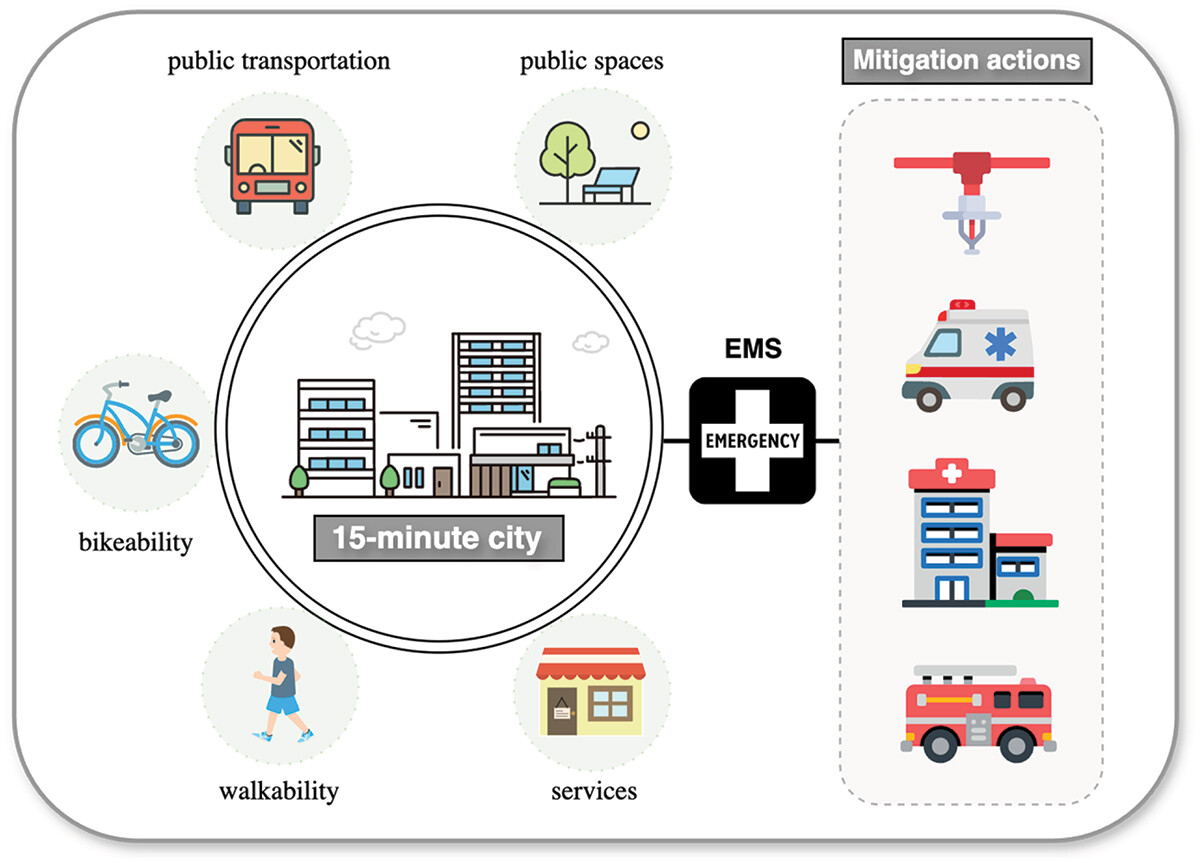
What a city emergency response plan needs
- A command and control centre that connects police, fire, ambulance, hospitals and civic departments on one screen.
- Risk mapping that shows fire stations, hospitals, flood-prone streets and vulnerable buildings.
- Real-time public alerts through SMS, apps, sirens, public address systems and display boards.
- An Emergency Operations Centre staffed round the clock, with people from police, fire and health.
- An evacuation and relief plan with shelters identified in advance, and the transport and supplies to use them.
- Back-up power and communication, so the centre keeps working during a flood or blackout.
City examples
City-level claims that earlier appeared here, such as Surat’s response time falling from 22 to 11 minutes, Bhopal’s “₹150 crore” control centre going offline, and a ranked table of city response times, could not be verified from official sources and have been withdrawn. If your city publishes ICCC or fire service response data, use that.
Where cities often fall short
- Command centres built mainly for traffic and civic services, with emergencies added later.
- Fire and health services left at the edge of Smart City planning and budgets.
- No single city-level body that plans for disasters across all departments.
- Data that does not flow between departments in real time.
- Little training for residents, so alerts do not always turn into action.
Why there is no international table here
Earlier “Smart City Emergency Integration (%)” scores and response times for India, Singapore, Japan, the USA and the UAE could not be traced to any published index and have been withdrawn.
The way forward
- Every ICCC should have a proper emergency module with fire, police, ambulance and hospital data on one dashboard.
- Each city should have a disaster management cell working with the district authority and the state SDMA.
- Cities should publish emergency response times from their ICCCs, so residents can see how they perform.
- A public alert app or SMS service should reach every resident in the local language.
- Cities should hold mock drills at least twice a year with residents, schools, hospitals and markets.
What you can do
- Find out whether your city has an ICCC, and whether your ward’s emergency call boxes and PA systems work.
- Sign up for your city’s or state’s official alert service, if there is one.
- Save 112 on every family phone, and know your nearest fire station and hospital.
- Ask your corporator: does our command centre connect to the fire brigade and ambulances, and when was the last city drill?
Smart cameras can count cars. A smart city should also get help to you faster, and that is the test worth asking your corporator about.
References
What needs attention
- Every Smart City now has a command and control centre
- Official reports focus on transport, water and waste, not emergency response
- No city-wise score for emergency or disaster readiness is published
- Claims about individual city response times could not be verified
- A control centre is only useful if fire, ambulance and hospitals are linked to it and residents get alerts
Controls that reduce risk
- Add a full emergency module to every ICCC
- Link fire, police, ambulance and hospital data on one dashboard
- Set up a city disaster management cell working with the district authority
- Publish city emergency response times
- Hold city-wide mock drills at least twice a year
Common unsafe practices
- Treating a control room as a substitute for a tested emergency plan
- Building command centres mainly for traffic
- Leaving fire and health services out of planning and budgets
- No back-up power or communication for the control centre
- Sending alerts that residents do not understand or receive

Leave a comment