
Quick answers
How do I choose a fire extinguisher for my home?
Consider the fire hazards you may face, such as kitchen, electrical or garage hazards, and choose a size and weight the person responsible can handle comfortably.
Where should a fire extinguisher be kept at home?
Mount it on the wall near exits and escape routes, within easy reach, visible and unobstructed, and place units where specific hazards exist such as the kitchen, garage or workshop.
How do I maintain a home fire extinguisher?
Check the pressure gauge regularly, look for dents, corrosion or leaks, keep the safety pin and tamper seal intact and schedule professional maintenance as the manufacturer or local rules recommend.
Is buying an extinguisher enough to be fire safe?
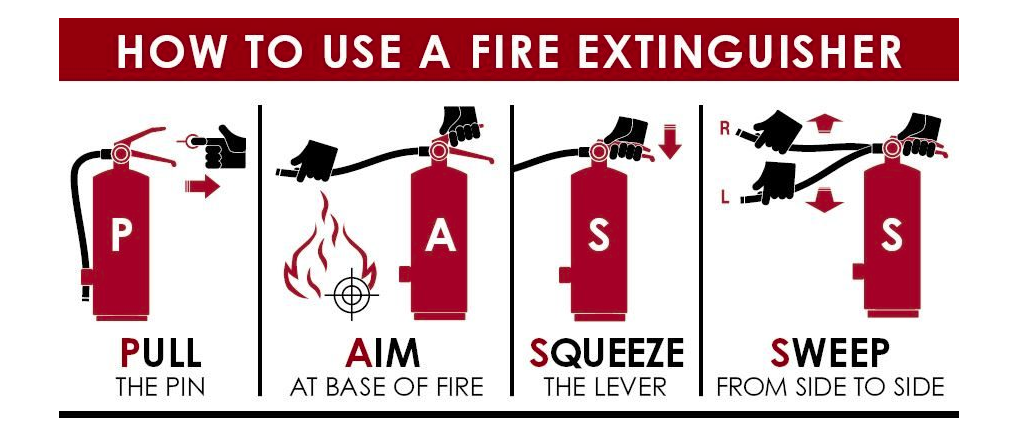
No. Read the operating instructions and practise the PASS technique of pull, aim, squeeze and sweep so you know how to use it on a small fire.
Introduction
A fire extinguisher is a vital tool in safeguarding your home against potential fire hazards. However, not all fire extinguishers are the same, and choosing the right one requires careful consideration. In this article, we’ll guide you through the process of selecting the right fire extinguisher for your home, covering types, classes, and key factors to keep in mind. With the right extinguisher at your disposal, you can confidently respond to small fires and protect your loved ones and property.
Understanding Fire Extinguisher Types
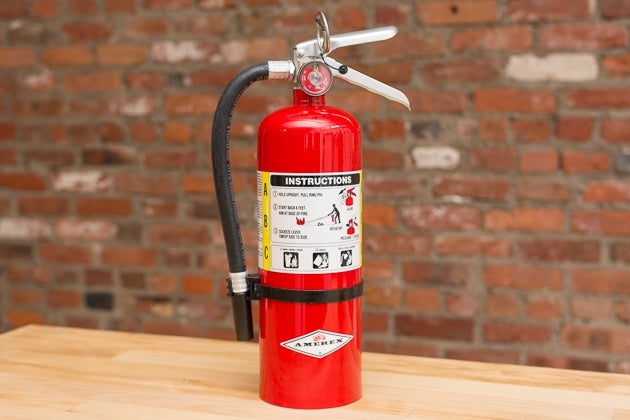
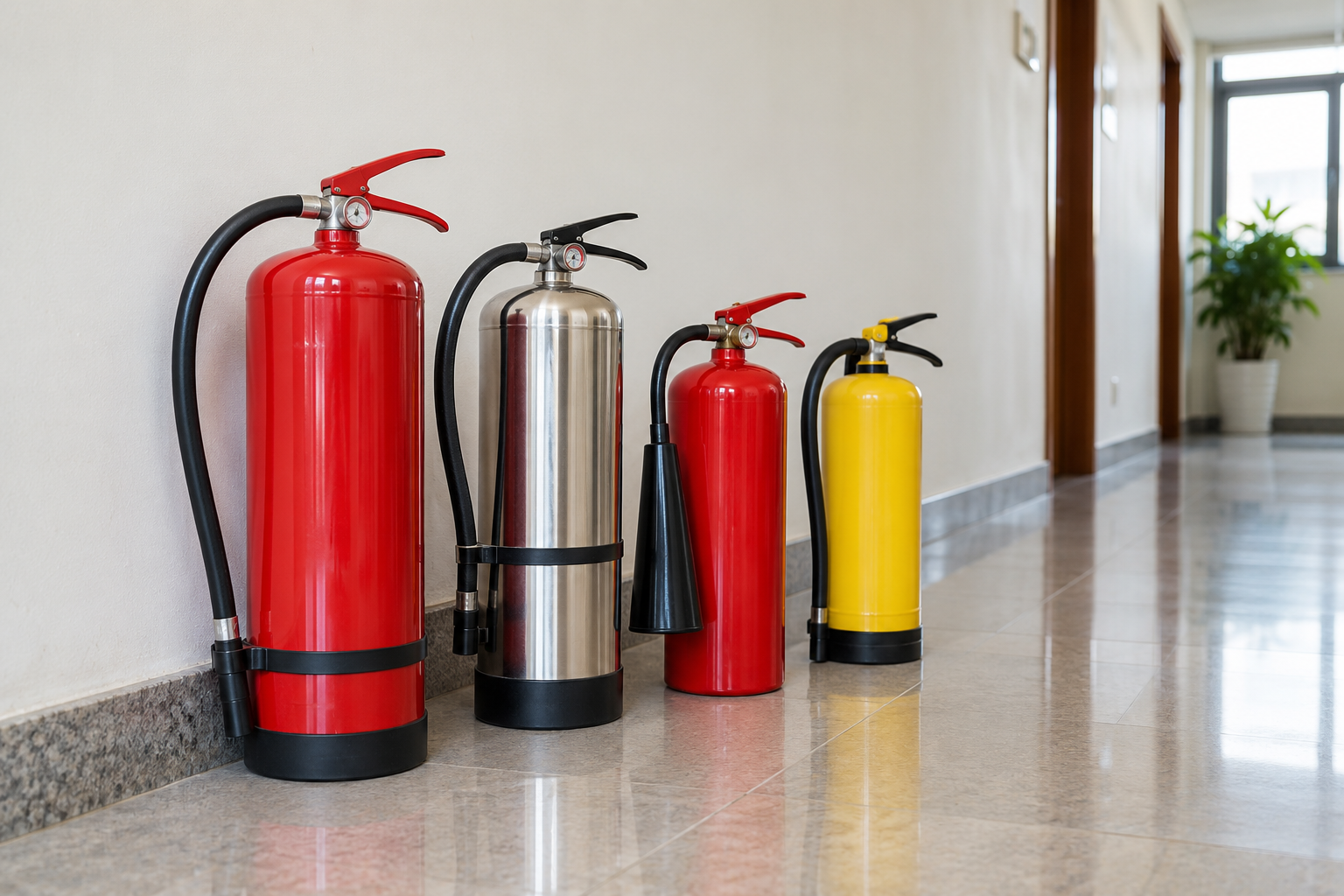
There are several types of fire extinguishers, each designed to combat specific classes of fires. The most common types include:
- Water (Class A): Suitable for fires involving ordinary combustibles like wood, paper, cloth, and plastics. Water extinguishers cool down the flames to suppress the fire.
- Foam (Class A and B): Effective on both Class A and B fires. Foam extinguishers create a barrier that smothers the flames by cutting off the oxygen supply.
- Carbon Dioxide (CO2) (Class B and C): Effective on Class B (flammable liquid) and Class C (flammable gas) fires, and commonly used on electrical equipment because it leaves no residue. CO2 extinguishers displace oxygen, suffocating the fire.
- Dry Chemical (Class A, B, and C): Suitable for Class A, B, and C fires. Dry chemical extinguishers interrupt the chemical reaction of the fire.
- Wet Chemical (Class F): Specifically designed for Class F fires, which involve cooking oils and fats in cooking appliances. Wet chemical extinguishers react with the cooking oils to create a soapy layer that suppresses the fire.
Determining the Right Class of Fire Extinguisher
The appropriate fire extinguisher for your home depends on the types of fire hazards you may encounter. Consider the following factors:
- Kitchen Fires: Cooking-related fires are a common home hazard. For burning cooking oil or fat (Class F in India), choose an extinguisher marked for Class F, such as a wet chemical unit. BIS lists wet chemical, not ABC powder, for Class F fires. For a small pan fire, a fitting lid is often the quickest safe option.
- Electrical Equipment: If you have a home office or many electronic devices, consider a CO2 fire extinguisher, as it leaves no residue on electrical equipment. Switch off the power at the mains first if you can do so safely.
- General Household Fires: For general fire safety around your home, a multi-purpose dry chemical extinguisher (Class A, B, and C) is versatile and suitable for various fire types.
- Garage and Workshop: A dry chemical extinguisher is a good choice for garages and workshops where flammable liquids and materials are stored.
Consider Extinguisher Size and Weight
Fire extinguishers come in various sizes and weights. The size and weight determine how much extinguishing agent the device contains. Larger extinguishers have more capacity but can be heavier and bulkier to handle. Consider the following when choosing the right size:
- Placement: Ensure you can easily access the extinguisher in an emergency. It should be mounted or stored in a convenient and readily accessible location.
- User Comfort: Consider who will be using the extinguisher. Make sure it’s a manageable size for the person who will be responsible for its use.
Maintenance and Certification
Regular maintenance and certification are essential to ensure that your fire extinguisher is functional when needed. Here are some maintenance tips:
- Check the pressure gauge regularly to ensure that the extinguisher is charged and ready for use.
- Inspect the extinguisher for any visible damage, such as dents, corrosion, or leaks.
- Ensure that the safety pin and tamper seal are intact.
- Schedule professional inspections and maintenance as recommended by the manufacturer or local regulations.
Proper Placement and Installation
Once you’ve chosen the right fire extinguisher, proper placement and installation are crucial. Here are some placement tips:
- Mount extinguishers on the wall, near exits and escape routes, and within easy reach.
- Ensure that extinguishers are visible and unobstructed.
- Place extinguishers where specific hazards exist, such as in the kitchen, garage, or workshop.
Familiarize Yourself with Proper Usage
Owning the right fire extinguisher is just the first step. It’s equally important to understand how to use it correctly. Familiarize yourself with the operating instructions and practice using the extinguisher, following the “PASS” technique:
- Pull: Pull the safety pin to unlock the operating lever.
- Aim: Aim the nozzle or hose at the base of the fire where the fuel source is burning.
- Squeeze: Squeeze the lever to discharge the extinguishing agent.
- Sweep: Sweep the nozzle or hose from side to side, covering the fire with the extinguishing agent.
Conclusion
Choosing the right fire extinguisher for your home is a vital decision that can significantly impact your ability to respond effectively to small fires. By understanding the different types, classes, and factors to consider, you can make an informed choice and ensure that you have the right tool on hand to protect your loved ones and property. Remember, fire safety is not just about having the equipment; it’s about knowing how to use it and being prepared to act swiftly in the event of an emergency.
What needs attention
- No single extinguisher suits every fire; pick one for the fires your home could actually have
- Burning cooking oil (Class F in India) needs a wet chemical extinguisher or a fitting lid, not ABC powder
- A multi-purpose ABC powder extinguisher covers most general household fires
- CO2 is useful near electronics because it leaves no residue
- An extinguisher too heavy for the person at home to lift is no use in an emergency
Controls that reduce risk
- List the fire risks in your home: kitchen, electronics, two-wheeler or generator fuel, general furniture
- Choose extinguishers marked for those fire classes, with BIS certification
- Pick a size that everyone who may use it can lift and aim
- Mount it near an exit, visible and within easy reach, not right next to the stove
- Check the gauge, pin and seal every month and get it serviced as the maker says
- Read the instructions on the label and practise PASS with a trainer
Common unsafe practices
- Buying the cheapest cylinder without checking which fire classes it covers
- Relying on ABC powder for a kadhai or deep-fryer fire
- Choosing a size that the person at home cannot lift or handle
- Keeping the extinguisher inside a cupboard or behind the door
- Never checking the gauge, pin or seal after buying
- Assuming you will know how to use it without ever practising

Leave a comment