
Quick answers
What does PASS stand for on a fire extinguisher?
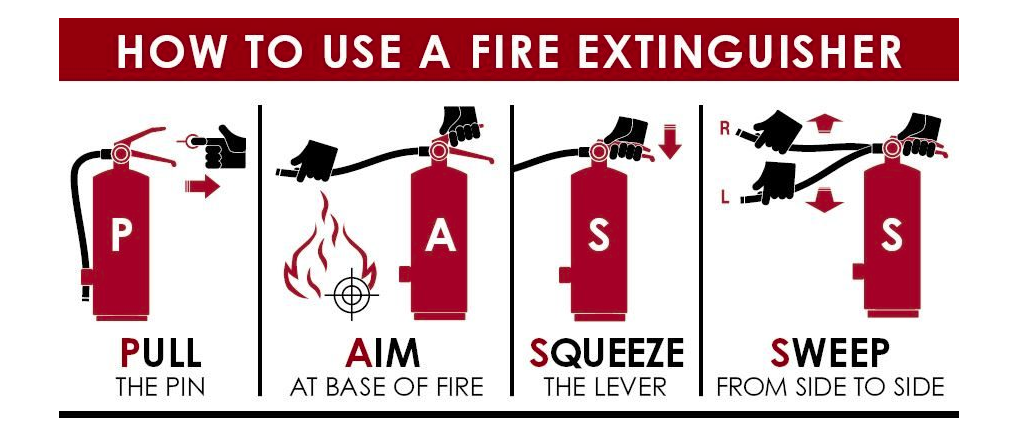
PASS means Pull the pin, Aim at the base of the fire, Squeeze the handle and Sweep from side to side. Follow the instructions printed on the extinguisher because designs can differ.
When should I not try to use a fire extinguisher?
Evacuate instead if the fire is spreading, smoke is reducing visibility, you do not have a clear exit behind you, the extinguisher is unsuitable, or you have not been trained. Call the fire service from safety.
Where should I aim the extinguisher?
Aim at the base of the flames where the fuel is burning, not at the smoke or the upper flame. Keep a safe escape route behind you.
Can any extinguisher be used on any fire?
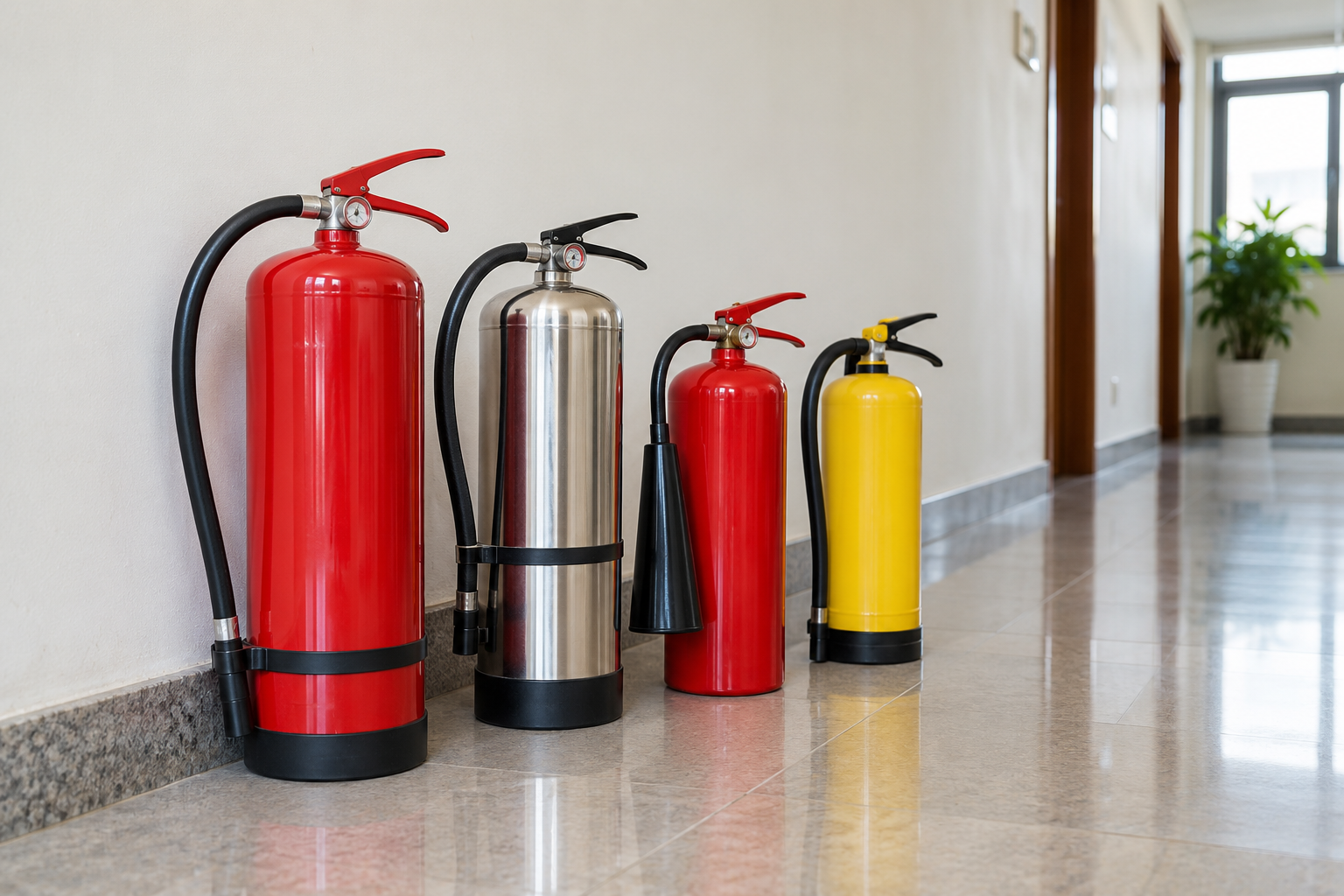
No. Water, foam, powder, carbon dioxide and wet-chemical extinguishers have different uses and hazards. Check the label and never improvise when the fire or extinguisher type is uncertain.
How far away should you stand when using the PASS method?
This guide advises keeping about 6 to 8 feet from the fire so you do not risk burns. Keep a clear exit behind you and follow the instructions printed on the extinguisher.
What should you do if the fire does not go out?
Stop, leave by the safest exit, warn others and call 112 from a safe place. Do not keep fighting a fire that is spreading or filling the room with smoke.
1. Why You Must Know This
A fire extinguisher is one of the simplest life-saving tools, yet many people have never been shown how to use one. Extinguishers are often treated like decorative red cylinders in corners of schools, offices, and malls. When a fire breaks out, panic freezes people — and by the time they figure out how to operate it, the fire has already spread.
👉 Remember: in less than 30 seconds a small flame can turn into a major fire. Acting in the first moments, or leaving at once, can mean the difference between a small incident and a deadly fire.
Before you start: fight or leave?
Pick up the extinguisher only if all of these are true: the fire is small and still in one thing, such as a waste bin or a pan; someone has already called 101 or 112; you are not breathing in smoke; and you have a clear way out behind you. If even one of these is not true, warn everyone, get out, close the door behind you and call from outside.
2. Step-by-Step Guide – The PASS Method
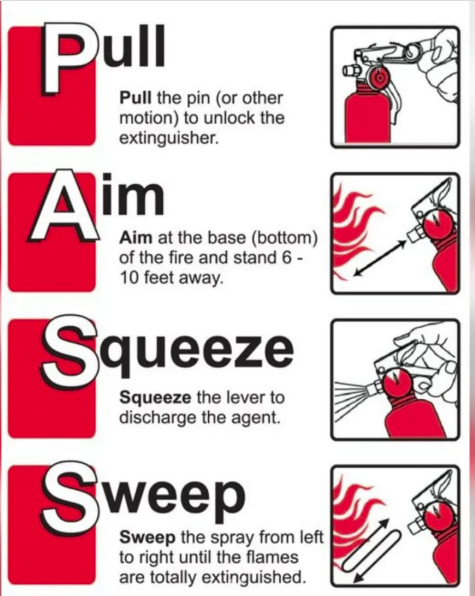
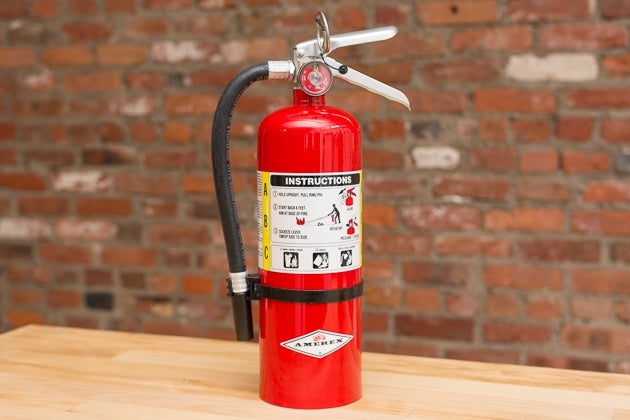
- P – Pull the pin: This unlocks the extinguisher. Without pulling the pin, the handle won’t release the agent.
- A – Aim low: Point the nozzle at the base of the fire — where the flames start. Spraying at the flames does nothing.
- S – Squeeze the handle: This discharges the extinguishing agent. Keep it pressed firmly.
- S – Sweep side to side: Move the spray across the base until the fire is completely out. Small, controlled sweeps are most effective.
3. Visual Infographic
4. Common Mistakes to Avoid
❌ Aiming at the flames — fire will keep burning.
❌ Standing too close — you risk burns. Maintain 6–8 feet distance.
❌ Wrong extinguisher type — using water on electrical or oil fires can make things worse.
5. Where Should This Be Practiced?
Schools, offices, housing societies and hospitals should include hands-on extinguisher training in their regular fire-safety training and drills. Extinguishers should never just hang on walls — people must be taught to use them.
6. What You Can Do Today
✔ Locate the nearest extinguisher in your home/office today.
✔ Check its expiry date and servicing tag.
✔ Spend 2 minutes teaching your kids or colleagues how to read the label.
✔ Watch a demo video or join a short fire safety training session.
7. Related Case
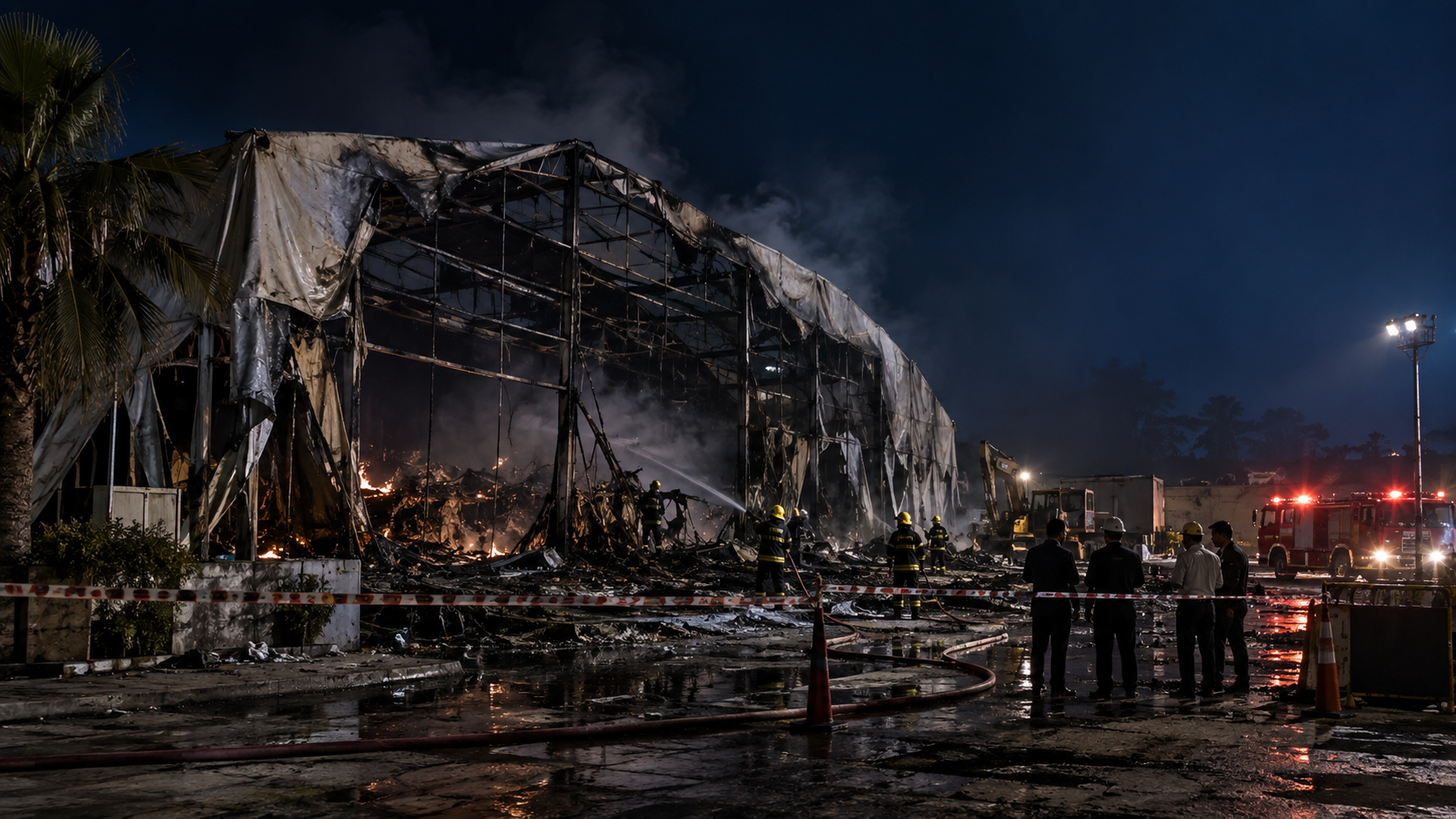
The Gulzar Houz fire near Charminar, Hyderabad, on 18 May 2025 killed 17 people, including eight children. It is a reminder that early warning, a quick call to 112 and a clear way out matter as much as having equipment: an extinguisher is only for a small fire when you have a safe exit behind you.
8. Final Words
“A fire extinguisher is not just a red cylinder. It is a tool that can save dozens of lives — if only someone knows how to use it. Knowledge is the trigger.”
What needs attention
- Many people have never been shown how to use an extinguisher, so they freeze when a fire starts
- A small flame can become a big fire in under a minute, so the decision to fight or leave must be quick
- Spraying at the flames wastes the extinguisher; the agent must hit the base of the fire
- Water on electrical or oil fires can make things worse, so the label matters
- An extinguisher is only for a small fire with a clear exit behind you
- Hands-on practice in drills is what makes people actually use it
Controls that reduce risk
- Keep the right extinguisher for each risk and read its label before you need it
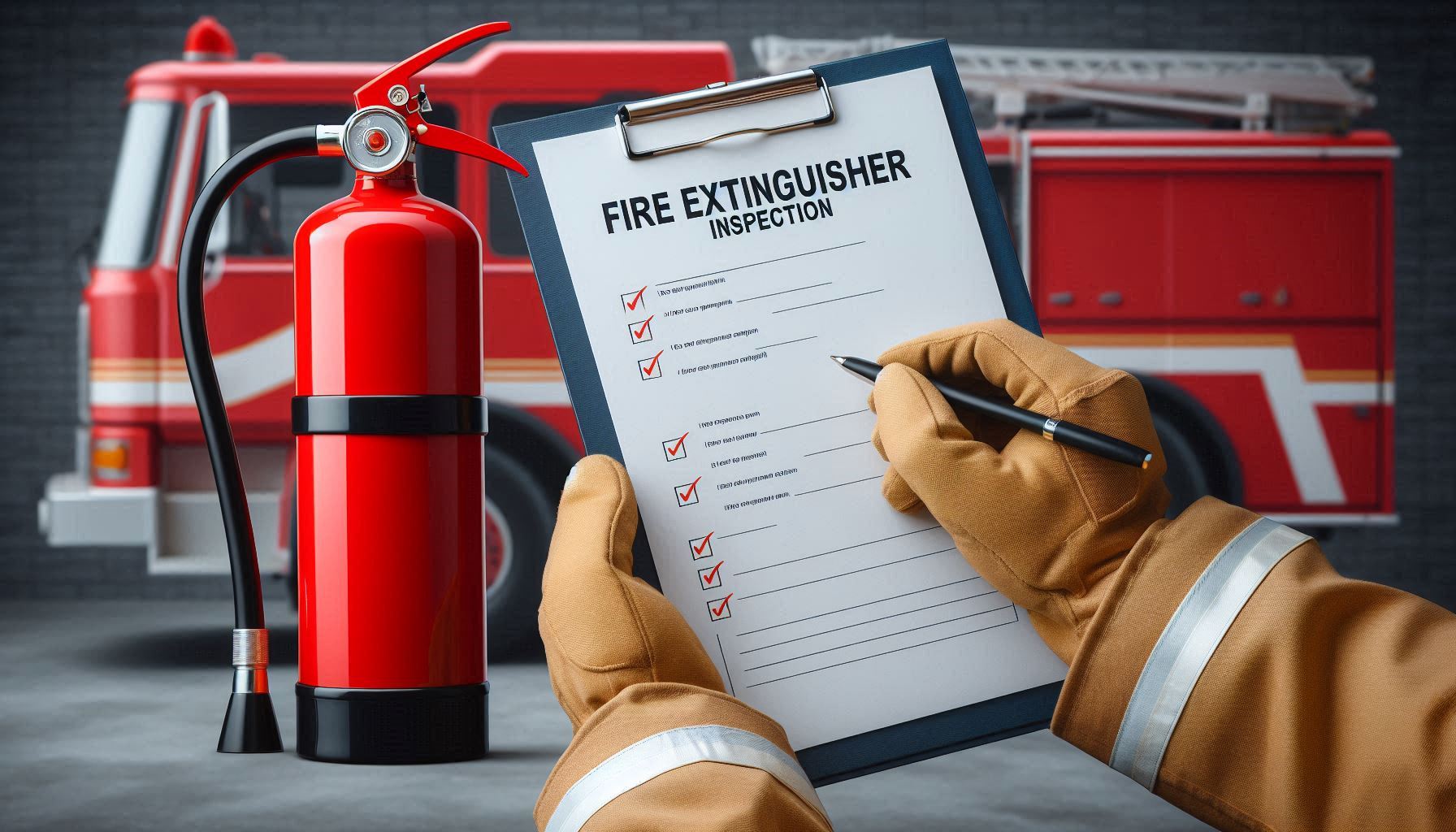
- Get extinguishers serviced on schedule and check the gauge and tag
- Include hands-on extinguisher practice in every fire drill at school, office or society
- Mount extinguishers near exits, so you face the fire with your way out behind you
- Teach everyone the rule: if in doubt, get out and call 101 or 112
Common unsafe practices
- Forgetting to pull the pin and wondering why nothing comes out
- Aiming at the flames instead of the base
- Standing too close and getting burnt
- Using water on an electrical or oil fire
- Fighting on when the fire keeps growing
- Keeping an extinguisher that has never been serviced
Leave a comment