
Case Study
What happened here
 1 / 4
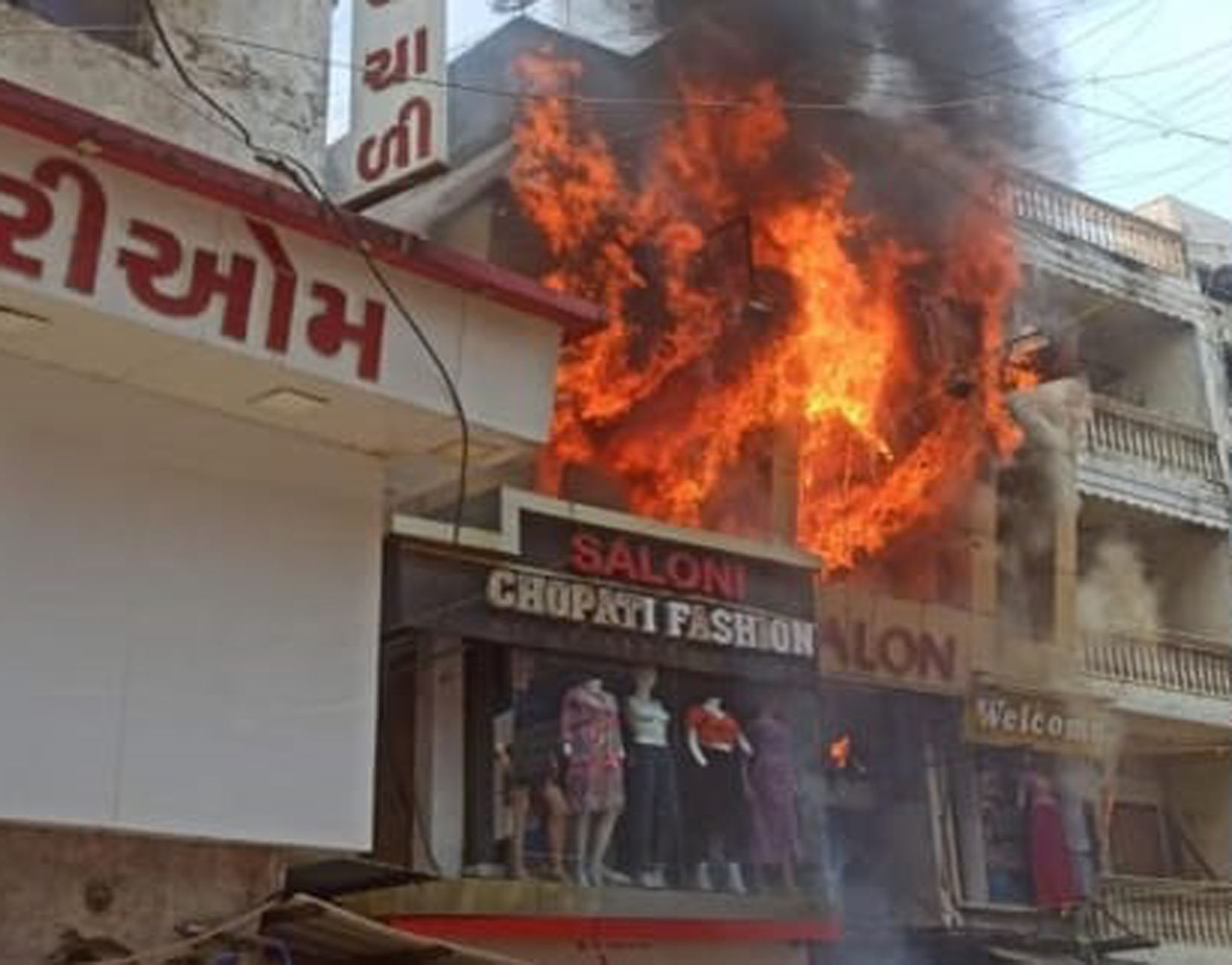
1 / 4 First visible fireAbout 11:45
First fire-service callAbout 11:55
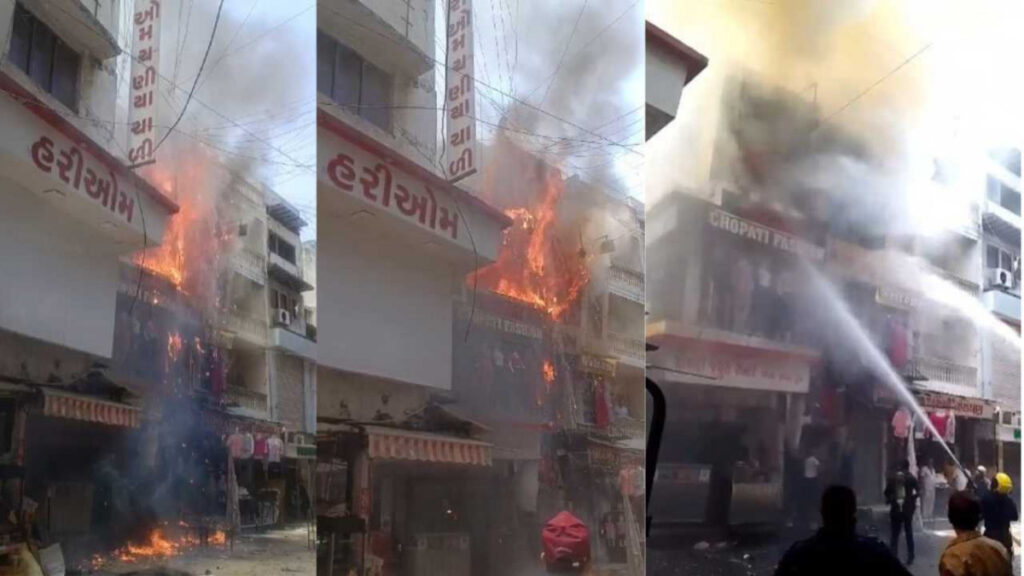
Fire-service arrivalAbout 12:00
Control reportedAbout 13:30
Appliances reportedNine from four stations
What we can say safely
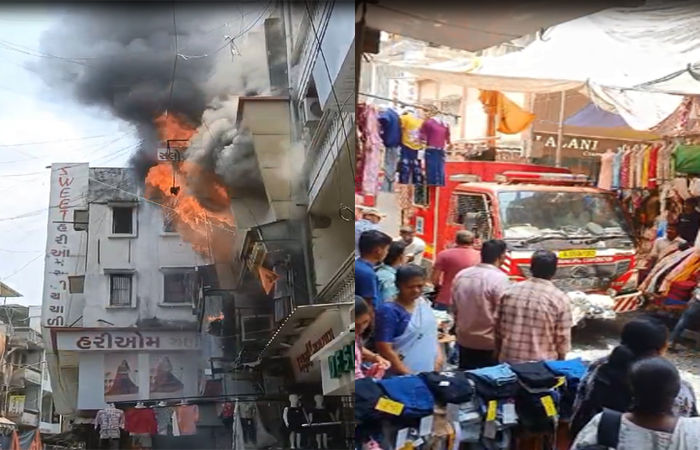
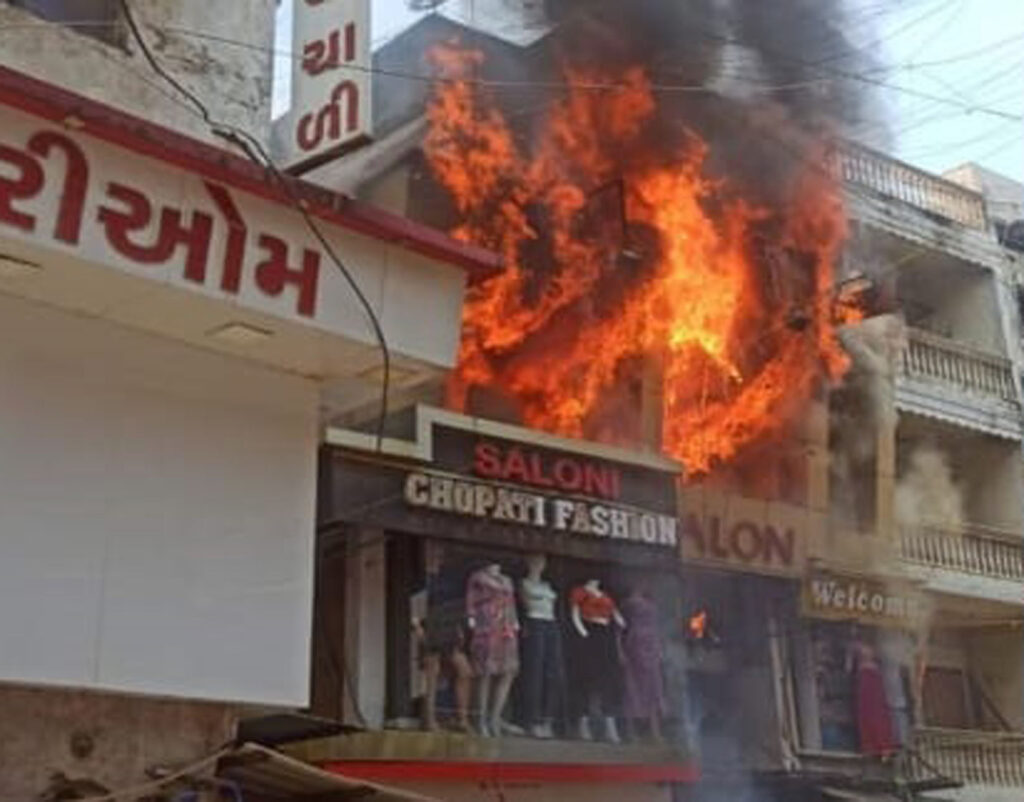
A garment-shop fire in Surat’s congested Chauta Bazaar showed how narrow lanes, encroachments, mixed occupancy and heavy combustible stock complicate urban firefighting.
- Electrical switches are turned on around 11:40
- Fire is noticed on the second floor around 11:45
- Surat Fire and Emergency Services receives a call around 11:55
- Crews reach the congested market around noon
- Fire is brought under control around 13:30
Why consequences escalated
- Dense combustible garment stock supported rapid fire growth
- Narrow lanes and encroachments restricted large-appliance access
- Mixed commercial and residential occupancy increased exposure
- Small response vehicles can be vital in historic market districts
- Electrical maintenance and isolation are critical in old commercial buildings
Failures and risk multipliers
- Operating without verifying occupancy, fire and building approvals
- Allowing combustible material or stock to compromise escape routes
- Locking, obstructing or reducing exits
- Failing to test alarms, emergency lighting and firefighting equipment
- Failing to train staff for immediate evacuation and emergency calls
People closest to the evidence
“Safety lesson”
Capacity, combustibility, warning, escape and emergency access must be verified together before occupancy.
Actions that reduce risk
- Compare actual occupancy and layout with approved plans
- Open and walk every exit to a safe assembly point
- Remove combustibles and storage from stairs and exit access
- Test alarms, emergency lighting and firefighting systems
- Train every shift and run a realistic evacuation drill
- Keep fire-service access clear and display the complete site address