
What happened here
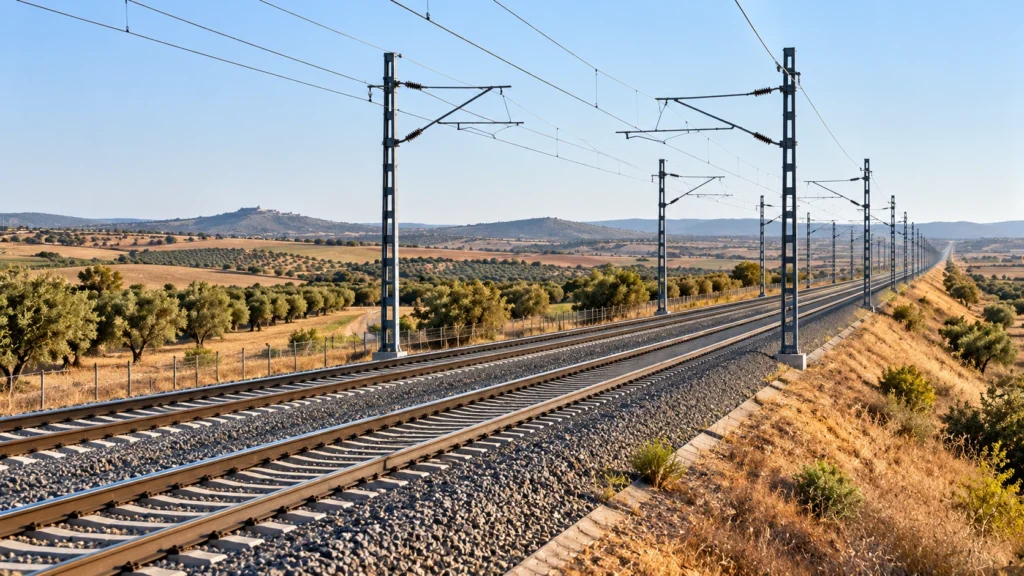
A Renfe AVE high-speed train carrying 397 passengers ran into the back of a stopped Iryo train with 147 on board near Urda, Toledo province, Spain, on the morning of 28 October 2026. Carriages were knocked off the track and some fell down an embankment. The toll has risen well past the 30 reported that morning. At least 68 people died and 77 were injured, according to the 112 service and the regional president, and officials expect the number of dead to rise. The transport minister says the LZB train-protection equipment at Urda suffered an outage at about 8.30 am and that, at 8.36 am, the Adif control centre in Madrid let the Renfe train resume at line speed although the Iryo train was still stopped ahead. He called that inexplicable. This is his preliminary account, not a formal finding. Updated 29 October 2026, 10 am IST.
Quick answers
What happened in the Spain train crash near Toledo?
A Renfe high-speed train ran into the back of a stopped Iryo train near Urda, Toledo province, on the Madrid-Seville line at 8.54 am on 28 October 2026. Two carriages derailed.
What is the Spain train crash death toll?
At least 68, according to the Castilla-La Mancha 112 service and the regional president as reported on 28 and 29 October. The transport minister gave 64 earlier on 28 October, and officials expect the toll to rise, with four bodies said to be still trapped. The 30 and the 46 to 50 of the morning are superseded.
What caused the Spain train crash?
There is no formal cause yet. The transport minister says the LZB train-protection equipment at Urda had an outage at about 8.30 am and that at 8.36 am the Adif control centre authorised the Renfe train to resume at line speed while the Iryo train was still stopped ahead, which he called inexplicable. Renfe says its train continued as instructed, and Adif has not confirmed the instruction. The CIAF and a court at Orgaz are investigating.
Where did the Spain train crash happen?
Between Los Yébenes and Urda in Toledo province, Castilla-La Mancha, on the Madrid-Seville high-speed line, south of Madrid.
How many people were injured in the Spain train crash?
77, according to the 112 service as reported on 29 October. ABC News says at least 15 are seriously injured and more than 50 are in hospital with lesser injuries, and the transport minister gave 50 earlier on 28 October.
What is Kavach and does it apply here?
Kavach is the anti-collision system Indian Railways is installing on its own network. Whether such a system could have changed this crash in Spain is not known.
Has anyone been blamed or charged?
No one has been charged. The Civil Guard has questioned the Adif control-centre operator who handled traffic, and the minister says the person who approved the resumption has been identified. The CIAF has not reported.
What happened
On the morning of Wednesday, 28 October 2026, two high-speed trains collided near the town of Urda in Toledo province, central Spain, on the line between Madrid and Seville. The toll has since risen. At least 68 people died, according to the Castilla-La Mancha 112 emergency service and the regional president as reported on 28 and 29 October, and officials expect it to go higher. A regional spokesperson told state broadcaster TVE that the two trains were running in the same direction, and that one ran into the back of the other, which had stopped. Two carriages were knocked off the track. Updated 29 October 2026, 10 am IST. This is still a developing story and the figures will change. The first version was written on the morning of 28 October, and the text below marks where later reports have replaced it.
The trains were a Renfe AVE, the state operator’s service from Madrid to Seville, and an Iryo train, run by a private company. The regional government says 397 passengers were on the Renfe train and 147 on the Iryo train, 544 people in all. Spanish media quoted by Al Jazeera say two carriages of the Iryo train fell down an embankment, and the news agency EFE, quoted by The Guardian, says at least three carriages derailed. The Guardian’s live blog says the Renfe train ran into the Iryo service ahead of it. The collision was at 8.54 am Spanish time, between Los Yébenes and Urda (La7; El Español).
The response
The mayor of Urda was asked by the civil protection authorities to prepare a sports hall for the injured. Spanish media report firefighters from nearby towns, three medical helicopters and two mobile intensive-care units at the scene, and Madrid sent its own emergency medical teams and firefighters. Madrid’s blood bank appealed for donors. The rail infrastructure manager ADIF suspended high-speed services between Madrid and Andalusia, and the Civil Guard sent a specialist disaster investigation team. Regional emergency and both train companies opened helplines for relatives. The military emergency unit UME sent about 100 personnel, the Civil Guard flew drones over the site, and Madrid city sent about 100 staff including 16 ambulances (El Español). Prime Minister Pedro Sánchez said he was shocked and in constant contact with Transport Minister Óscar Puente, who went to Adif’s control centre at Atocha in Madrid. Later on 28 October the minister gave a toll of 64 and set out a preliminary account of the cause, described below. The court at Orgaz is now investigating (Libertad Digital live blog). Spain declared three days of official mourning from Thursday to Saturday, Iryo cancelled all its Madrid-Atocha services on the southern corridor with no restart date, and Renfe offered free changes and cancellations (ABC News, The Olive Press).
Where the reports disagree
- The death toll: The first reports said 10. The regional government then confirmed 30, and at 12.43 pm Spanish time the Castilla-La Mancha 112 emergency service was still giving 30 (Libertad Digital live blog). That is also the figure The Guardian, Al Jazeera, CBS News and Euronews use. Higher numbers are circulating: a provisional civil protection figure of 46 and then about 50 (La7, El Español), and 39 earlier in the day (Sky News, 112). Euronews carries the local report of 46 and says it is unconfirmed. The regional president, Emiliano García-Page, said the toll is expected to rise as teams search the wreckage for more bodies (El Español). By the evening the count had passed all of those. The transport minister gave 64 dead at about 4 pm Spanish time (Railway Gazette), and ABC News and El Constitucional give at least 68. The 112 service figure is the one we now use, and it may still rise, with four bodies reported trapped on 29 October (IBTimes Australia). The earlier figures of 30, 46 and 50 are superseded. Be careful, because 46 is also the toll of the January 2026 crash at Adamuz, and some headlines may have mixed the two.
- The injured: No count is agreed. The 112 service says about 100 (Libertad Digital). Civil protection figures reported by La7 and El Español are 139 and more than 179, and News18 carries 179. García-Page described about 30 lightly hurt, about 50 in an intermediate condition and some at high risk, and said he expects further deaths among them (El Español). No count of the seriously injured was published that morning. Later reports are firmer. The 112 service puts the injured at 77 (IBTimes Australia, 29 October), and ABC News says at least 15 are seriously injured and more than 50 are in hospital with lesser injuries. The minister gave 50 injured earlier on 28 October, so the figures still differ by source.
- The January crash toll: The Guardian says 46 were killed at Adamuz and 152 injured. CBS and Al Jazeera say 45 died. We have not settled this; it does not change the facts of today’s crash.
- Time and place: 8.54 am Spanish time (La7; Demócrata), on the Madrid-Seville line between Los Yébenes and Urda, at kilometre point 118 (El Español). Earlier reports said about 9 am near Urda; they describe the same crash. Demócrata names the trains as AVE 2080 and Iryo 6076.
What is not known
No formal cause has been stated, but the picture is clearer than it was on the morning of 28 October. The transport minister’s preliminary account, reported by Railway Gazette, EUalive and ABC News, is that the LZB train-protection equipment at Urda suffered an outage at about 8.30 am and trains on the section stopped. At 8.36 am the Adif control centre in Madrid authorised the Renfe train to resume at line speed while the Iryo train was still stopped ahead. He called that decision inexplicable and said an on-sight limit of 40 km/h should have applied. Renfe says its train continued as instructed (IBTimes Australia), and Adif has not publicly confirmed the instruction or assigned responsibility. Why the Iryo train stayed stopped for so long is still unclear. Spanish outlets cite unnamed sources. Sources in the Transport Ministry say the AVE reached the stopped Iryo from behind. El Español, citing sources close to the inquiry and to Renfe’s management, gives as the main hypothesis a failure in the track safety system combined with human error, with the AVE running under a fallback signalling mode because of a fault in the LZB train-protection system. Other reports raise a signal passed at red. The minister’s account is preliminary and is not a formal finding. The rail accident investigation commission, the CIAF, now leads the technical inquiry, with Civil Guard agents supporting it, and the Civil Guard has questioned the Adif operator who handled traffic that morning (El Constitucional). The minister says the person who approved the resumption has been identified. Whether the operator was questioned as a witness or a suspect is not stated, and no one has been charged. One passenger told public broadcaster RTVE that his Renfe train stopped briefly for a few minutes shortly before the crash, with the reason given as heavy traffic in the area, and then moved off and hit the other train hard. That is one passenger’s account, not a finding. The Guardian reports that investigators will look at the driver’s reactions and the working of the signalling system. We still do not know the speed at impact, who was in the front carriages, or why the Iryo train waited so long. One report suggests the Renfe train may have been doing up to 200 km/h, but officials have not confirmed any figure. Nothing here is a finding against anyone.
Why a case on a Spanish rail crash
This is a major international rail disaster and the second deadly high-speed crash in Spain this year. For readers in India it raises the same question that Indian Railways has been asking for years: what stops a moving train from running into one that has stopped? Indian Railways is fitting its own automatic train protection system, Kavach, that is designed to slow or stop a train that is about to reach another on the same track. Whether any such system could have changed what happened near Urda is not known, and this article does not claim it.
What you can do
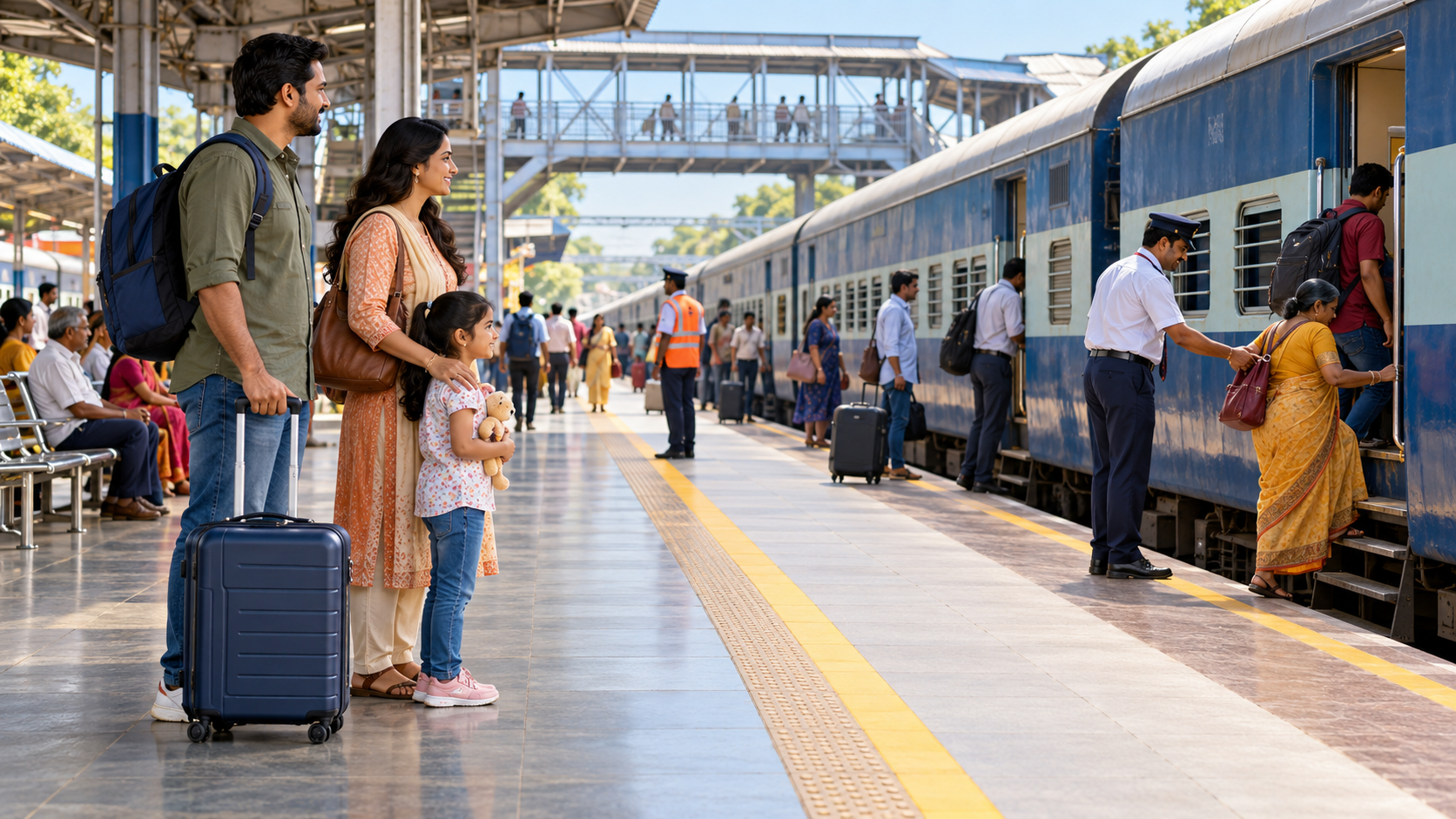
- On any train: note where the nearest exit and emergency window are as soon as you sit down, keep your belongings small and your path to the door clear, and listen to the crew. Our railway platform emergency plan covers the station side.
- If your train stops suddenly in the open: stay where you are unless the crew tell you otherwise, and keep away from the doors that open on to the track. After any impact, get away from the line only when it is safe, and never walk on tracks or touch overhead wires or fallen cables.
- If you have family on the trains: use the official helplines the Spanish authorities and the operators have published, not social media lists, which can carry false names and numbers.
- Railway authorities: the questions raised by two crashes in nine months on the same operators and corridor are about signalling, speed control and maintenance. The inquiry will say what applies; we do not yet know.
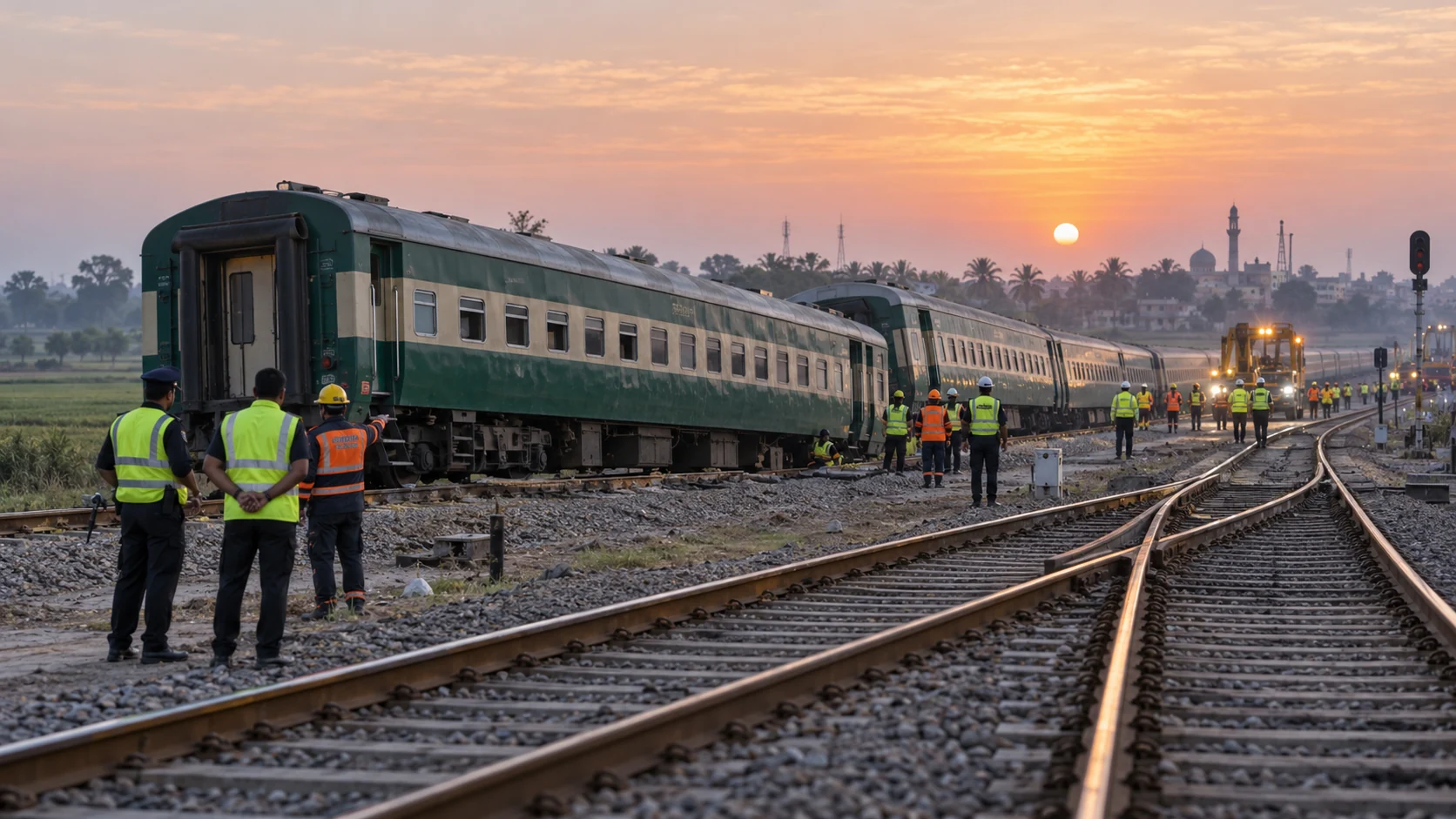
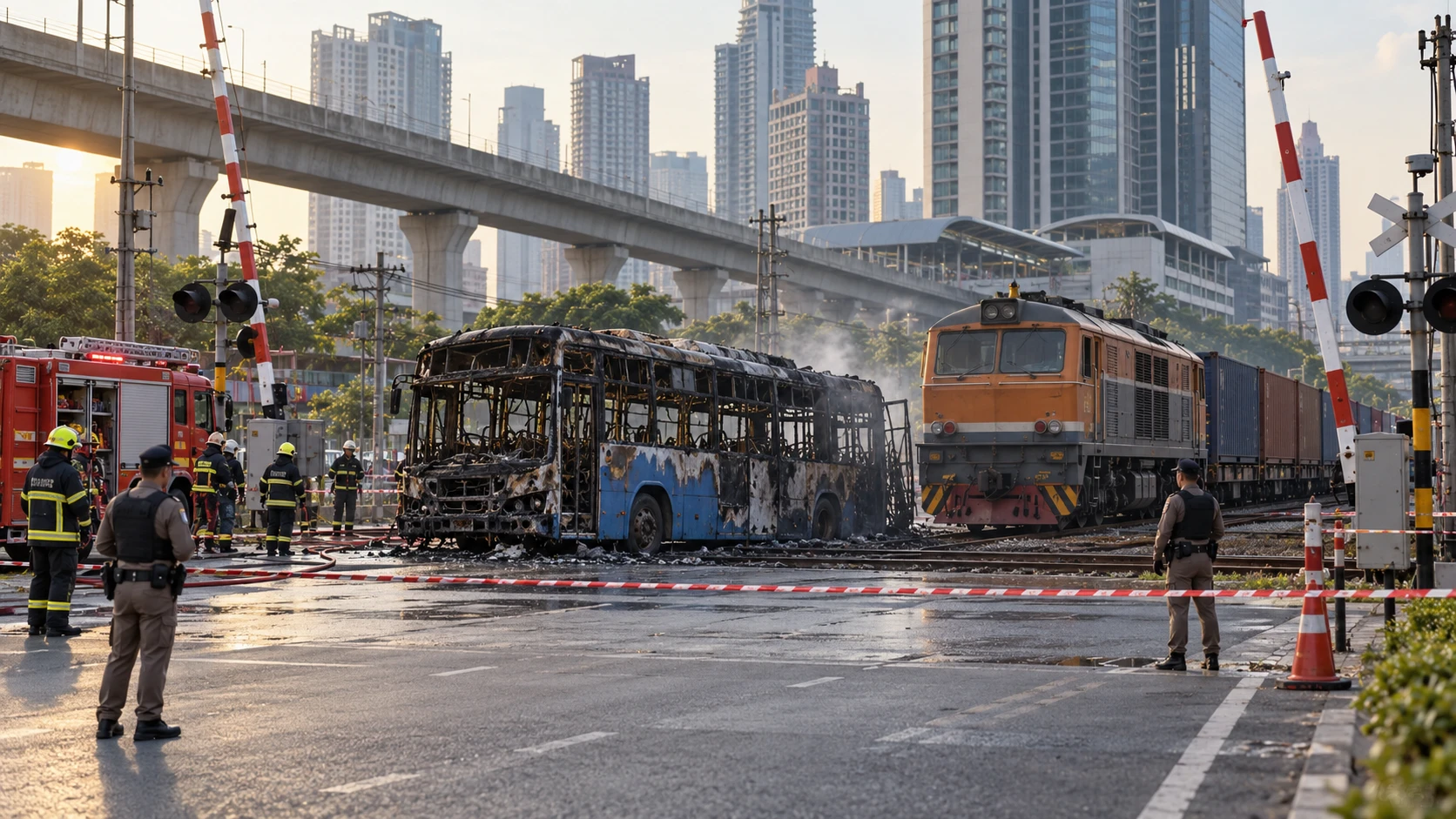
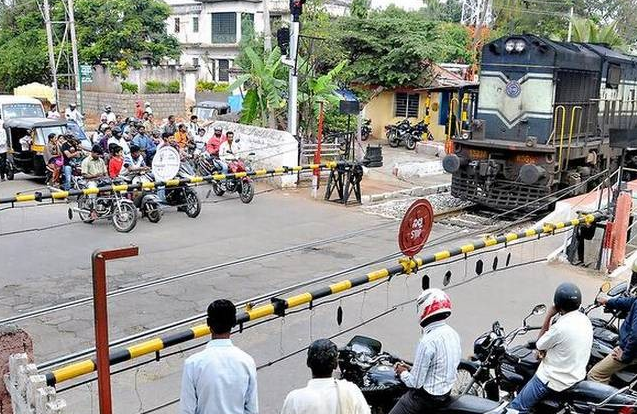
We have covered similar rail disasters, including the Rahman Baba Express derailment near Multan and the Bangkok level crossing crash. See also our guide to railway level crossing safety in India.
- Two high-speed trains collide near Urda, Toledo province, on the Madrid-Seville line
- Regional government says at least 10 dead and warns the toll may rise
- Regional government confirms at least 30 dead; sports hall in Urda prepared for the injured
- ADIF suspends high-speed services between Madrid and Andalusia; the Civil Guard sends a disaster investigation team
- Civil protection provisional figures reported by Spanish outlets: 46, then about 50 dead, and 139 to more than 179 injured; unconfirmed
- The Castilla-La Mancha 112 service still gives 30 dead and about 100 injured
- García-Page expects the toll to rise as teams search the wreckage; about 100 UME personnel and Civil Guard drones at the site
- No official cause; rescue and recovery still on when checked
- The LZB train-protection equipment at Urda suffers an outage and trains stop on the section, according to the transport minister
- The Adif control centre in Madrid authorises the Renfe train to resume at line speed while the Iryo train is still stopped ahead, according to the transport minister
- The transport minister gives the toll as 64 dead and 50 injured (Railway Gazette); ABC News and El Constitucional later give at least 68 dead
- The Civil Guard questions the Adif control-centre operator who handled traffic, as part of the CIAF inquiry (El Constitucional, citing Europa Press)
- The 112 service puts the injured at 77, with four bodies said to be still trapped in the wreckage (IBTimes Australia, 1.35 pm Sydney time)
Why consequences escalated
- A Renfe high-speed train ran into the rear of a stopped Iryo train near Urda on the Madrid-Seville line.
- At least 68 people died according to the 112 service and the regional president, 77 were injured, and the toll may still rise.
- Two carriages derailed, and some fell down an embankment.
- No formal cause is stated. The transport minister's preliminary account is that the Adif control centre let the Renfe train resume at line speed after a signalling-equipment outage while the Iryo train was still stopped ahead. One passenger says the Renfe train had stopped briefly for traffic ahead and then moved off.
- It is the second deadly high-speed crash in Spain this year, after the January crash at Adamuz.
Failures and risk multipliers
- No formal finding of fault has been made. The transport minister calls the control-centre order inexplicable, but the CIAF has not reported, and Adif has not confirmed the instruction. The Renfe train reached the back of a stopped train, and why the Iryo train was stopped for so long is what the inquiry has to establish.
- An account from one passenger that the train stopped for "heavy traffic" and then moved off is not an official finding.
- Some reports mixed the January Adamuz toll of 46 with today's; the confirmed figure is the regional government's.
- Early reports of a signalling fault and human error, from unnamed sources, are now partly echoed by the transport minister's account of an equipment outage and a control-centre order. His account is preliminary and is not an official finding.
Actions that reduce risk
- Know where the nearest exit and emergency window are as soon as you sit on any train.
- If the train stops suddenly in the open, stay seated unless the crew say otherwise.
- After an impact, get away from the track only when safe, and never touch overhead wires or fallen cables.
- Relatives should use the official helplines, not social media lists.
- Follow the official inquiry for the cause and any safety changes.
Leave a comment