How To SurviveLife-Safety Intelligence for IndiaEmergency Guide
Home / Case Study / 🔥 Case Study: Bhiwandi Paper Factory Fire, Maharashtra – October 2025
Case Study · Ready For Review

🔥 Case Study: Bhiwandi Paper Factory Fire, Maharashtra – October 2025

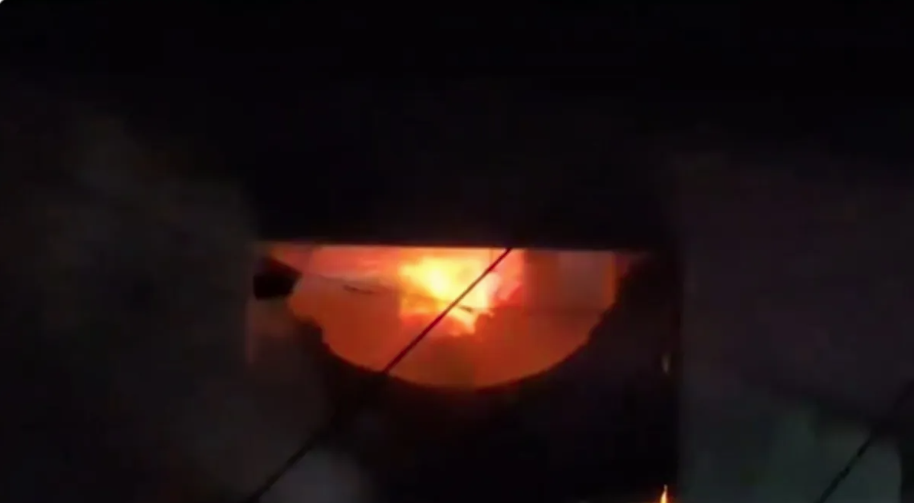
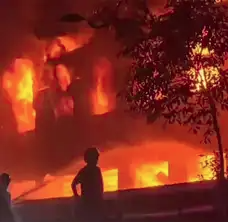
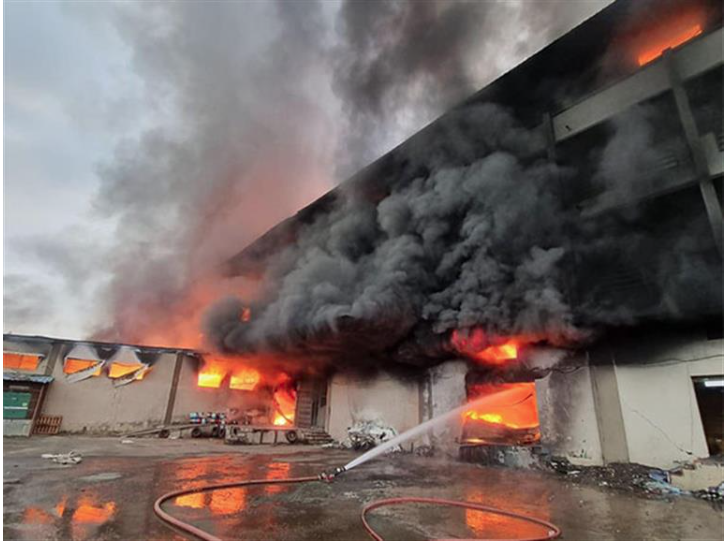
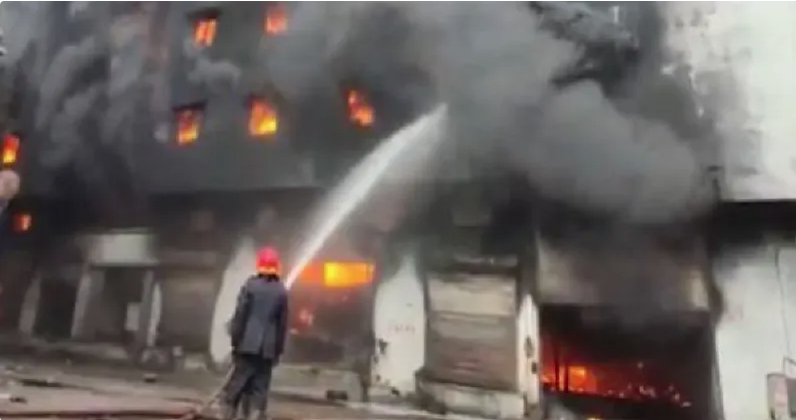
A large fire in a paper/packaging occupancy in Bhiwandi demonstrated the extreme fuel load, deep-seated burning and access problems associated with paper stock and dense industrial areas.

DateOctober 2025LocationBhiwandi, Thane district, Maharashtra, India
01
Case Study

What happened here
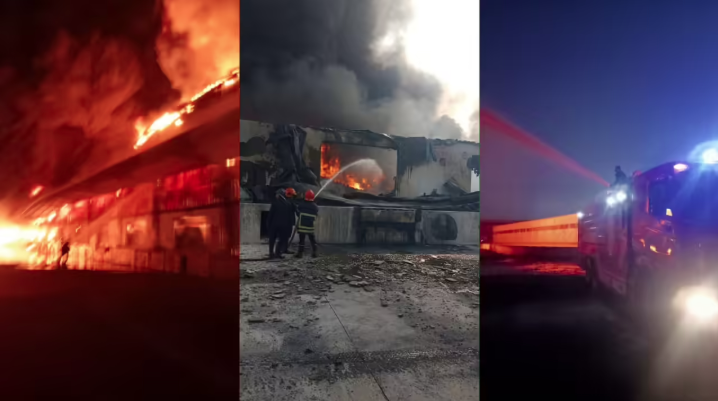
Primary fuelPaper and packaging stock
Incident periodOctober 2025
Industrial areaBhiwandi/Thane
Human casualtiesNone confirmed in retained source set
Incident images5

What we can say safely

A large fire in a paper/packaging occupancy in Bhiwandi demonstrated the extreme fuel load, deep-seated burning and access problems associated with paper stock and dense industrial areas.

  1. Paper or packaging stock ignites inside the industrial occupancy
  2. High fuel load produces heavy flame and smoke
  3. Stacked material hampers water penetration
  4. Crews open up stock and protect adjoining premises
  5. Hot spots require continued checking for re-ignition

Why consequences escalated

  • Paper stock creates high fire load and concealed burning
  • Storage height and aisle width control hose access
  • Automatic sprinklers need unobstructed discharge and adequate water
  • Compartmentation limits spread to adjoining units
  • Bhiwandi congestion makes fire-service access a design constraint

Failures and risk multipliers

  • Allowing ignition work near fuel or vulnerable occupants
  • Failing to maintain alarms, pumps, suppression and protected exits
  • Relying on one escape or external rescue
  • Failing to provide responders with accurate hazard information
  • Leaving defects open without an accountable owner

People closest to the evidence

“Safety lesson”

Detection, maintained systems, protected escape and accurate emergency information must work together.

Actions that reduce risk

  1. Test alarms, pumps and emergency lighting
  2. Walk every exit to open air
  3. Separate hot work from combustible or flammable material
  4. Confirm assisted-evacuation roles
  5. Keep responder access clear
  6. Record defects with owners and deadlines
02
Watch & learn

Playable video library

Captions
Official guidance

Fire Safety

Bureau of Indian Standards · Hindi/English

Building fire-safety overview

03
Incident data

The broader evidence

Survival sequence

  1. Raise the alarm and call 112
  2. Use the nearest safe stair, not an ordinary lift
  3. Stay low beneath smoke and close doors
  4. Move upwind from chemical smoke
  5. Report at the assembly point
  6. Never re-enter
5Incident imagesExisting WordPress gallery
0Confirmed human deathsRetained source set
1Dominant fuel classPaper/packaging solids
October 2025Incident periodLegacy post record
5Incident imagesExisting WordPress gallery
0Confirmed human deathsRetained source set
1Dominant fuel classPaper/packaging solids
October 2025Incident periodLegacy post record

Limitations

  • Contemporary totals may change during inquiry. Unresolved causation is described as reported or preliminary.

Immediate actions

  • Test the alarm
  • Open all exits without special knowledge
  • Remove combustibles from escape routes
  • Display 112 and full address
  • Check pumps, hydrants and extinguishers
  • Practise the emergency plan
Sources and further readingHowToSurvive.in legacy incident record ↗BIS: National Building Code of India 2016 ↗Last reviewed 2026-09-01