
Case Study
What happened here
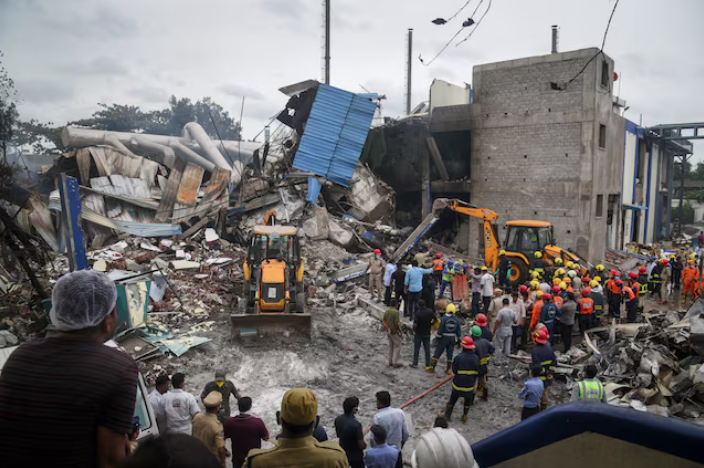
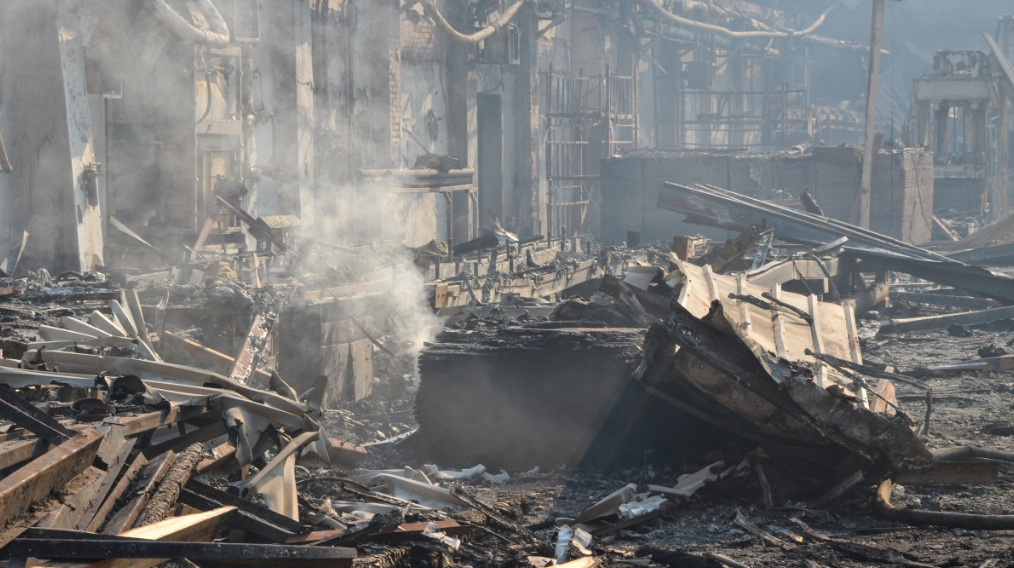
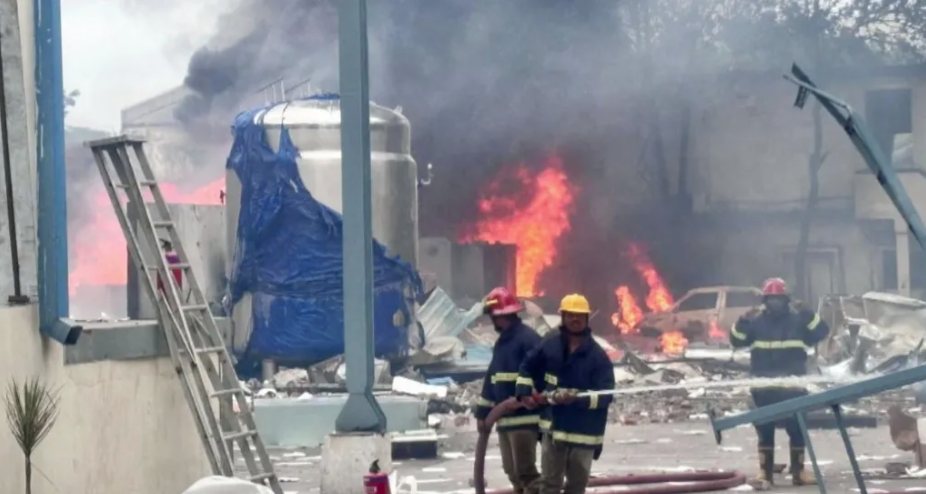 1 / 3
1 / 3 Lives lost in later High Court reporting54 including 8 missing
Initial official count on 1 July44 dead
People working at time, early state report143
Process areaMCC drying/spray-dryer unit
Hazard type indicatedCombustible dust explosion
What we can say safely
A catastrophic explosion in Sigachi Industries’ microcrystalline-cellulose process killed dozens of workers; later court reporting counted 54 lives lost including eight missing.
- Microcrystalline cellulose processing is active
- Pressure/temperature or airflow control deteriorates
- Fine combustible material ignites in confinement
- Building damage traps and injures workers
- NDRF/SDRF, fire and police respond; government panels investigate
Why consequences escalated
- Fine organic powder can create a dust-explosion pentagon
- Temperature, airflow, pressure alarms and interlocks are critical safeguards
- Production increases require management of change and structural reassessment
- Housekeeping and explosion isolation limit propagation
- Worker accounting must immediately identify missing people
Failures and risk multipliers
- Failing to separate ignition hazards from vulnerable people or combustible stock
- Relying on a single escape route
- Allowing alarms, suppression or electrical protection to remain unverified
- Failing to plan for people who need assistance
- Delaying emergency notification or responder access
People closest to the evidence
“Safety lesson”
The actual occupied condition—not the approval file—determines whether people can detect, escape and survive a fire.
Actions that reduce risk
- Inspect electrical and process hazards
- Test alarms, emergency lighting and suppression
- Walk every exit to open air
- Plan assistance for children, patients and disabled occupants
- Keep fire-service access and water points clear
- Run a realistic drill and close recorded defects