
Quick answers
Why does the community matter in an emergency?
Neighbours are on the spot long before outside help. Together they can pool supplies and skills, pass on warnings fast, look after elderly and disabled residents and families with small children, and recover faster afterwards.
How can a housing society prepare for emergencies?
Hold a meeting with the committee and, if possible, the local fire station or civil defence. Make a simple plan with routes, an assembly point, shelters and emergency numbers, then run drills and arrange first-aid and CPR training.
How can neighbours share emergency warnings quickly?
Set up a phone tree or society WhatsApp group, with a backup such as a PA system, hand siren or loudspeaker for when power or mobile signal fails. Pass on only official warnings.
How can a community help vulnerable residents in a disaster?
Keep a private list of residents who may need extra help, such as elderly people living alone, bedridden patients, people with disabilities and families with infants, and give each one a named neighbour who checks on them first.
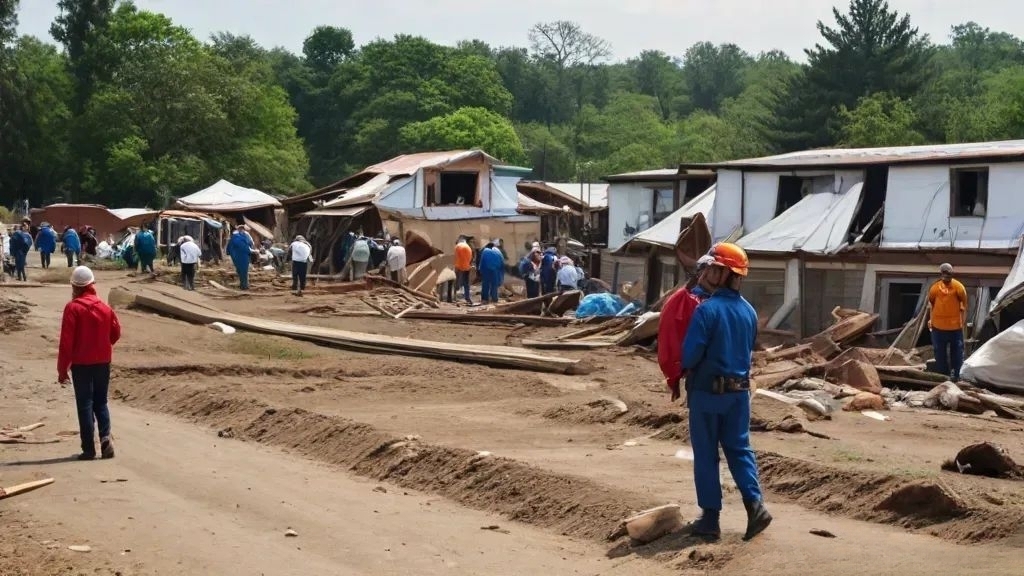
When a fire breaks out in a society, flood water enters a basti, or a cyclone warning comes on the radio, the first people on the spot are not the fire brigade or the NDRF. They are the neighbours. The watchman who spots the smoke, the aunty next door who knows the old man upstairs lives alone, the youngsters who run for water and torches. In that first hour, a prepared community can save more lives than any team coming from outside.
Why the community matters
- Shared supplies and skills. A colony or society can pool first-aid kits, torches, ropes and a generator, and it usually has people with useful skills: a doctor, a nurse, an electrician, an ex-serviceman.
- Local knowledge. Residents know which lane floods first, where the wiring is old, which building has no second staircase and who cannot manage stairs.
- Fast warnings. A WhatsApp group or a phone tree can carry an official alert to every house in minutes.
- Looking after each other. Neighbours can check on elderly people, people with disabilities and families with small children. A familiar face is a big comfort when things are frightening.
- Getting back on your feet. After the emergency, people who already work together clean up, share food and rebuild faster.
How to prepare your society, colony or village
1. Meet and decide who does what
Call a meeting of the RWA, society committee or panchayat. Invite someone from the local fire station, the police beat officer, the ward office or a civil defence volunteer if you can. Decide who will lead in an emergency, who will warn others and who will call for help.
2. Make a simple community plan
Write down the hazards your area actually faces: fire, flood, cyclone, earthquake, heatwave or gas leak. For each one, note the evacuation routes, a safe assembly point, the nearest shelter, school or community hall, and the important numbers: 112 for any emergency, 101 for fire, 108 for an ambulance and 1906 for an LPG leak. Give a copy to every household and put it up at the gate and on the notice board.
3. Know which neighbours need help
Make a list of residents who may need extra help, and let only the committee keep it. Include elderly people living alone, bedridden patients, people with disabilities, pregnant women and families with infants. Give each of them a named neighbour or volunteer who will check on them first.
4. Set up a warning network
Use a society WhatsApp group, a phone tree, the building’s PA system, a hand siren or the loudspeaker at the local mosque, temple or gurdwara. Plan a backup for when the power or the mobile network goes. Pass on only official warnings from IMD, the district administration or the State Disaster Management Authority, and stop rumours in their tracks.
5. Train and practise
Hold a fire evacuation drill in your building at least once a year, and drills for the other hazards your area faces. Arrange first-aid and CPR training through a recognised trainer, a hospital or the local fire service. Make sure the society’s fire extinguishers and hydrants work, and that a few people know how to use them.
6. Keep supplies ready
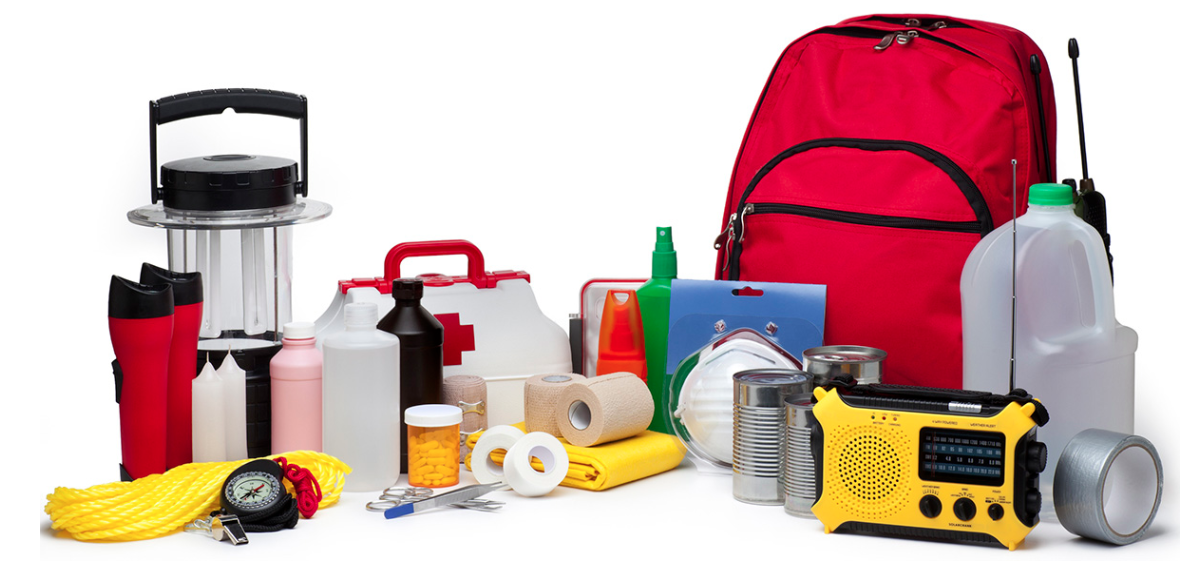
Encourage every household to keep an emergency bag with drinking water, dry food, medicines, copies of documents, a torch, a power bank and a first-aid kit. The society can also keep a common store with stretchers, ropes, extra torches and a first-aid box.
7. Work with the authorities
Your community plan should fit with the official one. NDMA and your State Disaster Management Authority publish guidelines for different hazards, and the district disaster management authority knows the local shelters and warning systems. During an emergency, follow their instructions.
What it looks like in practice
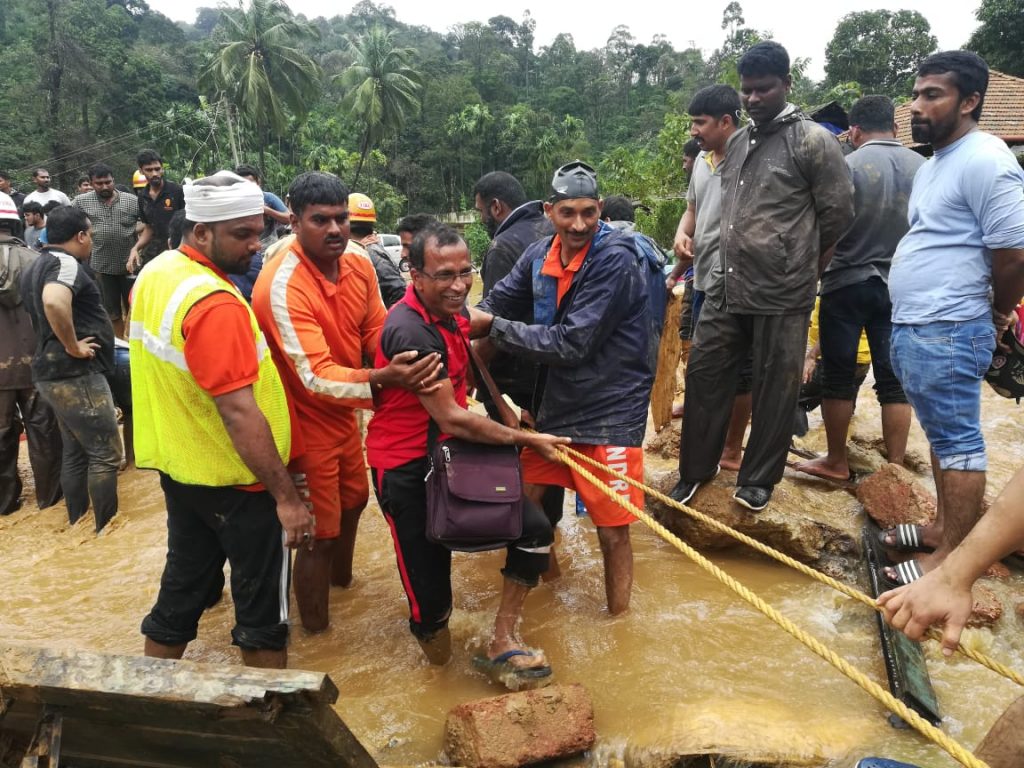
In the 2018 Kodagu floods in Karnataka, local people rescued stranded neighbours, opened their homes, shared food and medicines, and used social media to coordinate help. When Cyclone Fani hit Odisha in May 2019, about 12 lakh people were moved from low-lying areas to nearly 4,000 shelters, according to the NDRF figure reported at the time. Early warnings and local networks made that possible.
This week, ask your society secretary or RWA one question: if a fire broke out at 2 am, who would wake the people on the top floor? If there is no answer, call that meeting.
What needs attention
- Neighbours are usually the first responders, in the minutes before outside help arrives
- Local knowledge, such as which lane floods or who lives alone, is something outside teams do not have
- Fast, trusted warnings depend on a network set up before the emergency, with a backup when power or mobile signal fails
- Elderly people, people with disabilities and families with infants are most at risk if nobody is assigned to check on them
- Rumours spread as fast as warnings; passing on only official alerts saves confusion
- Communities that plan and practise together also recover faster after a disaster
Controls that reduce risk
- Call a meeting of the society, RWA or panchayat and invite the local fire station, police or civil defence
- Write a simple plan for the hazards your area actually faces, with routes, assembly points and shelters
- Put 112, 101, 108, 1906 and the society security number at the gate and on the notice board
- Make a private list of residents who need extra help and give each one a named helper
- Set up a warning network with a backup that works without power or mobile signal
- Hold fire evacuation drills and arrange first-aid and CPR training
- Check that society fire equipment works and that some residents know how to use it
- Encourage every household to keep an emergency bag ready
- Align your plan with NDMA and state disaster management guidance and review it every year
Common unsafe practices
- Assuming the fire brigade or the government will handle everything
- Having a WhatsApp group but no plan, no roles and no backup when the network is down
- Forwarding unverified messages and rumours during an emergency
- Forgetting residents who live alone, are bedridden or have a disability
- Never holding a drill, so nobody knows the routes or the assembly point
- Keeping society extinguishers and hydrants that nobody has checked or knows how to use
- Making a plan once and never updating it when people move in or out
Leave a comment