
Quick answers
What went wrong in the Takshashila fire?
The building had no working fire alarms, extinguishers or sprinklers, too few exits and staircases, and wooden partitions and banners that burnt fast. Rescue was slow. 22 people died, most of them students.
What should parents check at a coaching centre?
Two separate ways down from the classroom floor, working extinguishers, doors and grilles that open from inside, nothing stored on the stairs, and a fire NOC or fire audit where local rules need one.
What should a coaching centre owner do about fire safety?
Get the building's fire safety approved and audited, keep exits and stairs clear and unlocked, take out flammable partitions and decorations, train the staff and hold an evacuation drill every term.
What should students do if a fire starts during class?
Leave at once by the nearest safe staircase, never take the lift, stay low under smoke, do not go back for bags, and call 101 or 112 once outside.
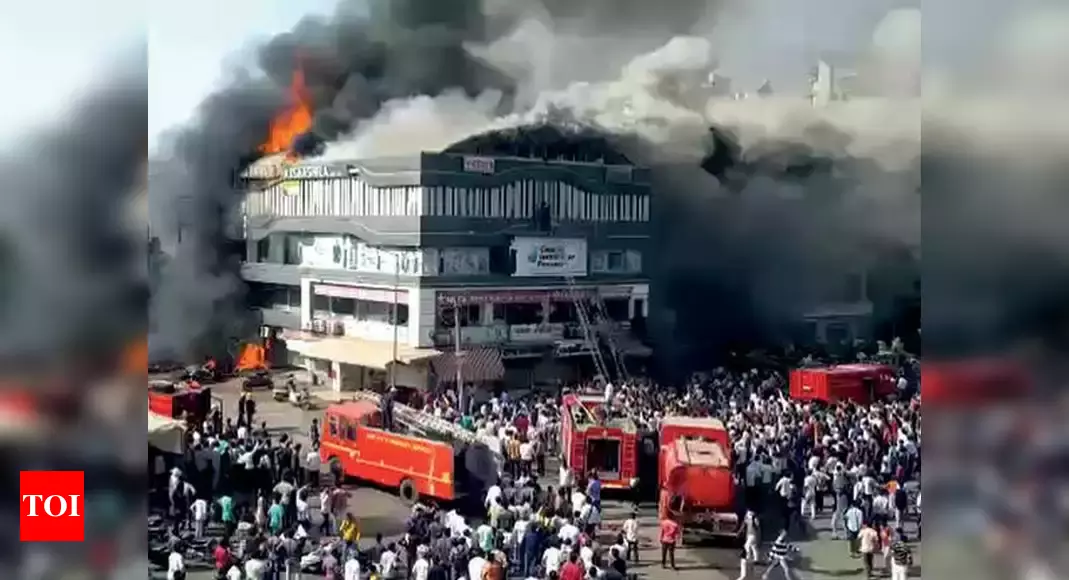
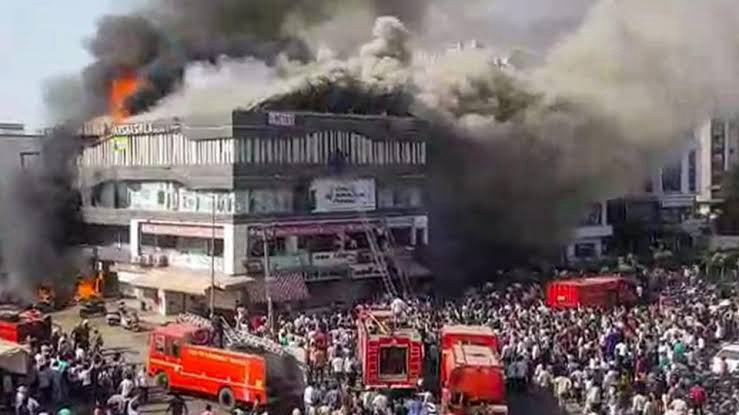
If your child goes to a coaching class, or you run one, remember the Takshashila fire in Surat. On 24 May 2019, fire broke out at Takshashila Arcade in Sarthana, and 22 people died, most of them students attending a class on the top floor. Early reports put the toll at 19 to 20; it rose as injured students died in hospital.
Many of those students had nowhere to go but out of the window. Below is what went wrong, and the checks parents and coaching-centre owners can make before the next class.
What happened at Takshashila Arcade
Takshashila Arcade was a commercial building with a coaching class on its upper floors. Early reports differed on where the fire began. Some said a studio on the second floor, others the staircase area after a reported short circuit. Either way, it climbed fast. Wooden partitions, flex banners and other material that burns easily carried it up the building. Students on the top floor were trapped because there was no safe second way down.

What went wrong
No working fire equipment
The building did not have working fire alarms, extinguishers or sprinklers. Nobody got an early warning, and nobody had a chance to stop the fire while it was small. Any building where a large group sits together, a classroom above all, needs these in working order.
Too few ways out, and too much that burns
The building did not have enough exits or staircases. Wood and other flammable material were used widely in the fit-out. Following the fire rules when a building is designed and fitted out, and choosing materials that do not burn easily, takes away much of the risk before anyone walks in.
Slow rescue and no trained staff
Fire engines and rescue teams were slow to reach the trapped students, and there was nobody trained to manage the evacuation. A fast emergency response and regular drills are what turn a fire into an escape instead of a tragedy.
What should change
- Regular fire safety audits. An audit picks up hazards before a fire does. Commercial buildings and coaching centres should be audited as a rule, not after an accident.
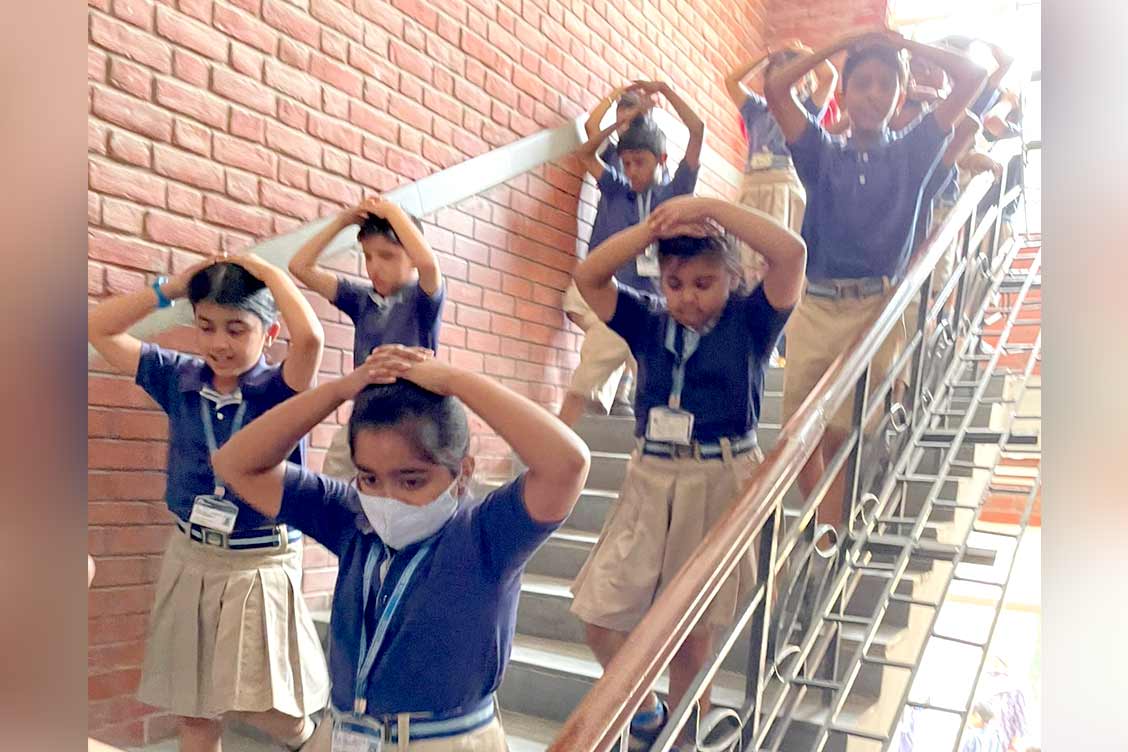
- Evacuation plans that are practised. A plan on paper is not enough. Students and staff should walk the escape route in drills.
- Building rules that are enforced. Authorities need to check that buildings follow the fire rules and penalise those that do not.
- Fire safety taught in school. Children who have learnt what to do in a fire are calmer when it happens. Public awareness drives help adults too.
- Working equipment, checked often. Alarms, extinguishers and, where required, sprinklers must be fitted and checked on a schedule.
What parents and coaching-centre owners can check
Many coaching classes run on the upper floors of ordinary commercial buildings. Before your child joins one, or before you open one, go through these checks.
- Count the ways down. There should be two separate staircases from the classroom floor, not a single narrow or wooden stair.
- Look for the equipment. Extinguishers should be on the wall with the gauge in the green and the seal intact, and someone on the staff should know how to use them.
- Check the exits. Doors and grilles must open from inside without a key during class hours, and nothing should be stored on the stairs.
- Look at what the room is made of. Wooden partitions, foam, thermocol, flex banners and false ceilings burn fast and give off thick smoke.
- Ask two questions. Does the building have the fire NOC or fire audit that local rules require, and when was the last evacuation drill?
- Owners: train every teacher to raise the alarm, get students out and count heads outside, and practise it every term.
Do this before the next class
Next time you drop your child off, walk up the stairs yourself. Look for the second staircase, a working extinguisher and anything piled on the steps. Then talk to your child: if they see smoke, they leave at once, without their bag, and they never take the lift. Save 101 and 112 in their phone too.
What needs attention
- The fire killed 22 people, most of them students at a top-floor coaching class
- Flex banners, wooden partitions and other combustible material carried the fire up the building
- Students on the top floor had no safe second way out, so many jumped
- The building lacked working alarms, extinguishers and sprinklers
- Fire engines and rescue teams were slow to reach the trapped students
Controls that reduce risk
- Parents: ask the coaching centre to show you both exits and its fire NOC
- Owners: keep stairs free of banners, furniture and stored material
- Fit and maintain alarms, extinguishers and emergency lights
- Hold a fire drill every term and make sure each teacher knows their role
- Authorities: inspect coaching centres and act on unauthorised additions
- Make sure a fire engine and ladder can reach the building
Common unsafe practices
- Running a coaching class in a space without approved, separate exits
- Lining stairs and walls with banners, flex and wooden partitions
- Relying on one staircase from the upper floors
- Having no working alarm, extinguisher or trained staff
- Never holding a drill, so nobody knew what to do
- Treating a fire NOC as paperwork instead of a check of real conditions

Leave a comment