
What happened here
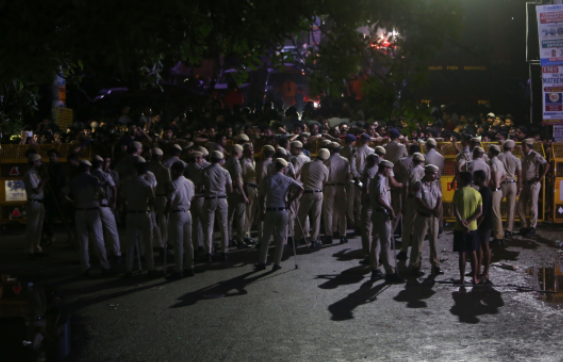
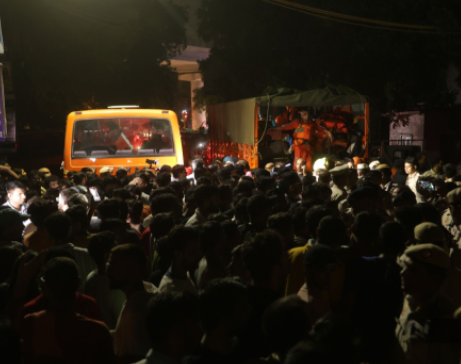
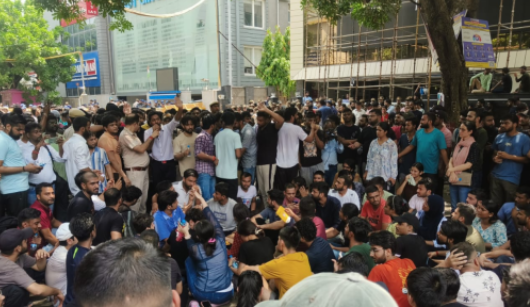


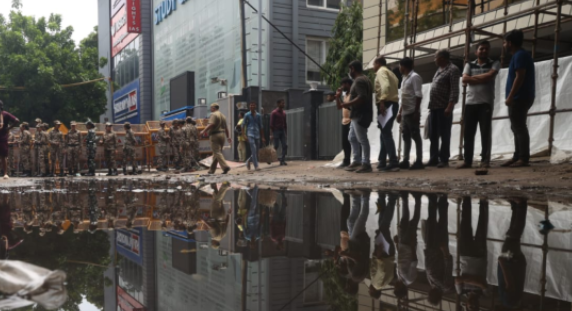
 1 / 15
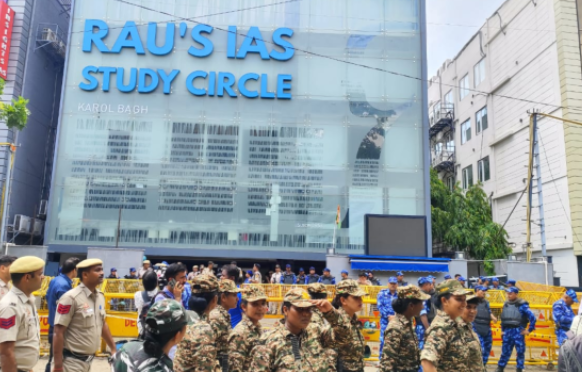
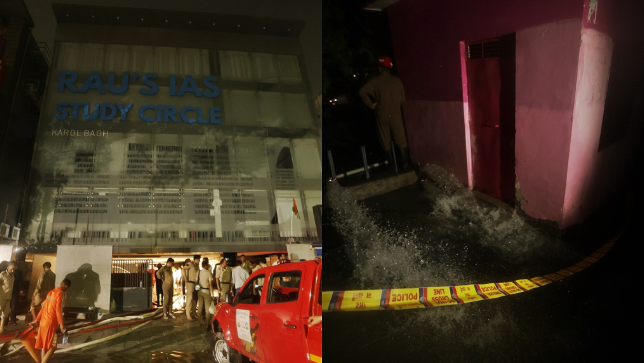
On 27 July 2024, rainwater from a waterlogged road rushed into a basement being used as a library at Rau's IAS Study Circle in Old Rajinder Nagar, Delhi, and three civil-service aspirants drowned. NHRC and later CBI reporting point to earlier waterlogging, a basement not approved as a library, poor drainage, gates that gave way and a blocked way out. CBI charge sheets name the coaching centre and building owners, MCD engineers and fire officials. No trial verdict had been reported by July 2026.
Quick answers
What happened in the Old Rajinder Nagar coaching centre basement flood?
On 27 July 2024, heavy rain waterlogged the road outside Rau's IAS Study Circle in Old Rajinder Nagar, Delhi. Water rushed into the basement being used as a library, and three civil-service aspirants were reported killed.
Why did water flood the Delhi coaching centre basement so fast?
Official and investigation reporting cited prior waterlogging, insufficient drainage and entrance gates that failed under the water. The basement was reportedly approved for storage or parking, not a library. Proceedings against those charge-sheeted are not convictions.
Is it safe to study in a basement library during heavy rain?
A basement vulnerable to street flooding should not be used for high-occupancy study without lawful approval and engineered protection. Entrance gates are not flood barriers unless designed for it, and rain warnings call for early closure and evacuation.
What to do if water starts entering a basement where you are?
Raise the alarm and leave immediately through the nearest safe route, without waiting for more water inside. Do not enter fast water, help others only without blocking the exit, report missing people at the assembly point and never re-enter until authorised.
Three young people who had come to Delhi to prepare for the civil services exam drowned in a library that should never have been in a basement. The water came from the road outside, as it had before.
What happened
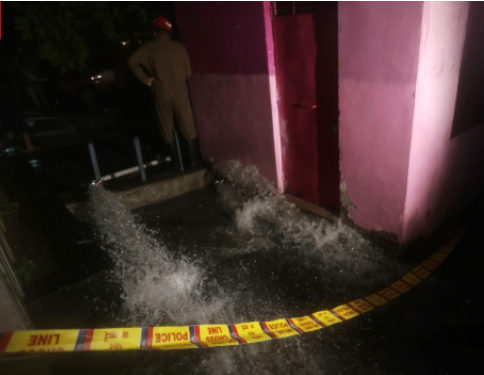
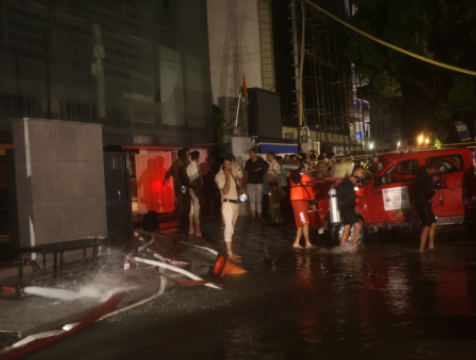
On the evening of 27 July 2024, rain waterlogged the road outside Rau’s IAS Study Circle in Old Rajinder Nagar, New Delhi. The building’s basement was being used as a library. At about 7 to 7.15 pm, water began pouring down into it.
About 35 students were reported to be in the library at the time; the CBI later put the number at around 30. Most rushed up the stairs and got out. Three civil-service aspirants did not.
Students told reporters that the library flooded every year, and that complaints about waterlogging in the lane had gone unanswered, according to the National Human Rights Commission (NHRC).
Response
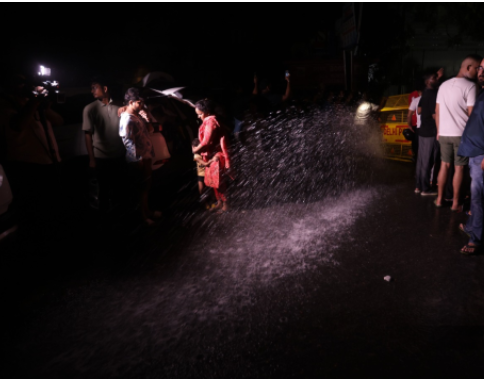
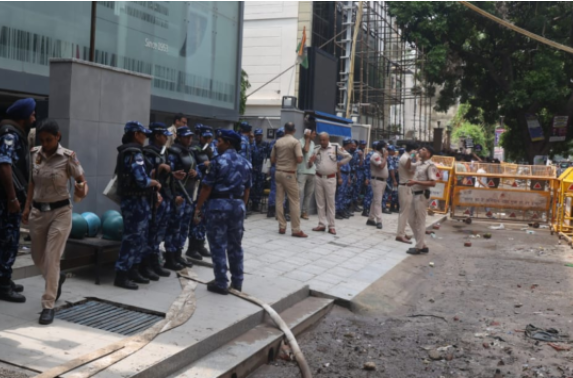
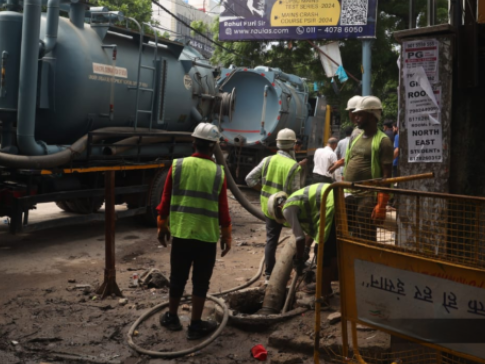
Police, the fire service and divers pumped water out and searched the flooded basement. The NHRC noted that divers reached the site only at around 9.15 pm and that suction pumps were also slow to arrive.
On 30 July 2024 the NHRC issued notices to Delhi’s Chief Secretary, the Police Commissioner and the MCD Commissioner, seeking a report within two weeks. It also asked for a survey of coaching centres in Delhi running in breach of the rules, the action taken against officials who failed to check them, and details of compensation for the families.
What is known about the cause
The CBI investigated, and its charge sheets set out what it alleges went wrong. These are allegations, not court findings.
- The basement use. According to enforcement reporting, the basement was approved for storage or parking, not as a library. An MCD show-cause direction dated 4 August 2023 is cited in reporting on the CBI charge sheet.
- The drainage. The CBI said the drainage in the area could not carry the floodwater. It also said no Delhi Jal Board pipe had burst that day.
- The gates. The steel entrance gates were being used to hold back rainwater. The CBI said they gave way when an SUV was driven along the flooded road, pushing a wave against them. An IIT Delhi report submitted by the CBI said the gates were highly unstable for use as flood barriers.
- The way out. A cubicle with a lockable door at the entry point got blocked and slowed students trying to escape, the CBI said.
The CBI’s first charge sheet named six accused: the coaching centre’s CEO and coordinator and four co-owners of the building. A supplementary charge sheet in April 2025 added a consultant, an MCD junior engineer and two Delhi Fire Services officials. In March 2026 the court ordered a further probe into MCD officials on a petition by a victim’s father. In July 2026 a CBI supplementary report cleared the then MCD deputy commissioner and a superintending engineer, and alleged dereliction of duty by an assistant engineer and an executive engineer. It did not charge-sheet them because government sanction for prosecution had not been granted, and the court had yet to decide on the report.
Rainfall that day is itself disputed. The CBI said it was moderate by India Meteorological Department standards, while the defence described it as heavy.

What remains unknown
- The outcome of the trial. No verdict had been reported by July 2026, and none of the accused has been convicted.
- How responsibility will finally be shared between the coaching centre, the building owners and civic officials.
- Whether the drainage in the lane has been fixed.
Lessons
This was not one failure. The approval, the drainage, the gates and the way out all failed together, on a road that was known to flood.
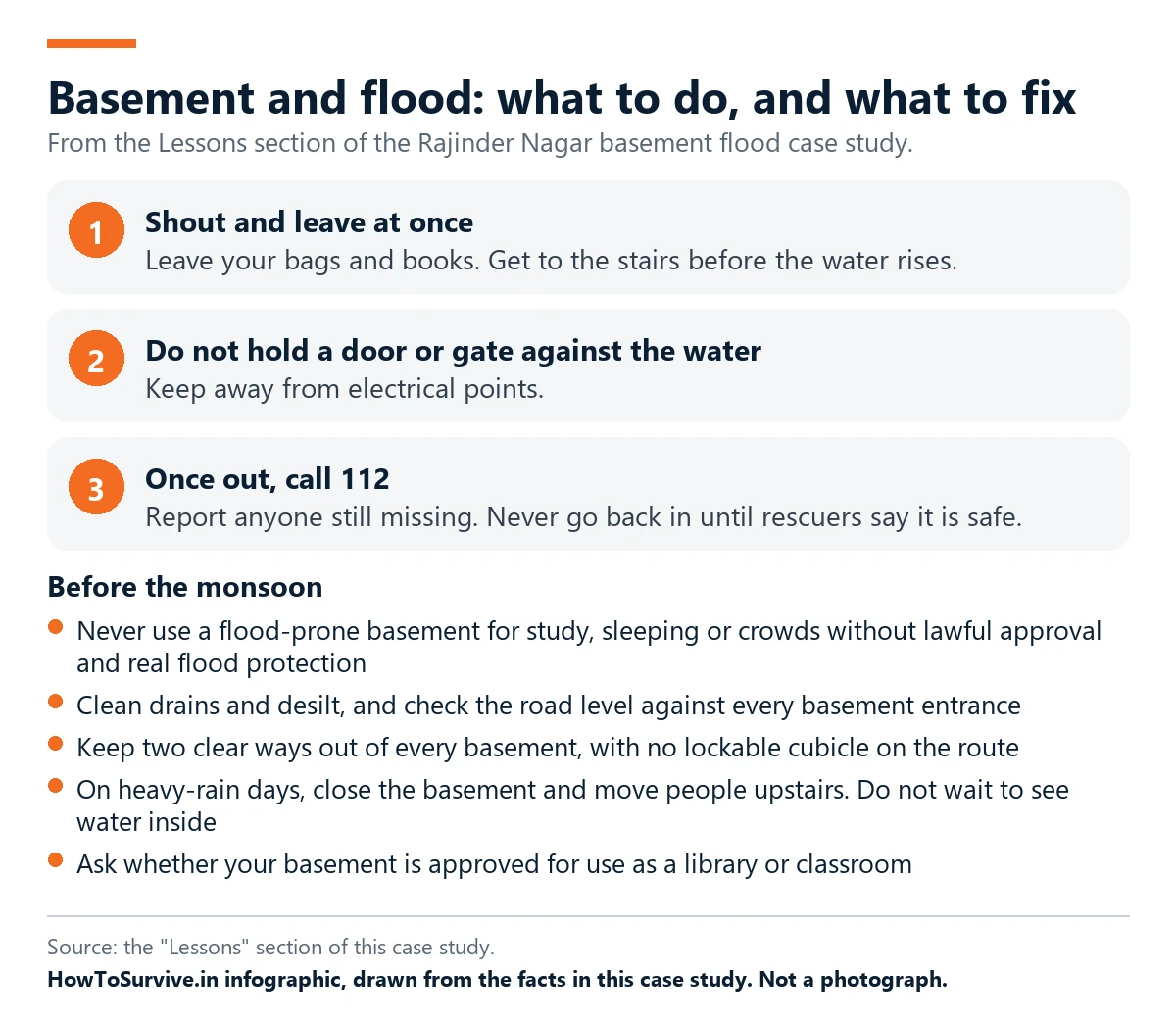
- Never use a flood-prone basement for study, sleeping or crowds without lawful approval and real flood protection. Entrance gates are not flood barriers unless they were designed and checked for that load.
- Clean drains and desilt before the monsoon, and check the road level against every basement entrance.
- Keep two clear ways out of every basement, with no lockable cubicle on the route.
- Close the basement and move people upstairs as soon as heavy rain or waterlogging starts. Do not wait to see water inside.
- Follow every civic notice through until the fault is fixed, not just filed.
If water starts coming in, shout and leave at once. Leave your bags and books. Get to the stairs before the water rises, do not try to hold a door or gate against it, and keep away from electrical points. Once you are out, call 112 and report anyone still missing. Never go back in until rescuers say it is safe. For a guide to flooded streets, basements and underpasses across a city, read what to do before the water rises, while it rises and after it goes down.
If you study or work in a basement, find both ways out today. Ask your coaching centre whether the basement is approved for use as a library or classroom. On heavy-rain days, study above ground.
Reporting limits
The CBI charge sheets are allegations, not convictions, and no trial verdict had been reported by July 2026. The timings (flooding from about 7 to 7.15 pm, divers at about 9.15 pm) are from the NHRC’s account of media reports and may differ elsewhere. The number of students present is given as about 35 by NHRC and around 30 by the CBI. News photographs and video stills are linked, not copied.
More on Delhi: see our Delhi fire and emergency safety guide for fire brigade numbers, every fire station and the local risks to know.
- Waterlogging complaints and basement-use concerns are later documented
- Heavy rain waterlogs the Old Rajinder Nagar road
- Entrance barrier/gates fail and water rushes down into the basement library
- Students rush upstairs; an entry cubicle/door arrangement reportedly impedes movement
- Police, fire service and divers pump water and search the basement
- NHRC issues notices and orders a broader survey of non-compliant coaching centres
- CBI files a charge sheet describing drainage, gate and egress failures
- A supplementary CBI charge sheet adds a consultant, an MCD junior engineer and two Delhi Fire Service officials
- The court orders a further probe into MCD officials on a protest petition by a victim's father
- A CBI supplementary report clears the then MCD deputy commissioner and a superintending engineer and alleges dereliction by an assistant engineer and an executive engineer, without a charge sheet as sanction was not granted; no trial verdict reported
Why consequences escalated
- A basement that floods from the street should not seat students without lawful approval and proper flood protection
- Entrance gates are not flood barriers unless they were designed and checked to hold back water
- Drainage, desilting and road levels have to be checked together, before the monsoon
- One narrow stair and a lockable cubicle at the entry made escape slower
- When heavy rain starts, close the basement early; do not wait to see water inside
- Earlier notices and complaints need to be followed up until the fault is fixed
Failures and risk multipliers
- Running a library in a basement approved only for storage or parking, according to enforcement reporting
- Ignoring earlier waterlogging and an MCD show-cause notice dated 4 August 2023, cited in CBI charge-sheet reporting
- Relying on entrance gates that were never built to hold back floodwater
- One narrow stair and an entry cubicle that slowed students rushing out
- Keeping students inside during heavy rain instead of closing early
Actions that reduce risk
- Never use a flood-prone basement for study, sleeping or crowds without lawful approval and real flood protection
- Clean drains and desilt before the monsoon, and check road levels against basement entrances
- Keep two clear ways out of every basement, with no lockable cubicle on the route
- Close basements and move people upstairs as soon as heavy rain or waterlogging starts
- Follow every civic notice until the fault is fixed, not just filed



Leave a comment