
The Importance of Safety Shoes: Protecting Your Feet in Hazardous Environments
What needs attention
- The article topic must be linked to the actual occupancy and hazard
- Prevention and early warning provide more safety margin than last-second intervention
- PPE cannot compensate for an uncontrolled hazard
- People need short practised actions and a clear decision to stop and escape
- Children, visitors and people needing assistance require explicit planning
- Records, drills and inspections matter only when defects are corrected
Controls that reduce risk
- Complete a task- and site-specific hazard assessment
- Verify applicable Indian, state and local requirements
- Use competent inspection for installed systems and specialist hazards
- Keep alarms, exits, signs and emergency access usable
- Train intended users and practise evacuation
- Record defects with an owner and completion date
- Review the plan after changes, incidents or near misses
Understand and apply the guidance
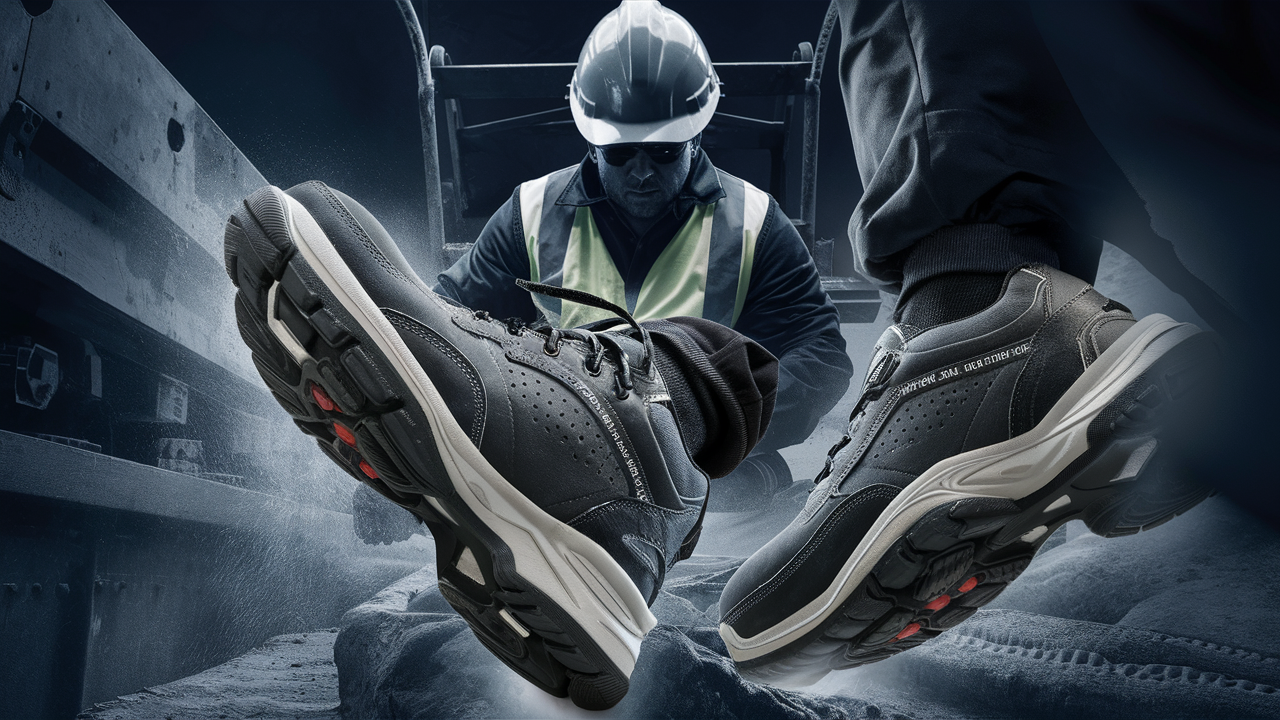
Safety shoes are a crucial part of personal protective equipment (PPE) for individuals working in environments where there is a risk of foot injuries. These specially designed shoes offer protection against various hazards such as falling objects, sharp materials, electrical hazards, and more. Understanding the importance, types, and proper use of safety shoes can significantly reduce the risk of workplace injuries.
Importance of Safety Shoes
- Protection Against Falling Objects: Safety shoes with reinforced toe caps (usually steel, composite, or aluminum) protect feet from heavy falling objects.
- Puncture Resistance: Soles made of tough materials prevent sharp objects from penetrating the shoe, protecting the wearer from puncture injuries.
- Electrical Hazard Protection: Non-conductive safety shoes provide protection against electrical hazards, reducing the risk of electric shocks.
- Slip Resistance: Outsoles designed for high traction reduce the risk of slipping, tripping, and falling on slippery or uneven surfaces.
- Chemical and Thermal Protection: Safety shoes can be designed to protect against harmful chemicals, extreme heat, or cold, ensuring feet are safe from burns, frostbite, and chemical exposure.
- Enhanced Comfort: Ergonomically designed safety shoes offer better support and comfort, reducing fatigue and improving overall workplace productivity.
Types of Safety Shoes
- Steel Toe Boots: Provide maximum protection against heavy falling objects and compression.
- Composite Toe Boots: Lighter than steel toes and do not conduct electricity, making them ideal for electrical hazard protection.
- Metatarsal Boots: Extend protection to the upper foot and metatarsal bones, often used in environments with heavy machinery.
- Electrical Hazard (EH) Rated Shoes: Specifically designed to protect against electrical shocks by preventing electricity from flowing through the shoes.
- Puncture-Resistant Boots: Feature soles made from tough materials like Kevlar to protect against sharp objects.
- Slip-Resistant Shoes: Have specially designed outsoles to provide traction and reduce slipping hazards.
- Chemical-Resistant Boots: Made from materials that can withstand exposure to hazardous chemicals without degrading.
- Insulated Boots: Provide protection against extreme temperatures, either hot or cold.
Proper Use and Maintenance
- Correct Fit: Ensure safety shoes fit properly, providing adequate support and comfort. Shoes that are too tight or too loose can cause discomfort and reduce protection.
- Regular Inspection: Frequently check safety shoes for signs of wear and tear, including sole integrity, toe cap condition, and overall structure. Replace shoes that show significant damage.
- Cleaning and Care: Clean safety shoes regularly to remove dirt, chemicals, and other substances that could degrade the materials. Follow the manufacturer’s instructions for cleaning.
- Storage: Store safety shoes in a cool, dry place away from direct sunlight and chemicals that could cause damage.
- Replacement: Replace safety shoes according to the manufacturer’s recommendations or when they no longer provide adequate protection.
Choosing the Right Safety Shoes
- Assess Workplace Hazards: Identify the specific hazards present in the workplace, such as heavy objects, sharp materials, electrical risks, chemicals, and extreme temperatures.
- Consult Safety Standards: Refer to industry-specific safety standards and regulations (e.g., ASTM, ANSI) to ensure the chosen safety shoes meet required protection levels.
- Comfort and Fit: Choose safety shoes that provide a comfortable fit and adequate support, considering factors like arch support, cushioning, and weight.
- Material and Design: Select shoes made from materials suited to the specific hazards of the workplace, such as leather for durability, rubber for slip resistance, or composite materials for electrical protection.
Conclusion
Safety shoes are an essential component of workplace safety, providing critical protection against various hazards. By understanding the importance of safety shoes, selecting the right type, and ensuring proper use and maintenance, workers can significantly reduce the risk of foot injuries and enhance overall safety in hazardous environments.
Common unsafe practices
- Relying on equipment without a hazard assessment
- Blocking or compromising escape routes
- Delaying the alarm or emergency call
- Attempting a response beyond training or safe conditions
- Re-entering before authorised clearance
- Treating a checklist as a substitute for competent inspection