
Quick answers
What safety equipment does an electrician need?
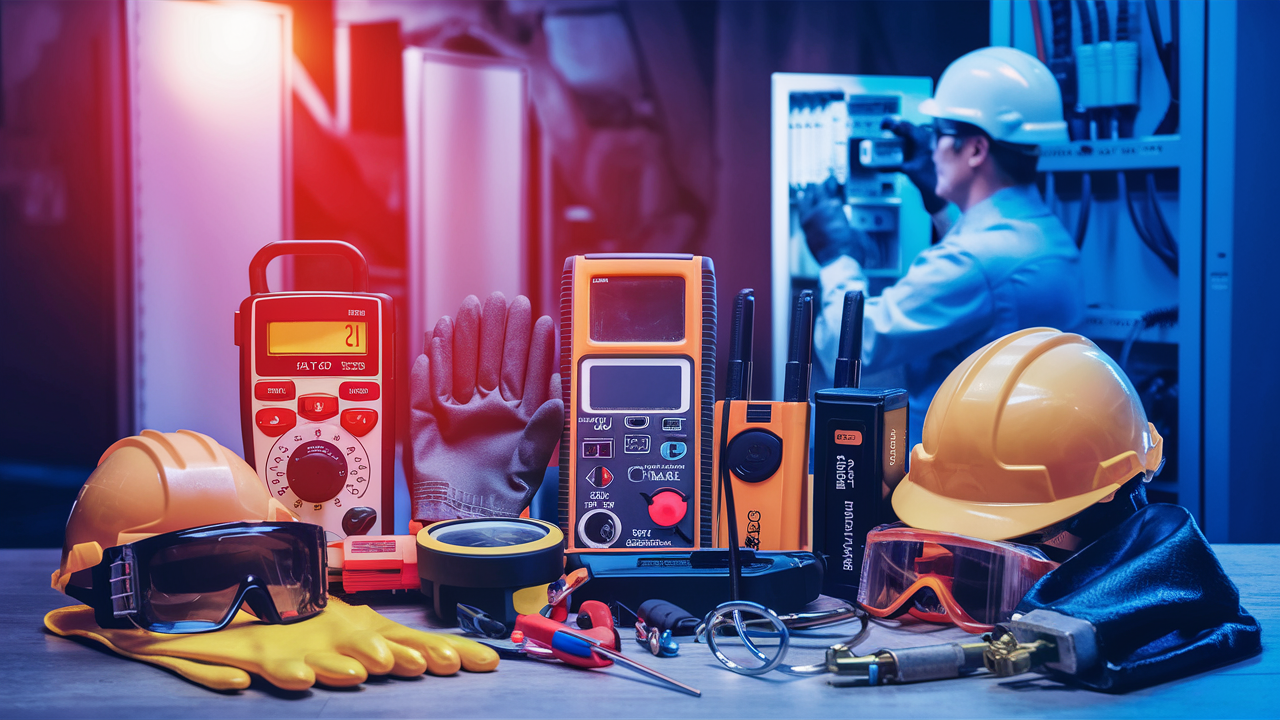
Essential items include insulated gloves and tools, face shields and safety glasses, arc flash protective clothing, voltage detectors, insulated mats, lockout/tagout devices, non-conductive safety helmets and hearing protection.
What is lockout/tagout in electrical work?
Lockout/tagout uses locks, tags and devices on switches and circuit breakers to make sure equipment is de-energised and cannot be accidentally re-energised during maintenance.
How should a voltage detector be used?
A voltage detector senses the presence of voltage without contact using audible and visual indicators. Test it before use to make sure it is working.
Which fire extinguisher is suitable for electrical fires?
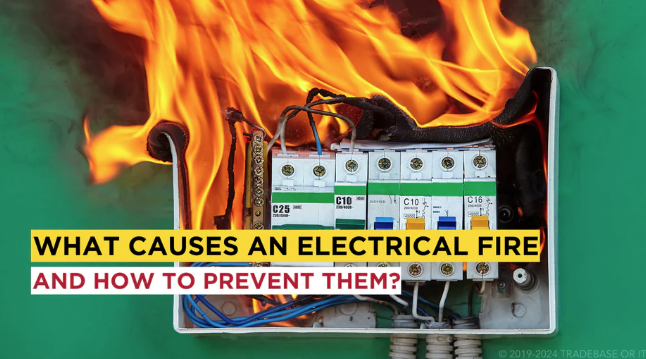
A CO2 extinguisher is commonly used on electrical fires because it leaves no residue. In India, Class C means gas fires, not electrical fires, so check the label for use on electrical equipment and switch off the supply first where you can.
Electricity gives very little warning. One wrong wire, one damp glove or one panel you thought was switched off, and the current has already passed through you. In 2024, the NCRB recorded 15,861 deaths from electrocution in India. Many of them were linemen, electricians, maintenance staff and helpers doing routine jobs.
If you work on or near live equipment, in a factory, a building, a substation or on a pole, the right gear and the habit of using it every time are what bring you home. Here is what you need and how to look after it.

Why the gear matters
- It stops the shock or the burn. Insulation keeps current away from your body, and flame-resistant clothing keeps an arc flash from setting your shirt alight.
- It is part of the law. In India, the Central Electricity Authority (Measures relating to Safety and Electric Supply) Regulations, 2023 set safety duties for suppliers, consumers, owners and contractors. Your employer and your state’s electrical inspectorate can tell you what applies to your site.
The equipment every electrical worker should have
1. Insulated rubber gloves
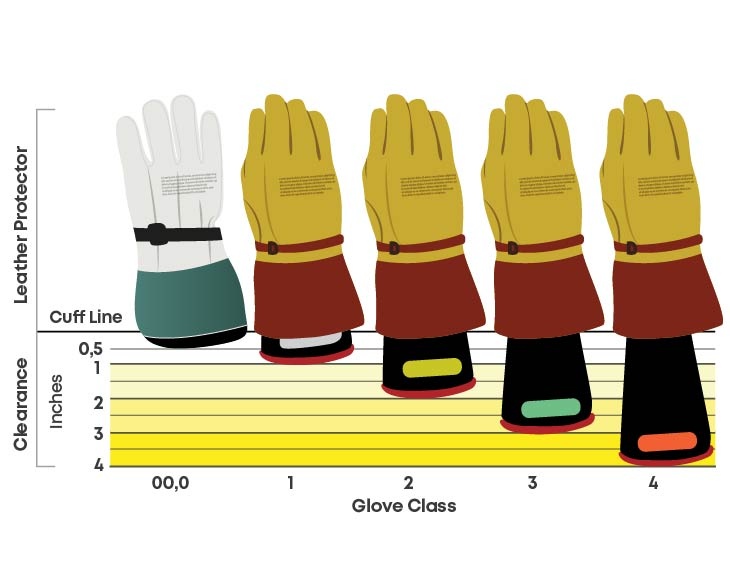
They protect your hands from shock. Buy gloves marked with the voltage they are rated for, and never use them above that. Before every job, look for cuts, cracks and pinholes, and roll the cuff to trap air and check for leaks. A damaged glove goes in the bin, not back in the bag.
2. Insulated tools
Screwdrivers, pliers and spanners with insulated handles stop current travelling through the tool into your hand. Use only tools rated for the voltage you are working on or higher. Tape wrapped round an ordinary tool is not insulation.
3. Face shield and safety glasses
An arc flash throws out blinding light, heat and molten metal. Polycarbonate glasses and a face shield protect your eyes and face. Wear them together with your other protective gear.
4. Arc flash clothing
Flame-resistant clothing protects you from burns when an arc flashes over. It should fit well and cover your arms and neck. Do not wear nylon or polyester under it, as synthetic cloth melts onto the skin.
5. Voltage detector
A non-contact detector beeps or lights up when it senses voltage. Test it on a known live point before you use it, and again after, so you know it was working. Never trust a switch position alone.
6. Insulating mat
A rubber mat in front of panels and switchboards adds a layer of insulation between you and the ground. Keep it clean, dry and free of cracks.
7. Lockout and tagout devices
Locks, tags and hasps keep a breaker or isolator off while you work, so nobody can switch it on by mistake. Put your own lock on, keep your own key, and follow your site’s written lockout procedure. A tag saying “Men at work” with no lock is not enough.
8. Safety helmet
Use a non-conductive helmet with a chin strap. It protects you from falling objects and from bumping into live parts. Replace it if it is cracked or has taken a hard knock.
9. Hearing protection
Earplugs or earmuffs protect your hearing where the noise is high, for example near generators, switchgear testing or arc events.
10. Emergency equipment on site
- First aid kit, checked and refilled.
- Fire extinguisher: a CO2 type, which BIS notes is commonly used on electrical fires because it leaves no residue. In India (IS 2190:2024), Class C means flammable-gas fires, not electrical fires, so check the label for use on electrical equipment and switch off the supply first where you can.
- Eye wash station where battery acid or chemicals are handled.
Looking after your gear
- Check before every use. Wear and tear on gloves, tools and cords is easy to miss. Replace damaged items at once.
- Train everyone who uses it. New helpers and contract workers need the same training as senior staff. Run refreshers and drills.
- Follow Indian rules first. Follow the CEA safety regulations, the BIS standards that apply to your work and your site’s own permit system. US OSHA and IEC guidance are useful as international reference, not as a replacement.
- Store it properly. Keep gear clean, dry and easy to reach, away from heat, oil and direct sunlight. Rubber gloves crack if they are folded or left in the sun.
If someone gets a shock
- Do not touch the person while they may still be in contact with the current.
- Switch off the supply at the main switch or isolator. If you cannot, push them away from the source with something dry and non-conducting, such as a wooden stick.
- Call 108 for an ambulance or 112. Even if they seem fine, they need to see a doctor, because electricity can affect the heart.
- If they are not breathing normally, start CPR if you are trained, and keep going until help arrives.
Before your next job, open your kit bag. Check your gloves for holes, test your voltage detector, and make sure you have your own lock. Five minutes now is cheaper than a hospital bed.
What needs attention
- Most electrical injuries come from working on circuits people believed were switched off
- Gloves and tools protect only within the voltage they are rated for
- Damaged gloves, taped tools and borrowed locks give a false sense of safety
- Arc flash burns are made worse by synthetic clothing that melts onto the skin
- Lockout works only when each worker puts on a personal lock and keeps the key
- Contract workers and new helpers are often given the least training and the oldest gear
Controls that reduce risk
- Give every electrical worker their own rated gloves, tools, detector and lock
- Write down a lockout and permit-to-work procedure and train everyone on it
- Inspect and replace damaged gloves, mats and tools on a fixed schedule
- Lay insulating mats in front of all switchboards and panels
- Keep a CO2 extinguisher and a first aid kit near electrical rooms
- Train staff in safe rescue from electric shock and in CPR
- Include contract workers in all training and toolbox talks
Common unsafe practices
- Trusting a switch position instead of testing for voltage
- Using gloves without checking them for holes
- Wrapping tape round an ordinary tool and calling it insulated
- Wearing nylon or polyester near live panels
- Hanging a tag without a lock
- Touching a person who is still in contact with the current
- Calling an electrical fire 'Class C' and picking the wrong extinguisher
Leave a comment