
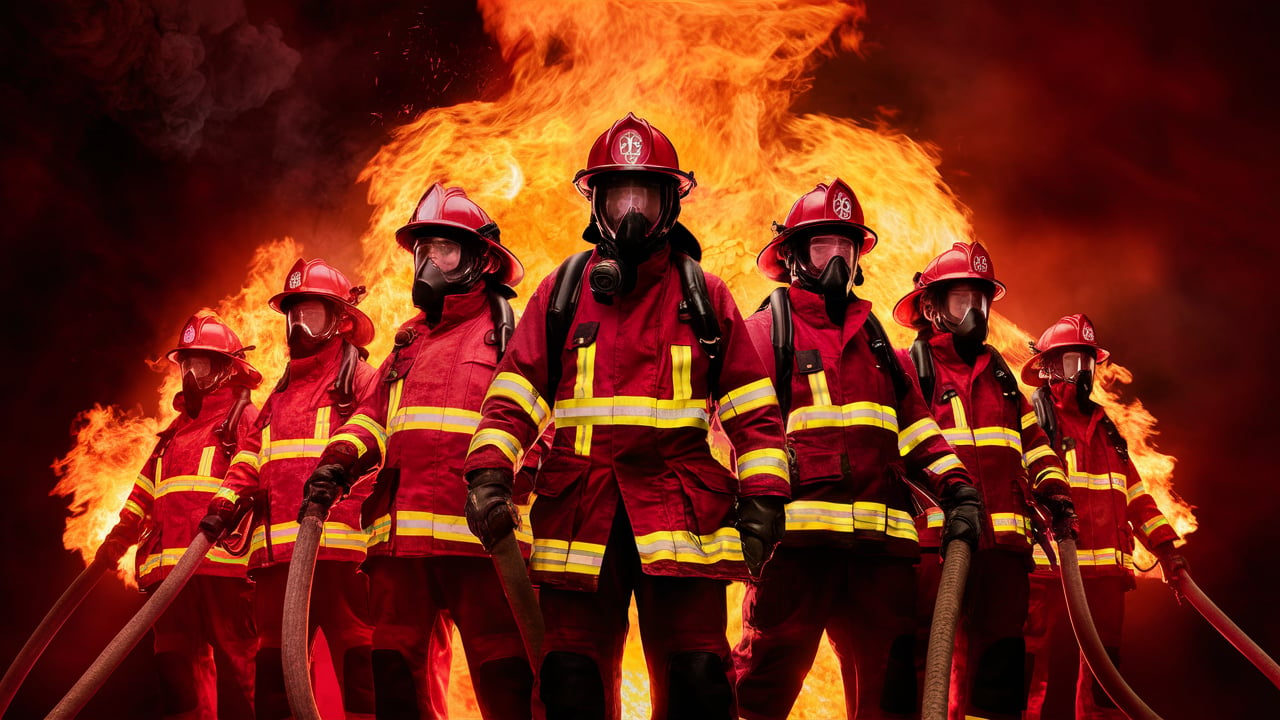
Fire suits, also known as turnout gear or bunker gear, are critical components of personal protective equipment (PPE) for firefighters and others exposed to high-temperature environments. These suits are designed to provide thermal protection, reduce heat stress, and safeguard against flames, hot gases, and potentially harmful chemicals. Understanding the features, types, and proper use of fire suits is vital for ensuring safety and effectiveness in fire-related operations.
Importance of Fire Suits
- Thermal Protection: Fire suits are made from materials that can withstand extreme temperatures, protecting the wearer from burns and heat-related injuries.
- Flame Resistance: These suits are inherently flame-resistant, meaning they do not catch fire easily and can self-extinguish when the source of the flame is removed.
- Heat Stress Reduction: Fire suits are designed to minimize heat stress, allowing firefighters to operate in high-temperature environments for extended periods.
- Chemical Protection: Some fire suits offer protection against hazardous chemicals, reducing the risk of exposure to toxic substances during firefighting operations.
- Visibility: High-visibility elements are often incorporated into fire suits to ensure that firefighters can be seen in low-light and smoky conditions.
Components of a Fire Suit
- Outer Shell: The outermost layer provides flame resistance, durability, and protection against physical hazards.
- Moisture Barrier: This layer prevents water and chemicals from reaching the skin, while also allowing perspiration to escape, reducing heat stress.
- Thermal Liner: The innermost layer provides insulation, keeping the wearer cool by reflecting heat away from the body.
- Reflective Strips: Enhance visibility in low-light conditions, ensuring firefighters can be seen by their teammates and others.
- Reinforced Areas: Extra padding and reinforcement in high-wear areas such as knees, elbows, and shoulders for added durability and protection.
Types of Fire Suits
- Structural Firefighting Suits: Designed for use in building fires, these suits provide maximum thermal protection, flame resistance, and durability.
- Proximity Suits: Used in situations involving high radiant heat, such as aircraft fires, these suits feature a reflective outer shell to protect against intense heat.
- Entry Suits: Allow firefighters to enter extreme heat environments for short periods, typically used in industrial settings like metalworking or petrochemical plants.
- Wildland Firefighting Suits: Lighter and more breathable than structural firefighting suits, designed for combating forest and grass fires.
Proper Use and Maintenance
- Correct Fit: Ensure the fire suit fits properly, providing full coverage without restricting movement. Poorly fitting suits can compromise protection and mobility.
- Regular Inspection: Inspect the fire suit before and after each use for signs of damage, wear, and tear. Look for rips, burns, or compromised seams.
- Cleaning: Follow manufacturer’s guidelines for cleaning to remove contaminants and maintain the suit’s protective properties. Avoid using harsh chemicals that could degrade the material.
- Storage: Store the fire suit in a cool, dry place away from direct sunlight, chemicals, and physical damage. Proper storage extends the life of the suit and maintains its protective features.
- Replacement: Replace fire suits that show significant signs of wear, damage, or no longer meet safety standards. Regularly updating gear ensures maximum protection.
Choosing the Right Fire Suit
- Assess Risk Levels: Identify the specific risks and hazards associated with the firefighting operations, including the type of fire and potential exposure to chemicals.
- Standards Compliance: Ensure the fire suit meets relevant safety standards (e.g., NFPA 1971 for structural firefighting suits) and industry regulations.
- Comfort and Mobility: Choose suits that offer a balance of protection, comfort, and mobility. Consider ergonomic designs that facilitate movement and reduce fatigue.
- Durability: Select suits made from high-quality materials that can withstand the rigors of firefighting operations. Durability is key to ensuring long-term protection.
- Additional Features: Consider additional features such as integrated communication systems, reinforced areas, and compatibility with other PPE like helmets, gloves, and boots.
Conclusion
Fire suits are essential for protecting firefighters from the extreme conditions encountered during firefighting operations. By understanding the components, types, and proper use of fire suits, firefighters can ensure their safety and effectiveness in the line of duty. Regular maintenance, proper fit, and adherence to safety standards are crucial for maximizing the protective capabilities of fire suits.
What needs attention
- The article topic must be linked to the actual occupancy and hazard
- Prevention and early warning provide more safety margin than last-second intervention
- Equipment is effective only when correctly selected, accessible and maintained
- People need short practised actions and a clear decision to stop and escape
- Children, visitors and people needing assistance require explicit planning
- Records, drills and inspections matter only when defects are corrected
Controls that reduce risk
- Complete a task- and site-specific hazard assessment
- Verify applicable Indian, state and local requirements
- Use competent inspection for installed systems and specialist hazards
- Keep alarms, exits, signs and emergency access usable
- Train intended users and practise evacuation
- Record defects with an owner and completion date
- Review the plan after changes, incidents or near misses
Common unsafe practices
- Relying on equipment without a hazard assessment
- Blocking or compromising escape routes
- Delaying the alarm or emergency call
- Attempting a response beyond training or safe conditions
- Re-entering before authorised clearance
- Treating a checklist as a substitute for competent inspection
Leave a comment