
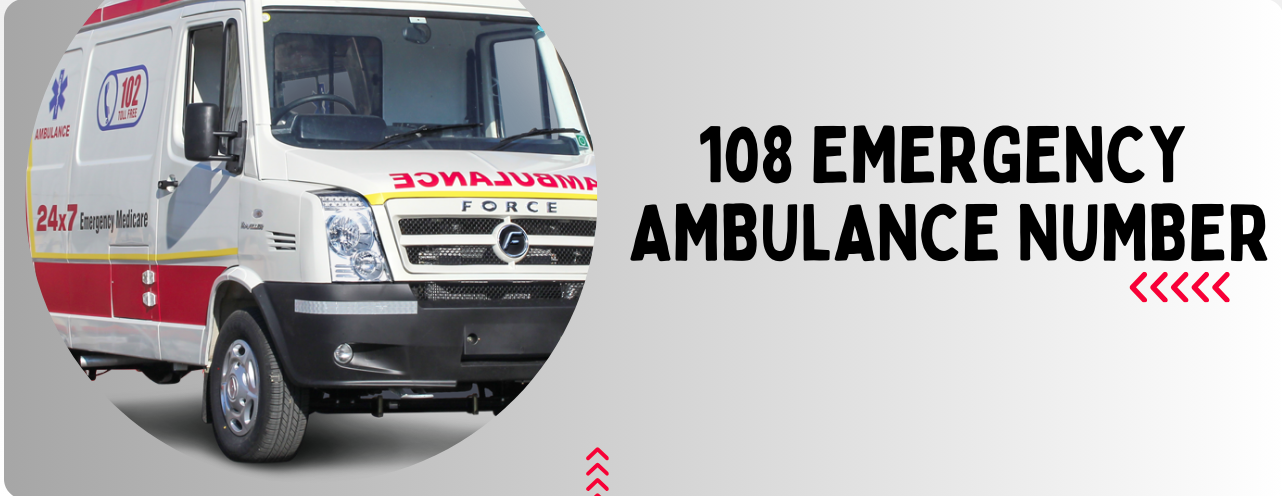
🔴 Truth Drop
In an emergency, every minute decides life or death.
India’s 108 Emergency Response System — launched in 2005 — was designed to be that lifeline.
👉 Today, it operates in 29 states and UTs, handling over 80,000 calls daily.
👉 Yet, nearly half of India’s road accident victims still die before reaching a hospital.
The system saves lives — but the gaps are costing thousands more.
📖 Why This Matters
The Golden Hour principle says that the first 60 minutes after trauma decide survival.
But in India, ambulances often arrive after 25–45 minutes — especially in rural or highway areas.
By the time help arrives:
- Victims have bled out.
- Airway is blocked.
- Shock has set in.
- Hospitals are unprepared.
The 108 system is a remarkable initiative, but it cannot succeed without citizen awareness, coordination, and systemic accountability.
⚙️ How the 108 System Works
- Dial 108 (toll-free) from any mobile or landline.
- Call is routed to a state control room.
- Dispatcher identifies location, type of emergency (medical, police, fire).
- Nearest ambulance is assigned and dispatched.
- EMT (Emergency Medical Technician) provides first aid and transfers the patient.
👉 Simple on paper.
👉 Complex in practice.
⚠️ Success Stories
✅ Andhra Pradesh & Telangana:
– Among India’s best-performing states; average ambulance response time = 15–18 minutes.
– Thousands of lives saved monthly via pre-hospital care.
✅ Gujarat:
– 108 integrated with fire & police systems in major cities (e.g., GVK-EMRI model).
✅ Tamil Nadu:
– Rural maternal emergency response drastically improved — reduction in maternal deaths.
These states show that when managed well, 108 can be a life-saving revolution.
⚠️ Gaps & Failures
- Delayed Response Times
– In many states, 108 ambulances take 30–45 mins to arrive due to traffic or lack of vehicles. - Poor Coverage in Rural Areas
– 1 ambulance covers up to 1 lakh people (vs WHO standard: 1 per 50,000). - Inaccurate Location Tracking
– Many dispatch centers rely on verbal directions; no GPS integration in older fleets. - Shortage of Trained EMTs
– Many paramedics lack trauma or cardiac care skills. - Weak Hospital Coordination
– Patients often shuttled between hospitals — losing precious minutes. - Lack of Public Awareness
– Most citizens still don’t know what “108” actually does — or how to use it properly.
📊 Data Box
- 108 launched in 2005 by GVK-EMRI with government partnership.
- Currently operates over 10,000 ambulances nationwide.
- Avg response time:
- Urban: 18–22 mins
- Rural: 30–45 mins
- Survival benefit: When reached within 15 mins → survival rate doubles.
- Awareness gap: Only 35% of Indians know about 108 (AIIMS survey, 2023).
🛡 Survival Lessons for Citizens
✅ Save these numbers:
- 108 – Ambulance
- 112 – National emergency helpline
✅ When you call 108:
- Speak clearly.
- Share exact location, landmark, and nature of injury.
- Stay on the line till dispatcher confirms help is on the way.
✅ Don’t panic; assist the victim:
- Stop bleeding, open airway, keep them stable.
- Avoid unnecessary movement (especially spinal injuries).
✅ Be a Good Samaritan:
- Help is legal and protected under India’s Good Samaritan Law (2016).
📢 Systemic Lessons
India must:
- Integrate GPS + digital maps in every 108 ambulance.
- Build trauma care centers every 50 km on highways.
- Recruit and certify trained EMTs & paramedics nationwide.
- Run national awareness campaigns on 108 & 112 helplines.
- Link 108 data to disaster management & health systems for faster response.
📣 Call to Action
🚨 The 108 system has saved millions — but can save millions more if we use it right.
👉 Learn how it works.
👉 Teach your family & friends.
👉 Report non-functional ambulances or delayed response to authorities.
Because 108 is not just a number — it’s a lifeline waiting to be strengthened.
🔚 Closing Line
In a country where one person dies every 3 minutes on the road, 108 can be the line between life and loss.
This is why we built HowToSurvive.in — to make every citizen a bridge of hope between accident and ambulance.
What needs attention
- The article topic must be linked to the actual occupancy and hazard
- Prevention and early warning provide more safety margin than last-second intervention
- Equipment is effective only when correctly selected, accessible and maintained
- People need short practised actions and a clear decision to stop and escape
- Children, visitors and people needing assistance require explicit planning
- Records, drills and inspections matter only when defects are corrected
Controls that reduce risk
- Complete a task- and site-specific hazard assessment
- Verify applicable Indian, state and local requirements
- Use competent inspection for installed systems and specialist hazards
- Keep alarms, exits, signs and emergency access usable
- Train intended users and practise evacuation
- Record defects with an owner and completion date
- Review the plan after changes, incidents or near misses
Common unsafe practices
- Relying on equipment without a hazard assessment
- Blocking or compromising escape routes
- Delaying the alarm or emergency call
- Attempting a response beyond training or safe conditions
- Re-entering before authorised clearance
- Treating a checklist as a substitute for competent inspection




Leave a comment