
Quick answers
How does the 108 ambulance service work?
You dial 108 free from any mobile or landline. The call goes to the state control room, the call-taker notes the location and what has happened, and the nearest free ambulance is sent with an EMT who gives first aid on the way.
What should I say when I call 108?
Speak slowly. Give the exact location with a landmark such as a petrol pump, temple or school, say what happened and how many people are hurt, and stay on the line until the call-taker confirms help is coming.
What can I do for the injured person while the ambulance comes?
Keep yourself safe first. Press firmly on heavy bleeding with a clean cloth, keep the airway open, start CPR if they are not breathing normally and you know how, and do not move them unless there is fire or other immediate danger.
What is the difference between 108, 112 and 102?
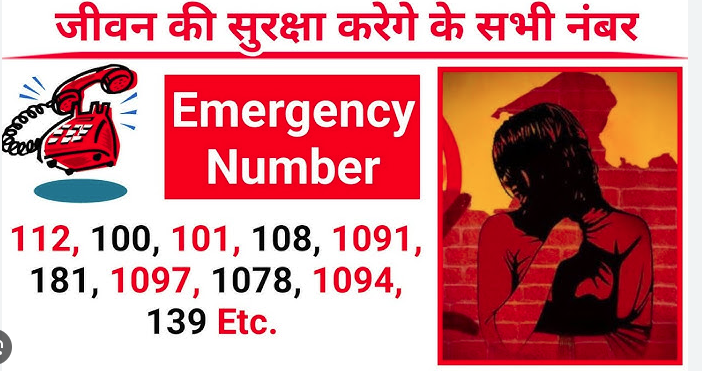
108 is the emergency ambulance number. 112 is India's single emergency number for police, fire and ambulance. 102 is a patient transport line used mainly for pregnant women and sick children.
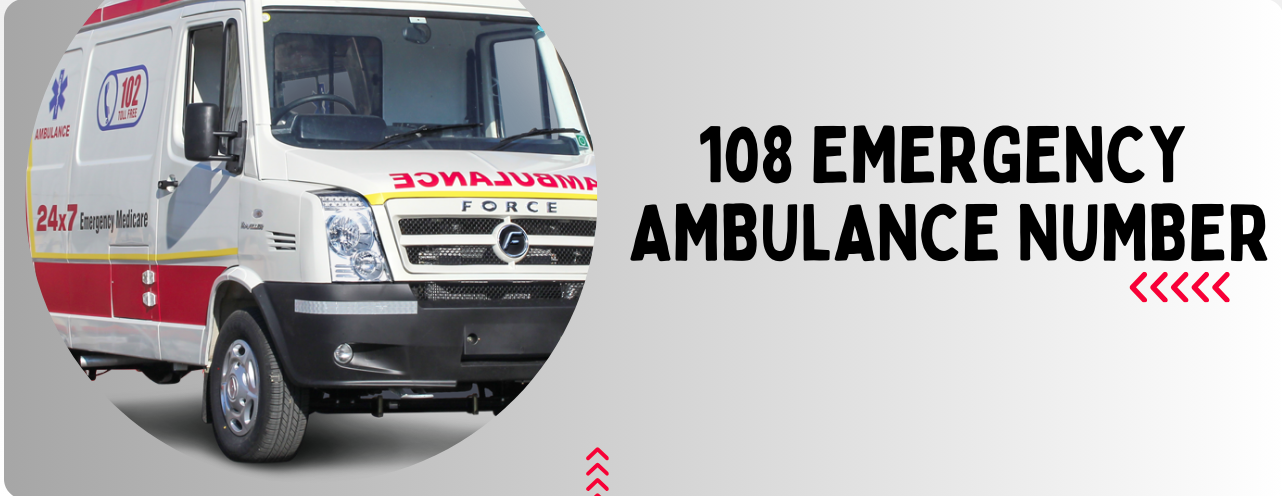
In a medical emergency, minutes decide who lives. India’s 108 ambulance service was set up for exactly those minutes. It began in Andhra Pradesh in August 2005, run by the Emergency Management and Research Institute (EMRI) with just 30 ambulances. Today 108 runs in 35 states and union territories, with about 11,000 ambulances on the road in 2024.
108 has saved a great many lives. But in too many places help still arrives late, the crew is not trained for serious trauma, or the patient is passed from one hospital to the next.
Why the first hour matters
Doctors talk about the “golden hour”, the first hour after a serious injury, when quick care gives the best chance of survival. In villages and on highways, the ambulance can take a long time to arrive. In that time:
- a person can lose a dangerous amount of blood;
- the airway can get blocked;
- the body can go into shock;
- and the hospital may still not know the patient is on the way.
An ambulance cannot fix this alone. It needs people who call quickly, bystanders who help, and hospitals that are ready.
How 108 works
- You dial 108, free, from any mobile or landline.
- The call goes to the state’s control room.
- The call-taker asks for the location and what has happened.
- The nearest free ambulance is sent.
- An emergency medical technician (EMT) gives first aid on the way and takes the patient to a suitable hospital.
108 is for medical emergencies. For police and fire, or if you are not sure which service you need, call 112, India’s single emergency number. In some states the 112 and 108 control rooms are linked. 102 is a separate ambulance line, used mainly to take pregnant women and sick children to hospital.
What works
Where 108 runs well, it answers fast, it knows where the caller is, and it takes the patient to a hospital that can actually treat them. States that have put money into GPS-tracked fleets, trained EMTs and agreements with hospitals get better results. 108 has also helped bring many women to hospital for childbirth, and rushed many road crash victims to care.
Where it falls short
- Slow response. Traffic, long distances and too few vehicles mean long waits, especially in villages and on highways.
- Uneven coverage. Fleet size has not always kept up with population and road length.
- Finding the caller. Older systems still depend on callers describing where they are, which wastes time.
- EMT training. Not every crew is trained to handle major trauma or cardiac arrest.
- Hospital handover. Patients are sometimes taken from one hospital to another because the first could not treat them.
- Public awareness. Many people still do not know what to say when they call, or wait too long before calling.
India does not publish one national figure for 108 response times, or for how many patients survive. Earlier versions of this page quoted response times, survival rates and an awareness survey that we could not trace to a source, so we have taken them out.
What you can do
Save these numbers on every family phone: 108 for an ambulance and 112 for any emergency.
When you call 108:
- Speak slowly and clearly.
- Give the exact location: the area, the road, and a landmark such as a petrol pump, temple or school.
- Say what happened and how many people are hurt.
- Stay on the line until the call-taker confirms an ambulance is on the way, and keep your phone free for their call back.
While you wait:
- Keep yourself safe first, especially on a road.
- Press firmly on heavy bleeding with a clean cloth.
- If the person is unconscious but breathing, keep the airway open. If they are not breathing normally, start CPR if you know how. The call-taker can guide you.
- Do not move the person unless there is fire or another immediate danger, especially if a neck or back injury is possible.
Help without fear. India’s Good Samaritan rules protect people who help accident victims. You cannot be forced to give your name or pay the hospital, and you will not face legal trouble for helping in good faith.
What needs to change
- GPS and digital maps in every 108 ambulance and control room.
- Trauma care within reach along every major highway.
- More trained and certified EMTs, with regular refresher training.
- Public figures on response times for each district, so people can see where the gaps are.
- Clear tie-ups so the ambulance goes straight to a hospital that can treat the patient.
- Steady awareness campaigns on 108 and 112.
Tonight, make sure everyone in your home has 108 and 112 saved. Then practise saying your full address with a landmark, the way you would on the phone to a call-taker.
What needs attention
- 108 now runs in 35 states and UTs with about 11,000 ambulances
- Response is slower in villages and on highways because of distance, traffic and fleet size
- Older control rooms still depend on callers describing where they are
- Not every EMT crew is trained for major trauma or cardiac arrest
- Patients are sometimes moved between hospitals, wasting time
- No single national figure on 108 response times or outcomes is published
Controls that reduce risk
- Save 108 and 112 on every family phone
- Learn CPR and bleeding control
- Teach children and elders how to describe your address with a landmark
- Report delayed or non-functional ambulances to the state health department
- Ask your local representative for district-wise 108 response data
Common unsafe practices
- Waiting for someone else to call
- Giving a vague location with no landmark
- Hanging up before the call-taker confirms help
- Moving an injured person when there is no immediate danger
- Doing nothing about heavy bleeding while waiting
- Holding back from helping out of fear of the police

Leave a comment