
Quick answers
Can I get into legal trouble for helping a road accident victim in India?
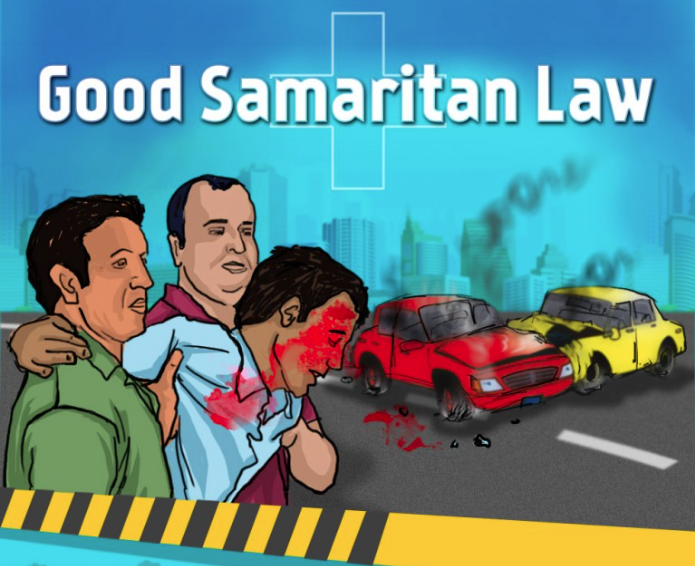
Under Section 134A of the Motor Vehicles Act and the Supreme Court-approved guidelines, a person who helps an accident victim is protected from civil or criminal liability, may leave, and does not have to give their name unless they choose to.
Does a hospital need payment before treating an accident victim brought by a bystander?
No. Hospitals must treat the injured immediately, and must not detain the person who brought them or ask that person to pay registration or admission costs, unless they are a relative.
What should I do if I see a road accident?
Call 108 or 112 immediately. Make the scene safe, do not move the injured person unless they are in immediate danger, press firmly on heavy bleeding, and stay until help arrives. Use your phone camera only for number plates or scene evidence, not the victim.
Why do bystanders hesitate to help accident victims?
Lack of awareness of legal protection, fear of police or court involvement, hospitals demanding money or documents, and the belief that someone else will help.
In 2023, 1,72,890 people were killed in 4,80,583 road accidents reported in India (MoRTH, Road Accidents in India 2023). Quick help in the first hour after a serious injury, often called the golden hour, gives the injured their best chance.
Yet people still stand and watch, or drive past. Most of them are not heartless. They are scared of the police, of being questioned at the hospital, of being dragged to court for years. That fear is out of date. The law is now on the side of the person who helps.
What the law says
After a Supreme Court direction in SaveLIFE Foundation v. Union of India, the Ministry of Road Transport & Highways issued Good Samaritan guidelines on 12 May 2015. The Supreme Court approved them on 30 March 2016 and made them binding. In 2019, Parliament added Section 134A to the Motor Vehicles Act, which protects a Good Samaritan from civil or criminal action.
Many people still do not know these protections exist.
Your rights as a Good Samaritan
- You can help without fear. A Good Samaritan is not liable for civil or criminal action (Section 134A, Motor Vehicles Act).
- You may leave. After informing the police or taking the injured person to hospital, you must be allowed to go. Giving your name and contact details is your choice.
- The hospital must treat the injured at once. It must not detain you or ask you to pay registration or admission costs, unless you are a relative.
- No forced FIR or witness role. If you choose to be a witness, your statement is taken in a single examination, at a time and place convenient to you, or by affidavit.
- Hospitals must display a charter at the entrance saying they will not detain Good Samaritans or ask them for deposits.
What the data can and cannot show
There is no official year-by-year data on how many people know about the Good Samaritan rules, how well hospitals and police follow them, or how many victims survive because a bystander helped. An earlier table and an “up to 40%” survival claim on this page could not be traced to any published dataset and have been withdrawn.
Why people still hesitate
- They do not know the law protects them.
- They fear the police or the courts.
- They have heard of hospitals demanding money or documents.
- They assume someone else will help.
- Helpers are rarely thanked or recognised.
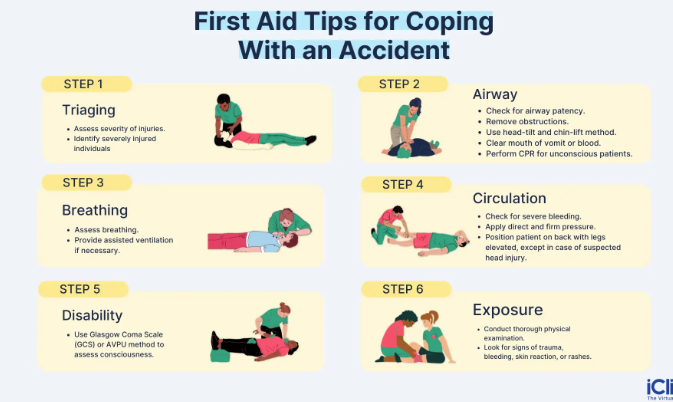
What to do if you see an accident
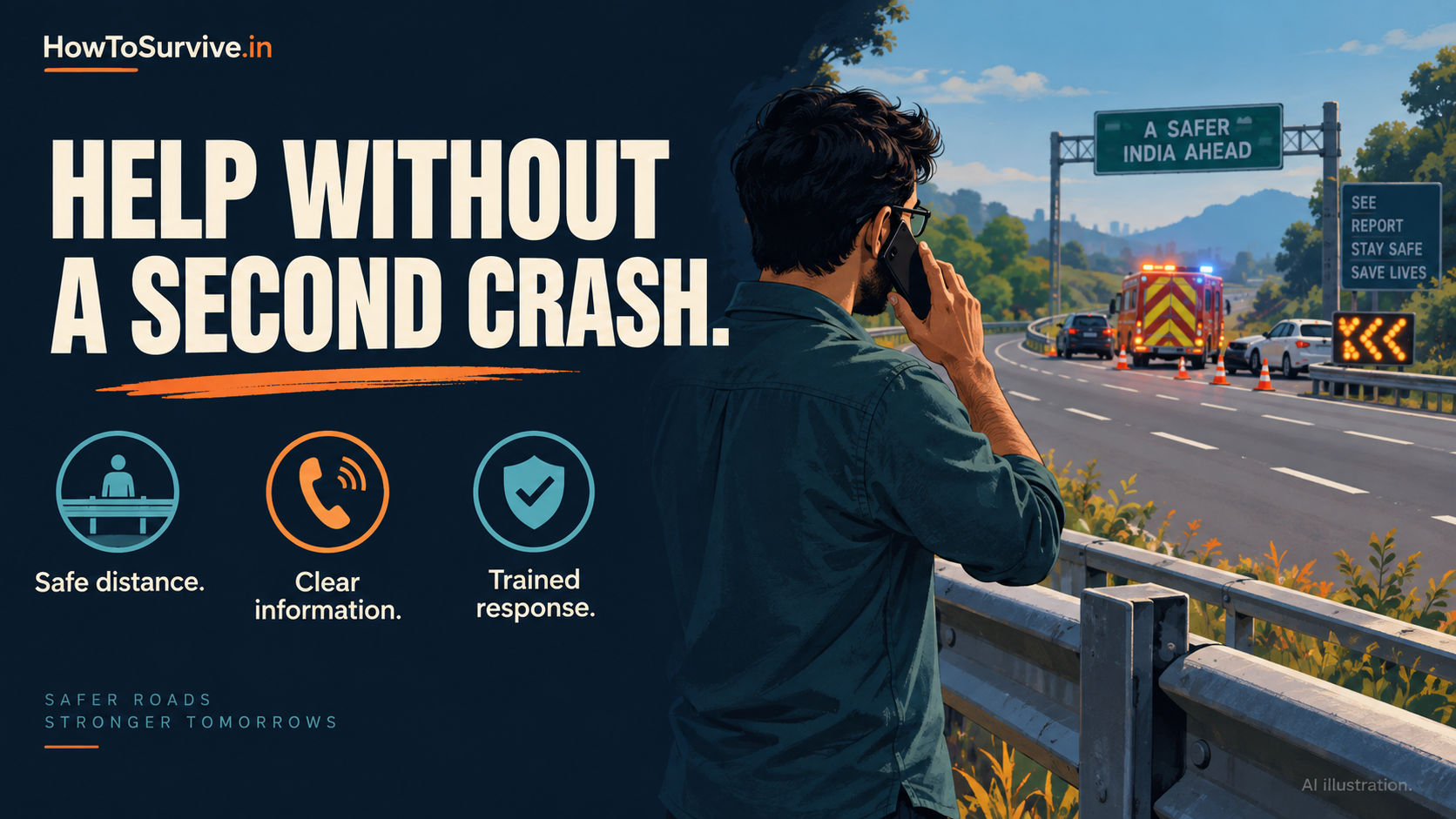
- Make sure you are safe. Park well away, switch on your hazard lights and warn oncoming traffic.
- Call 108 or 112 straight away. Give the exact location and the number of people hurt.
- Do not move the injured person unless they are in immediate danger, such as fire or oncoming traffic. Moving someone with a neck or back injury can make it worse.
- Press firmly on heavy bleeding with a clean cloth.
- Talk to the person and keep them calm until the ambulance arrives.
- Use your phone camera only for number plates or the scene, never to film the victim.
- If you take the person to hospital yourself, you can leave once they are handed over. Informing the police helps, but you cannot be forced to lodge an FIR or be a witness.
What should change
- Teach Good Samaritan rights and basic first aid as part of getting a driving licence.
- Put up awareness boards at every hospital, police station and toll plaza.
- Include Good Samaritan rights in school civics lessons.
- Recognise and reward people who save lives, and make sure they know about it.
- Run a sustained national awareness campaign.
A law only works if people know it
The Good Samaritan framework is one of India’s kindest legal reforms. It now has to move from the courtroom to the roadside. Tell your family, your driver and your colleagues: if you see an accident, stop, help and call 108. You are protected.
References
- Supreme Court of India (W.P. Civil 235 of 2012), SaveLIFE Foundation vs. Union of India
- Guidelines for protection of Good Samaritans (MoRTH 2015, approved by the Supreme Court 2016), as notified in the Odisha Gazette
- Motor Vehicles Act, Section 134A, Protection of Good Samaritans
- MoRTH Road Accidents in India 2023, PTI report
What needs attention
- A Good Samaritan cannot be held liable for civil or criminal action for helping
- Helpers may leave after informing the police or reaching the hospital, and need not give their name
- Hospitals must treat accident victims at once and cannot ask the helper to pay
- No official data tracks awareness of the law or how well it is followed
- Fear and lack of awareness still stop many people from helping
Controls that reduce risk
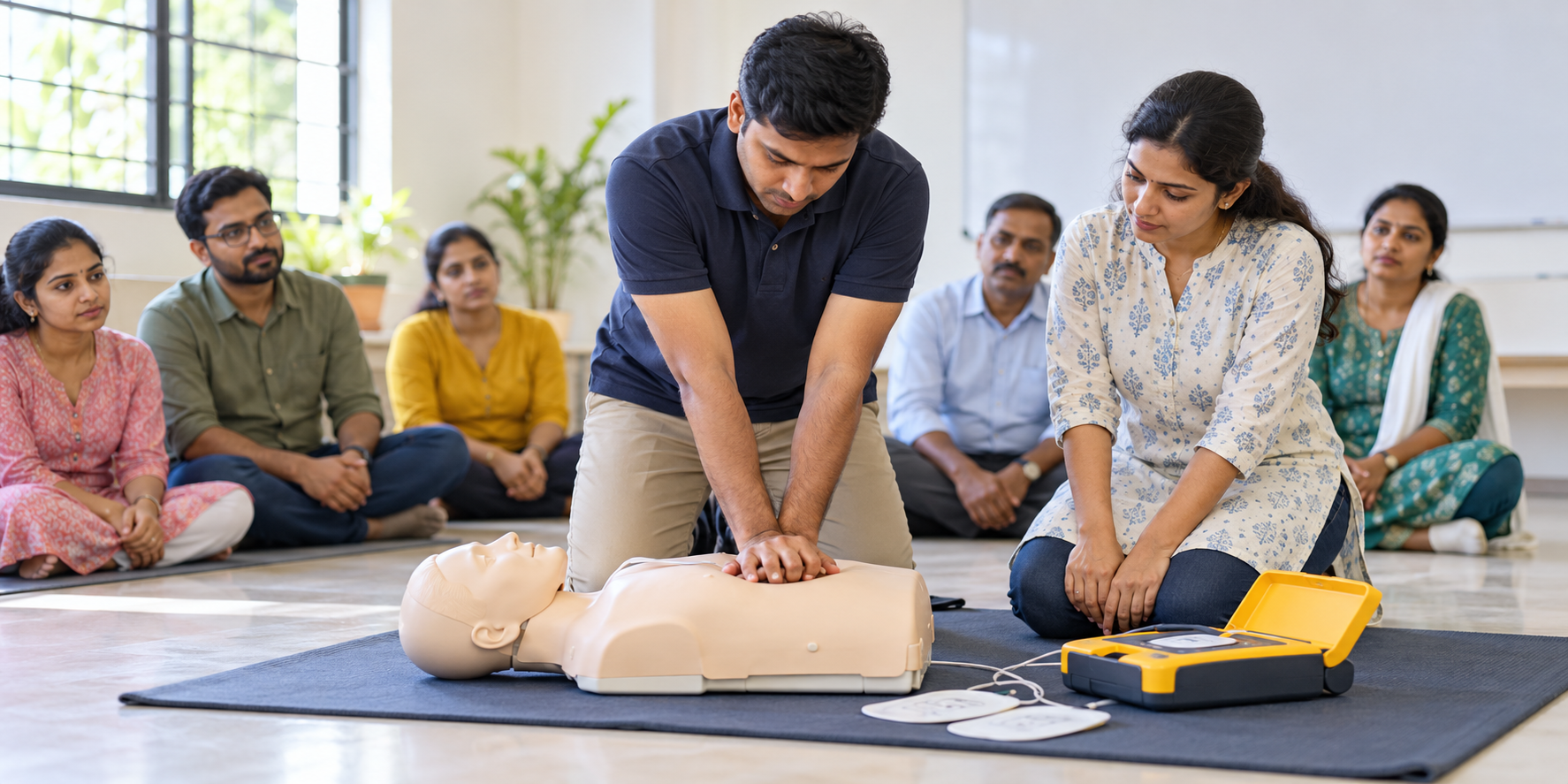
- Learn basic first aid, including how to control bleeding
- Tell family, drivers and colleagues about the Good Samaritan protections
- Ask your local hospital whether it displays the Good Samaritan charter
- Support awareness boards at hospitals, police stations and toll plazas
- Push for Good Samaritan training in the driving licence process
Common unsafe practices
- Driving past an accident because of fear of the police
- Moving an injured person who is not in immediate danger
- Filming the victim instead of helping
- Not calling 108 or 112 straight away
- Stopping in a way that puts yourself in the path of traffic
Leave a comment