
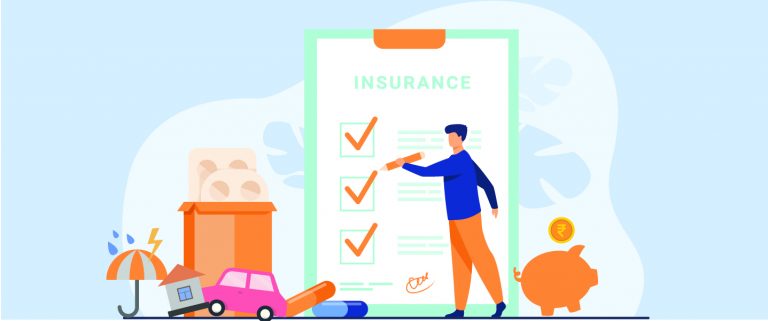
Quick answers
How can I protect my family financially from floods or fires?
Check whether your home, shop or vehicle is insured for fire and flood, enrol in low-cost government schemes such as PMSBY or PMJJBY, and keep digital copies of policies in DigiLocker.
What is the difference between disaster relief and insurance?
The State Disaster Response Fund gives ex-gratia relief payments, which are not insurance. Relief money helps for a short time, while insurance can support rebuilding for much longer.
Does Ayushman Bharat cover property loss in a disaster?
No. Ayushman Bharat is limited to medical treatment and does not cover property loss.
Where can I complain about delays in a disaster insurance claim?
Complain first to your insurer's grievance officer. If the problem is not solved, take it to IRDAI through its Bima Bharosa portal, and keep digital copies of your policies ready.
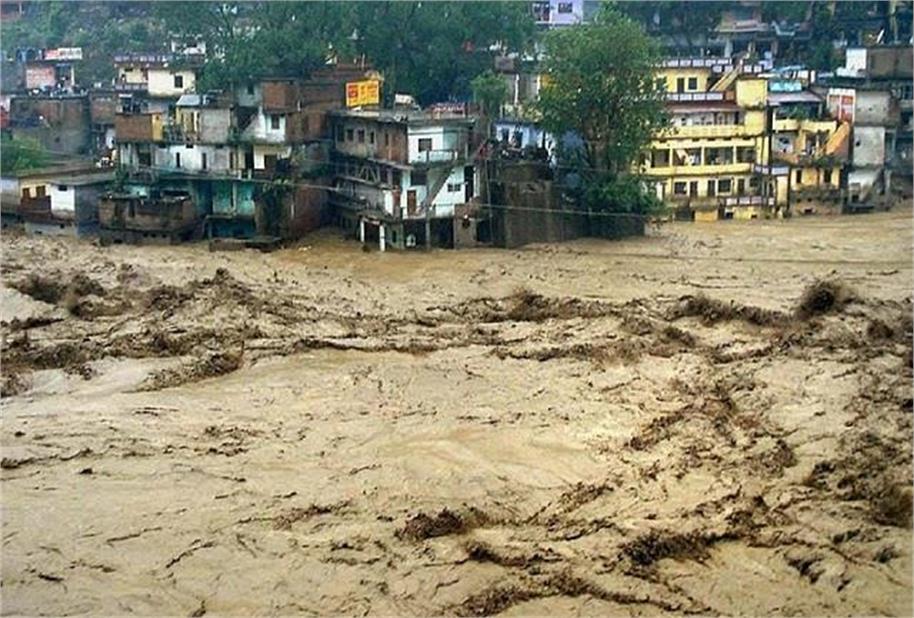
After the 2018 Kerala floods, a UN-led Post Disaster Needs Assessment put the cost of recovery and rebuilding at about ₹31,000 crore. Government relief payments help families get through the first weeks, but they were never designed to cover losses of that size.
We could not find a verified national figure for the share of disaster victims who receive insurance compensation, so none is given here.
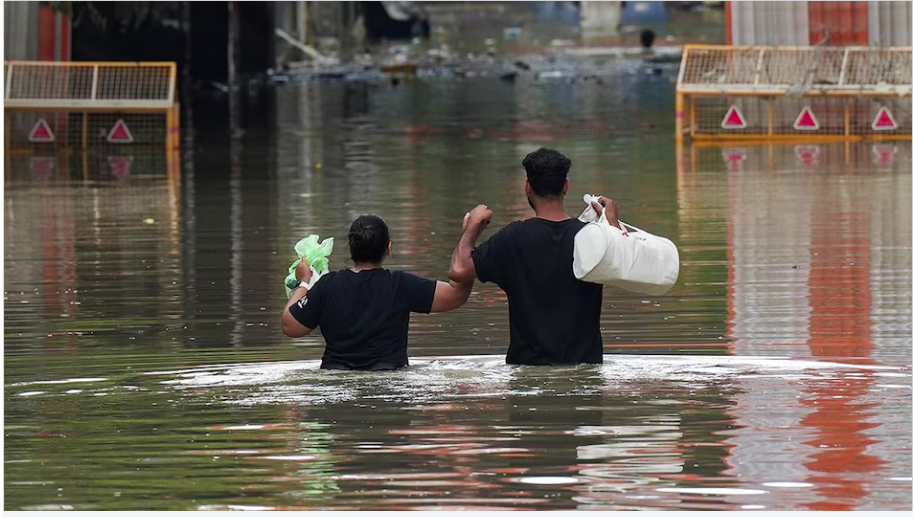
For most families, the disaster does not end when the water goes down or the fire is put out. That is when the real struggle starts: a damaged house, a ruined shop, a lost crop, a breadwinner in hospital. Rescue saves lives. Insurance is what helps people rebuild them.
Why this matters
Whether it is a flood in a village, a fire in a market or a road crash that injures the earning member of a family, money is often the difference between recovering and sliding into debt. Yet very few low-income households in India have any insurance on their home, shop or belongings.
What the data can and cannot show
India does not publish a single official year-by-year series of disaster losses, insured losses and the share covered by insurance. An earlier 2019 to 2025 table and a “stagnant at 8%” claim on this page could not be traced to IRDAI or NDMA and have been withdrawn.
What exists today
- Pradhan Mantri Fasal Bima Yojana (PMFBY): crop insurance for farmers.
- Pradhan Mantri Suraksha Bima Yojana (PMSBY): accident insurance through your bank. It pays ₹2 lakh for accidental death or total permanent disability and ₹1 lakh for partial permanent disability, for ₹20 a year (ages 18 to 70).
- Ayushman Bharat: covers hospital treatment, not property loss.
- State Disaster Response Fund (SDRF): pays ex-gratia relief after notified disasters. This is relief, not insurance.
- Home and shop insurance from general insurers can cover fire, flood, cyclone and earthquake damage, but only if you buy it.
Each of these covers one piece. None of them protects a family’s home, livelihood and health together.
Case study: Kerala floods (2018)
- Recovery needs: about ₹31,000 crore, according to the UN-led Post Disaster Needs Assessment presented to the Kerala government in October 2018.
- Insurance: we found no verified figure for claims filed, claims settled or the share of uninsured households.
- Lesson: insurance has to be in place before the disaster. It cannot be arranged afterwards.
Gaps in disaster insurance
- Low awareness. Many people do not know that home and shop policies can cover floods and fires, or that PMSBY exists.
- No requirement for property insurance in flood- or fire-prone areas.
- Slow claim settlement after large disasters, when insurers face thousands of claims at once.
- Informal workers often have no cover at all.
- Weak coordination between insurers, disaster authorities and state governments.
Why there is no international table here
An earlier country table on this page (Japan 92%, USA 85% and so on) and a “lowest in Asia” ranking could not be traced to any published source and have been withdrawn. Countries define insured disaster losses differently, so the figures are not directly comparable.
The way forward
- A national disaster insurance framework, worked out between disaster authorities and the insurance regulator.
- Low-cost, simple disaster cover for homes in high-risk zones, with government support for the poorest families.
- Public and private insurers sharing disaster risk through a common pool.
- Insurance offered as a standard option with home, shop and MSME loans.
- Simple online claim filing, with fast-track settlement after notified disasters.
What you can do
- Check whether your home, shop and vehicle are insured against fire and flood, and what the policy actually covers.
- Enrol in PMSBY and PMJJBY through your bank. They cost very little.
- Keep digital copies of your policies, Aadhaar, bank details and property papers in DigiLocker, so you can claim even if the paper copies are lost.
- Take photos of your home and stock every year. They make a claim much easier.
- If a claim is delayed, complain to the insurer’s grievance officer first, and then to IRDAI through its Bima Bharosa portal.
Do this this week
Find your home or shop insurance policy, if you have one, and read what it covers. If you do not have one, ask your bank about PMSBY and get a quote for basic home or shop cover. Rebuilding after a disaster should not depend on donations.
References
What needs attention
- Disaster recovery costs can run into thousands of crores, far beyond relief payments
- India publishes no official figure for how many disaster victims are insured
- Existing schemes each cover one risk, such as crops, accidents or hospital care
- Most low-income households have no insurance on their home, shop or belongings
- Insurance must be in place before a disaster; it cannot be arranged afterwards
Controls that reduce risk
- Insure your home, shop and stock against fire and flood
- Enrol in PMSBY and PMJJBY through your bank
- Store policies and key documents in DigiLocker
- Photograph your home and stock every year
- Escalate delayed claims to IRDAI's Bima Bharosa portal
Common unsafe practices
- Assuming government relief will cover the cost of rebuilding
- Not insuring a home or shop in a flood- or fire-prone area
- Not reading what a policy actually covers
- Keeping policy papers only in paper form at home
- Not enrolling in low-cost schemes like PMSBY and PMJJBY

Leave a comment