
What happened here
 1 / 3
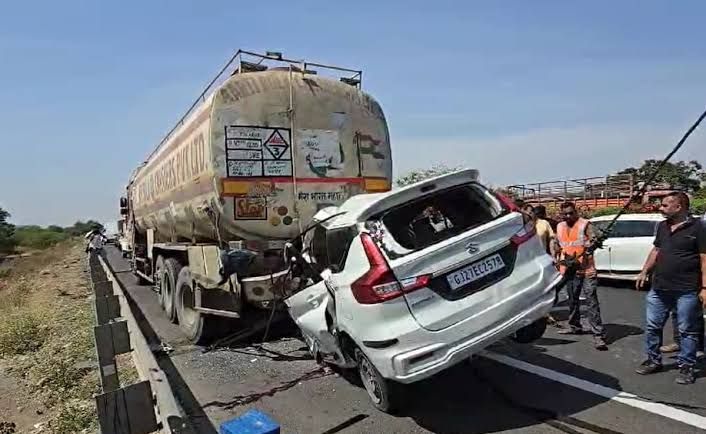
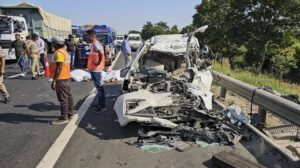
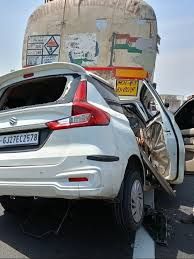
1 / 3 A light utility vehicle carrying ten people struck the rear of a stationary oil tanker on National Expressway 1; eight died at the scene and two later.
Quick answers
What happened in the April 2024 Ahmedabad-Vadodara Expressway crash near Nadiad?
On 17 April 2024, a light utility vehicle carrying ten people ran into the back of an oil tanker that had stopped in the left lane near Nadiad after a reported technical snag. All ten died, eight at the scene and two later.
Why is a stopped truck or tanker on an expressway so dangerous?
Traffic behind is moving fast and does not expect a vehicle standing still. Without hazard lights and a warning triangle well behind it, drivers may see it too late to brake. Here, police said the tanker had no lights or warning out.
Is it safe to travel in an overloaded taxi on a highway?
No. A vehicle carrying more people than it has seats means some passengers have no seat belt and the vehicle handles worse. If a shared ride is already full, wait for the next one.
What should I do if I see a crash on the highway?
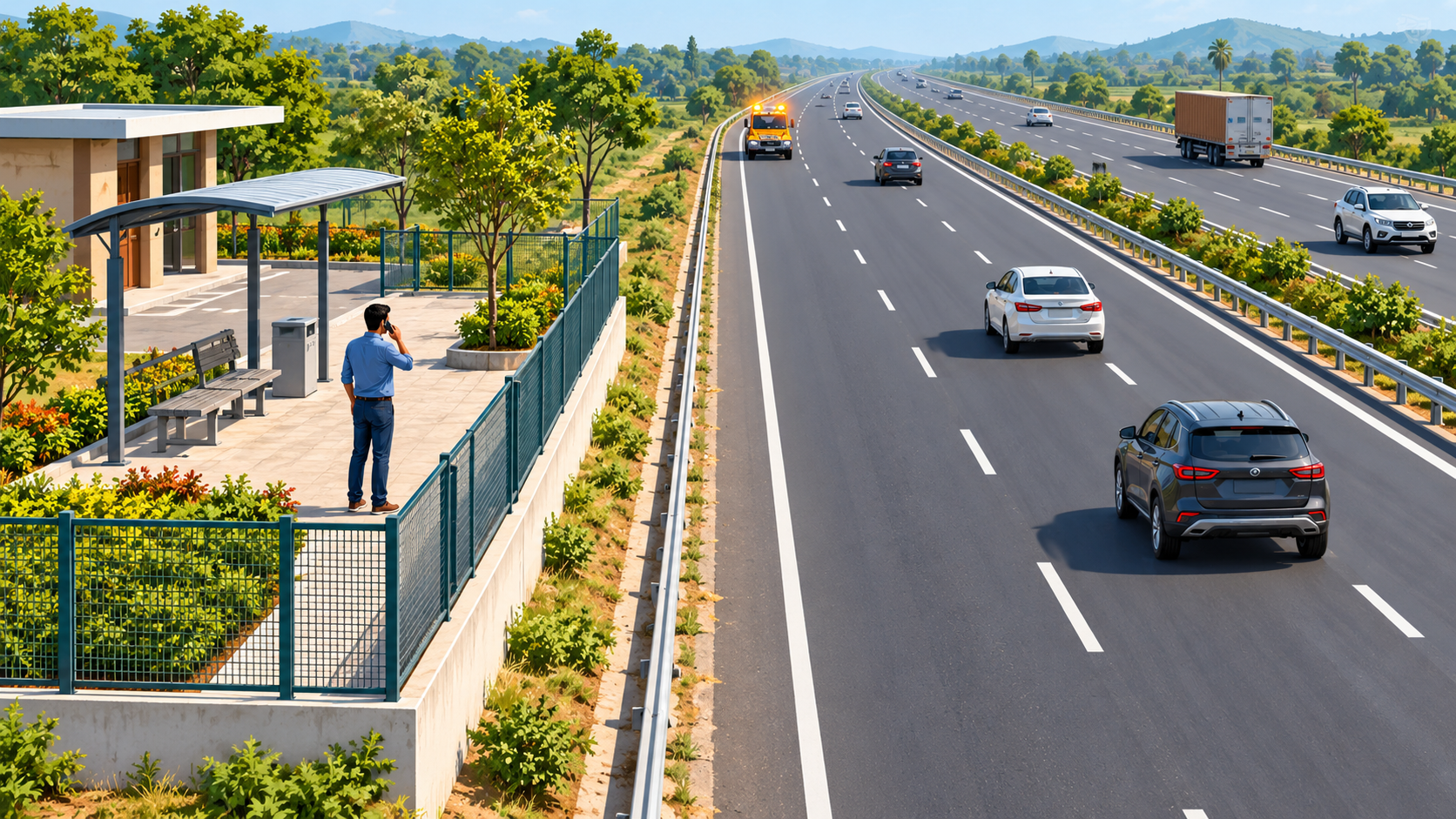
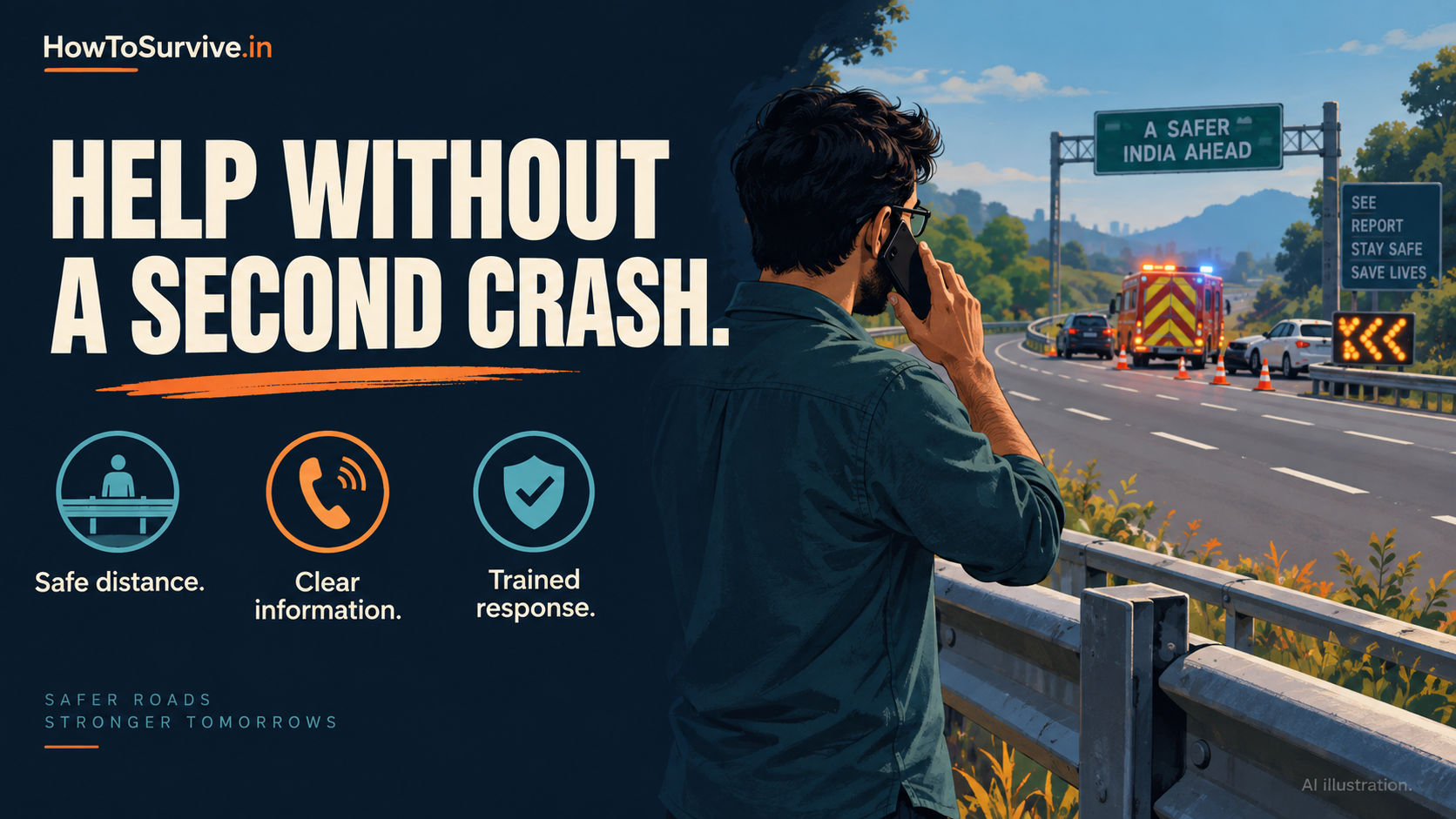
Park well back with hazard lights on and keep yourself safe. Call 112, or 108 for an ambulance, and give the expressway name, direction and nearest toll plaza or kilometre stone. Do not move the injured unless there is fire or another immediate danger.
I drive the Ahmedabad-Vadodara Expressway often, and the crash near Nadiad has stayed with me. On 17 April 2024, a light utility vehicle carrying a driver and nine passengers ran into the back of a stationary oil tanker near Nadiad in Kheda district. All ten people died, among them a five-year-old girl. Eight were killed on the spot and two died later.

What happened
The tanker had stopped in the extreme left lane after what its driver said was a technical snag. According to the police FIR reported by The Indian Express, he had put out no parking lights, reflector or hazard warning, and was sitting in his cabin.
The passenger vehicle was heading towards Ahmedabad. Police said its driver was going at top speed and tried to overtake other traffic from the left, through the emergency lane. Apart from its boot, the whole vehicle was crushed. The FIR names both drivers for negligence, and the tanker driver was arrested.
What went wrong
A stopped tanker that could not be seen in time
A heavy vehicle standing in a live lane has to be visible from far away. With no lights or warning, and faster traffic squeezing past on the left, the tanker became a trap for anyone coming at speed.
Speed and overtaking from the left
Police say the passenger vehicle was speeding and overtaking from the left through the emergency lane. Both are dangerous on any road and deadly on an expressway. Awareness drives help, but steady, strict enforcement is what really changes how people drive.
Too many people in one vehicle
The reports I checked do not say whether this vehicle was over its seating limit. But overloaded taxis and shared vehicles on our highways put everyone on board at risk. Reliable, affordable state-run buses on this route would give people a safer choice than squeezing into a private vehicle.
Help that arrives quickly
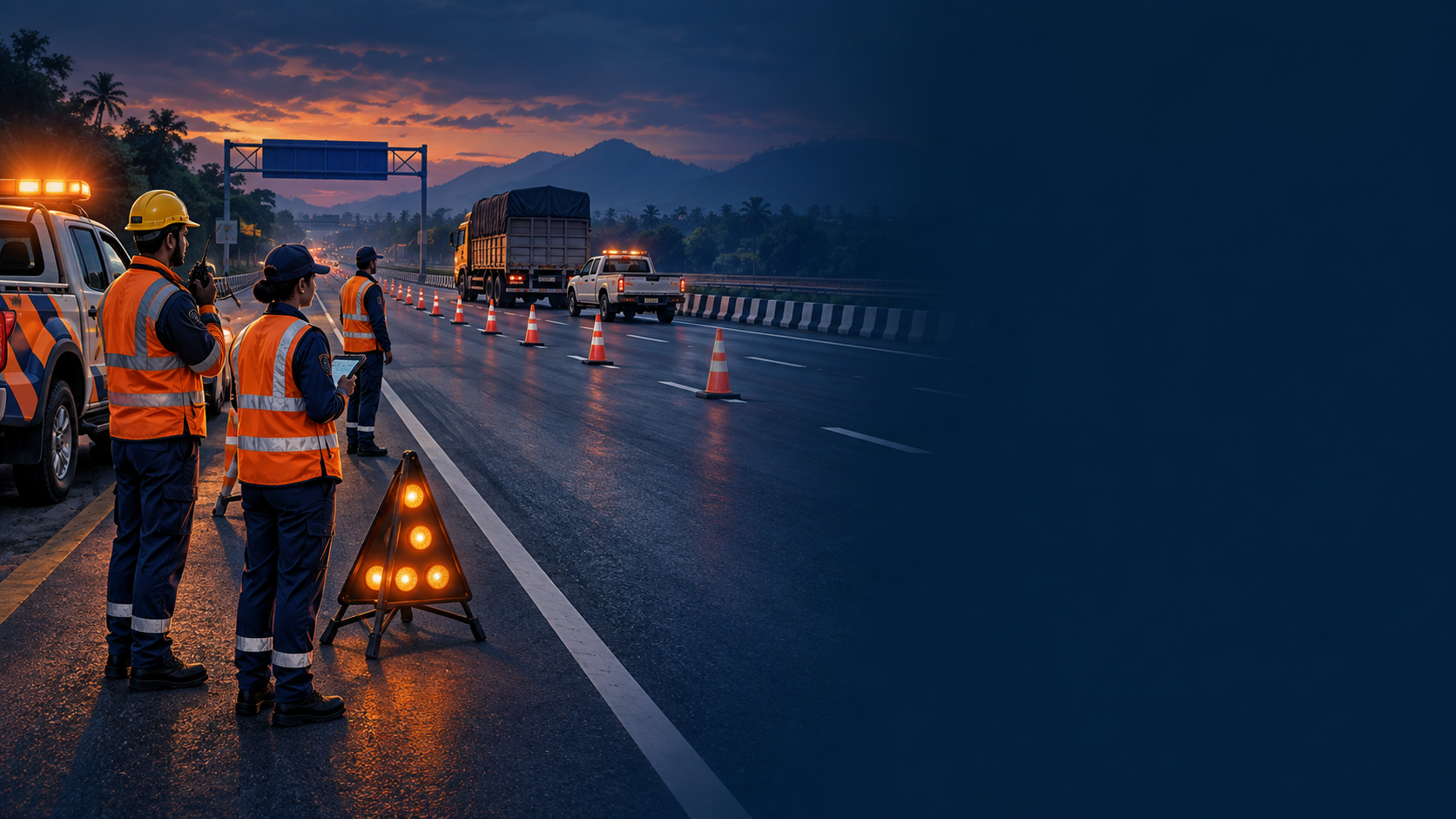
On an expressway, minutes count. Toll authorities and highway operators need a clear drill to spot a stopped vehicle, warn the traffic behind it and get first responders to a crash fast.
If your vehicle breaks down on an expressway
- Switch on the hazard lights straight away.
- Get the vehicle off the carriageway and onto the shoulder if you possibly can.
- Place a warning triangle well behind it.
- Get everyone out on the side away from traffic and wait behind the crash barrier, never between vehicles.
- Call 112 and give the expressway name, your direction and the nearest toll plaza or kilometre stone.
If you come upon a crash
Park well back with your hazard lights on and keep yourself safe first. Call 112, or 108 for an ambulance. Do not move an injured person unless there is a fire or some other immediate danger.
Before your next long drive
Check that your car has a warning triangle and that the hazard lights work. Make sure everyone, front and back, has a seat belt on before you move. Keep a long gap behind trucks and tankers, and overtake only from the right. If a shared ride is already full, wait for the next one. Ten families near Nadiad would have given anything for those small habits.


- Oil tanker is stationary on the expressway
- Ahmedabad-bound light utility vehicle reaches the location
- Passenger vehicle collides with tanker
- Highway patrol and 108 ambulances attend
- Drivers, vehicle use and collision circumstances are examined
Why consequences escalated
- A heavy vehicle stopped on a high-speed road needs warning lights and a triangle well behind it at once
- Drivers need a long enough gap to see a stopped vehicle and brake in time
- Everyone in the vehicle, front and back, should be wearing a seat belt
- Taxis and shared vehicles must not carry more people than they have seats for
- At a crash, the first job is to stop a second vehicle running into the scene
Failures and risk multipliers
- Overtaking from the left at high speed, which police said happened here
- Leaving a broken-down heavy vehicle in a live lane without warning
- Following so closely that a stopped vehicle cannot be seen in time
- Carrying more people than the vehicle has seats for
- Travelling without seat belts in every seat
People closest to the evidence
“We have now ascertained that the driver of the light utility vehicle, who is among the deceased, had been driving at top speed and trying to overtake from the left lane and crashed into a stationary oil tanker that had developed a technical snag on the highway.”
Rajesh Ghadiya, Superintendent of Police · Indian Express report on the expressway crash, 17 April 2024 · Source ↗
Actions that reduce risk
- Overtake only from the right, and only when the road ahead is clear
- Keep a long gap behind heavy vehicles on the expressway
- If a truck breaks down, get it off the carriageway if possible, switch on hazard lights and put out warning triangles well behind
- Expressway operators: spot and clear stopped vehicles quickly, and warn traffic behind them
- Taxi and shared-vehicle operators: never carry more passengers than the seats
- Wear seat belts in every seat, front and back
Leave a comment