
What happened here
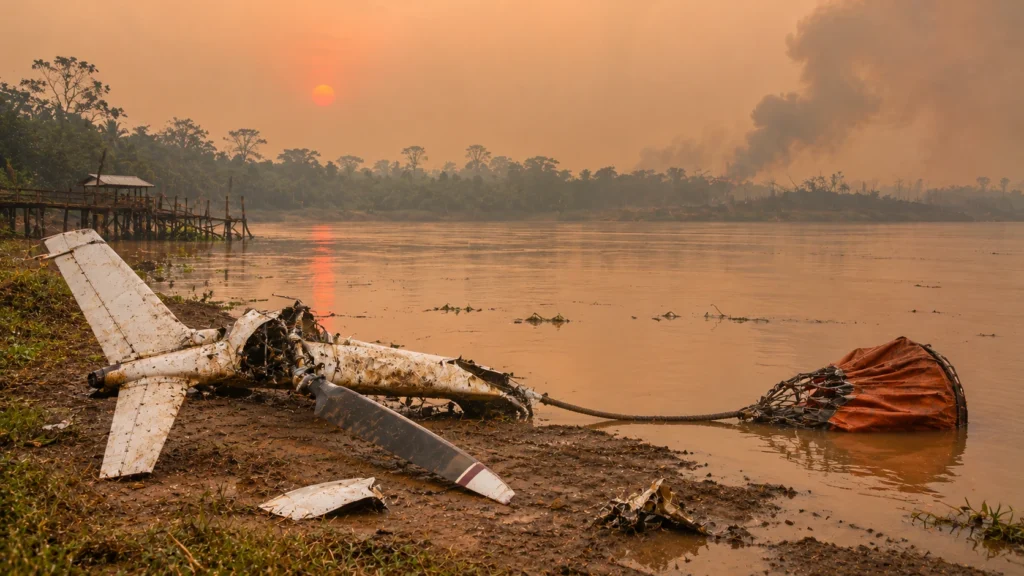
No cause established for either crash; the Army is investigating the 4 November crash, and BNPB and the Transport Ministry are reviewing the 8 November crash. Two firefighting helicopters crashed in Indonesian Borneo within five days in November 2026, both while taking on water for water-bombing. An Indonesian Army Mi-17V5 went down off Sungai Perlu village in Seruyan, Central Kalimantan, on 4 November with eight aboard; three Army aviation personnel died and five survived, after early counts of one and then two dead. A chartered Airbus H225 Super Puma crashed into the Barito River near Tabatan in Barito Kuala, South Kalimantan, on 8 November; the helicopter landing officer died and the two pilots survived, and their nationalities are reported differently. Four people died in all. BNPB says it will evaluate seven safety areas, including how water is drawn from rivers, and the Transport Ministry has begun a preliminary airworthiness and operations review.
Quick answers
How many firefighting helicopters crashed in Kalimantan in November 2026?
Two, in separate places. An Indonesian Army Mi-17V5 went down in Seruyan, Central Kalimantan, on 4 November, and a chartered Super Puma crashed into the Barito River in South Kalimantan on 8 November.
How many people died?
Four in all: three Army aviation personnel in the 4 November crash and one helicopter landing officer in the 8 November crash. Early counts were lower and were revised.
Were the two crashes connected?
No outlet we opened links them. They were different aircraft, operated by the Army and by a charter company, about 270 km apart. Both happened while the helicopter was taking on water.
What caused the crashes?
Not established. Early police and BNPB comments are not findings. The Army investigates its crash and BNPB and the Transport Ministry are reviewing the Super Puma crash.
Who were the survivors of the Barito crash?
The two pilots, who were pulled from the river. Reports give their nationalities as one Australian and one New Zealander, two Australians, or two New Zealanders. We give no names.
What should I do near a helicopter that is scooping water?
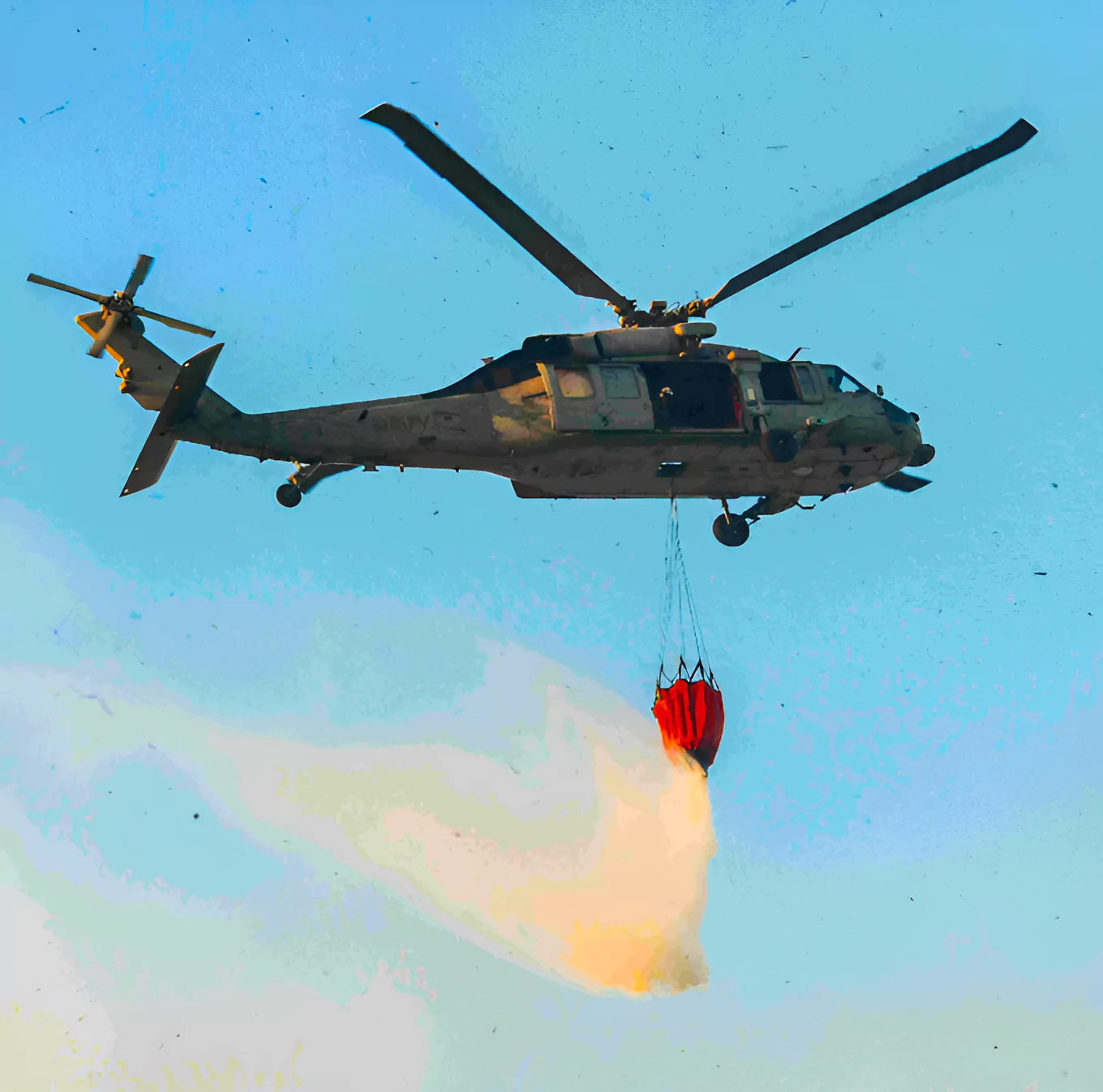
Keep boats, swimmers and onlookers clear of the pick-up area and the flight path, and never fly a drone near it. Our Bambi Bucket guide explains how these drops work.
How can I protect myself from forest-fire smoke?
Stay indoors with windows closed where you can, follow local air-quality advice and use a well-fitted N95 or FFP2 mask if you must go out. Our guide on being trapped in smoke explains what helps and what does not.
What happened
Two firefighting helicopters crashed in Indonesian Borneo within five days in November 2026. Both were taking on water for forest and land fire water-bombing, and four people died. On Wednesday 4 November an Indonesian Army Mi-17V5 went down in the waters off Sungai Perlu village in Seruyan district, Central Kalimantan, on a mission over Tanjung Puting National Park. Eight people were aboard; three Army aviation personnel died and five survived. On Sunday 8 November a chartered Airbus H225 (EC225LP) Super Puma, registered VH-HGM, crashed into the Barito River near Tabatan village in Kuripan, Barito Kuala district, South Kalimantan. One Indonesian crew member, the helicopter landing officer, died; the two pilots survived. These were two separate aircraft with different operators, in two provinces roughly 270 km apart, and no outlet we opened ties them to one cause. No cause has been established for either.
The count for the 4 November crash changed through the day. ANTARA and Kompas TV first reported one dead, five rescued and two still missing. By the evening the Army told AFP that two were dead and one was missing, while the Transport Ministry gave a higher toll of three. The last crew member was found dead inside the wreck on Friday 6 November, which made it three dead and five survivors, and the three were later promoted after death, The Star reports from the Jakarta Post. Police first described a technical problem while the helicopter was taking water, and ANTARA wrote that the helicopter was thought to have had a problem in flight; the Army says the cause is under investigation. On Saturday 7 November Navy divers recovered the flight data recorder and the tail boom, and the recorder went to the Army aviation investigation team.
For the 8 November crash, the National Disaster Management Agency (BNPB) first said all three on board were safe and later corrected that. Video taken by local residents, which a BNPB spokesman cited, shows the helicopter losing control while manoeuvring after scooping water from the river with a Bambi bucket. The two pilots were pulled from the river alive. The landing officer was found dead and his body was recovered in the evening. The reports do not agree on whether the two pilots are Australian, New Zealander or one of each, and no outlet gives a cause. BNPB says it will evaluate seven safety areas, including how water is drawn from rivers, and the Transport Ministry’s air transport directorate has begun a preliminary review. We use no names for any crew member.
What the reports say
- Crash 1, aircraft and place: Indonesian Army (Puspenerbad) Mi-17V5, registration HA-5235 per Detik, which went down in the waters off Sungai Perlu village, Danau Sembuluh sub-district, Seruyan district, Central Kalimantan, on a water-bombing mission over Tanjung Puting National Park (ANTARA, Detik, Kompas TV). It took off from Kuala Pembuang at 9.55 am and was heading for the Telaga Pulang resort in the park (ANTARA, Kaltim Post).
- Crash 1, time and toll: About 11.18 am on Wednesday 4 November 2026 (ANTARA). Eight aboard. Three Army aviation personnel died and five survived and were treated in Kuala Pembuang (The Star from the Jakarta Post, Kaltim Post, afu.id). The Army and the Transport Ministry gave 2 and 3 dead on the evening of the crash (AFP via Gulf News).
- Crash 1, rescue and recovery: Two crew were lifted out by a Bell helicopter at about 12.30 pm and taken to the Kuala Pembuang hospital, with the rest brought out by air and water and a Kamov helicopter in support (Detik). The last crew member was found dead inside the wreck on Friday 6 November at about 9.15 am (afu.id). Navy divers recovered the flight data recorder and tail boom on Saturday 7 November (The Star).
- Crash 2, aircraft and place: Eurocopter EC225LP Super Puma (Airbus H225), registration VH-HGM, serial number 2878, privately owned and chartered by BNPB for water-bombing (ANTARA, Metro TV). It crashed into the Barito River near Tabatan (Tabatan Baru) village, Kuripan sub-district, Barito Kuala district, South Kalimantan (ANTARA, Kemenhub via RCTI+, UPI). The Star names the operator as ARC Helicopters, an Australian company at Moorabbin Airport, Melbourne; we saw that in one outlet only.
- Crash 2, time and people: About 11.56 am on Sunday 8 November 2026, with the helicopter drawing water (Transport Ministry via RCTI+, The Star). Three aboard: two pilots and one helicopter landing officer. The landing officer, an Indonesian, died; his body was recovered at about 6.08 pm (Metro TV, quoting Basarnas). The two pilots survived and were treated at an Indonesian Air Force hospital (UPI, The Aviation Hub).
- Crash 2, how it happened: Residents’ video shows the helicopter approaching the river, scooping water with a Bambi bucket, then losing altitude with its nose down and going into the water (The Star, Kompas TV, ANTARA). BNPB’s spokesman told AFP the helicopter appears to lose control while manoeuvring. That is a reading of a video, not an investigation finding.
- Who is responsible for what: The Army investigates its own Mi-17V5 crash. For the Super Puma, BNPB says it will support an official investigation (UPI, The Star) and evaluate seven areas: airworthiness, crew competence, flight procedures, water-drawing procedures, site conditions such as currents and obstacles, weather, and coordination with the ground (BNPB acting head of its data centre via RCTI+). The Transport Ministry’s air transport directorate began a preliminary review of airworthiness and operations (Okezone via RCTI+). None of the pages we opened mentions the national transport safety committee.
- After the crashes: South Kalimantan’s governor said on Monday 9 November that aerial water-bombing had been suspended because conditions were relatively under control after rain and cloud-seeding, leaving ground teams (ANTARA). BNPB said the firefighting response continues (UPI).
Where reports differ and what we do not know
- Toll of the 4 November crash: One dead (first reports from the Army statement, ANTARA, Kompas TV, Jakarta Post), then two dead and one missing (the Army, evening, via AFP), then three (the Transport Ministry via AFP, and the final count after the last body was found on 6 November). We use three dead and five survivors; Kaltim Post, The Star and afu.id agree. The Aviation Hub says all three crew were killed, which does not fit eight aboard and is not used.
- Water source of the 4 November crash: The Army, via AFP, said the helicopter was scooping seawater; ANTARA, Detik and Kompas TV place it in the waters of Sungai Perlu village. We say waters off Sungai Perlu village and do not say sea or river.
- Cause of the 4 November crash: Police said the helicopter had a technical problem while taking water (Detik) and ANTARA wrote that a problem in flight was suspected. The Army says the cause is under investigation. These are early statements, not findings.
- First report of the 8 November crash: ANTARA, Kompas TV and others first reported all three crew safe; AFP said one was missing; the landing officer was later found dead. We use one dead and two survivors.
- Nationality of the two pilots: One Australian and one New Zealander (The Star, UPI, The Aviation Hub); two Australians (AFP via Khaleej Times); two New Zealanders (Metro TV, citing Basarnas). We name no one and give the nationalities as reported.
- Time of the 8 November crash: About 11.56 am (Transport Ministry, The Star), with the time zone not stated; UPI says shortly before 1 pm local time and one search listing gave about 12.15 pm. We use about midday.
- Why aerial work was suspended in South Kalimantan: ANTARA’s headline links the suspension to the crash; the governor’s own words give improved fire conditions after rain. We give both.
- Not known: The cause of either crash; whether both helicopters were carrying the same kind of load at the moment of the crash; wind, visibility and smoke at each site; the condition of the two aircraft; whether the Barito pilots or the Army crew had any warning. No investigation finding for either crash had been published when we read the reports.
What this case teaches
Aerial firefighting is meant to protect people on the ground, and these two crashes are a reminder that it is dangerous work for the people in the aircraft. Both helicopters were low over water and taking on water, and BNPB’s own list of seven evaluation areas names the way water is drawn from rivers. We do not say that scooping caused either crash, because no investigator has said so. What we can say is what the reports show: the Army crash cost three lives, the Super Puma crash cost one, and in the Barito case local residents were on the water within moments and the two pilots came out alive.
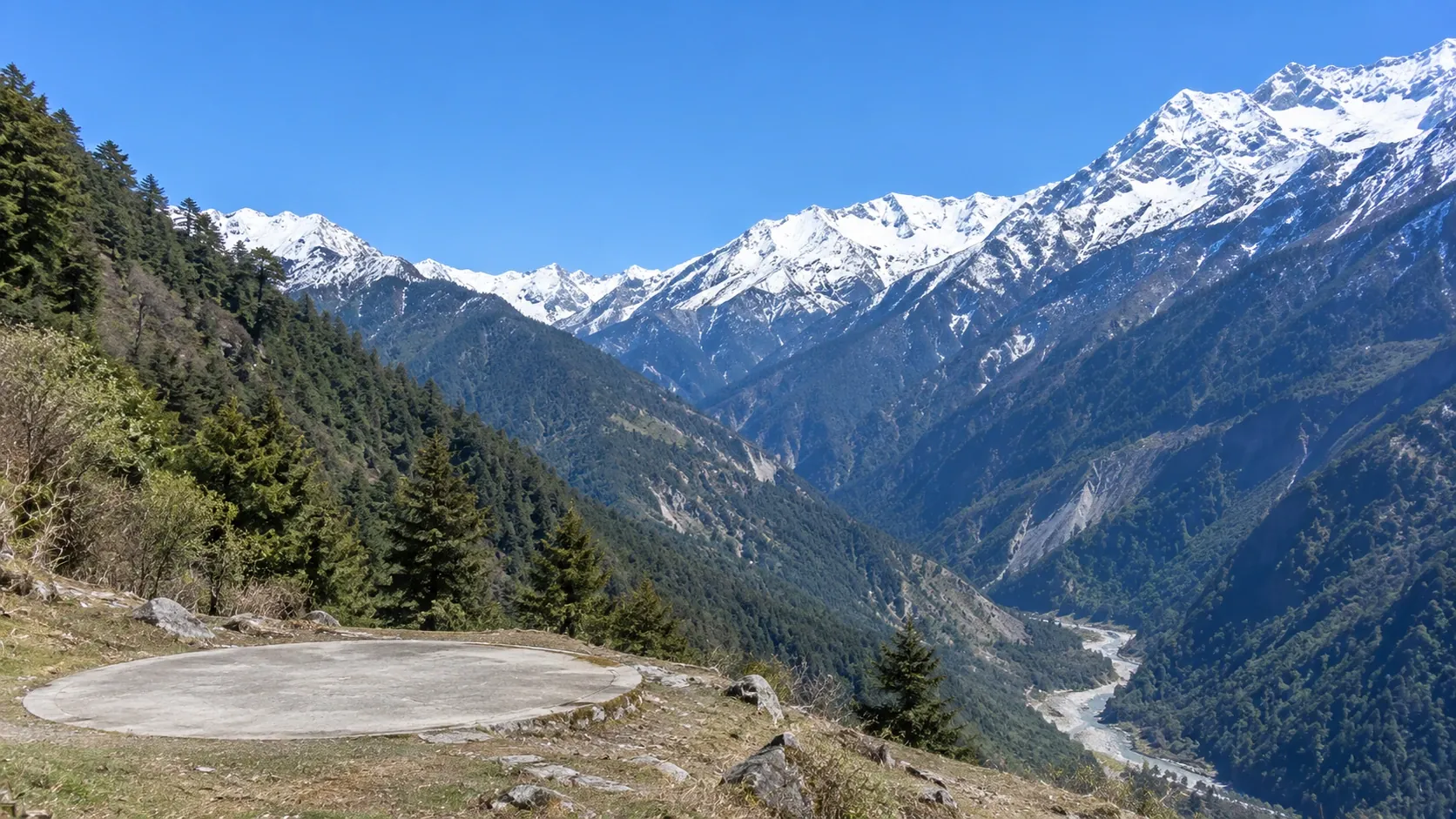
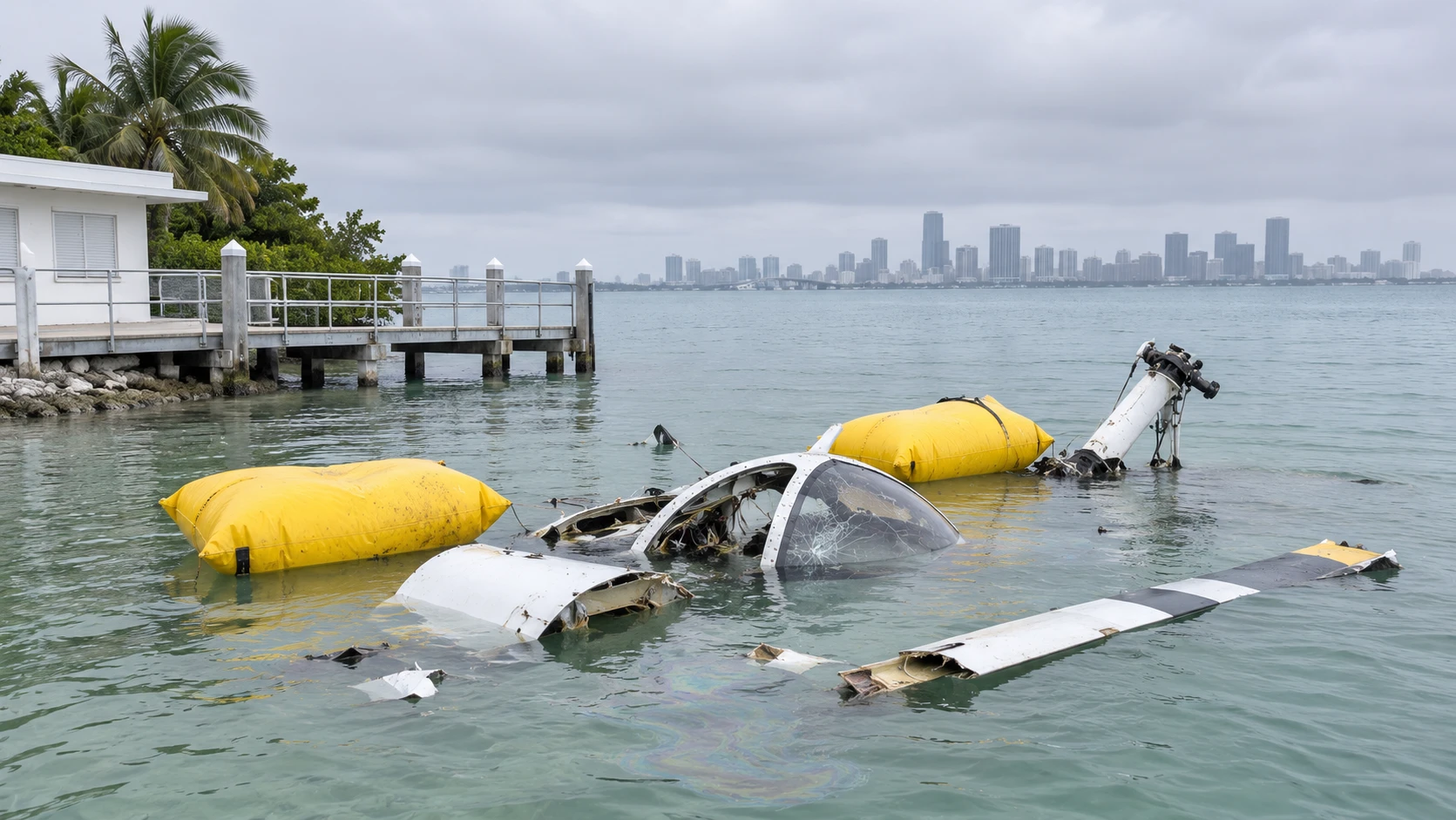
The crashes happened in the middle of a severe fire and smoke season. AFP quotes the monitor Nusantara Atlas as saying more than 1.9 million hectares have burned across Sumatra, Borneo and Papua, and the Centre for Research on Energy and Clean Air estimates that smoke caused 3,560 deaths in Indonesia in September; the health ministry says over 400,000 people have been treated for haze-related breathing illness. For readers, the useful points are practical. Keep boats, swimmers and onlookers clear of any lake, river or sea edge where a helicopter is dipping a bucket, and never fly a drone near firefighting aircraft. Our guide to the Bambi Bucket and how helicopters drop water on forest fires explains the equipment and why people should keep clear of the drop zone. If you live near a forest, report smoke early, keep access roads clear and leave early when told to; do not wait for a helicopter. In heavy haze, stay indoors with windows closed where you can, check your local air-quality advice and use a well-fitted N95 or FFP2 mask if you must go out. Our guides on forest and hill fires in India and how to stay safe, what to do when trapped in smoke and whether a wet cloth helps and smoke from a nearby fire and the next step to take cover these steps. Other recent helicopter cases on the site include the Joshimath helicopter crash in Uttarakhand, the Pheriche helipad collision in Nepal and the Biscayne Bay helicopter crash in Florida.
We read the reports on 11 November 2026 and found no published cause, no recorder findings and no later update on the survivors.
- The Army Mi-17V5 takes off from Kuala Pembuang for Telaga Pulang in Tanjung Puting National Park with eight aboard (ANTARA)
- The helicopter goes down in the waters off Sungai Perlu village while taking water for water-bombing; early reports say one dead and two missing (ANTARA, Kompas TV)
- Two crew are lifted out by a Bell helicopter to the Kuala Pembuang hospital (Detik)
- The Army says two are dead and one missing with five rescued; the Transport Ministry says three are dead (AFP)
- The last crew member is found dead inside the wreck; the toll is three dead and five survivors (afu.id, The Star)
- Navy divers recover the flight data recorder and tail boom and hand the recorder to Army aviation investigators (The Star)
- The chartered Super Puma crashes into the Barito River near Tabatan while drawing water; BNPB first says all three crew are safe (ANTARA, Transport Ministry)
- BNPB corrects its first statement; the landing officer is found dead and his body is recovered at about 6.08 pm; BNPB announces a seven-area safety evaluation (Metro TV, RCTI+)
- South Kalimantan's governor says aerial water-bombing is suspended because conditions are relatively under control after rain (ANTARA)
- No cause, recorder findings or investigation report is published in the pages we opened
Why consequences escalated
- Two firefighting helicopters crashed in Kalimantan on 4 and 8 November 2026, both while taking on water, and four people died.
- The Army Mi-17V5 crash killed three of the eight aboard; early counts of one and then two dead were revised as the search continued.
- The chartered Super Puma crash killed the helicopter landing officer; both pilots survived.
- No cause has been established for either crash.
- Residents' video shows the Super Puma losing control after scooping water; BNPB calls it an appearance of lost control, not a finding.
- BNPB will evaluate seven safety areas, including how water is drawn from rivers.
Failures and risk multipliers
- No investigator has published a finding. What the reports raise as questions:
- What went wrong with the Mi-17V5 while it was taking water, and what the recovered flight data recorder shows.
- Why the Super Puma lost control after scooping water, and what the river, current, wind and obstacles were like at the spot.
- Whether water-drawing procedures, crew rest and aircraft checks were in order in an intense, long fire season.
- How early counts could be wrong in both cases, and how agencies can give one confirmed figure sooner.
- These are open questions, not findings of fault.
Actions that reduce risk
- Residents near lakes, rivers and coasts used for water pick-up: keep boats, swimmers and onlookers clear of the pick-up area and the flight path, and follow local instructions.
- Everyone: never fly a drone near a firefighting aircraft, and never stand under a helicopter's path to film it.
- If an aircraft goes down near you: call the local emergency number, keep clear of the wreck and any fuel, and help from the bank with ropes or floats rather than entering fast or deep water alone.
- In heavy smoke: stay indoors with windows closed where you can, follow local health and air-quality advice, and use a well-fitted N95 or FFP2 mask if you must go out.
- Authorities and operators: publish the cause and the recorder findings, and give one confirmed casualty figure as early as possible.


Leave a comment