
What happened here
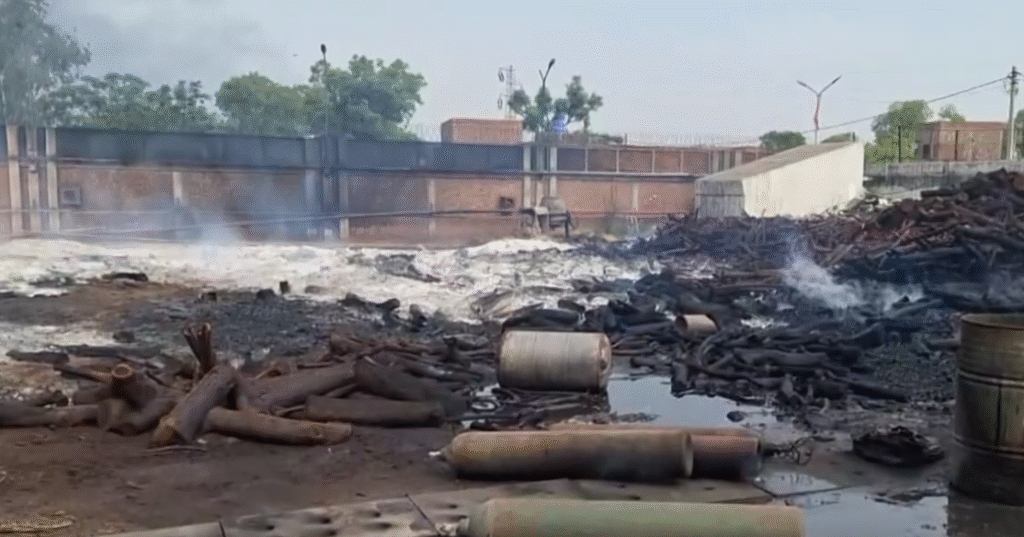
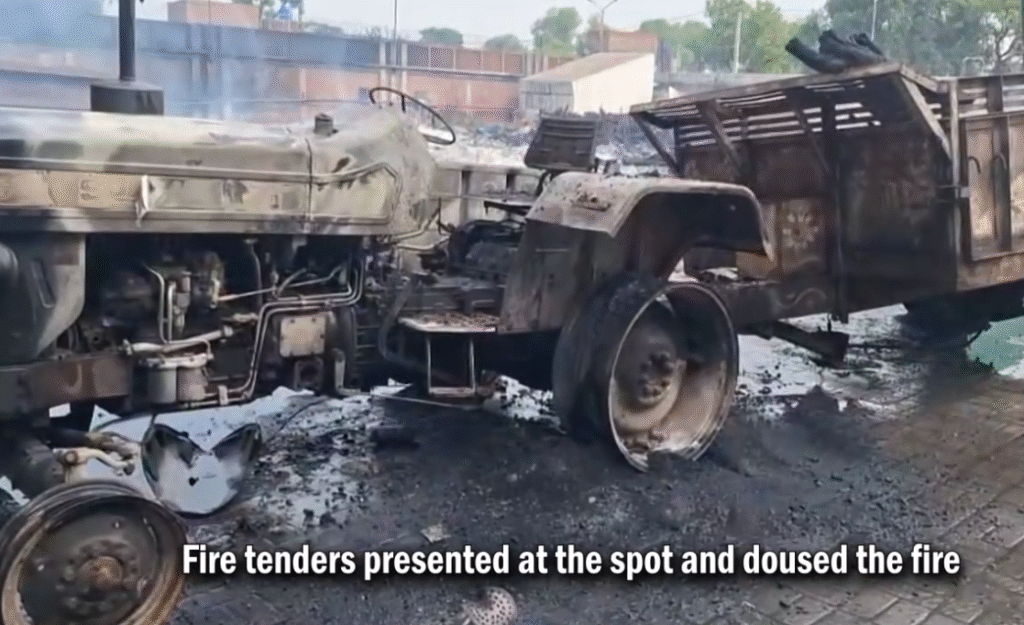
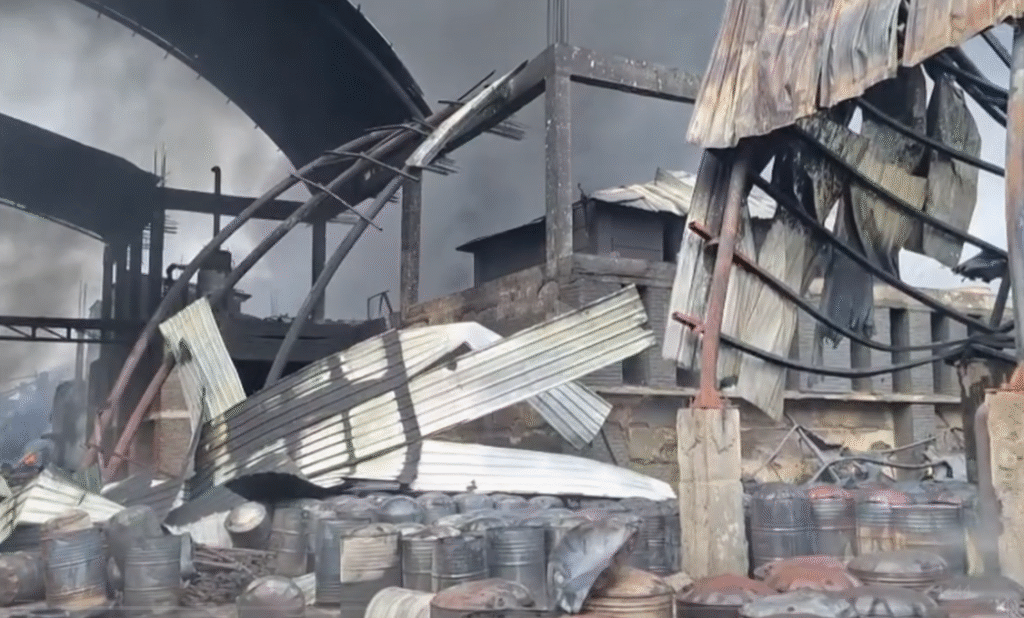
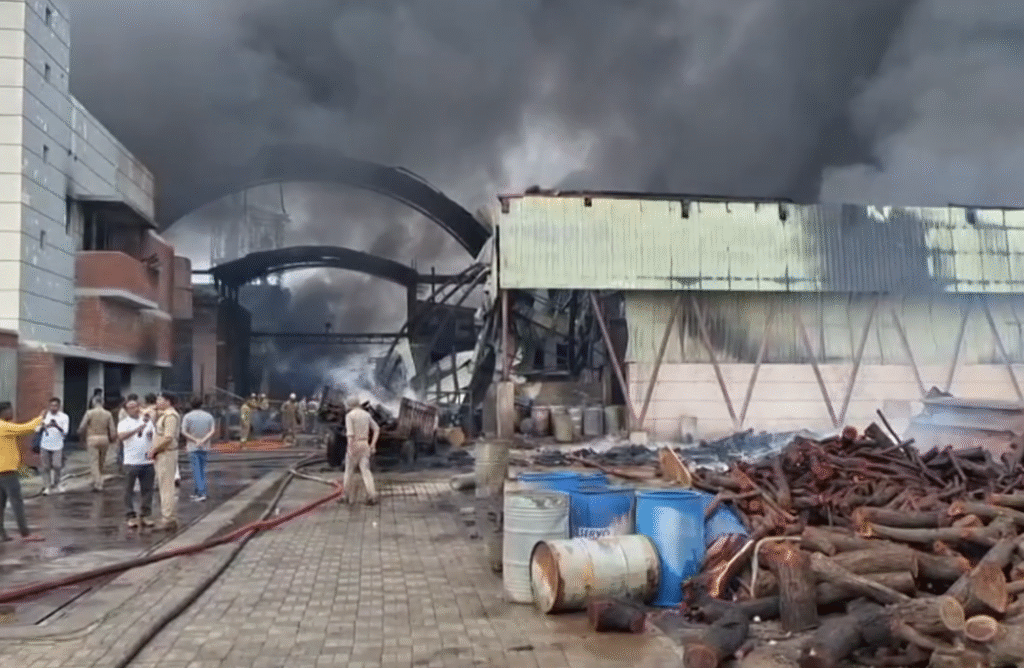
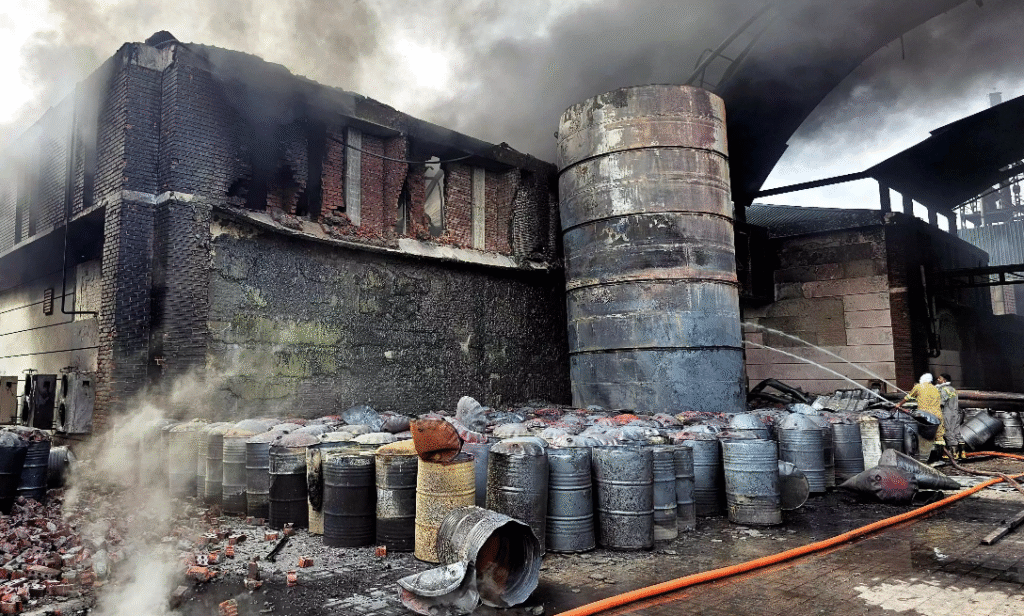
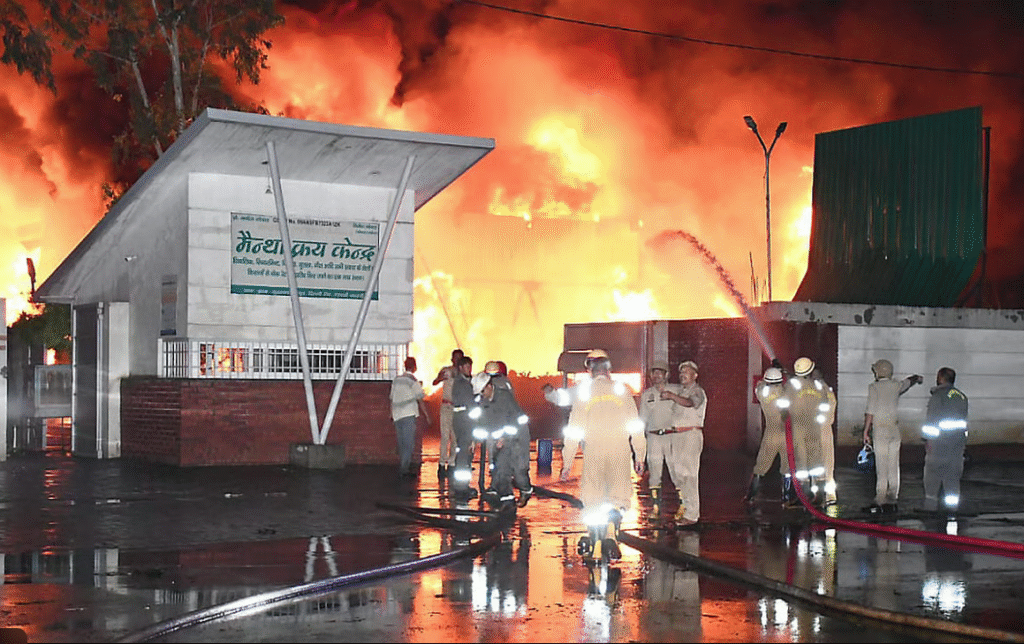 1 / 6
1 / 6 A transformer spark during a storm ignited a village fire that destroyed around 200 homes; no human deaths were reported, one person was burned and livestock were killed.
📅 Date & Location
- Date: Night of 21 May 2025
- Location: Tappa Jamni village, Budaun district (Ujhani area), Uttar Pradesh
🕯 What Happened?
- During a storm night, a spark in a transformer is reported to have triggered a fire.
- The fire spread rapidly under storm winds, engulfing approximately 200 houses in the village.
- By the time authorities arrived, most houses were reduced to ashes.
- One person sustained burn injuries and was admitted to a local health center.
- Many cattle also died in the blaze.
- Local administration began damage assessment and announced compensation and relief for affected families.
🔍 Mistakes / What Went Wrong
- Transformer / electrical fault during storm — high risk in overhead electrical systems under high wind.
- Poor insulation or vulnerability of houses (many likely kutcha / semi-permanent) made fire spread fast.
- Lack of firebreaks / buffer zones between houses in dense village layout.
- No early warning / detection mechanism — fire grew before many realized.
- Inadequate access for firefighting (narrow lanes, storm conditions).
- No structured evacuation planning or training for villagers.
⚖ Hidden / Less-Mentioned Truths
- The trigger was not an internal household fire, but an external infrastructure failure (transformer).
- Many affected houses may have lacked fire-resilient materials, making them extremely vulnerable.
- Loss extended beyond human structures — livestock losses are a critical economic blow.
- Relief and compensation processes can be slow, further deepening hardship.
🧯 How Could It Have Been Prevented?
- Upgrading transformer infrastructure and protecting them during storms (insulated, placed in safe enclosures).
- Use of fire-resistant building materials even in rural housing (clay, bricks, noncombustible roofing).
- Buffer spacing and firebreaks between houses in villages.
- Early detection systems (smoke alarms, community watch).
- Clear evacuation plans / mock drills for rural communities.
- Ensuring fire service access roads and readiness in rural areas.
- Electrical maintenance checks especially before storm seasons.
🛡 Survival Guide (If You Face Such a Fire in Storm Conditions)
- Stay calm. Don’t panic — clarity helps life-saving decisions.
- Cover your nose & mouth with damp cloth to reduce smoke inhalation.
- Move low (crawl) if smoke is heavy.
- Use the clearest path away from fire and flames, considering wind direction.
- Avoid path along walls if fire is adjacent.
- Signal for help — shout, use light or cloth from safe point.
- Do not try to salvage possessions — prioritize life.
- If trapped, seal gaps with wet cloth and ventilate minimal airflow until rescue.
- Call 101 / 112 with precise location, number of people, state of fire.
- After escape, seek medical help for smoke inhalation even if no burns.
📊 Data / Stats Box
- Houses destroyed: ~ 200
- Injuries: 1 person with burns
- Lives lost: No confirmed human deaths
- Livestock lost: Many cattle
- Cause: Spark from transformer during storm
- Relief: Compensation announced, damage assessment underway
📽 Visuals (Collected / Suggested)






🙏 Voices / Human Angle
- Residents described seeing a sudden flash, then fire sweeping rapidly across huts.
- Some fled in the dark, children and elders carried in arms through smoke and wind.
- Loss of cattle is mourned not just as property but as livelihood — families feel double loss.
📢 Systemic Lessons
- Rural electrification must include resilience to storms, not just connectivity.
- Fire safety must not be urban-only — rural & semi-urban areas need basic systems.
- Disaster planning must include non-structural risk (transformer, external sources).
- Proactive maintenance & inspection ahead of monsoon / storm seasons.
- Local capacity building: community fire response teams, awareness, tools, training.
- Transparent, quick relief & rehabilitation structures for affected rural zones.
💡 What You Can Do Today
✅ If you live in rural / semi-rural zones, note transformer / power lines location and avoid sleeping near them.
✅ Encourage use of fire-resistant roofing or wall materials.
✅ Push for local community fire safety training & drills.
✅ Demand that local bodies maintain electrical infrastructure and inspect before storms.
✅ Share this case with neighbors & local governance to raise awareness.
✅ Volunteer with HowToSurvive / VFF to run rural fire safety camps.
📌 Tags
#BudaunFire #VillageFire #StormFire #HowToSurvive #RuralSafety
🔚 Closing Line
“In remote nights when storms rage, a spark can turn home into ashes — knowing pathways, preparation, and quick calm action can turn disaster into survival.”
- Strong wind and storm affect Tappa Jamni
- A spark is reported from electrical equipment
- Wind carries fire through closely spaced homes
- Residents flee and attempt rescues
- Fire, police and district administration assess housing and livestock losses
Why consequences escalated
- Wind can turn one electrical ignition into a settlement-scale fire
- Closely spaced combustible roofs and stored fodder promote fire spread
- Distribution equipment needs vegetation clearance and storm inspection
- Villages need accessible water points and fire breaks
- Relief planning must include livestock, shelter and identity documents
Failures and risk multipliers
- Failing to separate ignition hazards from vulnerable people or combustible stock
- Relying on a single escape route
- Allowing alarms, suppression or electrical protection to remain unverified
- Failing to plan for people who need assistance
- Delaying emergency notification or responder access
People closest to the evidence
““Safety lesson””
The actual occupied condition—not the approval file—determines whether people can detect, escape and survive a fire.
Actions that reduce risk
- Inspect electrical and process hazards
- Test alarms, emergency lighting and suppression
- Walk every exit to open air
- Plan assistance for children, patients and disabled occupants
- Keep fire-service access and water points clear
- Run a realistic drill and close recorded defects
Leave a comment