
What happened here
 1 / 6
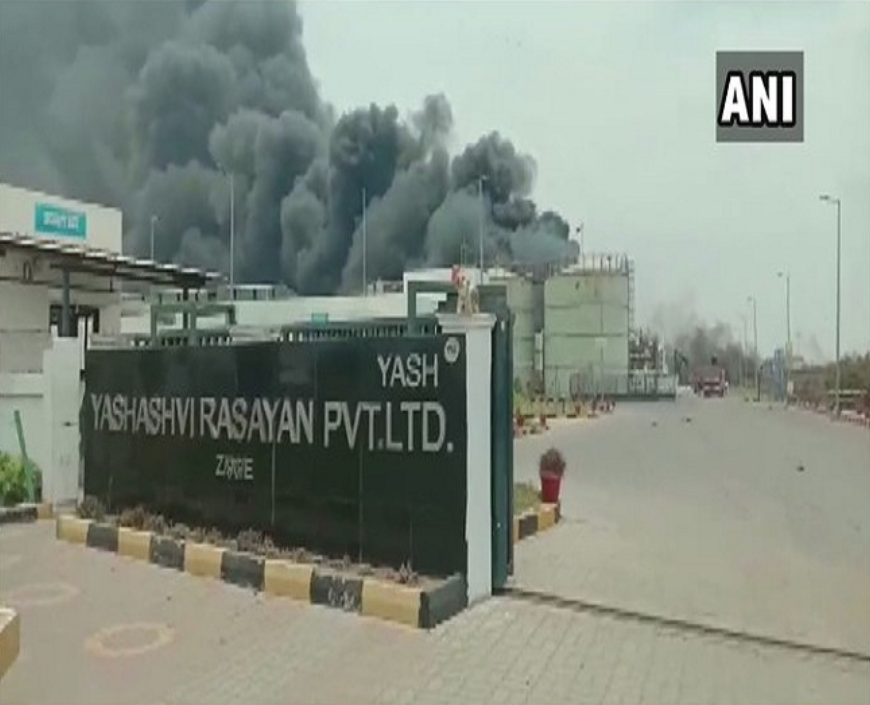
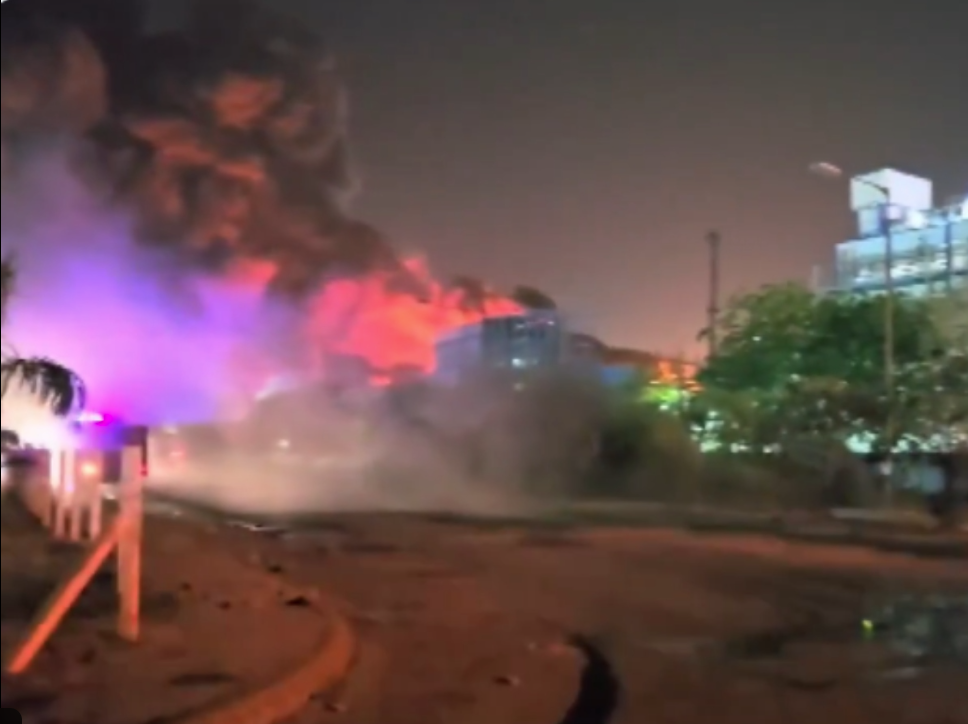
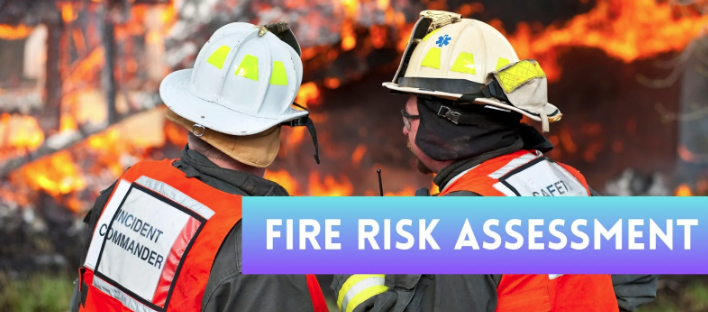
1 / 6 A major industrial fire at Panoli GIDC caused no reported deaths but produced a large smoke plume, reinforcing the need for chemical inventory intelligence, exclusion zones and off-site warning.
Quick answers
What happened in the Panoli GIDC factory fire in Bharuch?
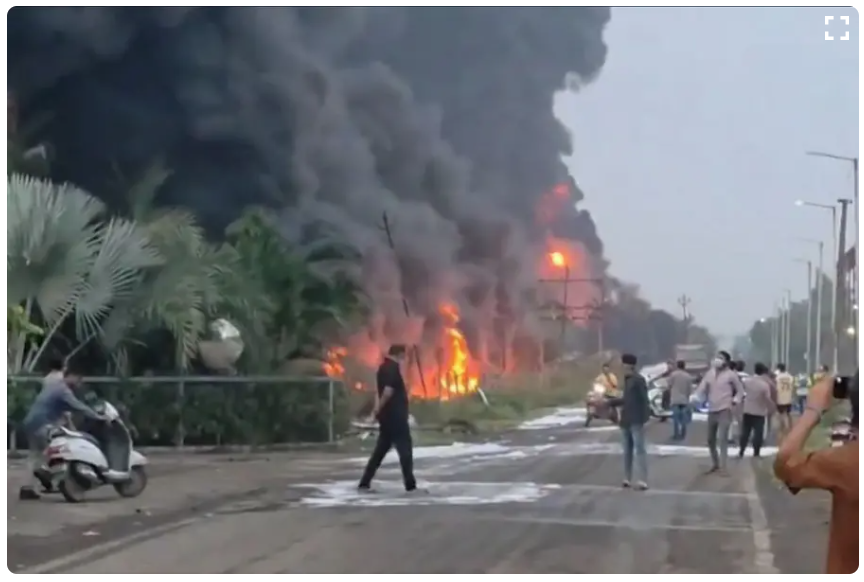
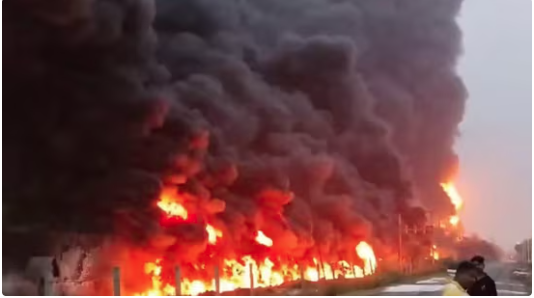
Around 14 September 2025, a major fire broke out at a chemical factory in Panoli GIDC, Bharuch district, Gujarat, sending up a large black smoke plume. Workers and nearby residents were evacuated as a precaution, and the cause was under investigation.
Why are chemical factory fires dangerous for nearby villages?
Toxic smoke and chemical vapours can travel beyond the factory boundary, which is why nearby villages were evacuated. The direction of the smoke plume should guide whether people evacuate or shelter.
What should you do if a factory fire breaks out near your home?
Do not approach the plume; move upwind and uphill and follow official instructions. Cover your nose and mouth, call 101 or 112 with the location, and seek medical attention for smoke inhalation even without visible injury.
How can chemical factories reduce the risk of major fires?
Install gas and smoke detectors with automatic suppression, separate chemical zones with fire-resistant walls, practise evacuation drills, and keep a current chemical inventory so responders can choose safe firefighting tactics.
📅 Date & Location
- Date: 14 September 2025 (Sunday; eyewitnesses said the fire started around 8 AM)
- Location: Sanghvi Organics Pvt Ltd, GIDC Panoli area, Bharuch district, Gujarat
🕯 What Happened?
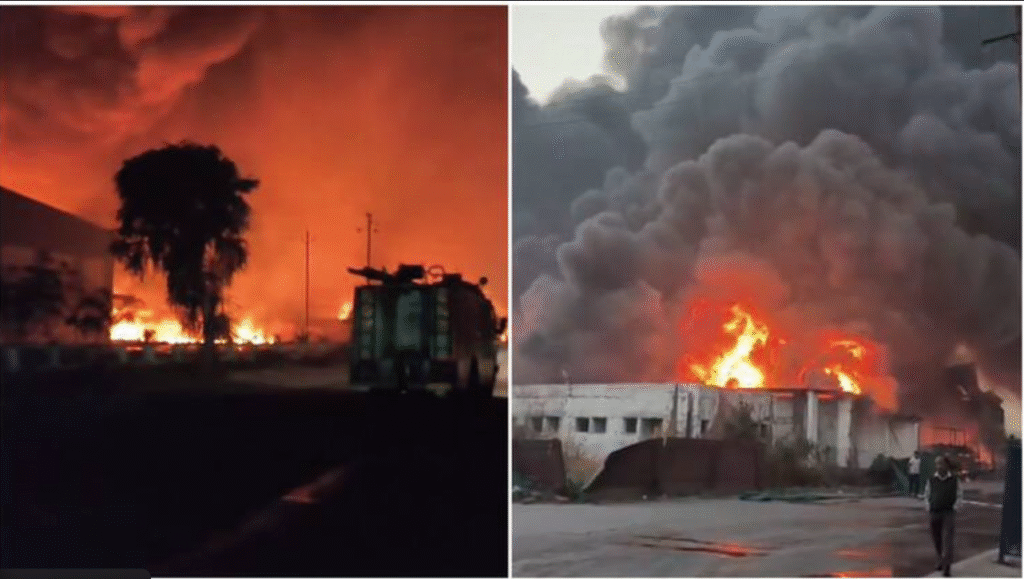
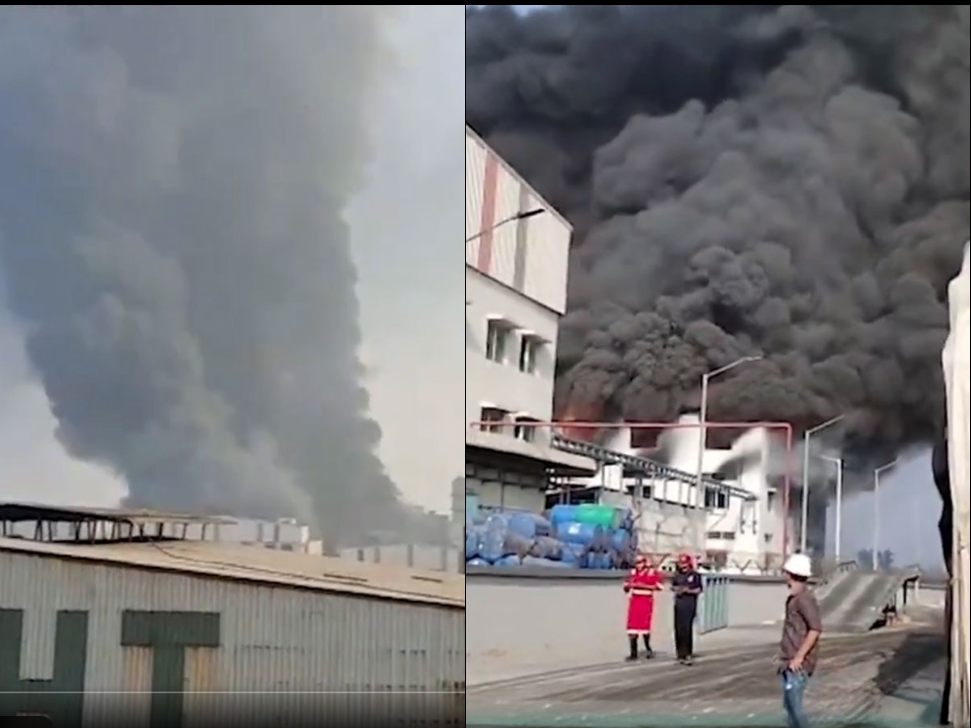
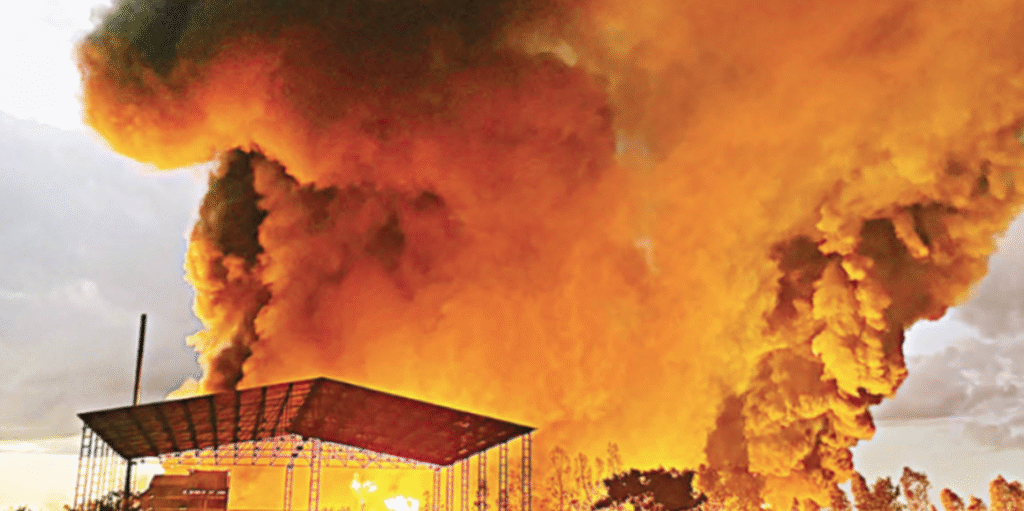
- A massive fire broke out early in the morning at the Sanghvi Organics chemical factory in Panoli, GIDC, Bharuch.
- Thick plumes of black smoke and high flames were visible from a distance, causing alarm in the industrial zone and nearby villages.
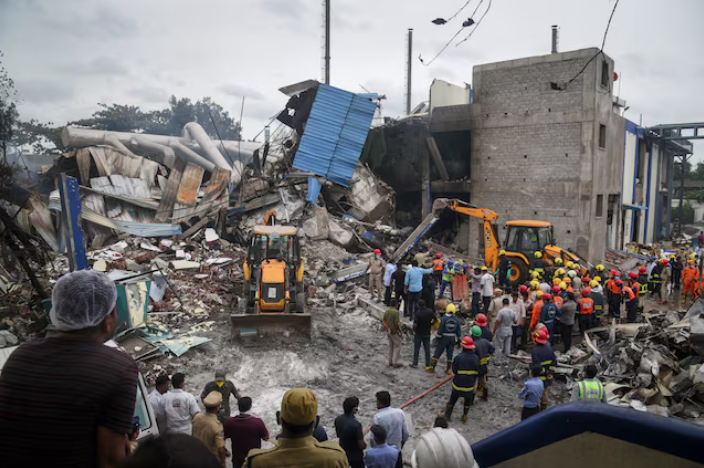
- More than 15 fire engines were sent to the site.
- Patrika reported that some nearby residents were being moved to safer places because of the smoke. Police sealed off the area around the factory.
- Reports on 14 September 2025 said no one was killed or injured. No later report of deaths was found.
- The cause has not been confirmed. Eyewitnesses quoted by Patrika suggested a chemical reaction or a short circuit, and police began an investigation.
🔍 What Reports Said, and What We Still Don’t Know
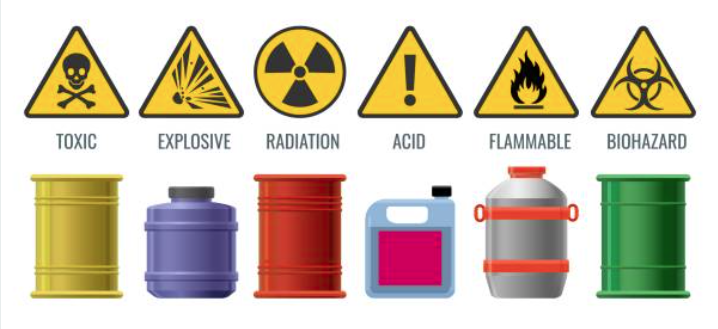
- Chemical factory environment: Presence of hazardous, flammable chemicals increases fire risk significantly.
- Rapid spread: Reporters on the day said the fire was spreading rapidly and gradually engulfed a large part of the factory. Why it spread so fast has not been publicly explained.
- Detection and suppression: No public report has said whether alarms, sprinklers or gas detectors worked. In any chemical unit, these are among the first things an investigation should check.
- Proximity to residential / village areas: Smoke and risk to adjacent populations.
- Evacuation & escape planning: How well the factory’s own evacuation plan worked has not been reported.
- Lack of information on the structural safety / fire ratings of factory building materials.
- Hard to fight: A fire official told Patrika that the chemicals were making the fire difficult to put out and that special equipment was being used.
⚖ Less-mentioned Points
- Though no casualties are reported, the potential for mass harm is very high in chemical factories — exposure to toxic smoke, chemical vapors.
- Evacuation of nearby villages suggests risk beyond factory boundary.
- A fire this large raises fair questions about safety audits and enforcement. No inspection finding had been made public in the reports we checked.
🧯 How Could It Have Been Prevented?
- Installation of multiple gas / smoke detectors and automatic suppression systems (water sprinklers, inert gas).
- Strict compartmentalization of chemical zones with fire-resistant walls & barriers.
- Regular fire drills & evacuation planning practiced with workers.
- Buffer zones between factories and villages, with safe corridors.
- Use of non-combustible construction materials in infrastructure.
- Redundant safety systems: back-up power for fire alarms, multiple safe exits.
- Frequent regulatory audits, hazard review, and compliance monitoring.
- Chemical risk assessments and mitigation controls (safe storage, ventilation).
🛡 Survival Guide (If You Face a Factory Fire Situation)
- Stay calm, assess smoke direction and fire location.
- Cover nose/mouth with wet cloth (if available) to filter smoke.
- Keep low (crawl) under smoke layer.
- Move toward safe exit routes, avoid zones with heavy smoke or flames.
- Use alternate exits if primary is blocked.
- Signal for help (shout, phone, light) from safe zone.
- Avoid re-entering building under any circumstance.
- Seal doors/windows with damp cloth if trapped, wait for rescue.
- Call 101 / 112 immediately with location, nature of fire, number of people.
- After escape, seek medical attention for smoke inhalation even if no visible injury.
📊 Data / Stats Box
- Deaths / Injuries: None reported (Dynamite News and Patrika, 14 September 2025).
- Factory type: Chemical / organic chemical processing plant.
- Evacuated: Some nearby residents, as reported by Patrika.
- Response: More than 15 fire engines.
- Damage extent: Large portions of the facility engulfed, thick smoke visible.
📽 Visuals (Collected / Suggested)






🙏 Voices / Human Angle
- Local residents in nearby villages expressed fear and panic seeing thick smoke drift over homes.
- The administration appealed to people to avoid rumours and cooperate while firefighters worked.
- Some witnessed residents being asked to stay indoors or evacuate as a precaution.
📢 Systemic Lessons
- Chemical plants carry extreme fire risk — demanding higher safety standards than normal factories.
- Regulatory oversight must be robust — frequent inspections and strict penalties for noncompliance.
- Zoning policies should ensure industrial units are sufficiently distanced from residential areas.
- Disaster preparedness must include community-level response, not only factory internal protocols.
- Transparency & accountability: in investigations, public disclosure improves trust and compliance.
- Adoption of advanced safety tech: real-time sensors, IoT fire monitoring, AI anomaly alerts.
💡 What You Can Do Today
✅ If you live/work near industrial zones, know evacuation routes and safe zones.
✅ Demand safety audits in local chemical / industrial plants.
✅ Raise awareness about chemical fire risks in local communities.
✅ Volunteer or partner with HowToSurvive / VFF to run fire safety audits near industries.
✅ Share this case study with industrial associations, local governance bodies.
🔚 Closing Line
“In the heart of industry, danger hides in silence and chemicals — but vigilance, planning, and courage make the difference between destruction and survival.”
- Fire breaks out at the Sanghvi Organics chemical factory, Panoli GIDC, according to eyewitnesses
- Thick black smoke is seen from a distance; more than 15 fire engines are sent
- Workers and nearby residents are evacuated as a precaution
- Reports say no one was killed or injured; the cause is under investigation
Why consequences escalated
- Chemical identification is essential before selecting firefighting tactics
- Smoke plume direction must guide evacuation or shelter advice
- Neighbouring units need rapid mutual-aid notification
- Fire-water containment can prevent contaminated runoff spreading off site
- Industrial-estate pre-plans must include access, hydrants and hazardous inventories
Failures and risk multipliers
- Not knowing exactly which chemicals are stored where when a fire starts
- No fire-resistant separation between chemical zones
- Waiting to see if a fire grows before calling in outside help
- No practised plan to warn and move nearby villages
- Residents going closer to watch the smoke
Actions that reduce risk
- Keep an up-to-date chemical inventory and hand it to the fire brigade on arrival
- Separate chemical storage and process zones with fire-resistant walls
- Fit gas and smoke detection with back-up power for the alarms
- Agree warning and evacuation plans with nearby villages, and test them
- Run evacuation drills with every shift, including contract workers
Leave a comment