
What happened here
 1 / 7
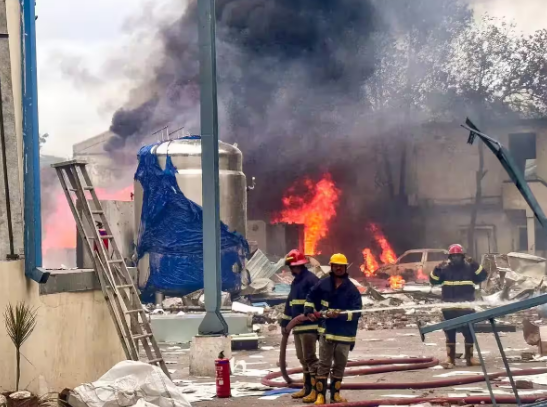
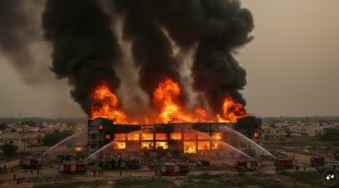
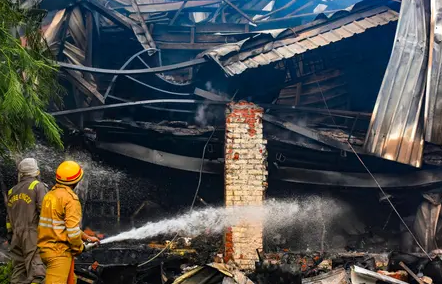
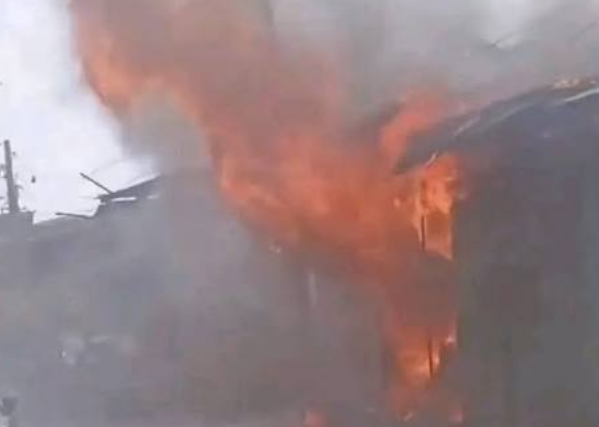
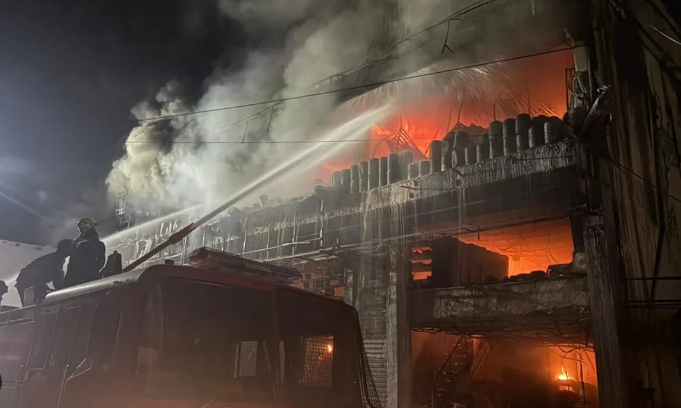
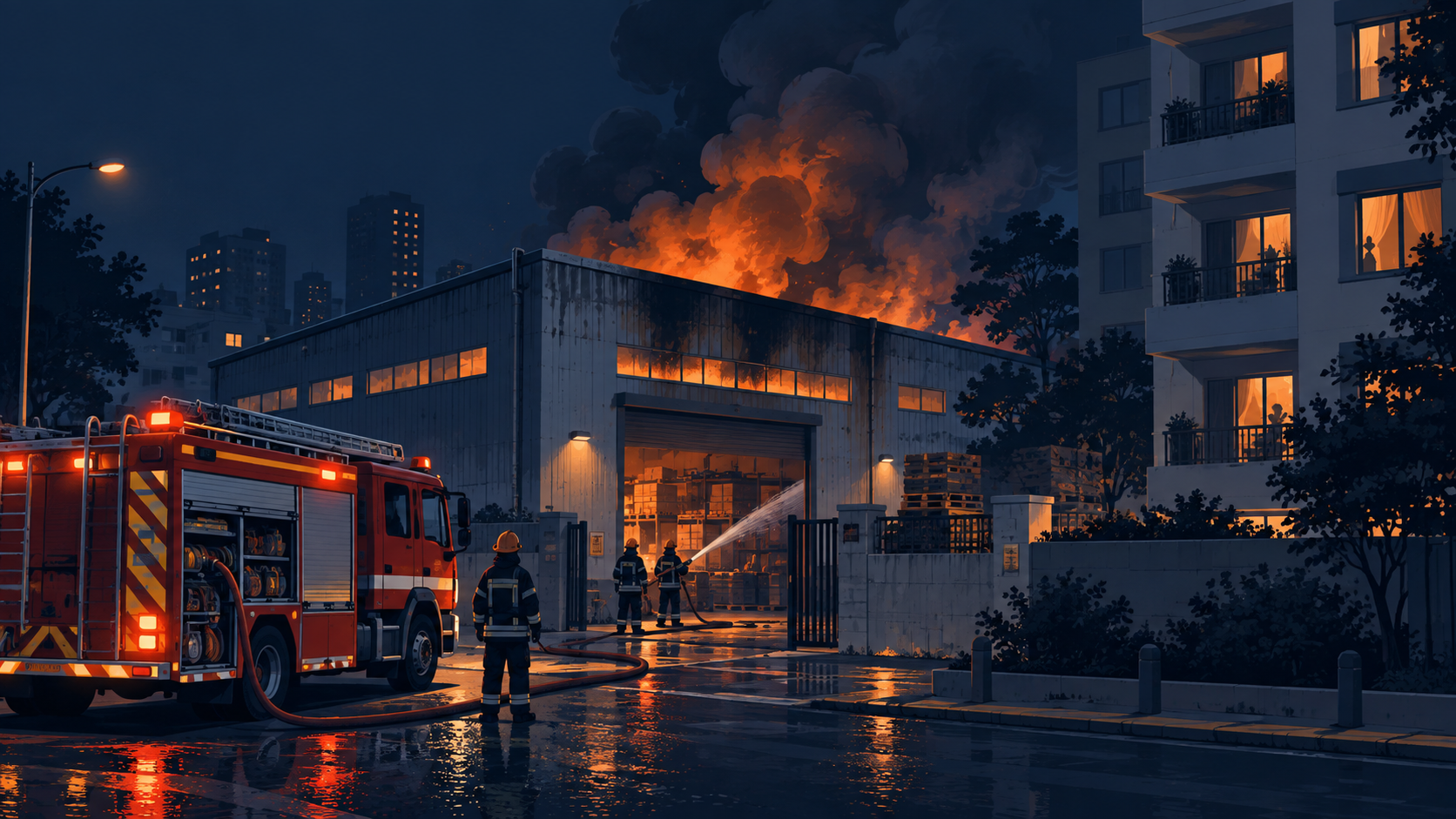
1 / 7 Explosions during the 23 September Basni factory-fire response initially injured 14 fire personnel according to early reports. Later reporting identifies three firefighter deaths: Pritesh, Surendra and Pradeep. The injury and death counts overlap; the cause remains under investigation. Cover: editorial illustration.
The fire and response
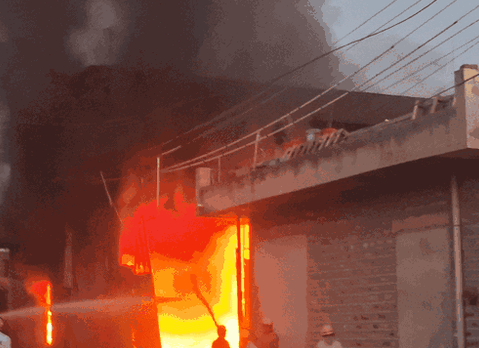
At about 5:30 pm on 23 September 2026, fire broke out at a handicrafts factory in the Basni area of Jodhpur. Fire personnel responded to a premises that reports said contained flammable material in drums. Explosions occurred while crews were working. First-day police and news reports counted 14 injured fire personnel; some initial reports said 13. This was an early injury count, not the final outcome of the injured group.
Injuries and later deaths
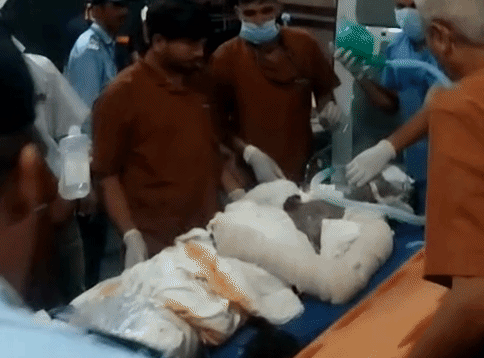
Early reporting described eight serious burn cases. On 24 September, six injured firefighters were transferred from Jodhpur to SMS Hospital in Jaipur. Pritesh died on 26 September according to follow-up reporting. On 28 September, Amar Ujala, citing the Mahatma Gandhi Hospital superintendent, reported Surendra’s death and said Pradeep remained critically ill at that reporting time. Later on 28 September, First India News reported that Pradeep too had died. A separate 29 September report describes Pradeep’s funeral, and later reporting of the police investigation counts three firefighter deaths. These reports support three later deaths as of this 30 September review. They do not establish how many of the original injured personnel remain hospitalised now. Do not add the three deaths to the initial 14 as though they were separate people.
Investigation, not a final cause
Police have investigated the factory’s ownership, registration and storage permissions. A 29 September account quoting the Basni station officer reported the arrest of the owner and described suspected unlicensed chemical storage and inadequate fire-safety arrangements. These are reported police findings and allegations at this stage, not a court finding. Early accounts described a roof fragment or stone striking a drum; the full ignition and blast sequence has not been established in the sources reviewed here. The business was described as a handicrafts unit, although several headlines called it a chemical factory.
What this incident teaches
Materials stored at an apparently ordinary factory can change the danger facing responders after they arrive. Operators should maintain accurate records of hazardous stock and make them available to emergency services. People nearby should avoid the smoke, debris and blast area and follow official directions. A formal response review should establish what material information crews had, how the exclusion area was managed and what support was provided to injured personnel and their families. These are questions for records and investigators, not conclusions drawn from footage. The cover image is an editorial illustration, not a photograph of this incident.
- Fire reported at a Basni factory.
- Explosions occurred; initial reports counted 13 or 14 injured fire personnel, with 14 used in subsequent PTI reporting.
- Six injured personnel transferred to SMS Hospital, Jaipur.
- Firefighter Pritesh died according to follow-up reports.
- Amar Ujala reported Surendra's death and described Pradeep as critical then.
- First India News reported Pradeep's death and a cumulative three firefighter deaths.
- Dainik Navyatn reported Pradeep's funeral; The Sootr reported three deaths and the police investigation.
- Current survivor conditions and final technical findings remain unconfirmed here.
Why consequences escalated
- 23 September: factory fire and explosions during firefighting in Basni, Jodhpur.
- Fourteen fire personnel initially reported injured; some first-day reports used 13.
- Eight were initially described as seriously burned.
- Six injured personnel transferred to SMS Hospital, Jaipur, on 24 September.
- Follow-up reporting identifies the deaths of Pritesh, Surendra and Pradeep by 29 September.
- Early injury counts and later deaths overlap; they must not be summed.
- Police investigation into storage permissions and fire-safety arrangements continued; no final technical cause is established in this review.
Failures and risk multipliers
- Treating the first-day injury count as the final outcome.
- Adding the three later deaths to the 14 initially injured as separate people.
- Presenting a reported police allegation or an early blast-sequence account as a final finding.
- Calling an editorial illustration or unviewed social-media reel real incident footage.
- Using early 13-injured video headlines as the current toll.
People closest to the evidence
“Initial 14 injured and six later transferred to Jaipur”
PTI and Times of India citing hospital and police officials · 24 September · Source ↗
“Surendra died; Pradeep still critical at that report's time”
Amar Ujala citing Mahatma Gandhi Hospital superintendent Dr Fateh Singh Bhati · 28 September 16:24 IST · Source ↗
“Surendra and Pradeep had died”
First India News · 28 September 18:55 IST · Source ↗
“Pradeep's funeral”
Dainik Navyatn · 29 September · Source ↗
“Three firefighter deaths and owner arrest reported”
The Sootr quoting Basni police · 29 September · Source ↗
Actions that reduce risk
- Obtain an official consolidated casualty bulletin and current conditions of surviving personnel.
- Confirm each person's full name and treatment record from the fire service or hospital.
- Obtain the completed police, fire-service and forensic findings on materials, permissions and blast sequence.
- Review hazard briefing, exclusion zone and responder positioning against records, not unverified clips.
- Document continuing medical care and family support.

Leave a comment