
Quick answers
Is water safe to drink after a flood if it looks clear?
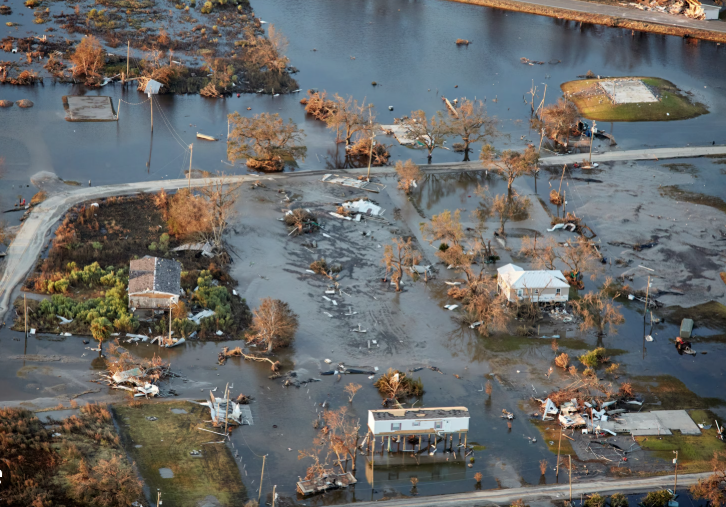
No. Floodwater mixes sewage, factory waste, dead animals, fertiliser and fuel into wells, handpumps and tanks, and they can stay contaminated after the water goes down. Use supplied or boiled water until your source is declared safe.
What diseases can spread through contaminated water after floods?
Diarrhoea, cholera, typhoid and hepatitis spread through dirty water, and leptospirosis through water or soil contaminated by animal urine. Standing water also breeds mosquitoes that spread malaria and dengue.
What should be done with wells and handpumps after floodwater recedes?
Test them as soon as the water goes down, before people start using them again. Community tanks and wells should be chlorinated under the supervision of the health or water supply department.
What simple rule should families follow for drinking water after a flood?
Boil, filter, don't risk it. Do not trust water because it looks clear, never use water that smells of fuel or chemicals even after boiling, and report suspected contamination to the authorities.
When the floodwater goes down, families rush to clean the house and get back to normal. The danger that stays behind is in the water: the well, the handpump, the overhead tank and the municipal tap.
The World Health Organization lists water-borne and vector-borne diseases, such as cholera, typhoid and malaria, among the main health risks after floods, along with damaged water supplies and chemical hazards. (Source: WHO, Floods health topic.)
Why flood water is so dangerous
A flood mixes everything together: sewage, waste from factories, dead animals, fertiliser and pesticide from fields, and diesel and petrol from flooded vehicles and pumps. That mixture seeps into open wells, handpumps and underground tanks, and into broken pipelines.
Water can look clear and still carry germs or chemicals. Wells and handpumps can stay contaminated after the floodwater has gone down.
What gets into the water
| Type | Where it comes from | What it can cause |
|---|---|---|
| Germs (bacteria, viruses, parasites) | Overflowing sewers, septic tanks and waste | Diarrhoea, cholera, typhoid, hepatitis |
| Chemicals (pesticides, oil, solvents) | Flooded factories, fuel stores and farms | Poisoning; some can harm organs with long exposure |
| Heavy metals (lead, arsenic, mercury) | Industrial and mining areas | Harm to the nervous system and other long-term damage |
| Solid waste (plastic, debris) | Overflowing city drains | Blocked drains, standing water, chemicals leaching out |
Problems that last after the flood
- Wells and handpumps can stay contaminated after the water goes down, so get them tested before use.
- Chemicals from flooded factories, fuel stores and farms can reach soil and groundwater.
- Fish kills can follow when rotting waste uses up the oxygen in ponds and rivers.
- Damaged health centres and water supply can leave families without safe water or treatment for days or weeks (WHO).
- Standing water breeds mosquitoes, which spread malaria and dengue.
How to keep your family’s drinking water safe
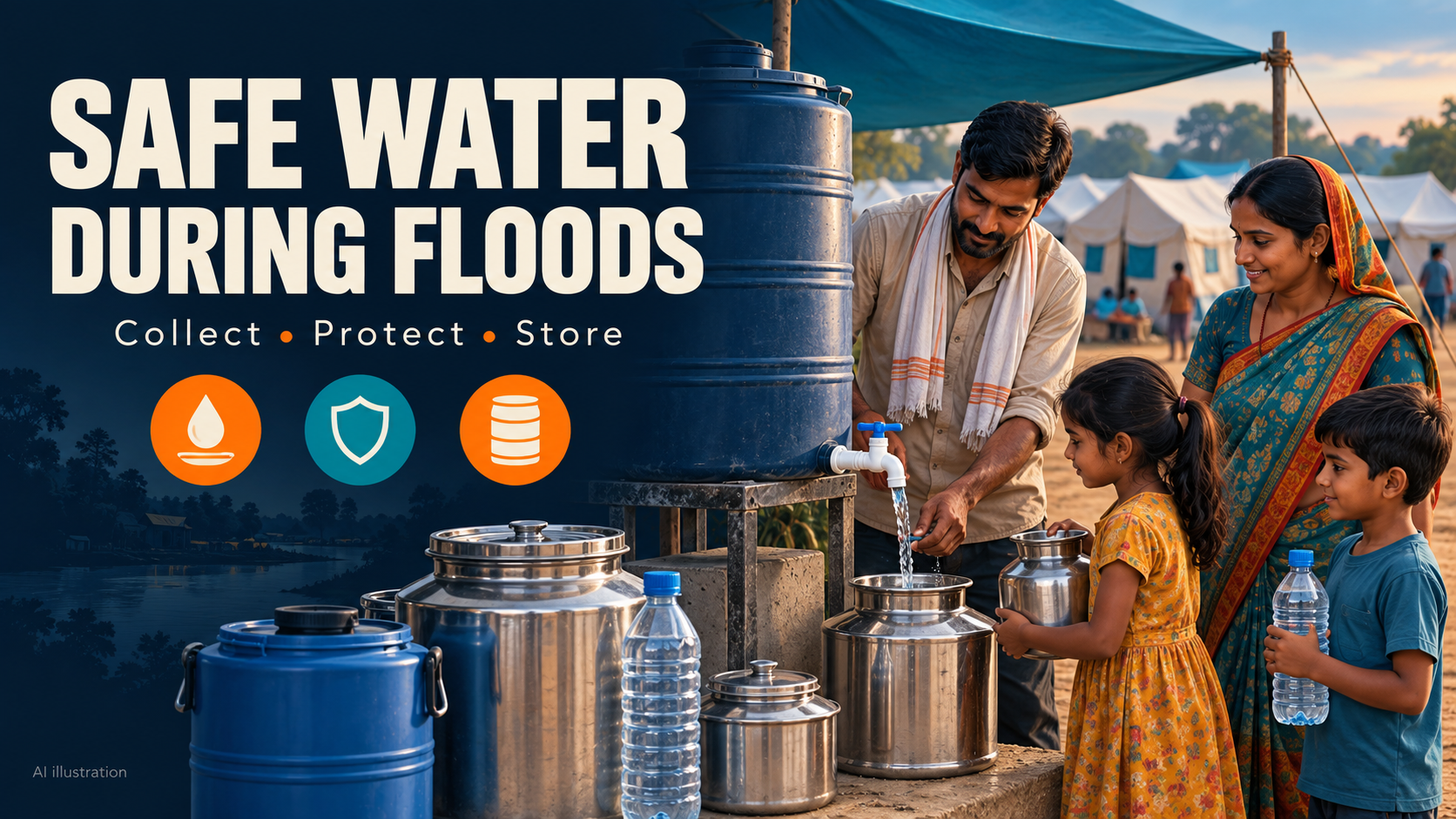
- Use packaged or tanker water supplied by the authorities for drinking and cooking until your own source is declared safe.
- Boil your water. Bring it to a full rolling boil. WHO says a rolling boil is enough to kill harmful bacteria, viruses and parasites. Let it cool with the vessel covered, and store it in a clean, covered container.
- Use chlorine tablets or solution only as directed by your local health department or ASHA worker, following the instructions on the pack.
- Do not use water that smells of fuel or chemicals or looks oily, even after boiling. Boiling kills germs but does not remove chemicals.
- Clean and disinfect water storage, such as tanks, matkas and buckets, before refilling them.
- Wash hands with soap before eating, before cooking and after using the toilet.
If anyone in the family has diarrhoea, start ORS straight away and see a doctor, especially for small children and older people. Get medical help quickly for blood in stools, high fever, drowsiness or signs of dehydration.
What villages, towns and authorities should do
- Test wells, handpumps and public water sources as soon as the water recedes, before people start using them again.
- Chlorinate community tanks and wells under the supervision of the health or water supply department.
- Supply safe drinking water and water filters to relief camps.
- Install simple filtration units, such as bio-sand filters, in villages that flood often.
- Keep industrial waste and chemical storage away from riverbanks and flood-prone land, including in industrial estates.
- Run awareness drives with a simple message: boil, filter, don’t risk it.
What should change
- Make water testing after floods a fixed part of every district flood plan, with a time limit.
- Link disease surveillance with the flood response, so outbreaks are spotted early.
- Have large industries in flood-prone areas fund mobile water purification for nearby villages.
- Train volunteer water-testing teams in flood-prone villages.
Do this before the next monsoon
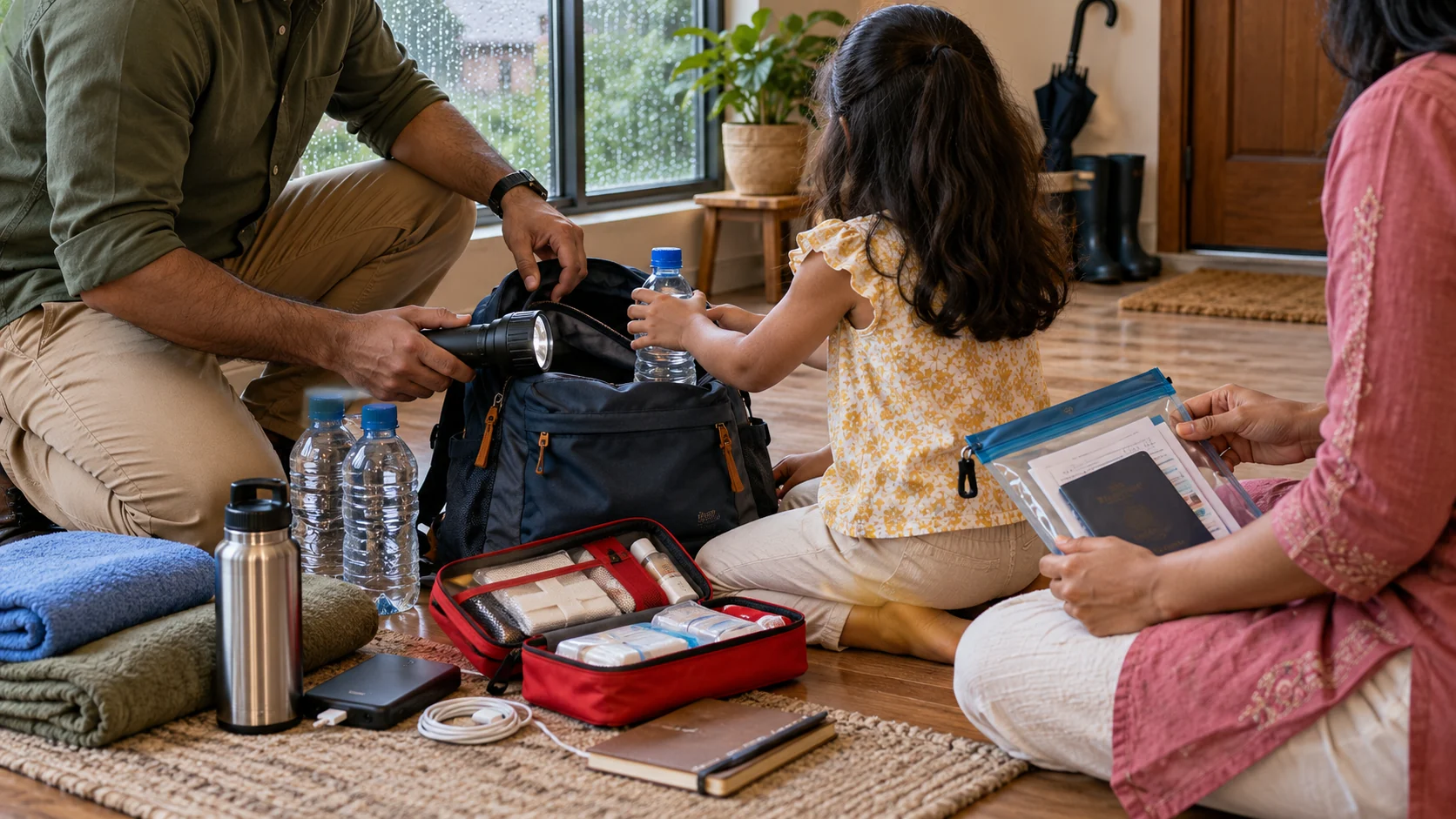
Keep a few days’ drinking water in clean, covered containers, a strip of chlorine tablets from your health centre, ORS packets and a vessel you can boil water in on a stove that does not need mains power. When the next flood comes, do not trust any water just because it looks clear.
References
- World Health Organization, Floods (health topic)
- World Health Organization, “Boil water” technical note, 14 January 2015
What needs attention
- Floodwater carries sewage, farm chemicals, fuel and industrial waste into drinking water sources
- Water can look clear and still be unsafe
- Wells and handpumps can stay contaminated after the water goes down
- Boiling makes water safe from germs but not from chemicals
- Damaged health centres and water supply leave families exposed for days or weeks
Controls that reduce risk
- Test wells, handpumps and public sources as soon as floodwater recedes
- Chlorinate community tanks and wells under health department supervision
- Supply safe drinking water and filters to relief camps
- Keep industrial waste and chemical storage away from flood-prone land
- Link disease surveillance with the flood response
Common unsafe practices
- Drinking well or handpump water before it has been tested
- Trusting water because it looks clear
- Using water that smells of fuel or chemicals, even after boiling
- Guessing chlorine amounts instead of following health department directions
- Refilling dirty tanks and matkas without cleaning them
- Delaying ORS and medical care for diarrhoea in children
Leave a comment