
Quick answers
Should I drive through a flooded road if the water looks shallow?
No. Official guidance says do not drive into flooded areas because depth, current and road damage may not be visible.
What should I take if told to evacuate?
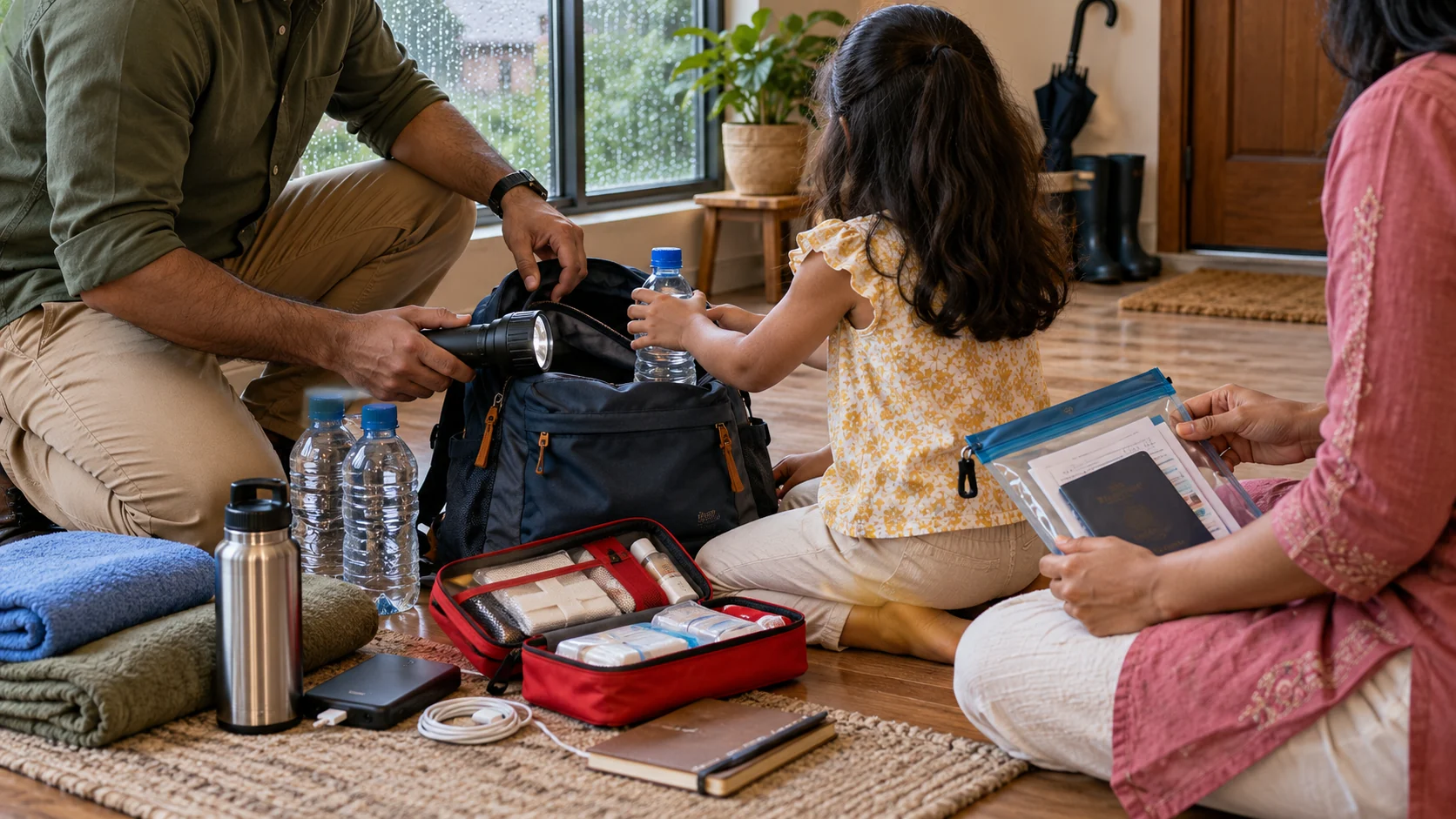
Take essential medicines, safe drinking water, phone power, identification/documents in a waterproof pouch and items needed by children, older adults or pets.
Where should I check alerts?
Use current alerts and instructions from local authorities. SACHET is India’s authorised public-alert portal, but local evacuation and road-closure instructions take priority.
Floodwater is not a shortcut
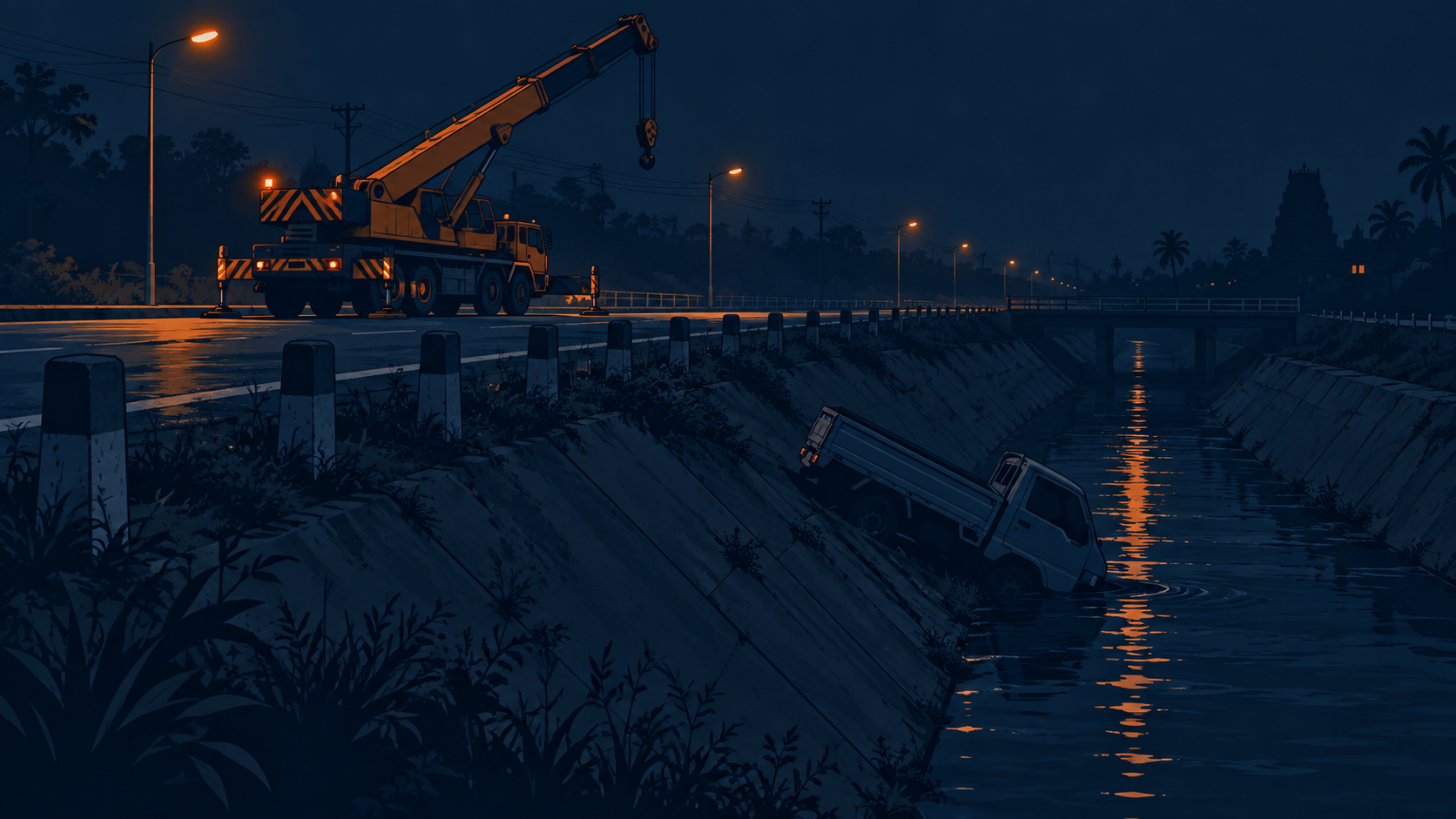
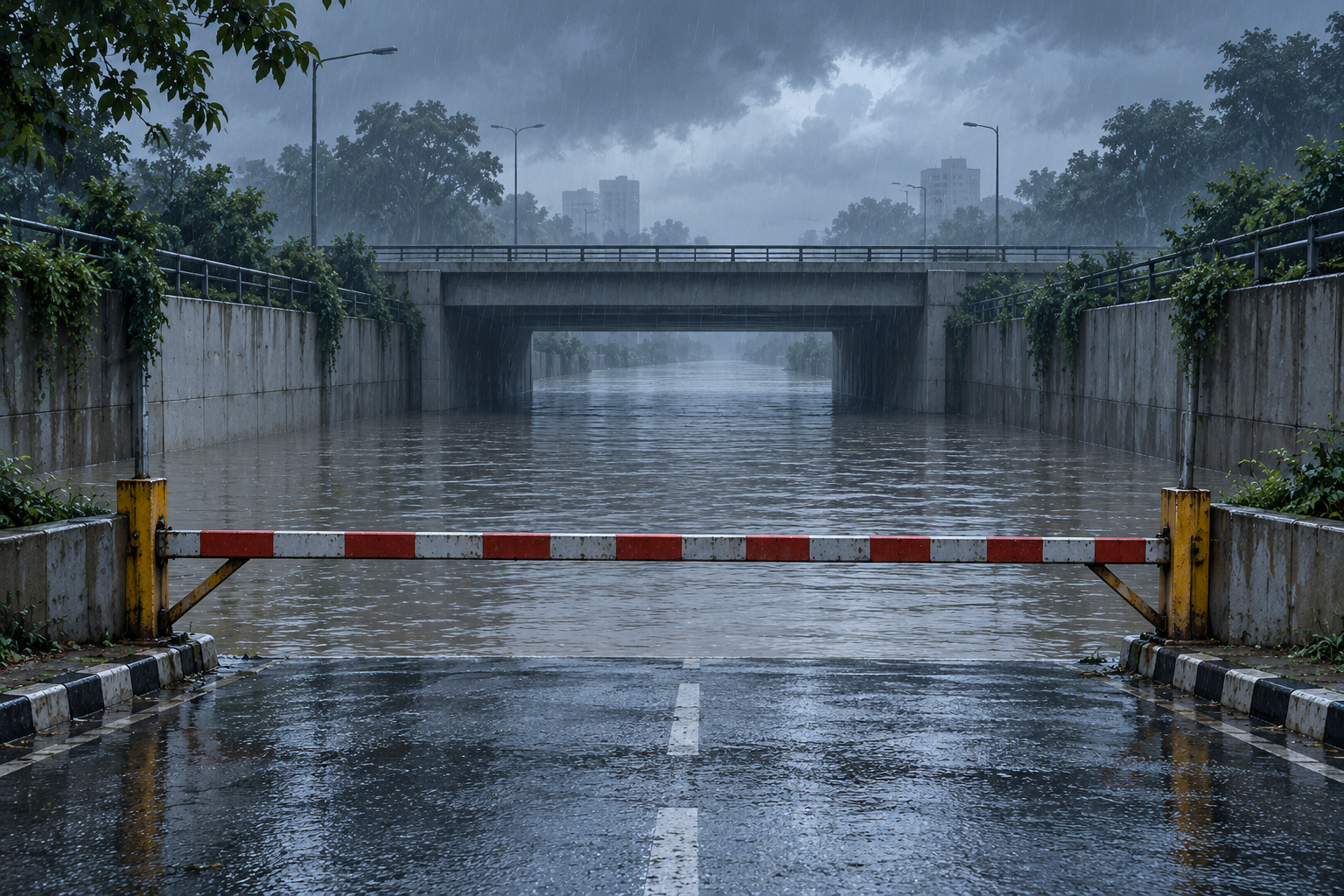
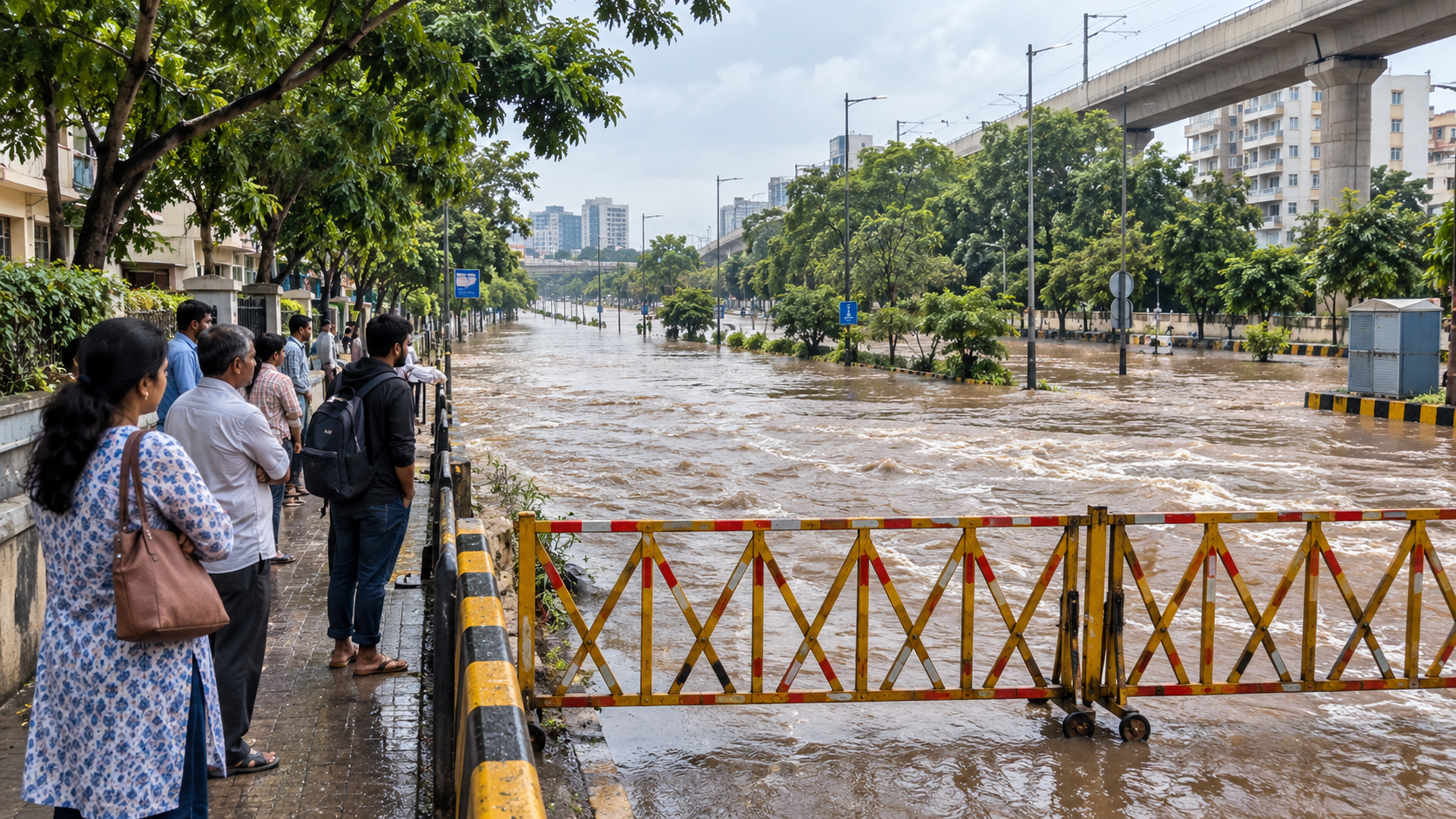
Standing or moving water can conceal washed-out road surfaces, open drains, debris, sewage contamination and electrical hazards. India’s official disaster guidance consistently advises people not to walk or drive through floodwater and to follow local warnings and evacuation directions.
Decide early: stop, turn around or leave
Do not judge a flooded road by appearance. If water is moving, obscures the surface, reaches an unsafe level around your vehicle or cuts off the route ahead, turn around and use an official safe route. If local authorities advise evacuation, leave promptly with essential items instead of waiting for the water to reach your home.
Prepare a small go-bag
Keep drinking water, prescribed medicines, a torch, phone power, copies of essential documents in a waterproof pouch, basic first aid supplies and necessary child, elder or pet items ready. Tell someone your intended safe destination and do not rely only on a single phone app for warnings.
Reduce electrical and health risks
Stay away from fallen wires, poles and electrical equipment near water. Do not touch wet electrical equipment. Use safe drinking water as directed by local authorities; discard food touched by floodwater. After water recedes, do not enter a damaged home until authorities or qualified professionals say it is safe.
Use official alerts
Check government and local disaster-management alerts for your area. The SACHET portal publishes warnings from authorised agencies, including course-of-action information where available. Local evacuation and road-closure instructions always take priority over general online guidance.
What needs attention
- Water depth and road condition are often not visible.
- Floodwater can carry contamination, debris and electrical hazards.
- The official instruction for a specific locality takes priority over any general checklist.
Controls that reduce risk
- Check official alerts and local authority messages.
- Choose a safe destination and route before conditions worsen.
- Pack medicines, water, documents, a torch and phone power.
- Tell a contact where you are going and leave when instructed.
Common unsafe practices
- Driving into water to save time.
- Walking through moving water, drains or underpasses.
- Touching wet electrical equipment or approaching fallen wires.
- Waiting until routes are cut off after an evacuation direction is issued.

Leave a comment