
Quick answers
When is it safe to return home after a flood in India?
Wait for the responsible authorities to confirm that returning is appropriate. Water going down, a neighbour entering or a dry-looking doorway does not mean the home is ready for use, and an undated forwarded message is not clearance.
Can I switch on electrical appliances to check if they survived the flood?
No. Do not use damaged electrical goods as a test; have them checked by a relevant professional. Avoid wet switchboards and wet electrical equipment, do not improvise repairs, and stay away from fallen wires and damaged poles.
Is tap water safe to drink after floodwater goes down?
Not automatically. Wait for health-department advice before drinking tap water after flooding, and avoid use where water or sewage lines are damaged. A cleared road does not settle whether drinking water is safe.
What should a household note down before moving back after a flood?
Record who issued the return instruction and when, which area or property it covers, which utility or building checks are pending, who will do them, and what restrictions remain. Share unresolved items with the household.
Water going down is not an all-clear
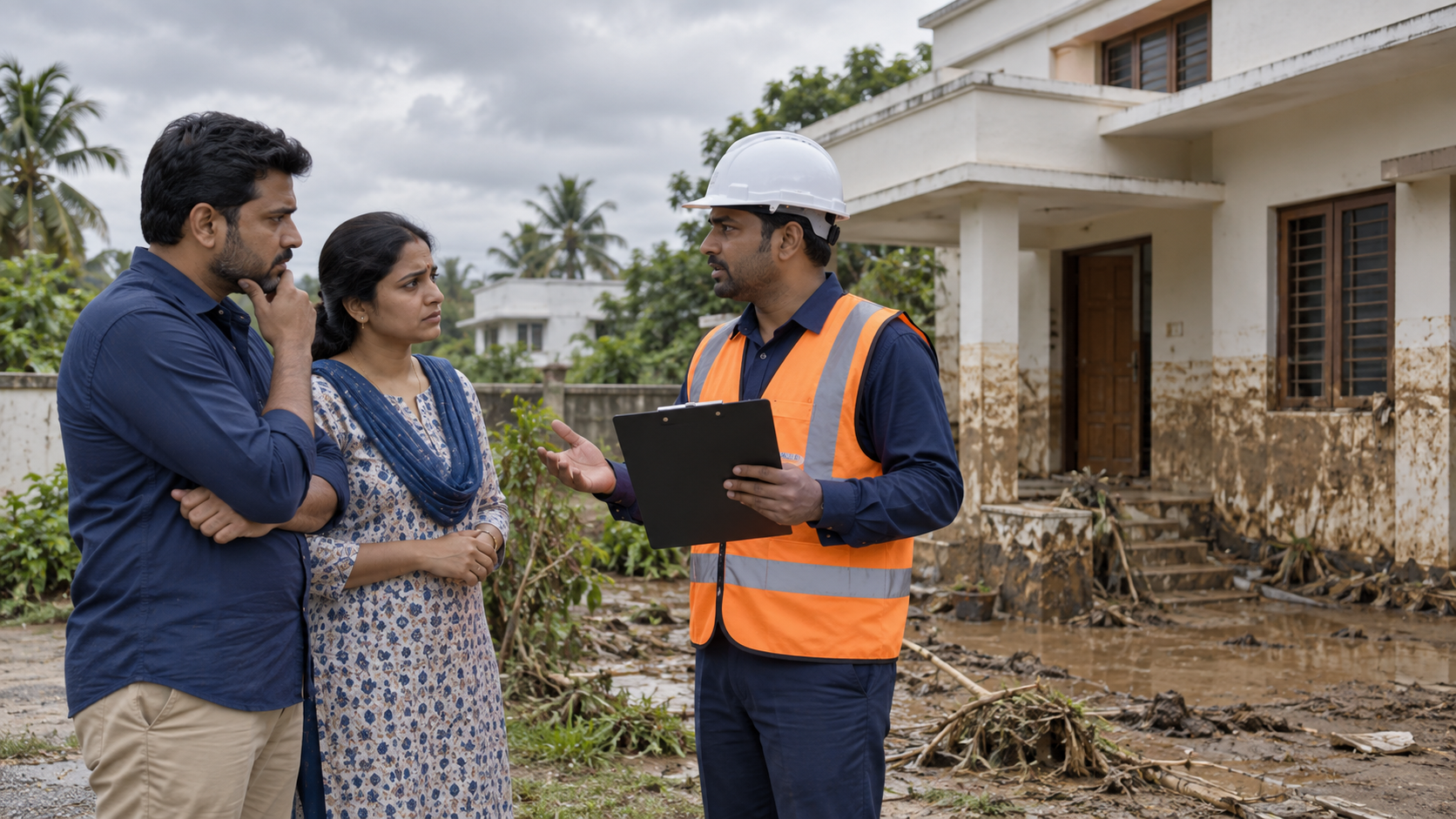
Wait for the responsible authorities to confirm that returning is appropriate. Goa’s Fire and Emergency Services explicitly advises against re-entering flooded property before that confirmation. Government of Goa flood guidance. A neighbour entering, a dry-looking doorway or a quiet street does not establish that your home is ready for use.
Separate the decisions
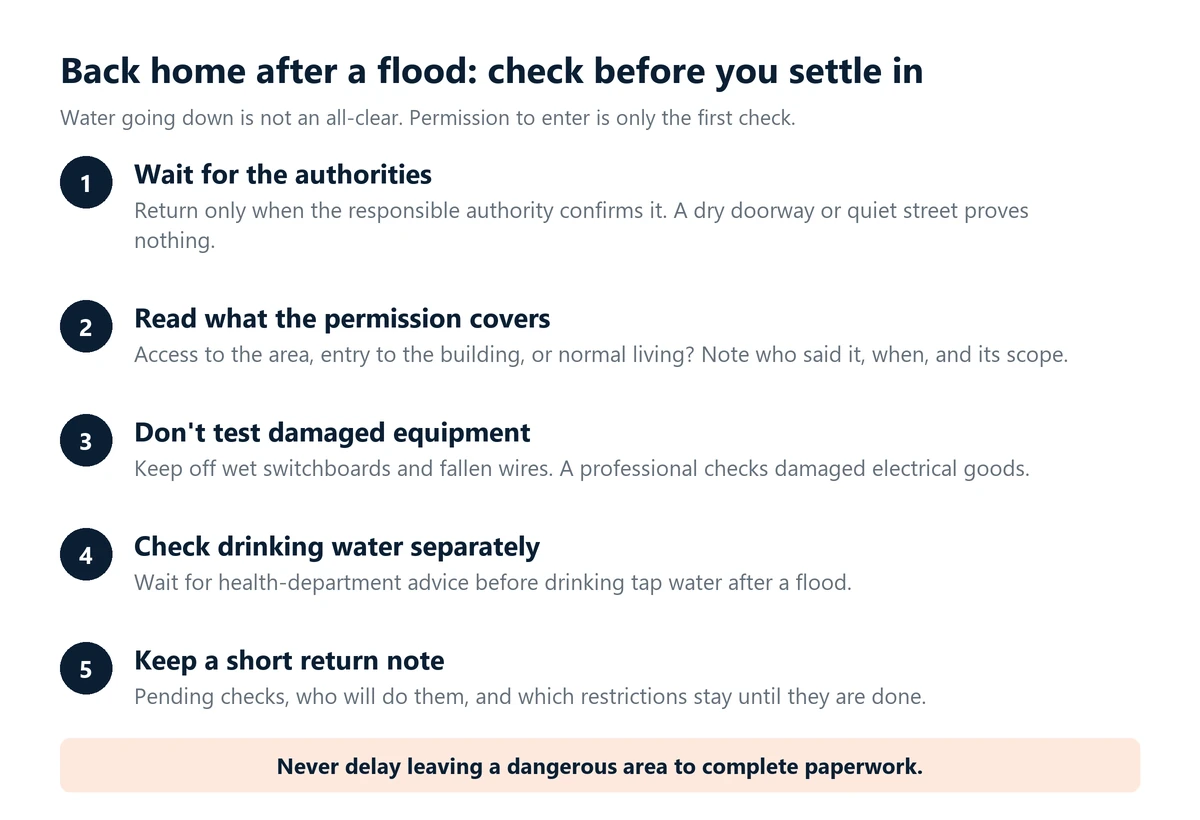
Ask what the instruction actually permits: access to the area, entry to a particular building or normal occupation. Then ask what checks are still needed for your own property. Record the authority, date and scope in a short note rather than relying on a message forwarded without context.
This note is an editorial planning aid. It is not an inspection certificate or permission to enter a restricted place. If instructions are unclear, ask the responsible local authority from a safe location.
Do not test damaged equipment yourself
The flood guidance published by IMD says not to use damaged electrical goods and to have them checked. It also warns against touching wet electrical equipment and highlights fallen wires and damaged poles. IMD guidance, PDF pages 36–37.
Arrange the relevant professional assessment instead of switching an appliance on to see whether it works. Do not approach a wet switchboard, open equipment or improvise a repair. A functioning light elsewhere is not evidence that another circuit or appliance is safe. Keep the record of what was assessed and any restrictions given.
Check water advice separately
The same IMD guidance advises waiting for health-department advice before drinking tap water after flooding and warns against use where water or sewage lines are damaged. Follow local public-health instructions; a cleared road does not settle drinking-water safety.
Keep a short return note
- Who issued the return instruction, and when?
- Which area or property does it cover?
- Which utility or building checks are still pending?
- Who will carry out those checks?
- What restrictions remain until they are complete?
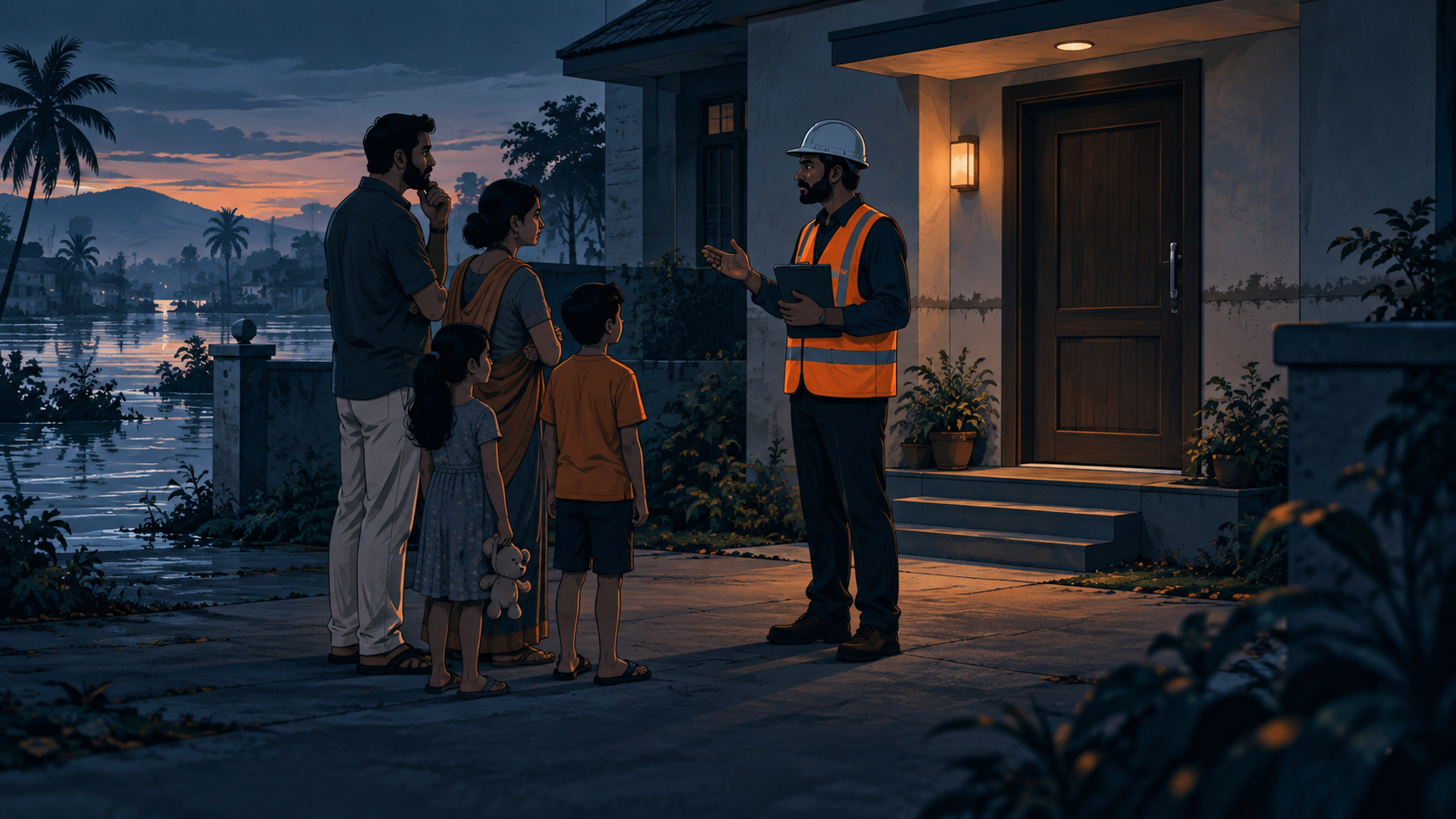
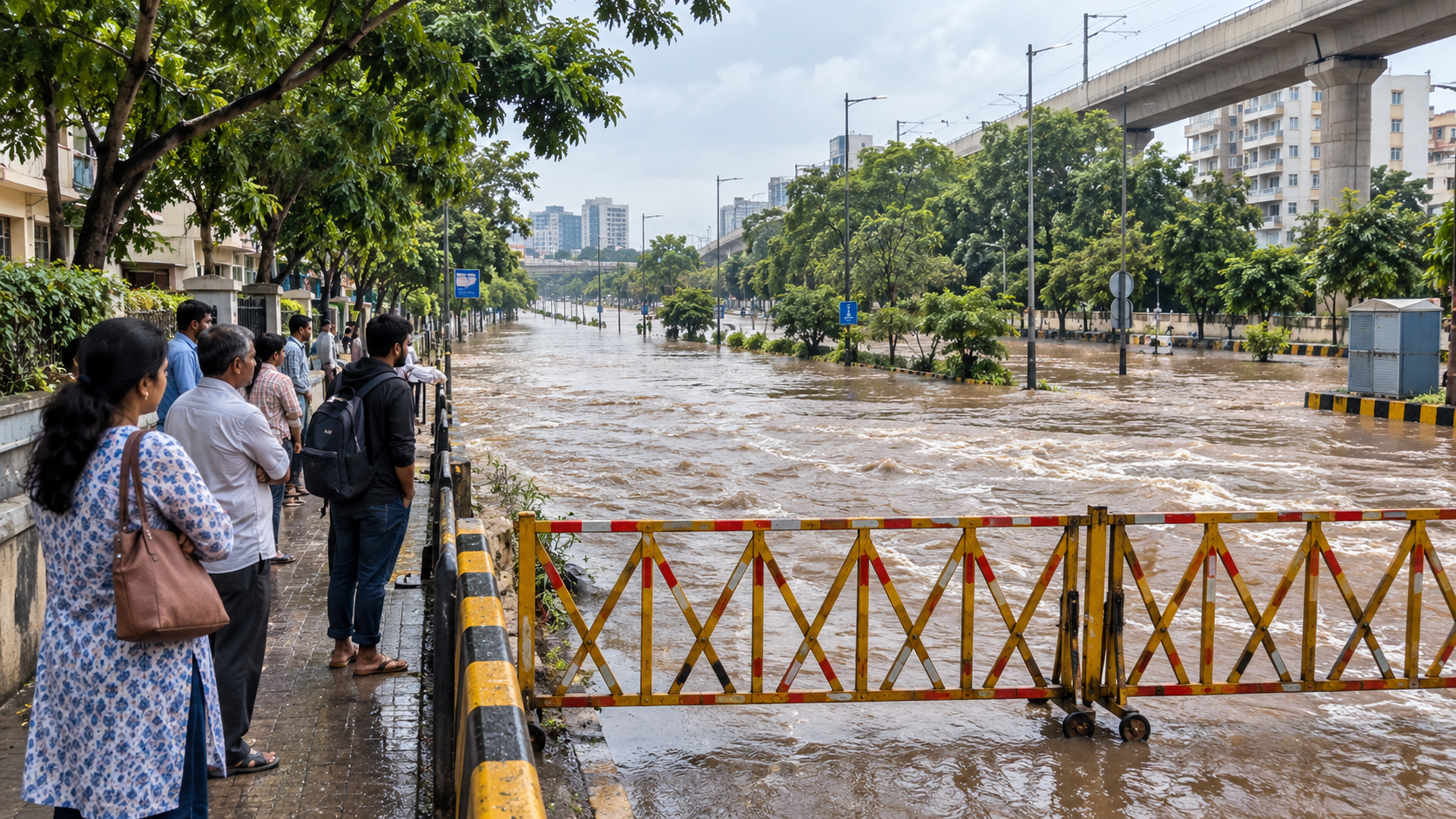
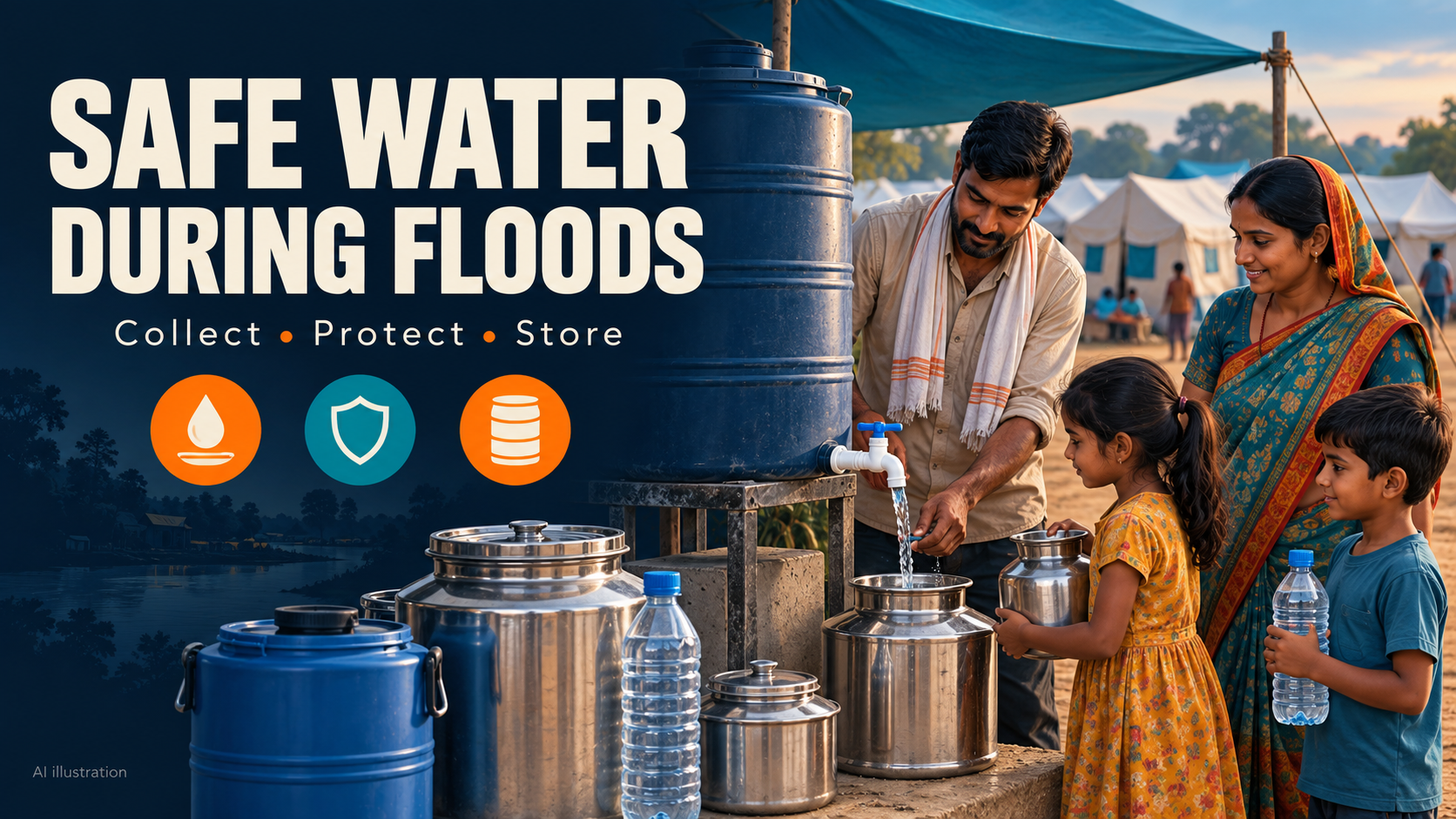
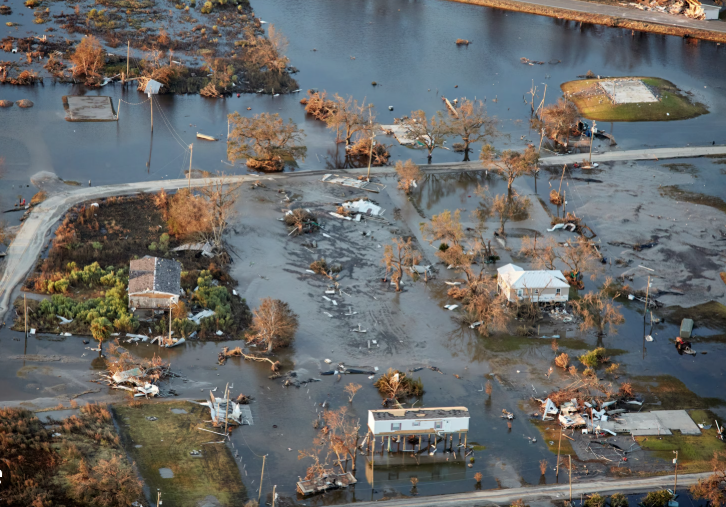
Keep unresolved items visible and share them with the household. Do not delay leaving a dangerous area in order to complete paperwork. This guide gives no repair procedure, disinfection dose or guarantee that a property is safe. Both supplied images are AI illustrations of a fictional discussion; they are not evidence of clearance or electrical inspection.
What needs attention
- Area access, equipment condition and drinking-water safety are separate questions.
Controls that reduce risk
- Record the scope of the return instruction.
- Arrange competent checks for affected equipment.
- Follow local water-safety advice.
Common unsafe practices
- Using an appliance as a test of whether it survived flooding.
- Assuming lower water levels mean normal use is safe.
- Treating an undated forwarded message as clearance.

Leave a comment