

Quick answers
What are the signs of exam stress that I should take seriously?
The Ministry of Education's UMMEED guidelines list hopelessness, helplessness, persistent sadness, withdrawal from friends and family, sudden mood changes, changes in sleep or appetite, a drop in concentration or attendance, and talk or writing about not being around. These are signs of possible distress, not a diagnosis. Take even one seriously.
Who can a student call about exam stress in India?
Tele-MANAS on 14416 or 1800-891-4416, free and open 24 hours in 20 languages. The Ministry of Education's Manodarpan helpline on 8448440632, which NCERT said in May 2025 runs from 8 am to 8 pm every day. In an emergency, 112.
When do the CBSE board exams start in 2027?
The CBSE date sheet released on 6 November 2026 says board examinations begin on 16 February 2027 at 10:30 am. Class X papers end on 9 March and Class XII papers on 9 April 2027. State boards have their own dates.
What should a parent say to a child who is stressed about exams?
Ask in a quiet moment, listen without judging or arguing, and do not force them to talk if they are not ready. The WHO says it is OK to ask directly about suicide and that asking does not make a person act on it. Do not compare them with others, and help them reach a counsellor or Tele-MANAS.
Should I promise to keep what my child tells me secret?
Not if you fear for their safety. Tell them you will keep them safe and may need to involve someone who can help. The WHO regional guidance for families says not to promise to keep a disclosure about suicide secret.
What does the Supreme Court say about student mental health?
In its judgment of 25 July 2025 (2025 INSC 893) it issued 15 guidelines for schools, colleges and coaching centres, including a mental-health policy, a qualified counsellor where there are 100 or more students, helpline numbers displayed prominently, sessions for parents on avoiding undue academic pressure, and no public shaming in coaching centres.
Is the Manodarpan helpline open at night?
Not according to NCERT's May 2025 guidelines, which give 8 am to 8 pm every day. Tele-MANAS is the 24-hour option.
Does CBSE offer free counselling for board exam stress?
CBSE ran free psycho-social counselling for Class X and XII in the 2026 board cycle, with a round-the-clock IVRS on 1800-11-8004 and tele-counselling from 9:30 am to 5:30 pm on weekdays. We found no announcement for 2027, so check the CBSE website.
Exam season changes a house. Lights stay on late, the television goes off, relatives ask about marks, and a student who was cheerful in September goes quiet. Most students get through it with worry and tiredness and nothing worse. Some do not, and the people around them are often the first to notice. This page is for students and for parents. It tells you the signs that official guidance says to take seriously, what to say, who you can call at any hour, and what a school or coaching centre should already be doing. It is not a diagnosis, and it does not replace a counsellor or a doctor. If you are worried about someone right now, skip to the box below.
If someone is in danger right now
- Immediate danger: call 112 and do not leave the person alone. Tell the operator where you are.
- Need to talk, at any hour: Tele-MANAS, the government’s free mental-health helpline, on 14416 or 1800-891-4416. It is open 24 hours a day and works in 20 languages.
- Our page on who to call in a mental-health emergency has the steps for a crisis, and our guide to mental-health crises and suicide prevention has the national data. This page is about the weeks before.
The dates families are working to
The CBSE released its Class X and Class XII date sheet for 2027 on 6 November 2026, 101 days in advance. Board examinations begin on Tuesday 16 February 2027, and every paper starts at 10:30 am. Class X papers end on 9 March and Class XII papers on 9 April 2027. More than 26.5 lakh Class X and over 19.8 lakh Class XII students are registered. The circular says early release is meant to give students enough time to plan and so reduce exam-related anxiety. State boards announce their own dates; we could not confirm them on an official page, so check your own board’s website.
Signs that a student may be struggling
No official page we opened lists headaches or stomach aches as exam-stress symptoms, so we do not. The signs below are the ones in the Ministry of Education’s UMMEED guidelines (NCERT, May 2025) and a World Health Organization leaflet for families. They are signs of possible distress, not a diagnosis. Many students show one or two on a tired week. What matters is a change from how the student usually is, and several signs together or lasting.
- Feelings: hopelessness, helplessness, feeling worthless, guilt or shame, irritability and exhaustion, persistent sadness.
- Pulling away: withdrawing from friends, classmates and family, and losing interest in things the student used to enjoy.
- Sudden changes: sudden anger or crying, a change in appetite or sleep, neglecting personal care, a drop in concentration, performance or attendance.
- Things said or written: talking or writing, including on social media, about not being around, about harming themselves or ending their life, or saying goodbye.
- Letting go: giving away prized things, or seeming detached and not excited about anything.
UMMEED’s list also says to treat a warning sign seriously even if it appears only once. Exams, results and parent-teacher meetings are named as critical periods.
If you are the student
- Tell one person. A parent, a teacher, the school counsellor, a cousin or a friend you trust. You do not have to explain everything. “I am not coping with the exams” is enough to begin.
- Use the helplines; they are made for this. Tele-MANAS is free and confidential, according to a CBSE circular of August 2025.
- Tele-MANAS (Ministry of Health): 14416 or 1800-891-4416. Free, open 24 hours, in 20 languages.
- Manodarpan (Ministry of Education), for students, parents and teachers: 8448440632, from 8 am to 8 pm every day, according to NCERT in May 2025.
- CBSE psycho-social counselling for Class X and XII: 1800-11-8004 round the clock, plus tele-counselling from 9:30 am to 5:30 pm on weekdays. This ran in the 2026 board cycle; we could not find a 2027 announcement, so check the CBSE website.
- Emergency, danger to life: 112, at any time.
If you are a parent
UMMEED lists the pressure that comes from home among the risk factors: academic pressure from family members, unrealistic expectations of marks, and pushing a child towards a competitive exam. The Supreme Court’s guidelines of 25 July 2025 on student mental health (2025 INSC 893) tell institutions to run regular sessions for parents on avoiding undue academic pressure, recognising signs of distress and responding with empathy. These are hard words to hear in exam week, so here is what they look like in a house.
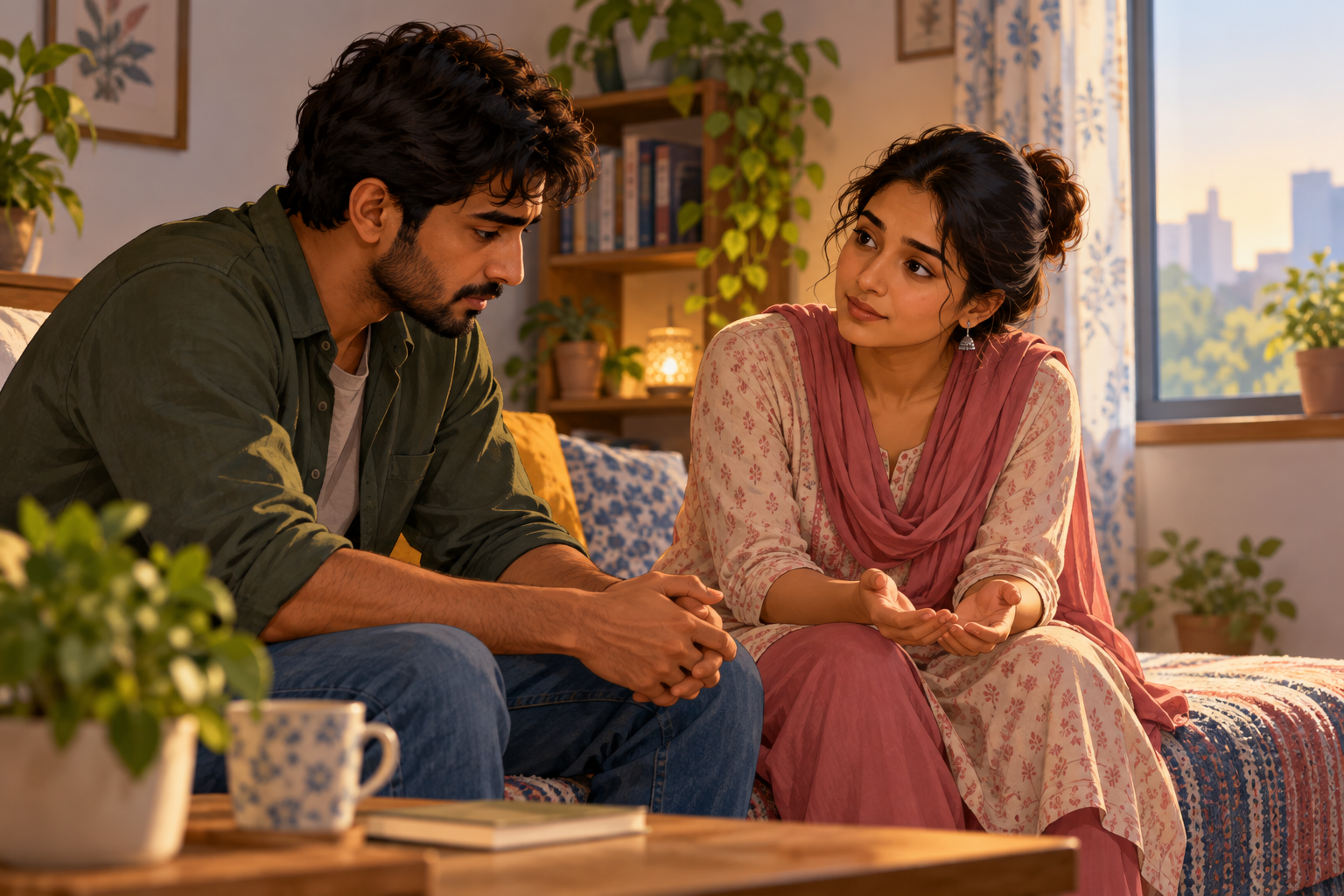
- Ask in a quiet moment, not at the study table. The WHO leaflet advises finding an appropriate time and a quiet place, letting the person know you are there to listen, and checking in regularly.
- Listen first; do not judge or argue. UMMEED says to stay calm, listen attentively, give a safe space and not to comment on or judge what the student says. If the student does not want to talk, do not force them; suggest a teacher, a counsellor or anyone they are comfortable with.
- It is all right to ask directly. The WHO leaflet says it is OK to talk about suicide, and that asking does not make a person act on their feelings; it often reduces anxiety and helps people feel understood.
- Do not promise to keep it secret if you fear for their safety. Say that you will keep them safe and that you may need to involve someone who can help.
- Do not compare with a cousin, a neighbour or last year’s topper. That is our own advice, and it follows from UMMEED’s point about unrealistic expectations.
- Take it seriously the first time. Help the student reach the school counsellor, a doctor or Tele-MANAS, and offer to go along. If you think they are in immediate danger, do not leave them alone and call 112.
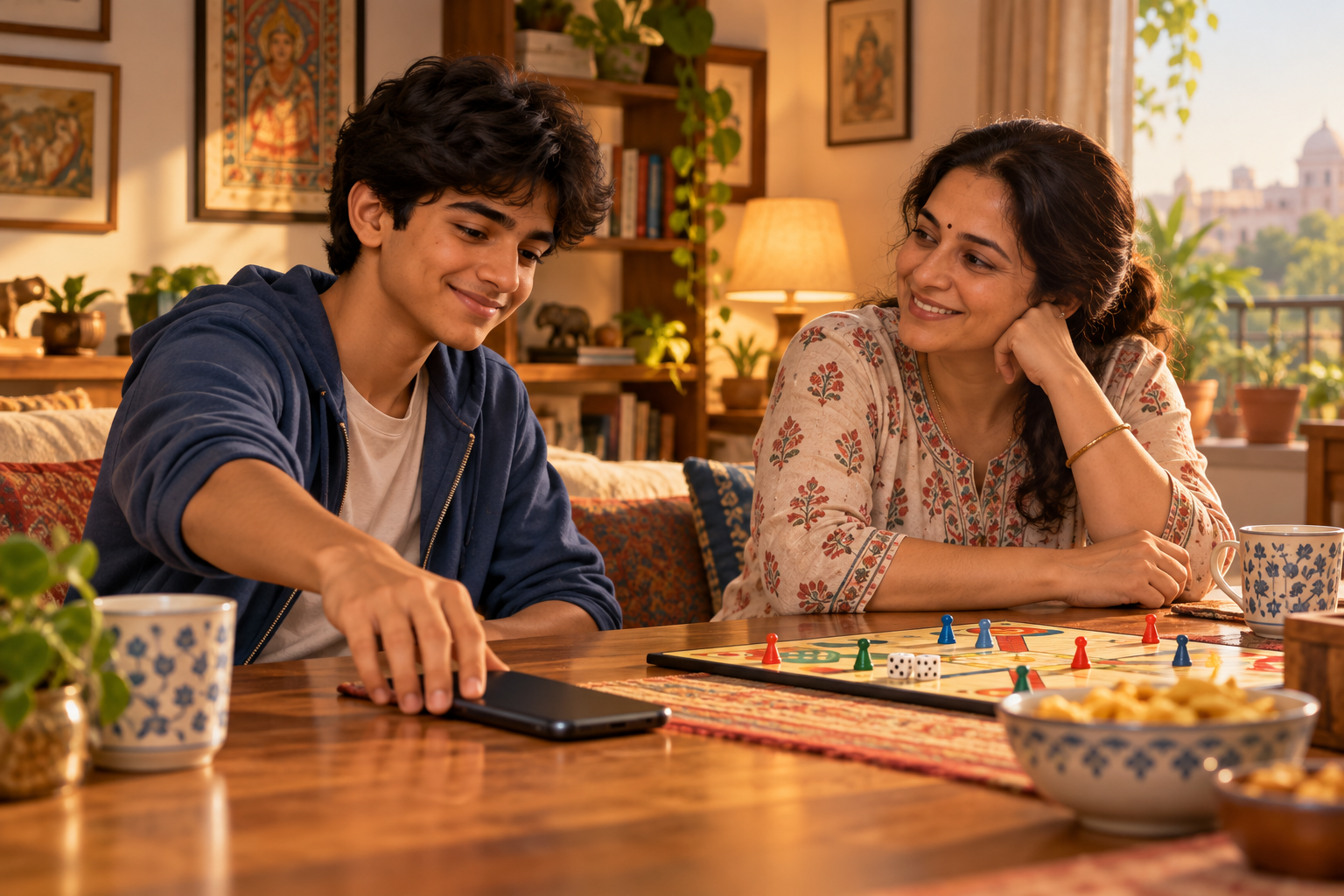
- Look after the basics together. A regular meal and sleep routine and some time outside the books are common-sense steps and our own advice, not medical treatment. A doctor or counsellor can advise on your child.
What a school or coaching centre should already be doing
You can ask these questions at the next parent-teacher meeting. They come from the Supreme Court guidelines, a CBSE circular and the Ministry of Education.
- Is there a counsellor? The Court says an institution with 100 or more students must have at least one qualified counsellor, psychologist or social worker. CBSE has mandated a Counsellor and Wellness Teacher in every school it affiliates, the Ministry of Education told Parliament in August 2026.
- Is the helpline displayed? The guidelines ask that suicide helpline numbers, including Tele-MANAS, be displayed prominently in hostels, classrooms, common areas and on websites. A CBSE circular of 21 August 2025 asked schools to display 14416 and 1800-891-4416 near counsellor rooms, notice boards and libraries.
- Is there a written mental-health policy that anyone can see, reviewed every year?
- Coaching centres: the Court asks them to avoid batch segregation by performance, public shaming and targets out of proportion to a student’s capacity, and to offer regular career counselling for students and parents. The Ministry of Education’s guidelines for regulating coaching centres, circulated in January 2024, also stress counselling and no batch segregation.
- Is a student showing signs? Tell the teacher or the school wellness team. UMMEED asks staff to act at once and not to leave a student in distress alone.
One careful number
The National Crime Records Bureau recorded 14,488 student deaths by suicide in India in 2024, which is 8.5 per cent of all recorded suicides (Accidental Deaths and Suicides in India 2024, read in a mirror of the NCRB report). Police records note one cause per case and cannot show the whole picture. The point of this page is the other side of that number: most students never reach that point, and early support, a counsellor and a parent who listens do help. For the data and the other warning signs see our page on mental-health crises and suicide prevention.
Do these this week
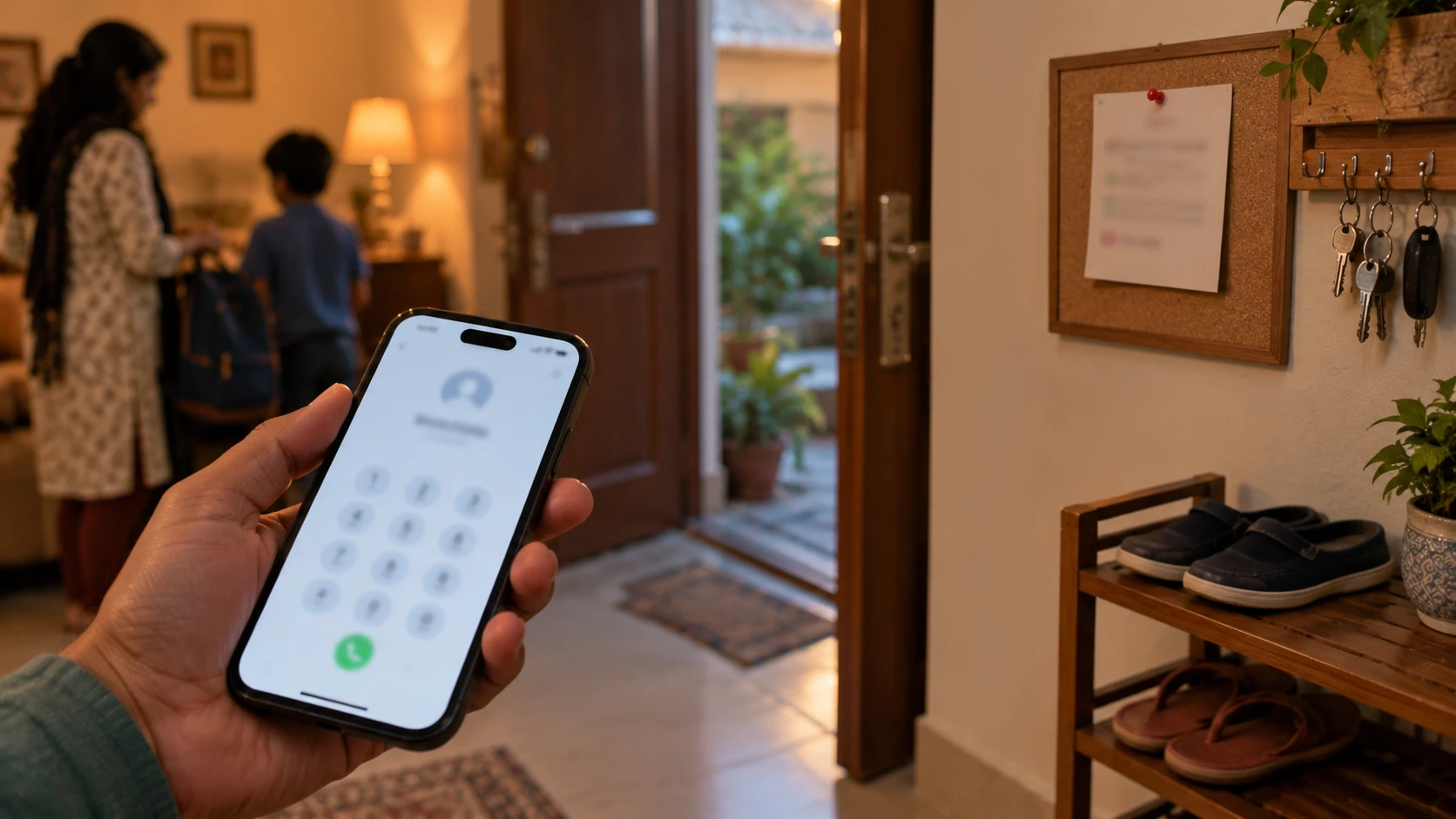
- Save 14416 and 112 in the phone your child uses, and read them out together.
- Ask the school who the counsellor is and how a student can reach them.
- Agree one thing the whole family will not do during exams, for example comparing marks.
- Students: pick the one adult you would tell, and tell them you might need to.
- Read who to call in a mental-health emergency once, so you do not have to look for it on a bad night.
What we could not confirm
We could not open state board date sheets on official pages, so only the CBSE dates are given. We found no CBSE counselling announcement for the 2027 exams, no Manodarpan hours on a page other than NCERT’s May 2025 guidelines, and no official page listing exam-stress symptoms, so none is listed. The Supreme Court judgment was read in a copy hosted by a legal news site, not on the Court’s website, and the NCRB figure in a mirror of the NCRB report. We did not read the Ministry of Education’s coaching guidelines themselves, only the Ministry’s statements about them. This page is general information and not medical advice. A counsellor or doctor can assess an individual student.
What needs attention
- Official guidance lists feelings, withdrawal, sudden changes and things said or written as signs of possible distress; it does not list physical symptoms.
- Pressure from home is named among the risk factors, and exams, results and parent-teacher meetings are named as critical periods.
- The Supreme Court asks institutions to educate parents about undue academic pressure and to display helpline numbers.
- Tele-MANAS is the 24-hour option; Manodarpan runs 8 am to 8 pm.
- A CBSE counselling service ran in 2026; none is announced for 2027.
Controls that reduce risk
- Save 14416 and 112 on the phone your child uses.
- Ask the school who the counsellor is and how to reach them.
- Choose one adult to tell, if you are the student.
- Listen first; ask directly; do not compare.
- Check the CBSE website or your own board's website for dates and counselling.
Common unsafe practices
- Comparing a child's marks with another child's.
- Waiting to see if a worrying sign repeats.
- Arguing, judging or forcing a student to talk.
- Promising to keep a disclosure about self-harm secret.
- Leaving a student alone when you fear for their safety.
- Assuming the school has a counsellor without asking.


Leave a comment