
Quick answers
What should I do if a basement starts to flood?
Leave at once by the stairs, not the lift, and do not go back for belongings. This is our advice, drawn from the Old Rajinder Nagar case, in which most people got out up the stairs and three did not.
Is it safe to walk through flowing floodwater?
No. NDMA says currents can be deceptive and that shallow, fast-moving water can knock you off your feet. If you must walk in standing water, use a pole or stick to avoid deep water, open manholes and ditches.
How much water can carry away a car?
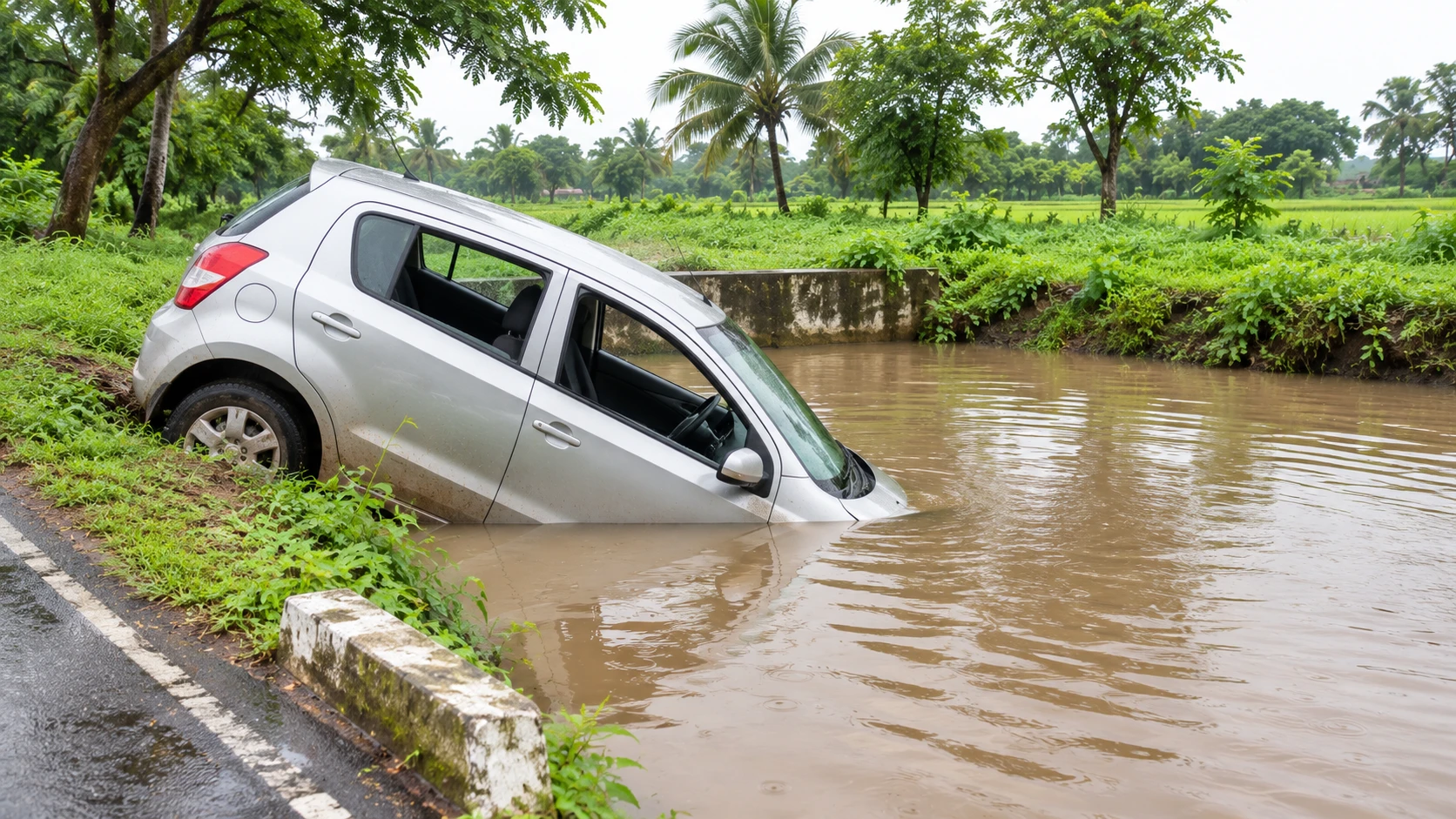
NDMA says only half a metre of flood water can carry a car away, and that you may not be able to see abrupt drop-offs. It advises not to drive through a flooded area.
Should I switch off the electricity during a flood?
NDMA says to switch off electrical supply and not to touch open wires. After the flood, do not reconnect the power until a qualified electrician has checked it, and watch for gas leaks.
Can I pump out my flooded basement straight away?
NDMA advises against removing standing water from a basement too fast, because relieving the pressure too quickly may put undue stress on the walls. It also says not to use a vacuum cleaner for the water.
Is it safe to eat or drink after a flood?
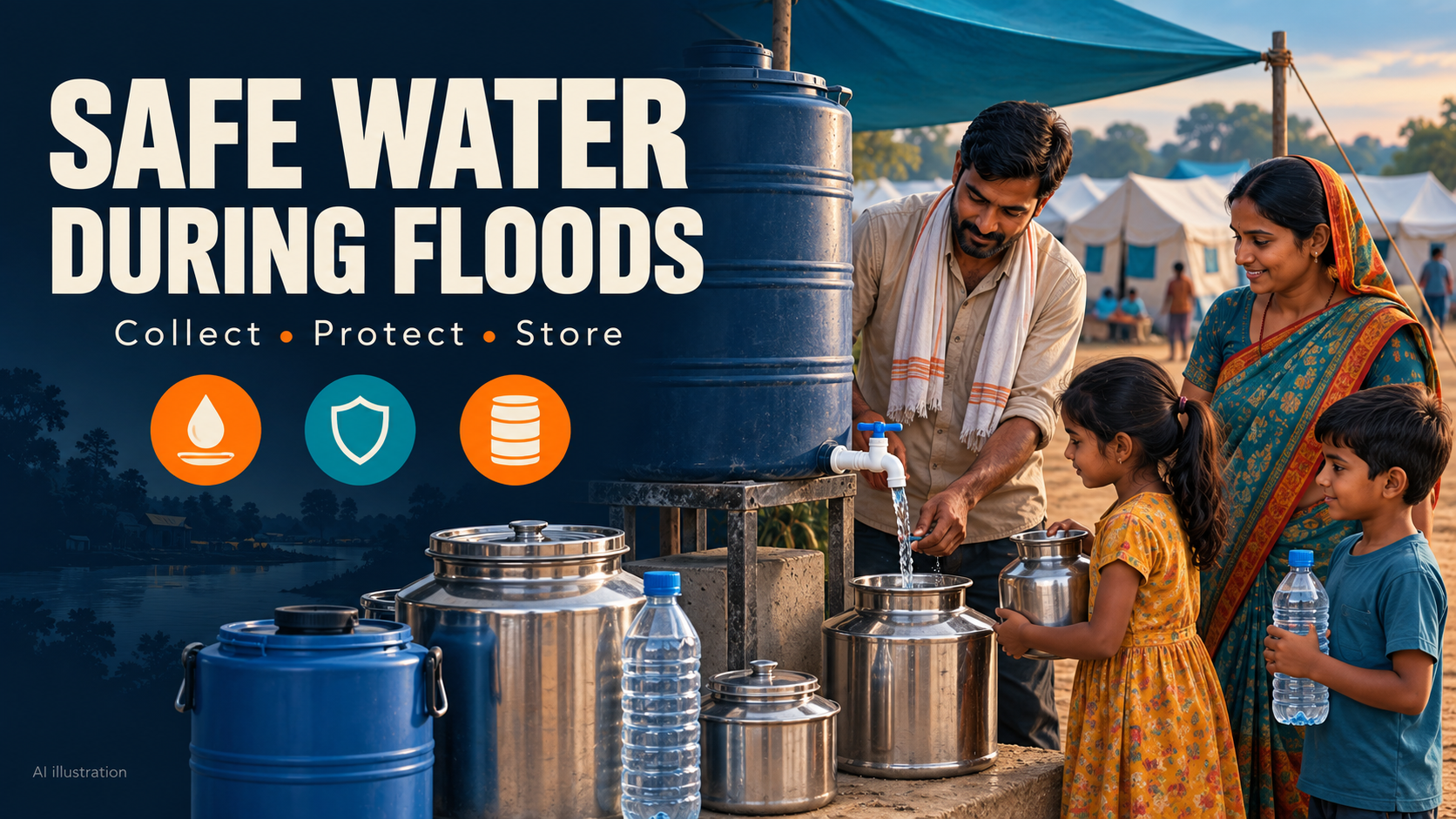
Not if it touched the water. NDMA says not to eat food that has come into contact with floodwater, and to drink chlorinated or boiled water.
What should each family member carry if told to move?
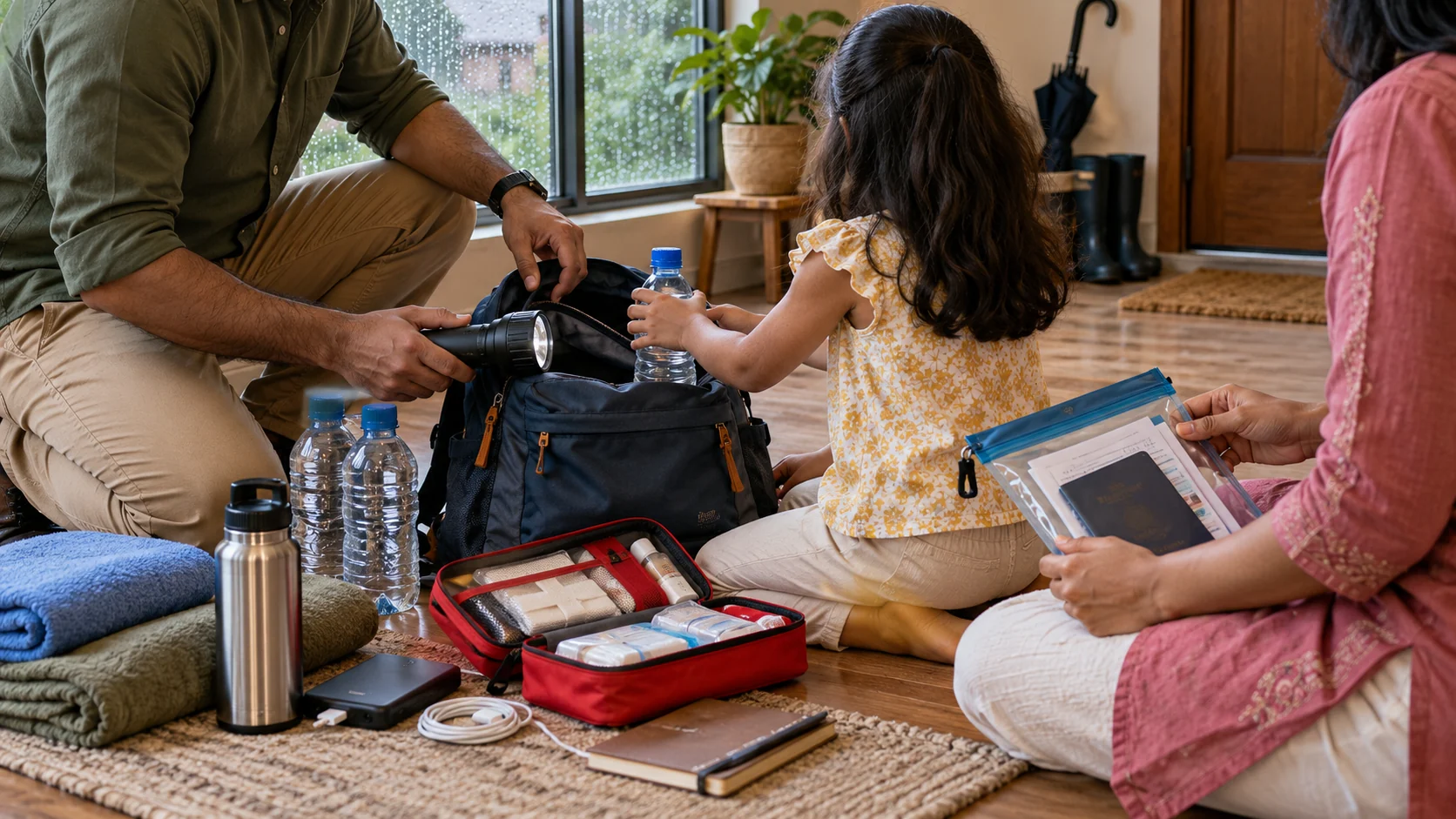
NDMA lists a lantern or torch, some food, drinking water, dry clothes and necessary documents, and says each person should have an identity card.
Who is responsible for basement safety in a city?
That depends on the city's building and fire rules and on what use the basement is approved for. In the Delhi case the CBI alleges the basement was approved for storage or parking, not as a library. We did not check any city's rules.
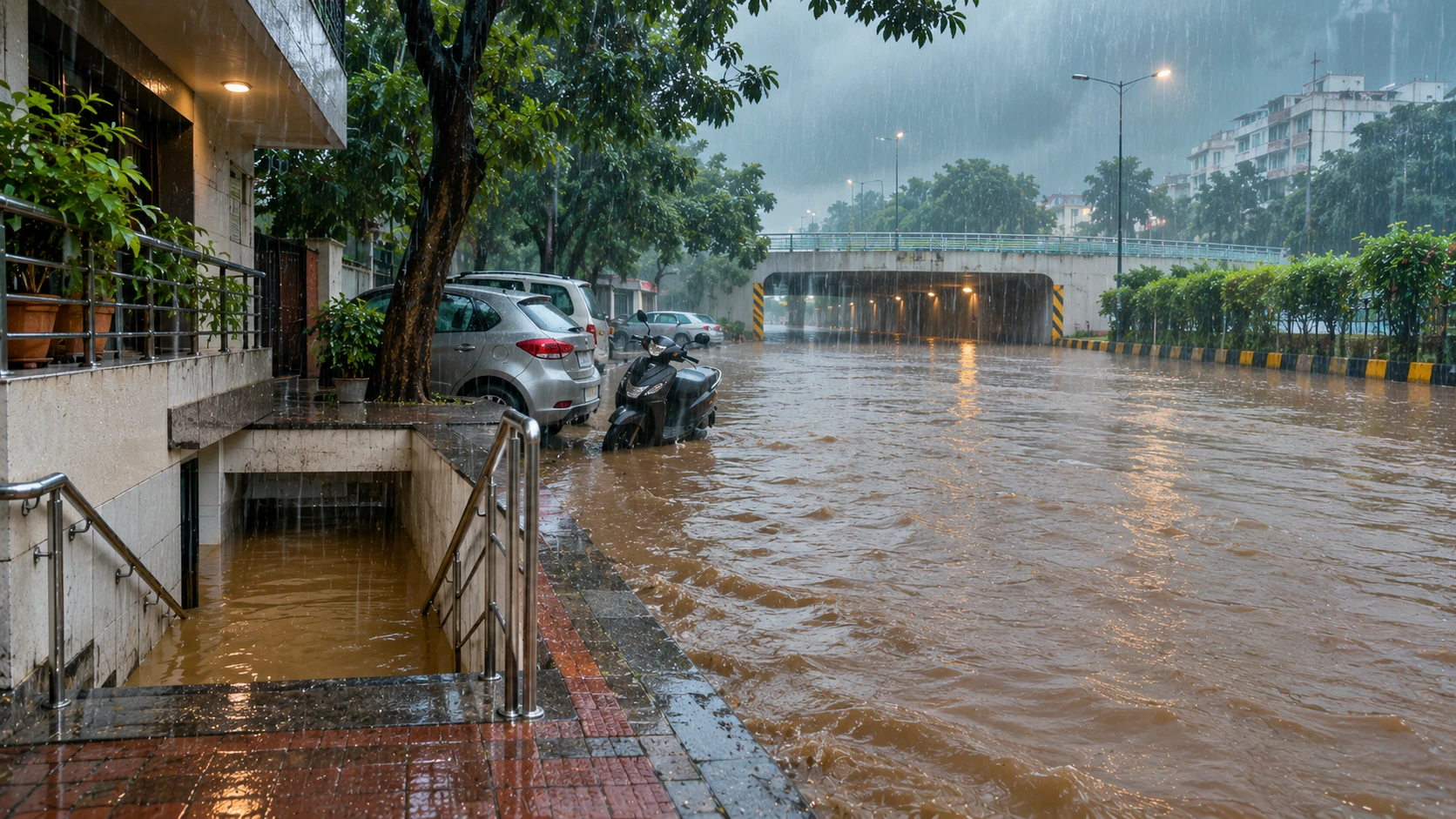
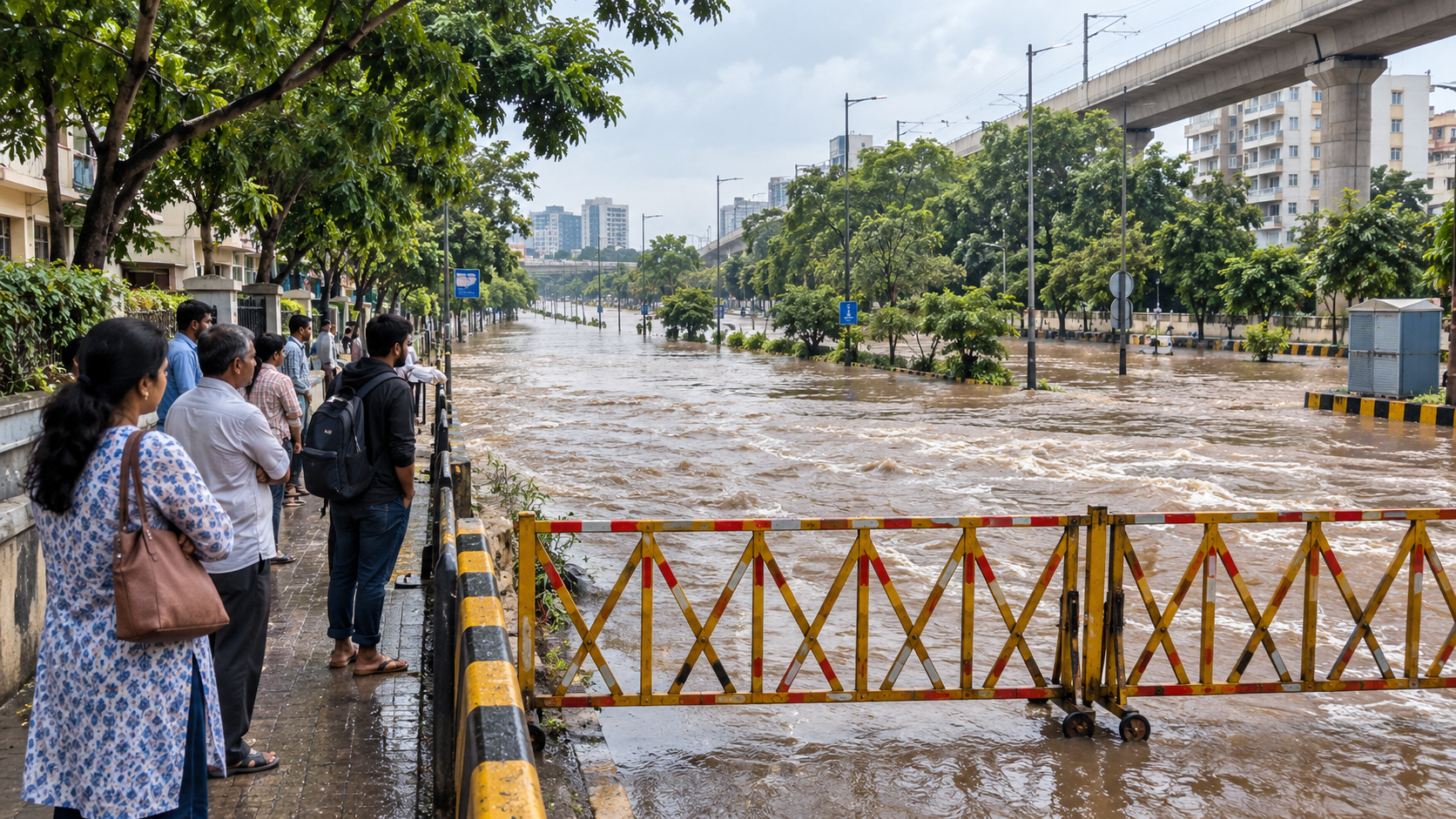
A city flood is not the same as a river flood. The water comes from the road outside, through drains that were already full, and it finds the lowest place: a basement, an underpass, a parking level, a ground-floor shop. In July 2024 three young people died in a library in a basement in Old Rajinder Nagar, Delhi, when water from the waterlogged road poured in. This page uses the National Disaster Management Authority’s urban flood advice and that case to set out what to do before the water rises, while it rises and after it goes down. Checked 10 November 2026.
In short
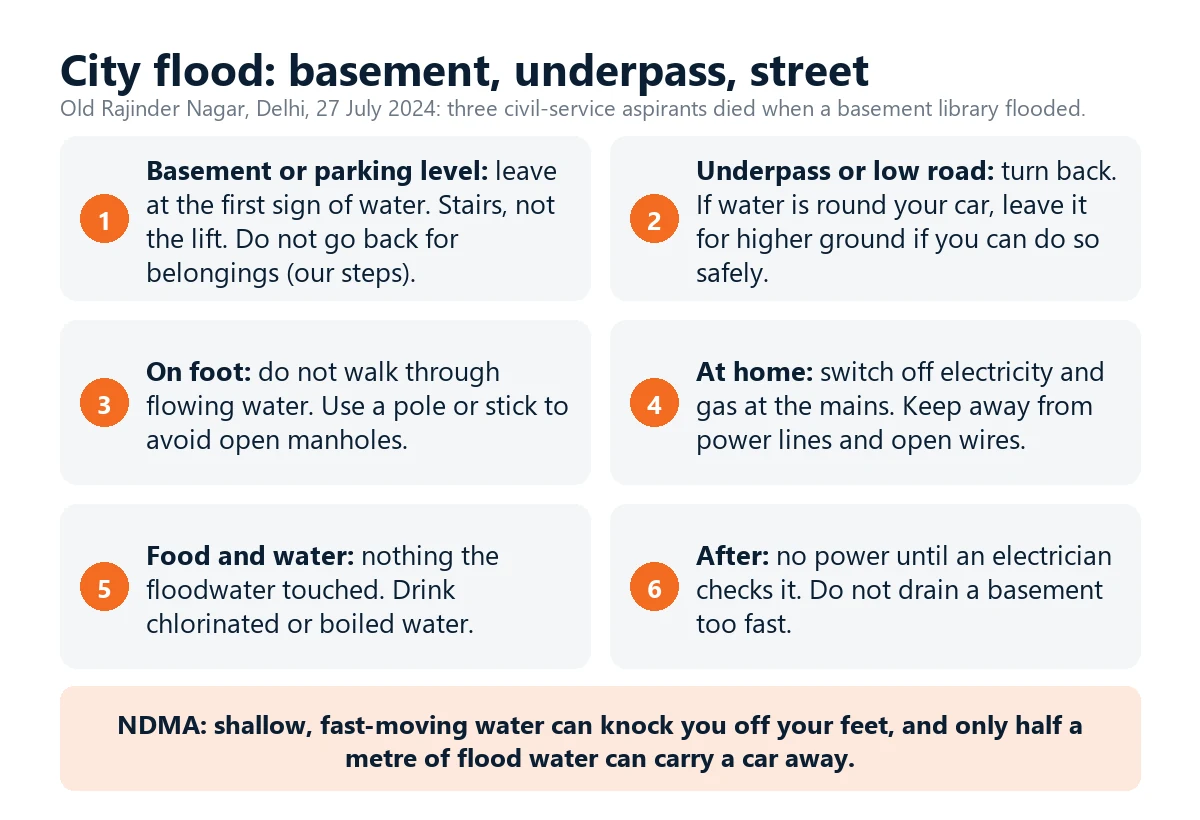
- When the road outside is filling, leave the basement, the parking level and any low room early. Do not wait to see how bad it gets. This is our advice, drawn from the Delhi case below.
- Do not walk through flowing water and do not drive through a flooded area. NDMA says shallow, fast-moving water can knock you off your feet, and that only half a metre of flood water can carry a car away.
- If you must walk in standing water, use a pole or stick to check for deep water, open manholes and ditches.
- Switch off electricity and gas at the mains, and stay away from power lines. Electrical current can travel through water.
- Do not drink or eat anything the floodwater has touched. Drink chlorinated or boiled water.
What happened in Old Rajinder Nagar
On the evening of 27 July 2024, rain waterlogged the road outside Rau’s IAS Study Circle in Old Rajinder Nagar, New Delhi. The basement was being used as a library, and at about 7 to 7.15 pm water began pouring in. About 35 students were reported to be in the library, and the CBI later put the number at around 30. Most rushed up the stairs and got out; three civil-service aspirants did not. Students told reporters that the library flooded every year and that complaints about waterlogging in the lane had gone unanswered, according to the National Human Rights Commission. The CBI’s charge sheets allege, and these are allegations and not court findings, that the basement was approved for storage or parking and not as a library, that the drainage could not carry the water, that the steel entrance gates were being used to hold back rainwater and gave way, and that a lockable cubicle at the entry slowed students trying to escape. See our case study of the Old Rajinder Nagar basement flood for the full account.
The lesson for ordinary families and building owners is plain. A basement is the first place a city flood goes, it has one way out, and it fills in minutes.
Before the rain: what NDMA advises
- Keep the drains clear. Do not throw waste, plastic bags or plastic bottles into drains.
- If high tide and heavy rain come together, try to be at home. NDMA gives this advice for coastal cities.
- Listen to the forecast and to municipal messages, on All India Radio, Doordarshan and the municipal body’s announcements, and act on them.
- Move to a safer place from low-lying areas if told to.
- Prepare a kit for each person: a lantern or torch, some food, drinking water, dry clothes and necessary documents, and make sure each person has an identity card.
- Put valuables at a higher place in the house.
While the water is rising
- Basements and parking levels. Leave at the first sign of water entering. Take the stairs, not the lift. Do not stop to move vehicles from a flooding level, and do not go down for belongings. Keep the stairs and the exit clear. These are our steps.
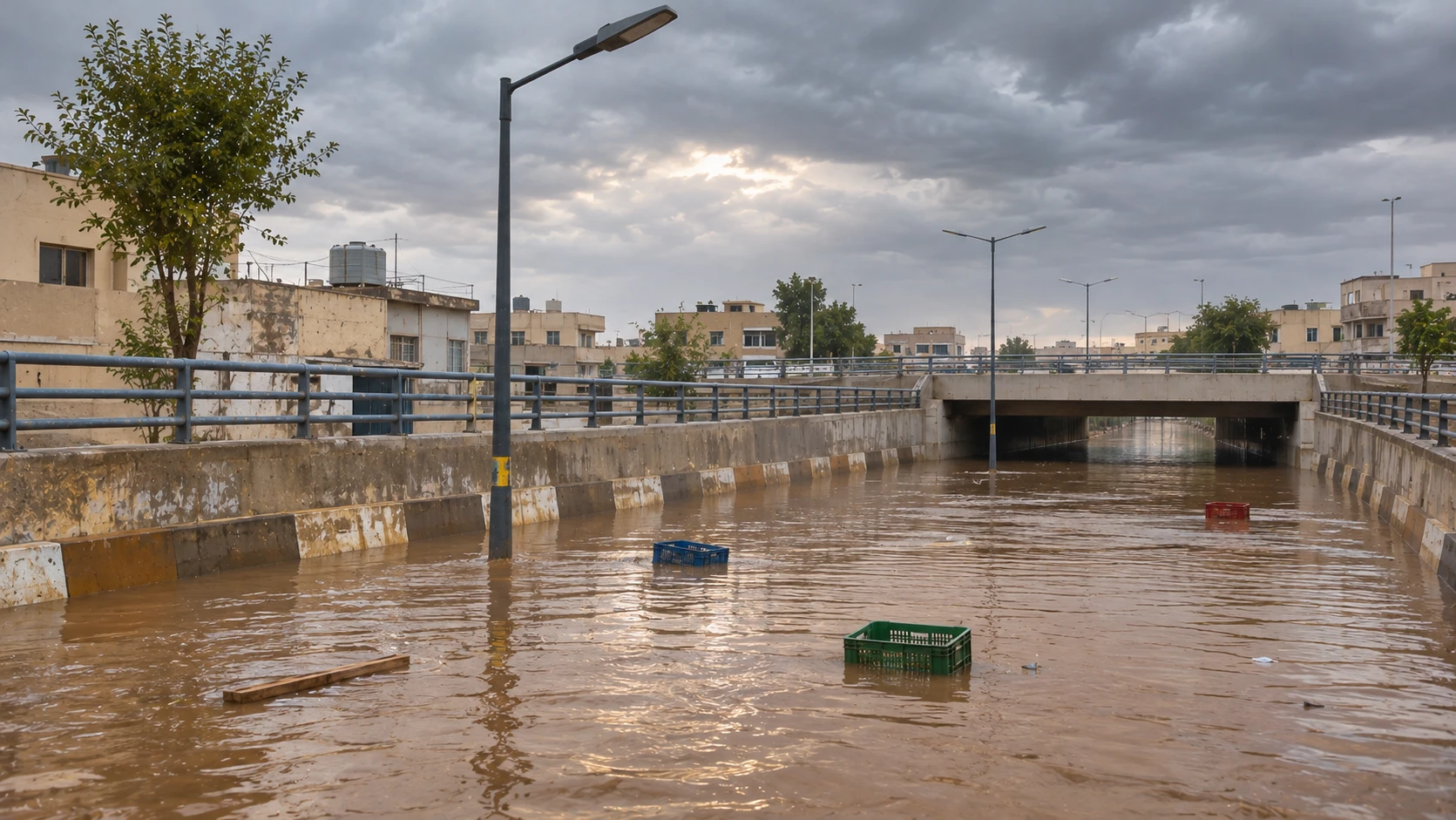
- Underpasses and low roads. Turn back. If water is already around your car, leave it and move to higher ground if you can do so safely. Our guide to getting out of a car in water has the detail. NDMA warns that you may not see abrupt drop-offs under the water.
- On foot. Do not walk through flowing water, and do not swim through fast water. NDMA says you can be swept away or struck by an object in it. Use a pole or stick to avoid open manholes.
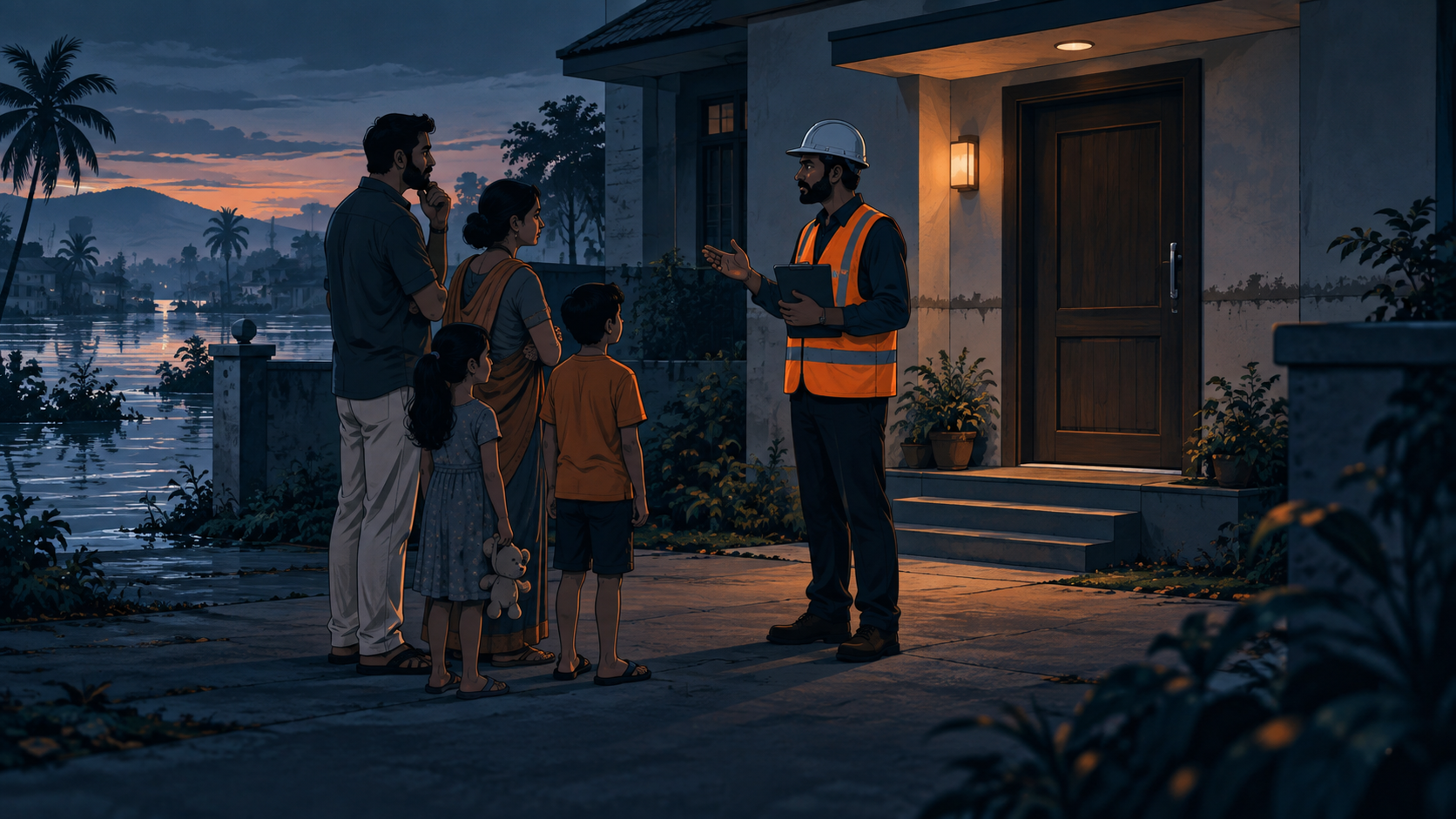
- At home. Obey orders to move to a safer place. Switch off the electricity and gas at the mains. Do not touch open wires. Do not use televisions, computers or other electrical equipment while standing on wet floors.
- Information. Try to collect correct information and do not get carried away by rumours or spread them.
One tip in the NDMA list is to poke a small hole in a wet ceiling to relieve the pressure. We do not repeat it, because a sagging ceiling can fall and a wet ceiling may carry current; stay away from it and call an electrician or the municipal helpline.
After the water goes down
- Do not reconnect power until a qualified electrician has checked it. Be alert for gas leaks and do not use candles, lanterns or any open flame.
- Look before you step. Floors and stairs are covered with mud and debris, which can hide broken glass and nails.
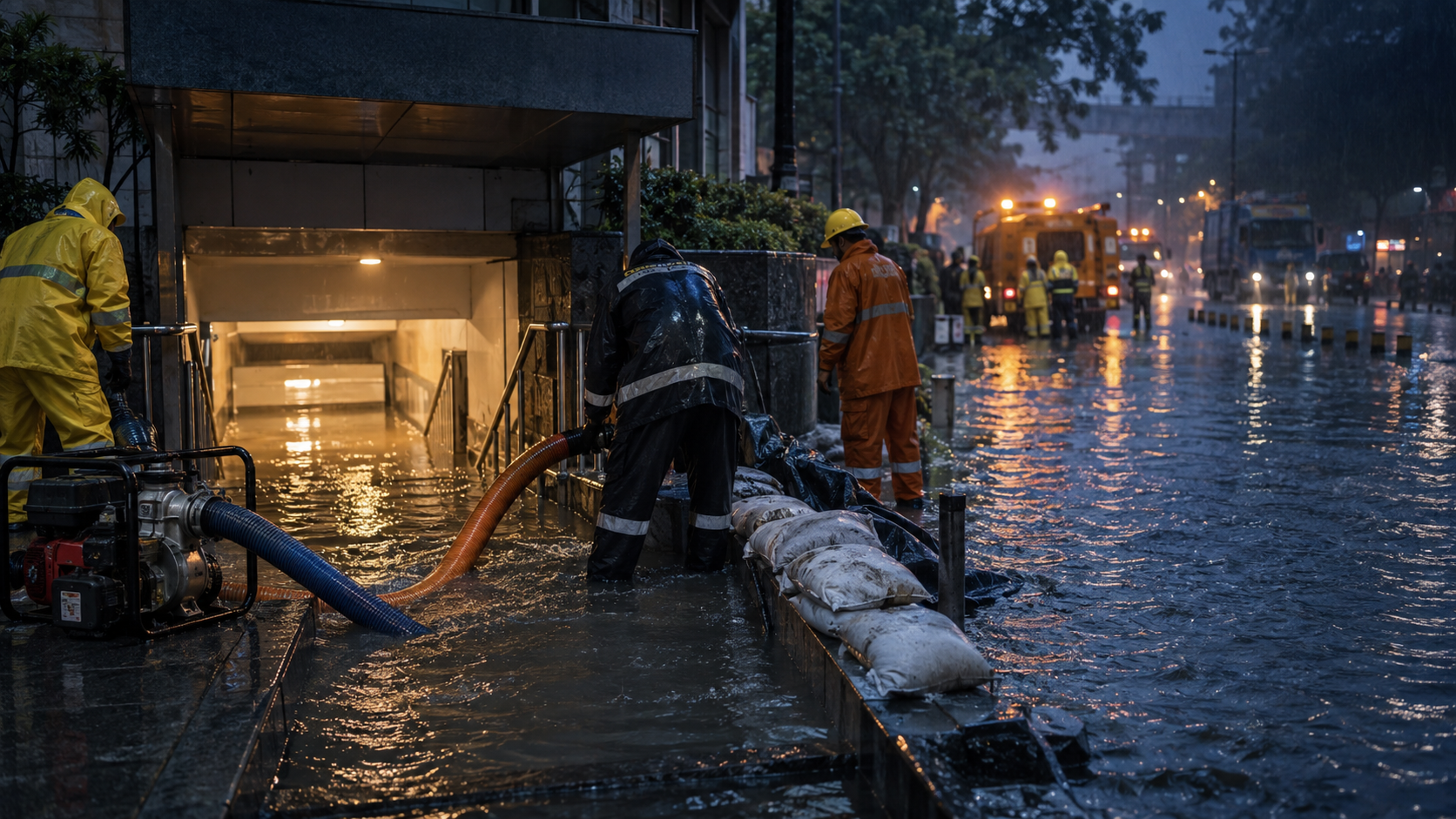
- Do not drain a flooded basement too fast. NDMA says that if the pressure is relieved too quickly it may put undue stress on the walls. Do not use a vacuum cleaner to remove standing water.
- Do not eat food that touched floodwater, and drink chlorinated or boiled water. Floodwater can carry sewage, oil and chemicals.
- Cooperate with the survey team by giving correct information.
Our pages on returning after a flood and safe water during floods cover this stage in more detail.
For housing societies, shops and coaching centres
These steps are our own advice, based on the Delhi case. Do not use a basement as a place where people sit or work unless its approved use allows it. Do not rely on a gate or a sandbag wall as a flood barrier. Keep the stairs wide, unlocked and free of cubicles or turnstiles. Fit a sump pump and keep the switchboard and the generator above the likely water level. Agree who will call the fire and municipal helplines, and who will clear the basement first.
What not to do
- Do not wade into a street to “see how deep it is”, and do not take the car through it.
- Do not go back down to a basement for a phone, a document or a vehicle.
- Do not use electrical equipment on a wet floor.
- Do not use a lift when the ground floor is flooding.
- Do not spread unverified messages about breaches or closures.
Do these today
- Find out whether your building has a basement in use, and where its exits are.
- Prepare a torch, water, dry clothes and copies of documents in a bag that can be carried upstairs.
- Save 112 and your city’s municipal flood helpline.
- Read our pages on never driving or walking through floodwater and live wires and floodwater after a cyclone.
What we could not confirm
The live NDMA pages returned an error on 10 November 2026, so we read an archived copy of the Urban Floods Do’s and Don’ts page captured on 30 April 2025. We did not check any city’s own flood rules, basement-use rules or helpline numbers, which differ from city to city. The findings about the Delhi basement are the CBI’s allegations as reported, not court findings. The steps marked as ours are our own reading. We did not watch the videos in full. This page is general information.
What needs attention
- On 27 July 2024 water poured into a basement library in Old Rajinder Nagar; about 35 students were reported there, most escaped up the stairs and three died.
- The CBI alleges the basement was approved for storage or parking, the drainage could not cope, the gates gave way and a lockable cubicle slowed the exit; these are allegations, not court findings.
- NDMA says only half a metre of flood water can carry a car away.
- NDMA advises against draining a basement too fast and against using a vacuum cleaner for standing water.
- We did not check any city's basement rules or helplines.
Controls that reduce risk
- Know whether your building's basement is in use and where its exits are.
- Prepare a torch, water, dry clothes and document copies in a bag you can carry upstairs.
- Keep drains clear; do not throw plastic into them.
- Switch off power and gas at the mains when water rises.
- Save 112 and your city's municipal flood helpline.
Common unsafe practices
- Waiting to see how bad it gets before leaving a basement.
- Going back down for a phone, a document or a vehicle.
- Driving into a flooded underpass.
- Using electrical equipment on a wet floor.
- Pumping out a flooded basement too fast.
- Relying on a gate or sandbags as a flood barrier.

Leave a comment