
What happened here
 1 / 2
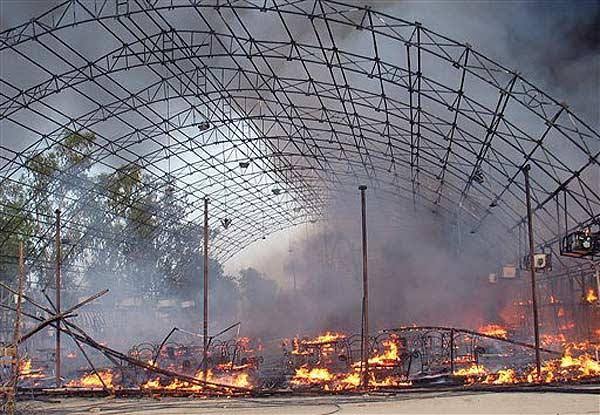
1 / 2 On 23 December 1995 a fire broke out in a pandal at Rajiv Marriage Palace in Mandi Dabwali, Haryana, during a DAV school annual function. The flammable cloth enclosure burnt fast, there was one entry gate and a small gate near the stage, and 446 people died, according to the Supreme Court record. It remains one of India's deadliest fires at a public gathering.
Quick answers
What happened in the Mandi Dabwali fire of 1995?
On 23 December 1995 a fire broke out during a DAV school annual function in a pandal at Rajiv Marriage Palace, Mandi Dabwali, Haryana. The Supreme Court record gives the death toll as 446.
How did the Dabwali fire start?
It was reported to have started from an electrical short circuit. The prosecution case reported in 2001 blamed faulty and loose connections, sub-standard PVC wires and flammable material.
Why did so many people die?
The cloth enclosure burnt very fast, and the pandal had only one entry gate and a small gate near the stage, so a packed crowd could not get out in time.
Who was held responsible?
In 2001 a special court sentenced three people to two years in prison. On compensation, the High Court held the school and venue owner liable for 55 per cent and the State for the rest, and the Supreme Court did not interfere.
How can I stay safe at a function in a pandal or shamiana?
Find two exits as soon as you sit down and sit near one with children. At the first sign of smoke or fire, leave at once along the edge of the crowd and call 101 or 112 from outside.
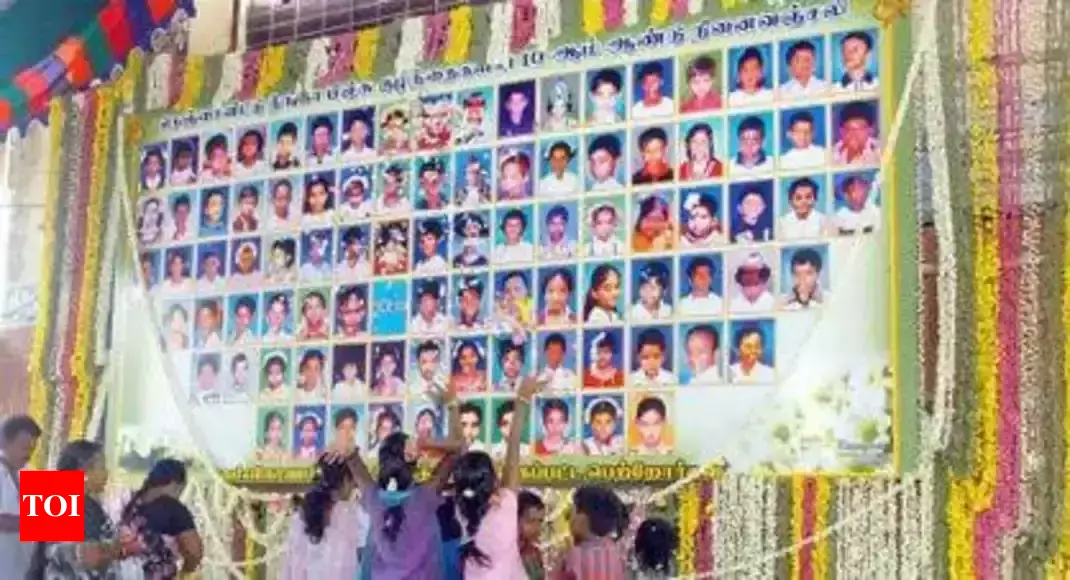
On 23 December 1995, the DAV school in Mandi Dabwali, Haryana, held its annual function at Rajiv Marriage Palace. Pupils, parents and grandparents had gathered under a pandal put up for the function. A fire broke out, the cloth enclosure caught quickly, and the crowd had almost no way out. The Supreme Court has recorded that 446 people died.
It remains one of the worst fires India has seen. Almost every failure in it is one we can still find at weddings, school functions and religious events today.
What happened
The fire was reported to have started from an electrical short circuit. When the case came to court, the prosecution case reported in 2001 was that the pandal caught fire because of faulty and loose electrical connections, sub-standard PVC wires and flammable material. The seating had been arranged for about 1,000 people. The pandal had one entry gate and a small gate near the stage.
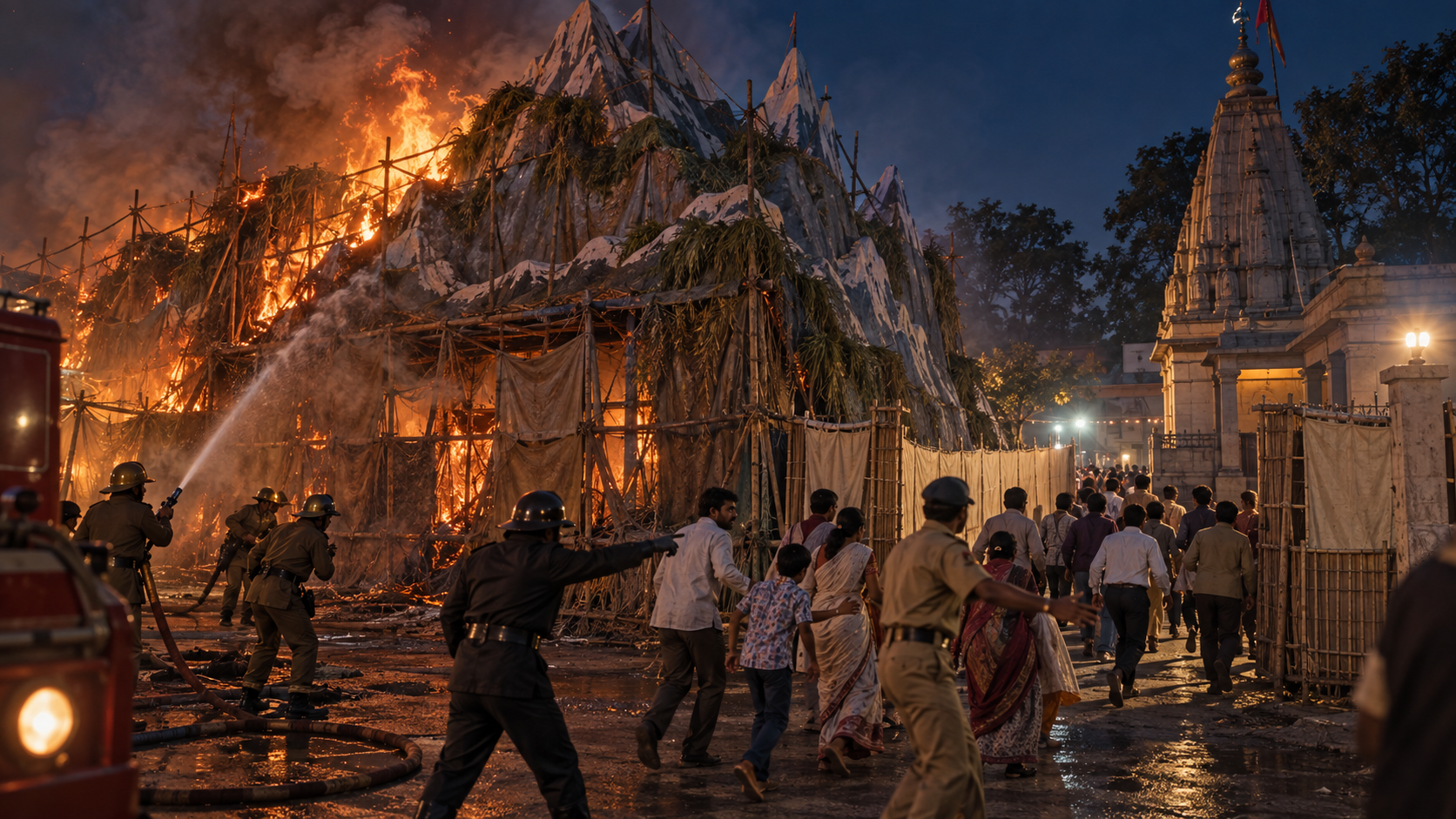
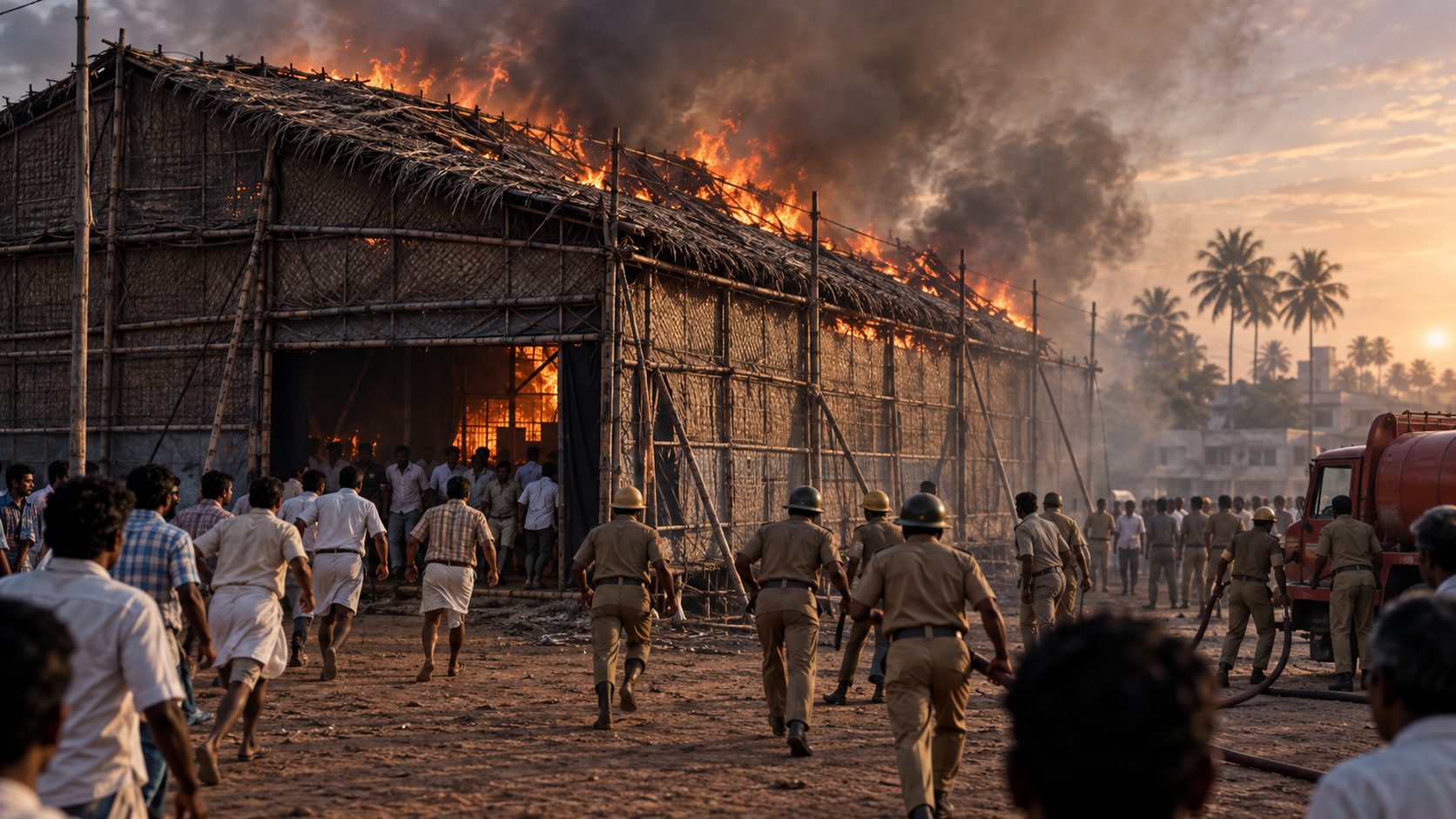
Flames spread through the synthetic cloth very fast. People rushed for the exits, and many were crushed or trapped. Many others were badly burnt.
What went wrong
- Flammable temporary structure. The pandal was made of material that burnt quickly and spread the fire over people’s heads.
- Not enough ways out. One entry gate and a small gate near the stage could not empty a packed pandal in the time the fire allowed.
- Unsafe wiring. Temporary lights and wiring were not up to standard.
- No fire plan. There was nothing in place to get a large crowd, including many children, out quickly.
How Dabwali responded
Local people did what they could. They gave blood, arranged vehicles to take the injured to hospital and helped families with funerals. Volunteer groups stepped in to help as well.
Accountability and compensation
In 2001 a special court sentenced three people to two years of rigorous imprisonment in the case. The compensation fight went on far longer. The Punjab and Haryana High Court held the school and the owner of the venue jointly liable for 55 per cent of the compensation, with the State paying the rest. An inquiry commission had earlier put their share at 80 per cent. The Supreme Court did not interfere with the High Court’s 55 per cent figure.
Lessons for anyone organising a function
- Check your guest numbers against what the venue and its exits can actually handle.
- Use fire-retardant shamiana material, and keep it away from lights and heaters.
- Provide several wide exits on different sides, opening outwards, and keep them unlocked.
- Get temporary wiring done and checked by a licensed electrician.
- For a large event, get fire service clearance, and keep extinguishers and trained marshals on site.
- At a school event, give each teacher a group of children to get out.
What you can do
The next time you sit down at a function in a pandal or shamiana, find two exits before the programme starts, and sit with your children on the side nearest one of them. If you see smoke or flames, do not wait. Take the children by the hand, move along the edge of the crowd to the nearest exit, and call 101 or 112 once you are outside.
- A large school gathering occupies a temporary covered venue
- Fire develops in the combustible enclosure
- Flames and smoke move quickly across the temporary material
- Large numbers converge on inadequate exit provision
- Residents assist victims; inquiry, compensation and court proceedings follow
Why consequences escalated
- A flammable temporary structure can let fire spread over a crowd in moments
- A crowd must never be bigger than its exits can empty in time
- Large events need several separate exits that open outwards
- Temporary wiring and decorative lights need checking by a competent electrician
- The organiser, the venue owner and government enforcement each had a share of the responsibility
Failures and risk multipliers
- Letting far more people into the venue than it could hold
- Building the temporary enclosure from flammable cloth and material
- Providing a single exit for a large crowd
- Running temporary wiring and lights without competent inspection
- Holding a large function without fire marshals or a plan to get children out fast
Actions that reduce risk
- Check your guest numbers against the venue's approved capacity
- Use fire-retardant shamiana material and keep it clear of lights and heaters
- Provide several wide, outward-opening exits on different sides and keep them unlocked
- Get temporary wiring done and checked by a licensed electrician
- Get fire service clearance for large events and keep extinguishers and trained marshals on site
- Assign a teacher to each group of children for evacuation
Leave a comment