
What happened here


 1 / 7
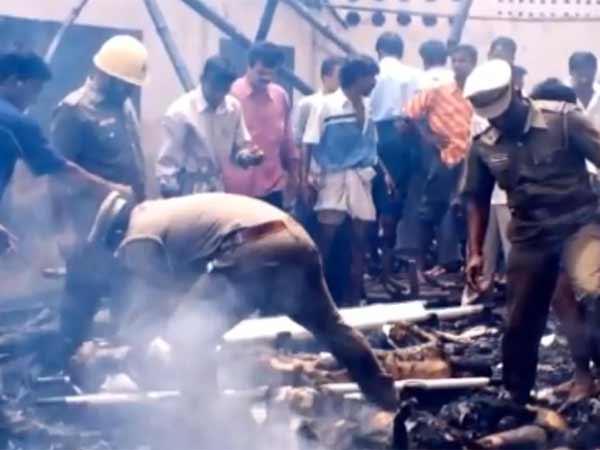
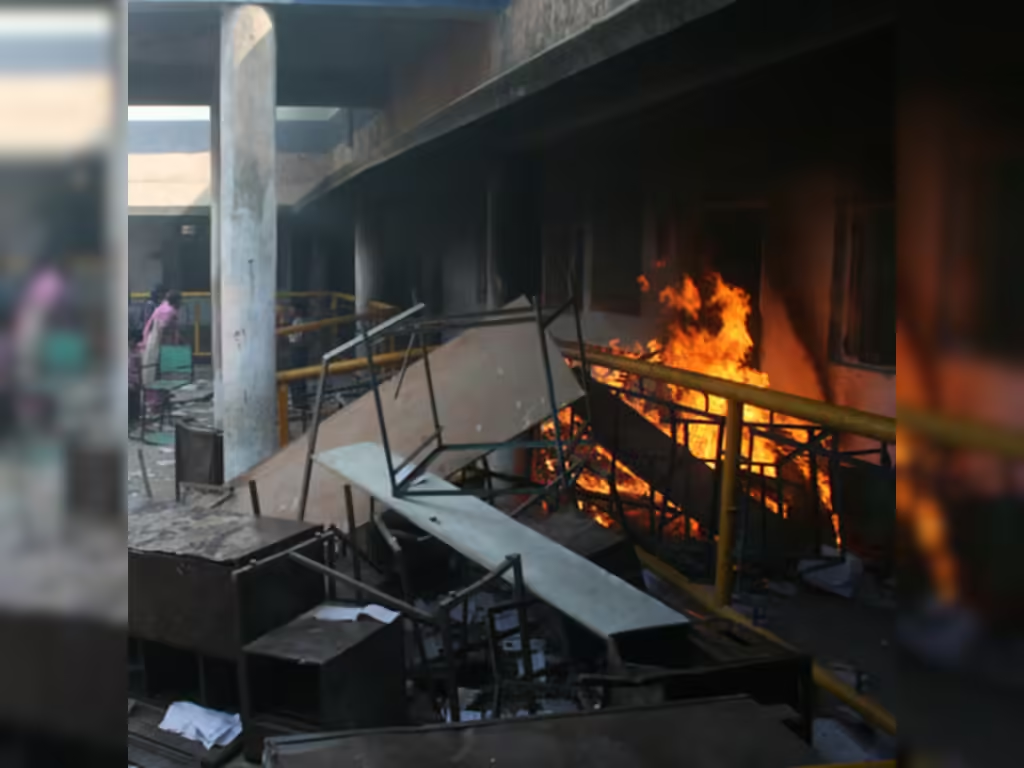
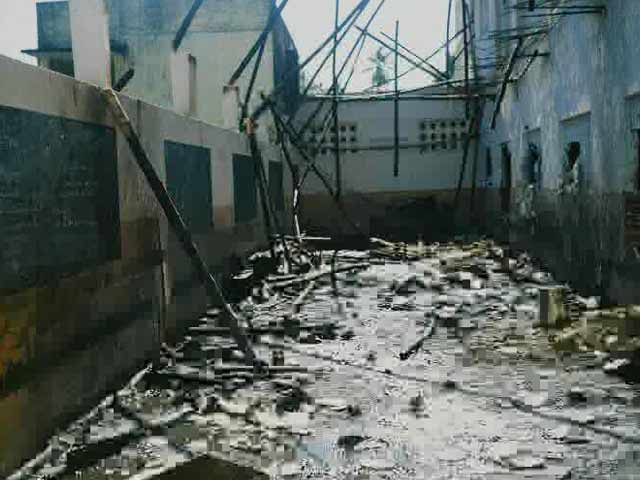
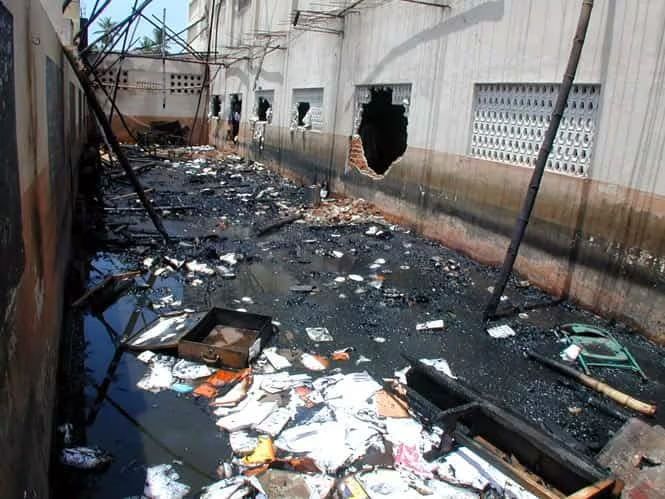
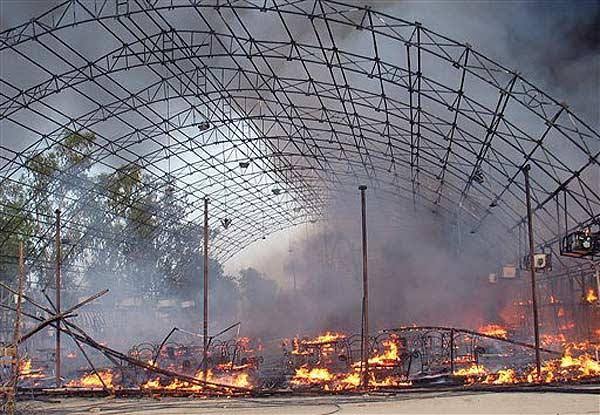
1 / 7 The Kumbakonam school fire killed 94 children after cooking fire spread into a thatched classroom area, demonstrating the fatal consequences of combustible roofs and inadequate child evacuation.
Quick answers
What happened in the Kumbakonam Krishna School fire?
On 16 July 2004, a fire engulfed the Krishna School building in Kumbakonam, Tamil Nadu. 94 lives were lost, mostly young children.
How did the Kumbakonam school fire start and spread?
The case account says it began from a spark at the open stove of the midday meal kitchen, located near the only stairwell. It spread through the thatched roof, bamboo supports and thatched classroom partitions.
Why could the children not escape the Kumbakonam fire?
Burning thatch and bamboo collapsed and blocked escape routes, smoke and panic slowed evacuation, and the building had only one stairwell, with little firefighting equipment, water or staff training.
How can schools prevent a fire like Kumbakonam?
Keep cooking separate from classrooms and escape routes, use non-combustible roofs and partitions, provide multiple staircases and doors, and run adult-led fire drills so children know simple routes out.
Date: 16 July 2004
Location: Kumbakonam, Tamil Nadu
Casualties: 94 lives lost
Incident Overview
On the tragic day of 16th July 2004, a devastating fire engulfed the Krishna School building in Kumbakonam, Tamil Nadu, resulting in a heartbreaking loss of 94 lives, mostly innocent children. The fire originated from a spark in the midday meal kitchen’s open stove, quickly spreading through combustible materials and obstructing escape routes, leading to catastrophic consequences.
Building Layout and Fire Spread
The building’s layout played a critical role in the fire’s rapid escalation and the challenges faced during evacuation:
- Kitchen Proximity: The midday meal kitchen, situated on the ground floor near the only stairwell, served as the ignition source.
- Classroom Partition: Thatched materials separated classrooms, providing fuel for the fire and hindering movement.
- Combustible Materials: The thatched roof, bamboo supports, wooden furniture, books, and clothing contributed to the fire’s intensity.
Causes of High Casualties
Several factors contributed to the significant loss of life during this tragic incident:
- Building Materials: Combustible thatched materials and bamboo supports collapsed, blocking escape routes and causing suffocation.
- Evacuation Challenges: Smoke, panic, and blocked exits impeded children’s ability to evacuate swiftly.
- Lack of Fire Safety Measures: Insufficient firefighting equipment, water supply, and emergency preparedness exacerbated the situation.
Failure Aspects and Lessons Learned
Key failures contributing to the severity of the tragedy include:
- Inadequate Firefighting Provisions: The building lacked essential firefighting apparatus, water facilities, and staff training.
- Passive Safety Measures: Insufficient site setbacks, escape routes, and disaster management protocols were evident.
- Structural Design Issues: The linear building shape and absence of additional staircases hindered evacuation efforts.
Proposed Solutions and Recommendations
To prevent such devastating incidents in the future, the following solutions and measures are recommended:
- Enhanced Fire Safety: Install adequate firefighting equipment, ensure water availability, and conduct regular fire safety drills.
- Improved Building Design: Incorporate non-combustible materials for roofs and partitions, create multiple staircases, and increase the number of doors based on occupancy and time factors.
- Educational Awareness: Educate staff, students, and the community about fire safety, evacuation procedures, and disaster management.
Conclusion
The Krishna School building fire tragedy serves as a stark reminder of the critical importance of stringent fire safety measures, proper building design, and comprehensive disaster preparedness. By learning from past failures and implementing proactive safety strategies, future tragedies can be mitigated, and lives can be safeguarded.
- Fire begins near the school kitchen
- Flame reaches combustible thatch and spreads above classrooms
- Burning roof material falls and escape becomes blocked
- Community, fire, district and medical teams respond
- Recognition is withdrawn and school-safety scrutiny increases
Why consequences escalated
- Combustible roofing over occupied classrooms created intolerable risk
- Cooking must be separated from classrooms and escape routes
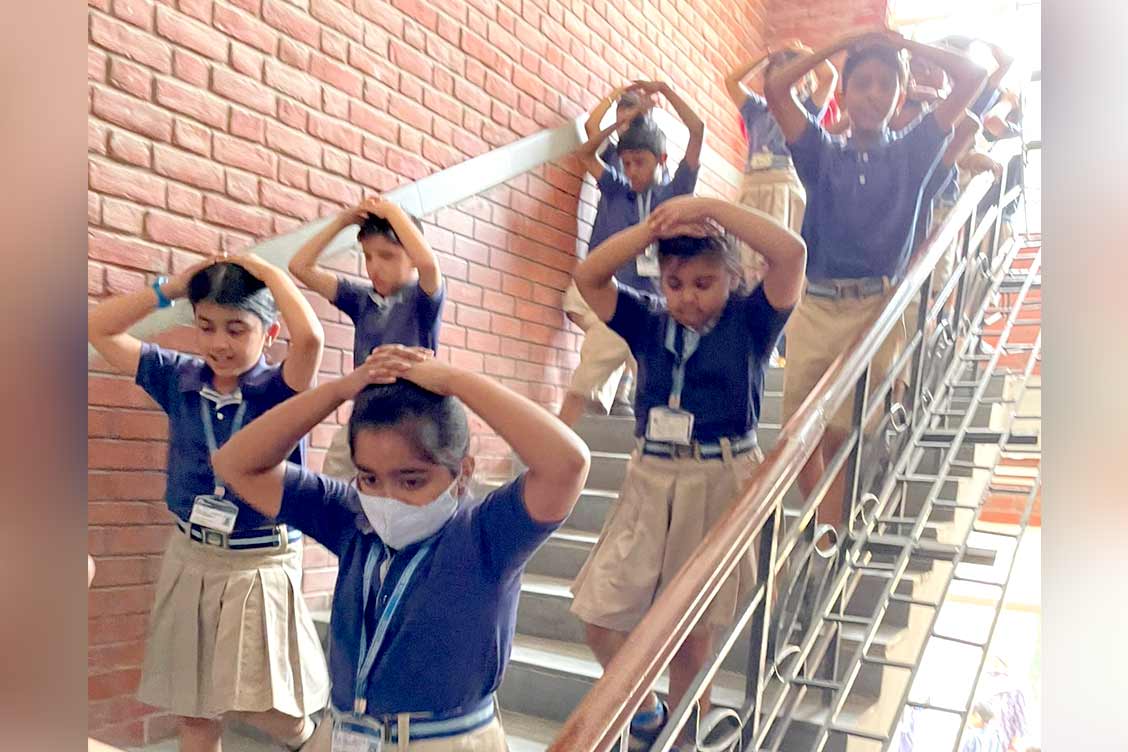
- Children require simple routes, adequate exits and adult-led drills
- Locked or constricted doors can convert evacuation into entrapment
- School recognition and inspection must verify actual conditions
Failures and risk multipliers
- Cooking midday meals on an open stove next to the only stairwell
- Using a thatched roof, bamboo supports and thatch partitions over classrooms full of children
- Running a school with a single staircase and too few doors for the number of children
- No firefighting equipment, no water supply and no staff trained for a fire
- Granting and continuing recognition without checking what the building was made of
Actions that reduce risk
- Move the school kitchen to a separate, non-combustible structure away from classrooms and stairs
- Replace thatch and bamboo roofs and partitions with non-combustible materials
- Give every floor at least two ways out, with doors that open outward and are never locked during school hours
- Keep extinguishers and water near the kitchen and train the cook and teachers to use them
- Hold a fire drill every term, with teachers leading each class to a set assembly point
- Parents' committees: ask the school for its fire NOC and the date of the last drill
Leave a comment