Home / Case Study / Case Study: Shreeji International Export Shoe Manufacturing Fire Incident
Case Study · Ready For Review
Case Study: Shreeji International Export Shoe Manufacturing Fire Incident
Flammable adhesive, unusable extinguishers, a locked stair gate and meshed windows combined in the Shreeji International shoe-factory fire, killing 44 workers.
Date24 May 2002LocationJeoni Mandi, Agra, Uttar Pradesh, India
01
Case Study
What happened here
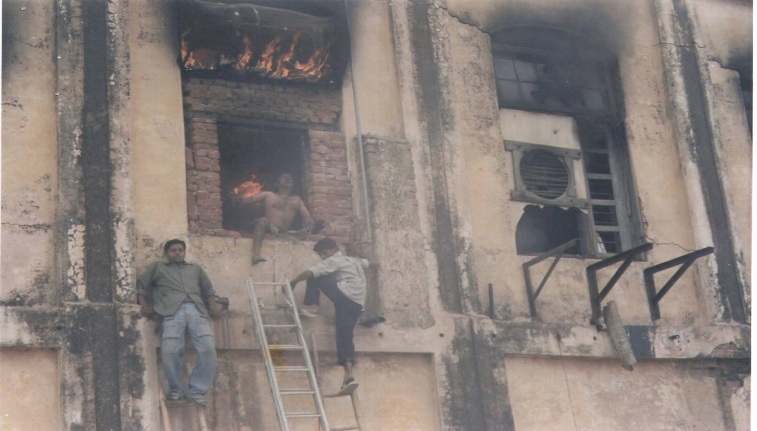
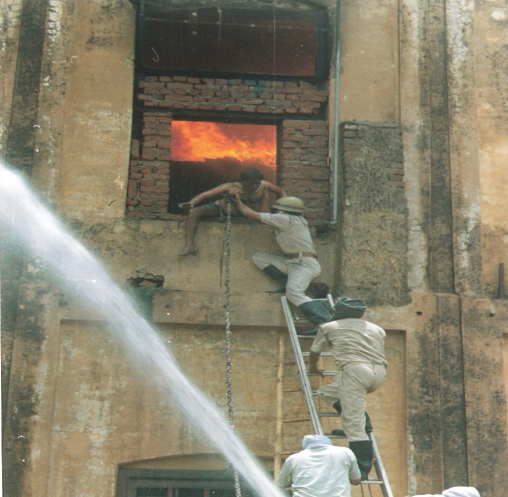
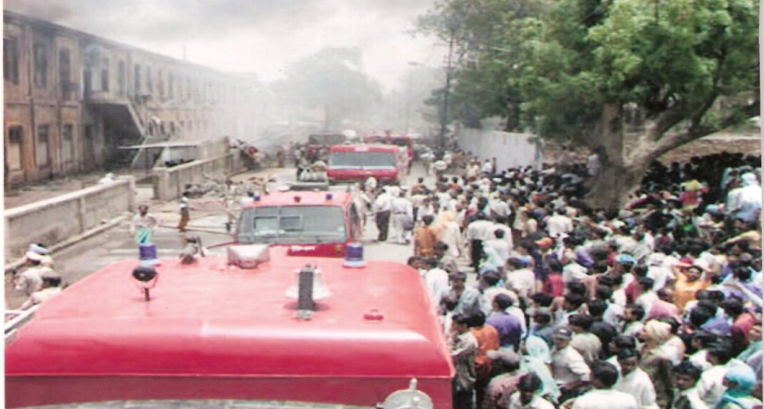
1 / 10Existing HowToSurvive.in image
Deaths44
Employees reported at workAbout 300–350
Flammable adhesive storage30–40 drums of about 20 litres each
Distance from nearest fire stationAbout 7 km
Estimated property damageAbout ₹1.05 crore
Verified overview
What we can say safely
Flammable adhesive, unusable extinguishers, a locked stair gate and meshed windows combined in the Shreeji International shoe-factory fire, killing 44 workers.
Incident timeline
Flammable adhesive is being transferred in the factory
Vapour ignites and fire spreads through stored materials
Fire call reaches Idgah fire station at 10:32
Appliances arrive around 10:45; multi-agency rescue begins
Search and extinguishment continue for several days
Key findings
Why consequences escalated
Bulk flammable liquid was stored near the principal stair entrance
One stair gate was normally locked and windows were protected by wire mesh
Available extinguishers were reported unserviceable
Large worker numbers and combustible stock magnified exposure
Hazardous-liquid transfer needs bonding, ventilation, ignition control and spill containment
Core mistakes / what went wrong?
Failures and risk multipliers
Operating without verifying occupancy, fire and building approvals
Allowing combustible material or stock to compromise escape routes
Locking, obstructing or reducing exits
Failing to test alarms, emergency lighting and firefighting equipment
Failing to train staff for immediate evacuation and emergency calls
Voices that matter
People closest to the evidence
“Safety lesson”
Capacity, combustibility, warning, escape and emergency access must be verified together before occupancy.
Practical prevention
Actions that reduce risk
Compare actual occupancy and layout with approved plans
Open and walk every exit to a safe assembly point
Remove combustibles and storage from stairs and exit access
Test alarms, emergency lighting and firefighting systems
Train every shift and run a realistic evacuation drill
Keep fire-service access clear and display the complete site address
02
Watch & learn
Playable video library
Captions
Official guidance
Fire Safety
Bureau of Indian Standards · Hindi/English
BIS overview of building fire-safety systems
03
Incident data
The broader evidence
How to survive this situation
Survival sequence
Raise the alarm, call 112 and evacuate immediately
Use the nearest safe stair; do not use ordinary lifts
Stay low beneath smoke and close doors behind you
Move away from the building to the assembly point
Report missing people to responders
Never re-enter for belongings
44DeathsContemporary retrospective reporting
300–350Workers presentIncident case material
30–40Adhesive drumsAbout 20 litres each
13 minutesCall-to-arrival interval10:32 to 10:45 reported
Evidence chart
44DeathsContemporary retrospective reporting
300–350Workers presentIncident case material
30–40Adhesive drumsAbout 20 litres each
13 minutesCall-to-arrival interval10:32 to 10:45 reported
What the data does not show
Limitations
Some older incidents have inconsistent totals across early and later records. Where no final technical investigation was located, the post is marked ready for editorial review and does not assert disputed causation as settled fact.
What you can do today
Immediate actions
Check every exit door opens without a key
Confirm the alarm can be heard throughout occupied areas
Remove stock, décor and waste from escape paths
Write emergency number 112 and the full address at the control point

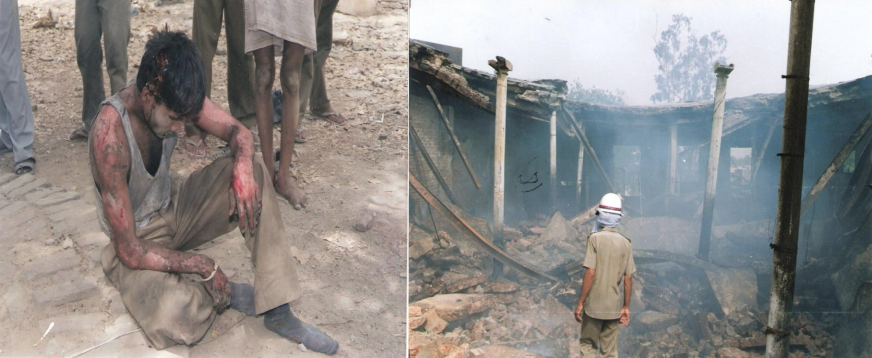
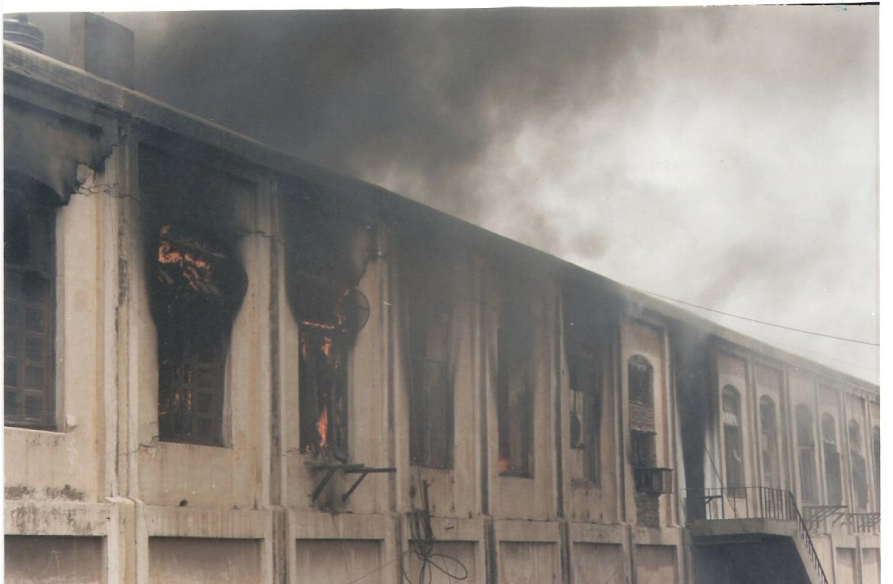
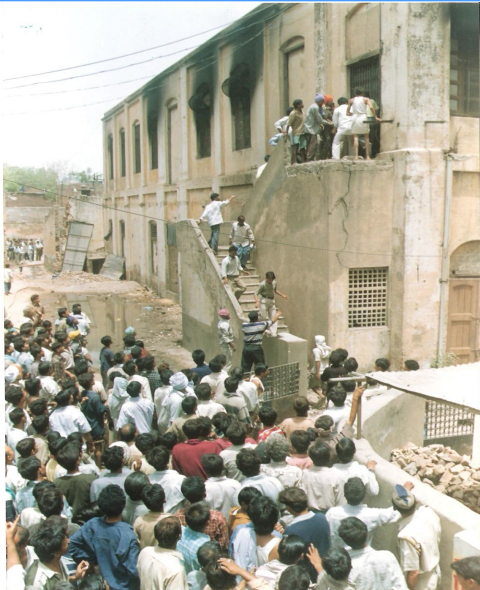
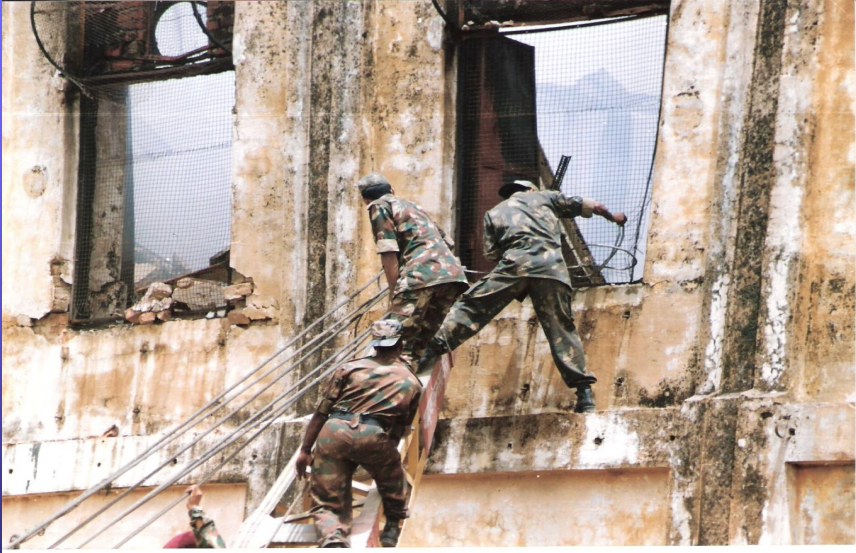


 1 / 10