
Quick answers
What health problems can drought cause?
Drought can lead to dehydration and heat stress, kidney and urinary problems linked to poor water, malnutrition from crop loss, mental distress from lost livelihoods, and disease from unsafe water or stagnant water after rains.
How can I protect myself from heat and dehydration during a drought?
Drink plenty of water, avoid outdoor exposure in the hottest afternoon hours of peak summer, and use ORS or electrolyte water to help prevent heat stroke.
What should I do if drinking water looks contaminated?
Report water contamination to the local health office immediately. Using unsafe water sources can lead to diarrhoeal outbreaks.
Who needs extra care during drought and heat?
Check regularly on children, older people and outdoor workers, as they are among the most vulnerable to heat, dehydration and drought-related illness.
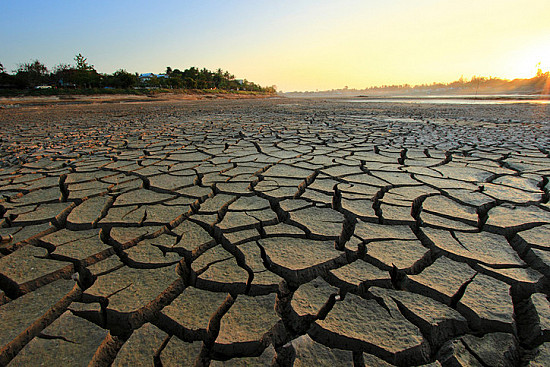
We usually talk about drought as a farm problem: failed crops, dry wells, falling incomes. But a long drought is also a health emergency. It brings dehydration and heat illness, unsafe water, hunger, debt and despair, and it hits children, the elderly and outdoor workers hardest.
According to the Ministry of Agriculture and Farmers’ Welfare, about 68% of India’s total sown area is drought-prone. Regions like Marathwada, Vidarbha, Bundelkhand, north Karnataka and western Rajasthan face water stress again and again.
Less water for each of us
As our population grows, the water available for each person keeps shrinking. Government figures put India’s average annual water availability per person at:
| Year | Water available per person per year |
|---|---|
| 2001 | 1,816 cubic metres |
| 2011 | 1,545 cubic metres |
| 2021 | 1,486 cubic metres (projected) |
Source: Government of India figures released through PIB (as summarised by IAS Exam Portal, March 2020). Below about 1,700 cubic metres per person a year, a country is generally treated as water-stressed. India is already below that line, and in a dry year, many districts are far worse off than the average.
How drought harms health
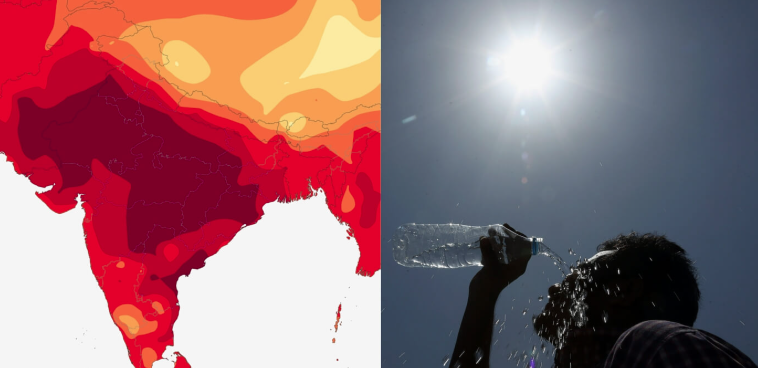
- Dehydration and heat illness. Drought years are often hot years. Less water and more heat mean more cases of heat exhaustion and heat stroke, especially among farm workers, labourers and the elderly.
- Kidney and urinary problems. Not drinking enough water over long periods, and drinking poor-quality water, strain the kidneys.
- Hunger and malnutrition. When crops fail, families eat less and eat worse. Young children and pregnant women suffer first.
- Unsafe water and diarrhoea. When taps and handpumps run dry, people turn to ponds, tankers and old wells that may be contaminated.
- Mosquito-borne disease. Stored water in open containers, and pools after sudden rain, become breeding sites for mosquitoes.
- Mental distress. Crop loss, debt and migration bring anxiety, depression and, sometimes, suicide.
Distress in the farm sector
NCRB recorded 10,546 suicides in the farm sector in 2024: 4,633 farmers or cultivators and 5,913 agricultural labourers. The figure was 10,786 in 2023 and 11,290 in 2022. Maharashtra (3,824) and Karnataka (2,971) had the most, both states with large drought-prone areas.
NCRB does not record drought as a cause, so we cannot say how many of these deaths were linked to drought. But anyone who has worked in a dry district knows how crop failure, debt and despair feed each other.
If you or someone you know is struggling, call Tele-MANAS on 14416, the government’s free 24-hour mental health helpline.
What we do not know
Earlier versions of this page gave figures for the share of districts in drought, people affected each year, heat deaths, rises in malnutrition and kidney disease, drought-linked farmer suicides and yearly economic loss. They were attributed to reports such as a “NITI Aayog Drought Atlas 2025” and “NFHS-6 2024” that we could not find. We have removed them. India does not yet publish a combined national dataset on drought and health.
What you can do
- Drink water regularly, even if you do not feel thirsty, and more when it is hot or you are working outdoors. Carry water when you go out.
- Stay out of the sun in the hottest hours, around noon to 3 pm, in peak summer. Schedule heavy farm and outdoor work for early morning or evening.
- Use ORS, lassi, nimbu pani or buttermilk to replace lost salts if you are sweating a lot.
- Make water safe. Boil, filter or chlorinate water from tankers, ponds or old wells, and keep stored water covered.
- Report contaminated water to the local health office or gram panchayat at once.
- Check on the vulnerable: small children, the elderly, pregnant women, and anyone working outdoors.
- Save water and harvest rain: repair leaks, reuse water where safe, plant shade trees and support village rainwater harvesting.
What needs to change
- Treat long droughts as public health emergencies, not only farm crises.
- Track heat, water stress and disease together in health surveillance.
- Village-level water storage, recharge and safe reuse of greywater.
- Steady campaigns on heat stroke, dehydration and safe water before every summer.
- Mental health support and debt relief that reach drought-hit farmers early.
- Trained local volunteers, through groups like VFF India, in rural first aid and awareness.
Drought arrives quietly, but it leaves deep marks. This summer, keep water and ORS ready at home, look in on the elderly in your lane, and save Tele-MANAS (14416) in your phone.
What needs attention
- About two-thirds of India's sown area is drought-prone
- Water available per person has fallen below the water-stress line
- Drought raises the risk of heat illness, kidney strain, malnutrition and waterborne disease
- Farm-sector suicides stayed above 10,000 a year from 2022 to 2024
- NCRB does not record drought as a cause, so its exact role is unknown
- India has no combined national dataset on drought and health
Controls that reduce risk
- Keep ORS packets and safe drinking water at home
- Shift heavy outdoor work to early morning or evening
- Boil, filter or chlorinate doubtful water and keep it covered
- Report contaminated supplies to the health office or panchayat
- Support rainwater harvesting and recharge in your village or society
- Share the Tele-MANAS number with farm families you know
Common unsafe practices
- Waiting to feel thirsty before drinking water
- Doing heavy outdoor work in the midday heat
- Drinking untreated water from tankers, ponds or old wells
- Leaving stored water uncovered
- Ignoring signs of distress in family members under debt
- Treating drought only as a crop problem
Leave a comment