
Quick answers
How can I recognise a stroke quickly?
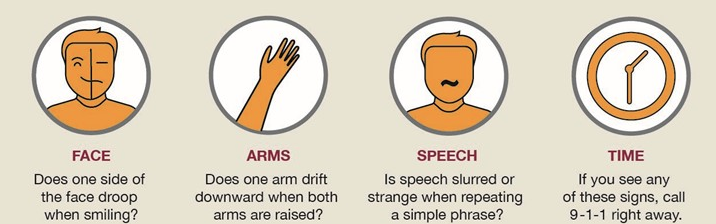
Use the BE-FAST check: look for sudden loss of balance or sudden trouble seeing, ask the person to smile and look for one side of the face drooping, ask them to raise both arms and see if one drifts down, ask them to repeat a phrase and listen for slurred speech, then act at once.
What should I do if someone shows stroke symptoms?
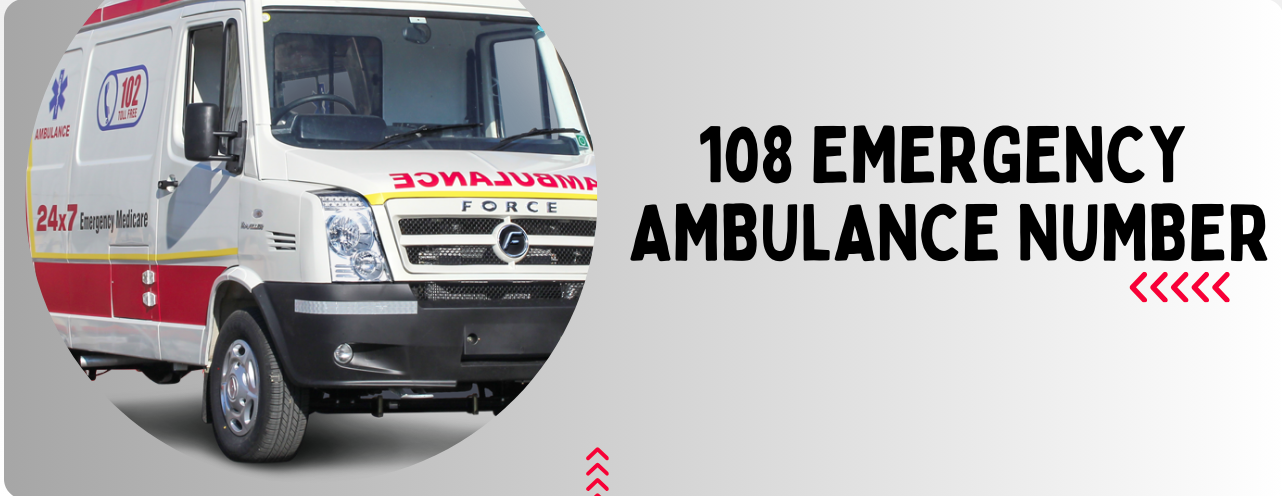
Call 108 or 112 immediately and do not wait for the symptoms to go away. Note the exact time the symptoms began, because it guides treatment.
Why is timing so important in a stroke?
Clot-dissolving treatment and clot removal work only within a limited window after symptoms begin. Reaching hospital quickly can be the difference between recovery and lasting disability.
Can I give food or water to a person having a stroke?
No. Do not give anything to eat or drink, not even water, because swallowing may be affected. Keep their medical records handy, especially if they have blood pressure or diabetes problems, and get emergency help immediately.
Stroke killed about 6.99 lakh people in India in 2019. That is 7.4% of all deaths in the country, roughly one death every 45 seconds (India State-Level Disease Burden Initiative, released by ICMR in 2021).
Whether a stroke patient walks and talks again often depends on one thing: how fast they reach a hospital that can treat stroke. The treatments that open a blocked artery only work within set time limits. In a stroke, time is brain.
Why speed matters
A stroke can strike anyone. It is more common in older people, but high BP, diabetes, smoking and stress mean younger adults are not safe either. Every hour of delay closes off treatment options:
- For a stroke caused by a clot, a clot-dissolving injection can be given to suitable patients within 4.5 hours of when they were last known to be well.
- Removing the clot through a blood vessel (thrombectomy) can help selected patients up to 24 hours after the stroke began.
Both need a hospital equipped for stroke care, with a CT scan and a trained team. Not every hospital has this, so ask the ambulance crew to take the person to the nearest stroke-ready hospital.
Key data
| Measure | Figure | Source |
|---|---|---|
| Stroke deaths in India, 2019 | 6,99,000 (7.4% of all deaths) | India State-Level Disease Burden Initiative (ICMR, 2021) |
| Brain cells lost each minute in an untreated major stroke | About 1.9 million | Saver, Stroke journal, 2006 |
| Clot-dissolving injection (suitable patients) | Within 4.5 hours of last known well | AHA/ASA stroke guidelines |
| Clot removal, thrombectomy (selected patients) | Up to 24 hours after onset | AHA/ASA stroke guidelines |
The sooner a person reaches a stroke-ready hospital, the more treatment options remain open.
Spot a stroke with BE-FAST
| Sign | What to check | What it means |
|---|---|---|
| B: Balance | Sudden loss of balance or coordination? | Trouble walking, dizziness, a sudden fall |
| E: Eyes | Sudden change in sight? | Loss of vision in one or both eyes, or blurred or double vision |
| F: Face | Ask them to smile | One side droops |
| A: Arms | Ask them to raise both arms | One drifts down |
| S: Speech | Ask them to repeat a simple sentence | Slurred or strange speech |
| T: Time | Act immediately | Call 108 or 112 right now |
In a typical major stroke, about 1.9 million brain cells are lost for every minute it goes untreated.
What hospitals can do, if you get there in time
- Clot-dissolving injection (thrombolysis): for suitable patients within 4.5 hours of last known well.
- Clot removal (thrombectomy): for selected patients up to 24 hours after onset.
- Close monitoring: of BP, sugar, breathing and swallowing, to stop further damage.
- Early rehabilitation: physiotherapy and speech therapy to help regain movement and speech.
Faster treatment means more brain saved and a better chance of a normal life afterwards. Waiting to see if the symptoms pass can cost the person every one of these options.
What you should do
- Learn BE-FAST and teach it to everyone at home.
- Call 108 or 112 at once if you see any sign. Do not wait for it to “go away”, even if it seems to improve.
- Note the time the symptoms started, or when the person was last seen well. Doctors need this.
- Give nothing to eat or drink, not even water or medicine, because swallowing may be affected.
- Lay the person on their side if they are drowsy or vomiting, and loosen tight clothing.
- Keep their medical papers and medicine list handy, especially for BP, diabetes or blood thinners.
- Look after your own risk: get your BP and sugar checked, take prescribed medicines regularly, and stop smoking.
What needs to change
- Ambulance crews trained to spot stroke and alert the hospital before arrival.
- A stroke response network linked to 108, so patients go straight to a stroke-ready hospital.
- At least one stroke-ready hospital in every district.
- Stroke awareness in workplace and school health programmes.
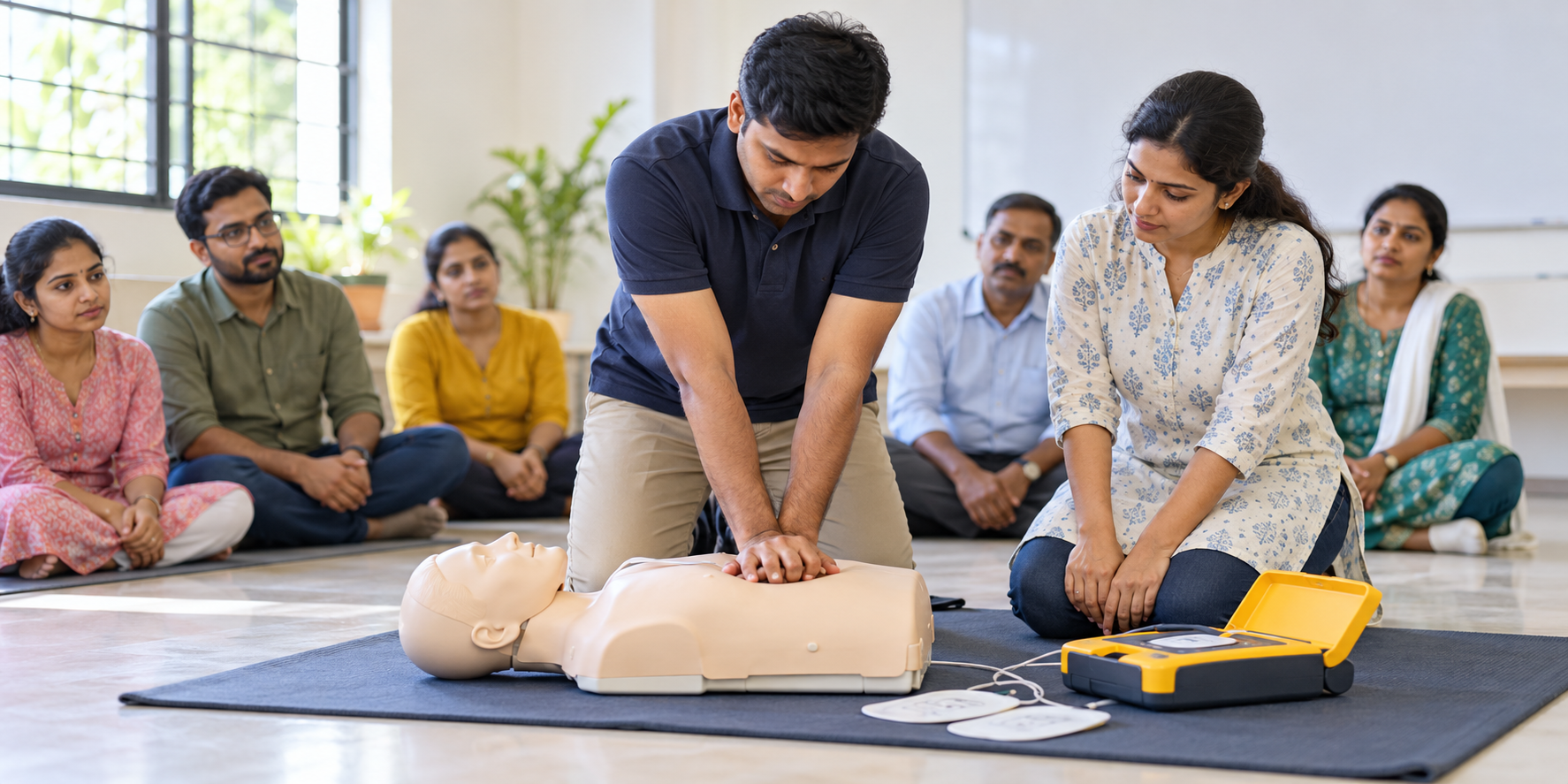
- Public BE-FAST and CPR workshops through NDMA and volunteer groups like VFF India.
References
- ICMR / India State-Level Disease Burden Initiative, neurological disorders press release, 14 July 2021
- Saver JL, “Time is brain, quantified”, Stroke, 2006
- AHA/ASA Guidelines for the Early Management of Acute Ischemic Stroke, 2019 update (ACC key points)
- AHA/ASA, 2026 Guideline for the Early Management of Patients With Acute Ischemic Stroke, Stroke, published online 26 January 2026
- US Department of Veterans Affairs, “Learn BEFAST to spot stroke symptoms”, 2026
- St John Ambulance WA, Stroke first aid fact sheet
A stroke gives very little warning and no second chances. Tonight, teach BE-FAST to your parents and grandparents, and make sure 108 and 112 are saved on their phones.
What needs attention
- Stroke caused about 7.4% of all deaths in India in 2019
- Treatment that opens a blocked artery works only within set time limits
- Clot removal can now help selected patients up to 24 hours after onset
- Not every hospital can treat stroke, so where the ambulance goes matters
- Waiting for symptoms to pass is one of the commonest and costliest mistakes
- High BP is a leading contributor to stroke in India
Controls that reduce risk
- Learn BE-FAST and teach it to everyone at home
- Find out which hospitals near you can treat stroke
- Keep a list of family members' medicines, especially blood thinners
- Get BP and sugar checked regularly and take prescribed medicines
- Stop smoking and cut down on alcohol
Common unsafe practices
- Waiting to see if the symptoms go away
- Not noting when the symptoms started
- Giving water, food or tablets to the person
- Taking the person to the nearest clinic instead of a stroke-ready hospital
- Driving the person yourself when an ambulance is available
- Ignoring high BP and diabetes for years

Leave a comment