
Quick answers
How is climate change affecting disasters in India?
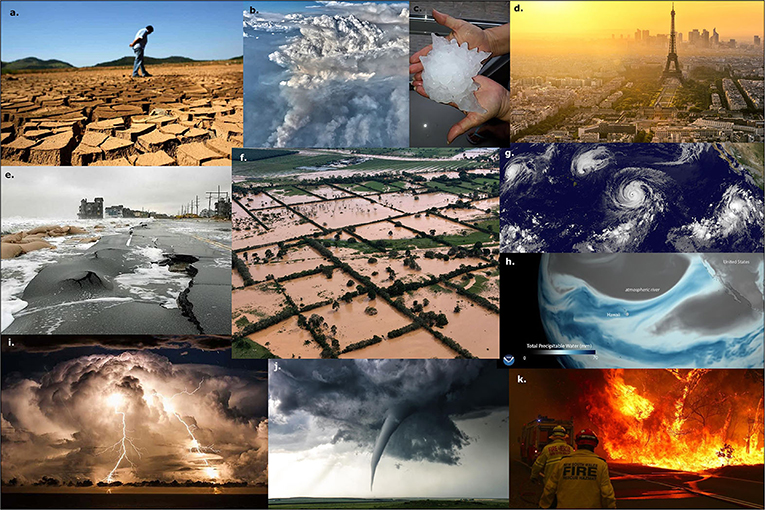
Events once seen as rare, such as cloudbursts, floods and heatwaves, now occur far more often. Warming oceans fuel stronger cyclones, erratic monsoons cause floods and droughts in the same region, and glacial melt can trigger flash floods.
What is a GLOF?
A GLOF is a Glacial Lake Outburst Flood. Melting Himalayan glaciers can trigger such flash floods.
Why are Indian cities hotter than nearby villages?
Cities form urban heat islands, where concrete and dense construction keep them noticeably hotter than nearby rural areas.
What can ordinary people do about climate-linked disasters?
Everyday actions such as reducing waste and planting trees help, along with supporting water harvesting, climate-resilient city planning and early warning systems for every district.
In the first nine months of 2024, India had extreme weather on 255 of 274 days. That is more than nine days out of every ten. These events killed 3,238 people, up from 2,755 in the same months of 2022.
(Source: Centre for Science and Environment and Down To Earth, 8 November 2024.)
Heatwaves, cloudbursts, floods, lightning and cyclones are no longer things that happen to someone else, somewhere else. They are now a regular part of life for farmers, fishing families and people in our cities. The climate is changing faster than most of us are preparing for it.
What the records show
| Measure | Figure | Source |
|---|---|---|
| Days with extreme weather, Jan to Sep 2024 | 255 of 274 | CSE / Down To Earth |
| Deaths, Jan to Sep 2024 | 3,238 (2,755 in Jan to Sep 2022) | CSE / Down To Earth |
| Houses and buildings destroyed, Jan to Sep 2024 | 2,35,862 | CSE / Down To Earth |
| Cropland affected, Jan to Sep 2024 | 32 lakh hectares | CSE / Down To Earth |
| Deaths from extreme weather, full year 2024 | More than 3,200 | IMD |
| Temperature, 2024 | +0.65°C above the 1991 to 2020 average, the warmest year since 1901 | IMD |
(Sources: CSE / Down To Earth, 8 November 2024; IMD Annual Climate Summary 2024, as reported by Scroll, 17 January 2025.)
The National Crime Records Bureau (NCRB) also counts accidental deaths caused by forces of nature every year:
- 2020: 7,405
- 2021: 7,126
- 2022: 8,060
- 2023: 6,444
- 2024: 7,903, including 2,825 deaths from lightning and 1,832 from heat or sun stroke
NCRB, IMD and CSE count in different ways, so their totals do not match. Each one is useful for what it measures.
Notice two numbers from 2024. Lightning killed 2,825 people and heat killed 1,832. Both are dangers where a few simple precautions save lives, and both are covered below.
Why disasters are getting worse
Warmer seas
Warmer water in the Bay of Bengal and the Arabian Sea gives cyclones more energy to draw on.
Uneven monsoons
Rain is coming in shorter, heavier bursts instead of steady spells. The same district can face a flood one month and a dry spell the next.
Melting glaciers
As Himalayan glaciers retreat, glacial lakes grow. If one bursts, it can send a flash flood down the valley. This is called a GLOF, a Glacial Lake Outburst Flood.
Hot cities
Dense, paved cities like Delhi and Ahmedabad stay hotter than nearby villages, especially at night. This is called the urban heat island effect. When nights do not cool down, the body gets no rest from the heat.
What it costs
- Homes: 2,35,862 houses and buildings were destroyed by extreme weather between January and September 2024 (CSE / Down To Earth).
- Crops: 32 lakh hectares of cropland were affected in the same months (CSE / Down To Earth).
- Livestock: about 9,457 animals were killed (CSE / Down To Earth).
- Heat: NCRB recorded 1,832 deaths from heat or sun stroke in 2024.
Protecting your family
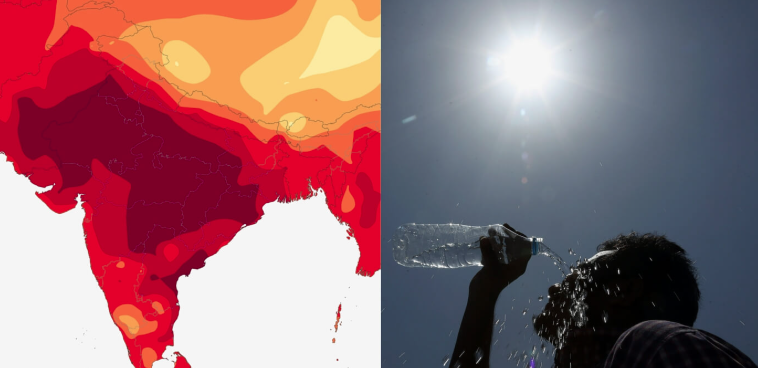
In a heatwave
- Follow IMD heat warnings on the news or the Mausam app.
- Stay indoors between noon and about 4 pm if you can. Drink water often, even if you are not thirsty.
- Check on elderly neighbours, small children and outdoor workers. They are hit hardest.
- If someone becomes confused, stops sweating or collapses in the heat, call 108 or 112, move them into shade and cool them with water while you wait.
When thunder starts
- Get inside a pucca building or a closed car. A tree, a hut or an open field is not safe.
- Get out of ponds, rivers and fields, and stay away from tall poles and wires.
- If you are caught in the open, crouch low with your feet together. Do not lie flat.
- Wait about 30 minutes after the last thunder before going out again.
In floods and cyclones
- Leave when the district administration tells you to. Do not wait to see how bad it gets.
- Never walk or drive through flowing floodwater. Even shallow water can sweep a person or a two-wheeler away.
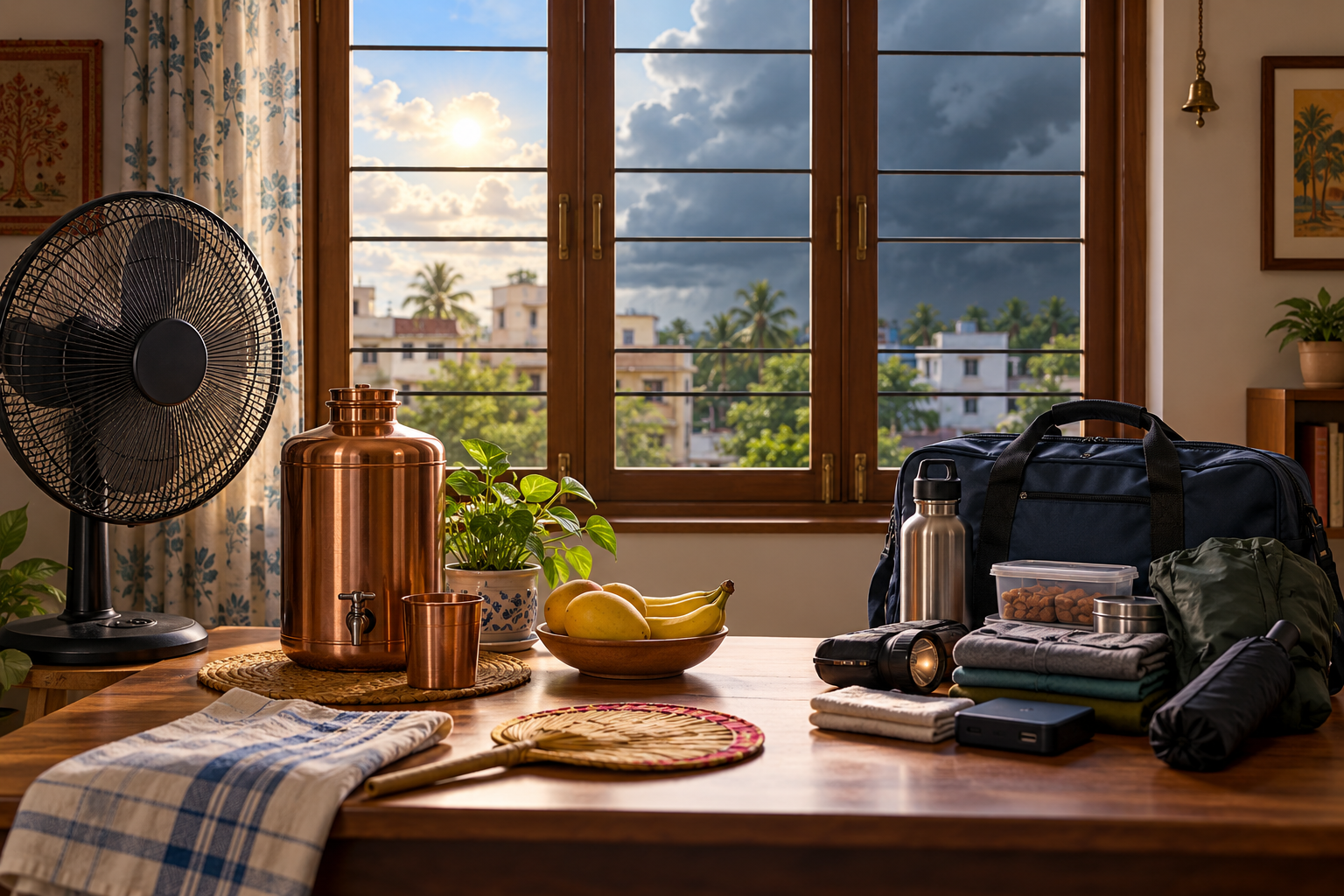
- Keep a small bag ready with medicines, documents in a plastic cover, a torch, a charged power bank and drinking water.
What needs to change
- Cleaner energy. Under its updated Nationally Determined Contribution (2022), India has committed to about 50% of its installed electricity capacity coming from non-fossil sources by 2030.
- Cities built for heat and rain. Working drains, heat action plans, shade and green spaces.
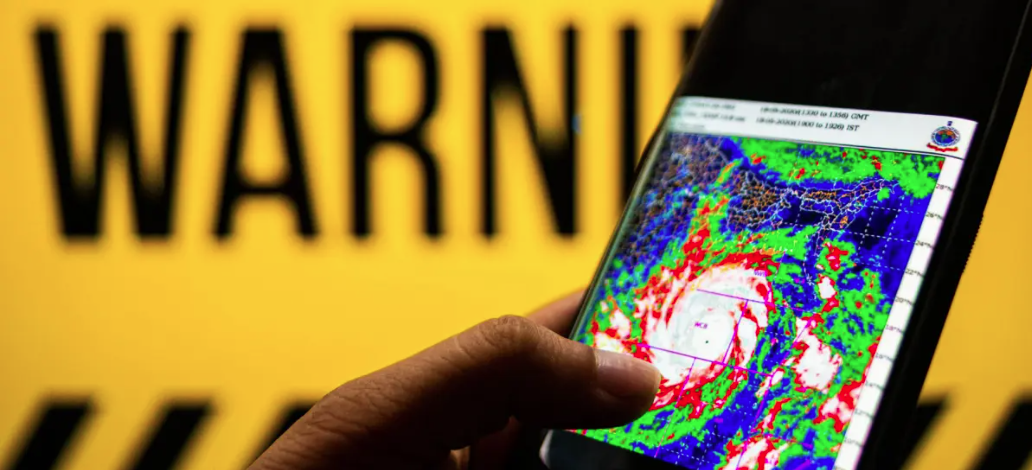
- Warnings that reach everyone. Early warnings that reach every village by phone, siren and local announcement, in the local language.
- Water and farms. Rainwater harvesting and farming practices that hold up in both floods and dry spells.
- Help for poor households. Disaster insurance and relief that reach the families who lose the most.
- Climate risk in every plan. Every district disaster plan and every big project should account for the heat, rain and flood risks it will actually face.
What you can do this week
Save 112 on every phone in the house. Install an official weather app or follow your state disaster authority, so warnings reach you early. Pack a small emergency bag. And find out where your nearest safe shelter is if your area floods. Climate change is a big problem, but most lives are saved by small steps taken in time.
References
- Centre for Science and Environment / Down To Earth, “Deaths due to extreme weather events rose 18% in India in just 3 years”, 8 November 2024
- India Meteorological Department, Annual Climate Summary 2024 (as reported by Scroll, 17 January 2025)
- National Crime Records Bureau, “Accidental Deaths & Suicides in India 2024”, Chapter 1
- Press Information Bureau, “Cabinet approves India’s Updated Nationally Determined Contribution”, 3 August 2022
What needs attention
- India had extreme weather on more than nine days out of ten between January and September 2024
- Deaths from extreme weather in those months rose from 2,755 in 2022 to 3,238 in 2024
- Lightning and heat together killed over 4,600 people in 2024, according to NCRB
- 2024 was India's warmest year since records began in 1901
- Warmer seas, uneven monsoons, melting glaciers and hot cities are making disasters more frequent and more severe
- Different agencies count disaster deaths differently, so their totals do not match
Controls that reduce risk
- Follow IMD and state disaster authority warnings through an official app or the news
- Keep an emergency bag with medicines, documents, a torch, a power bank and water
- Know your nearest safe shelter and the route to it
- Support heat action plans, working drains and green spaces in your city or town
- Push for warnings that reach every village in the local language
- Ask whether your district disaster plan accounts for heat, flood and lightning risk
Common unsafe practices
- Ignoring IMD heat, rain and cyclone warnings
- Working or travelling in the open during the hottest hours of a heatwave
- Sheltering under a tree or in an open field during a thunderstorm
- Walking or driving through flowing floodwater
- Waiting too long to leave after an evacuation order
- Forgetting to check on elderly neighbours and small children in extreme heat
Leave a comment