
Quick answers
Can one emergency plan cover heatwaves, floods and smoke?
No. Heat, floodwater, smoke and power cuts each need different action. Work out which hazards affect your area and plan for each one separately.
How do I prepare my household for climate-related emergencies?
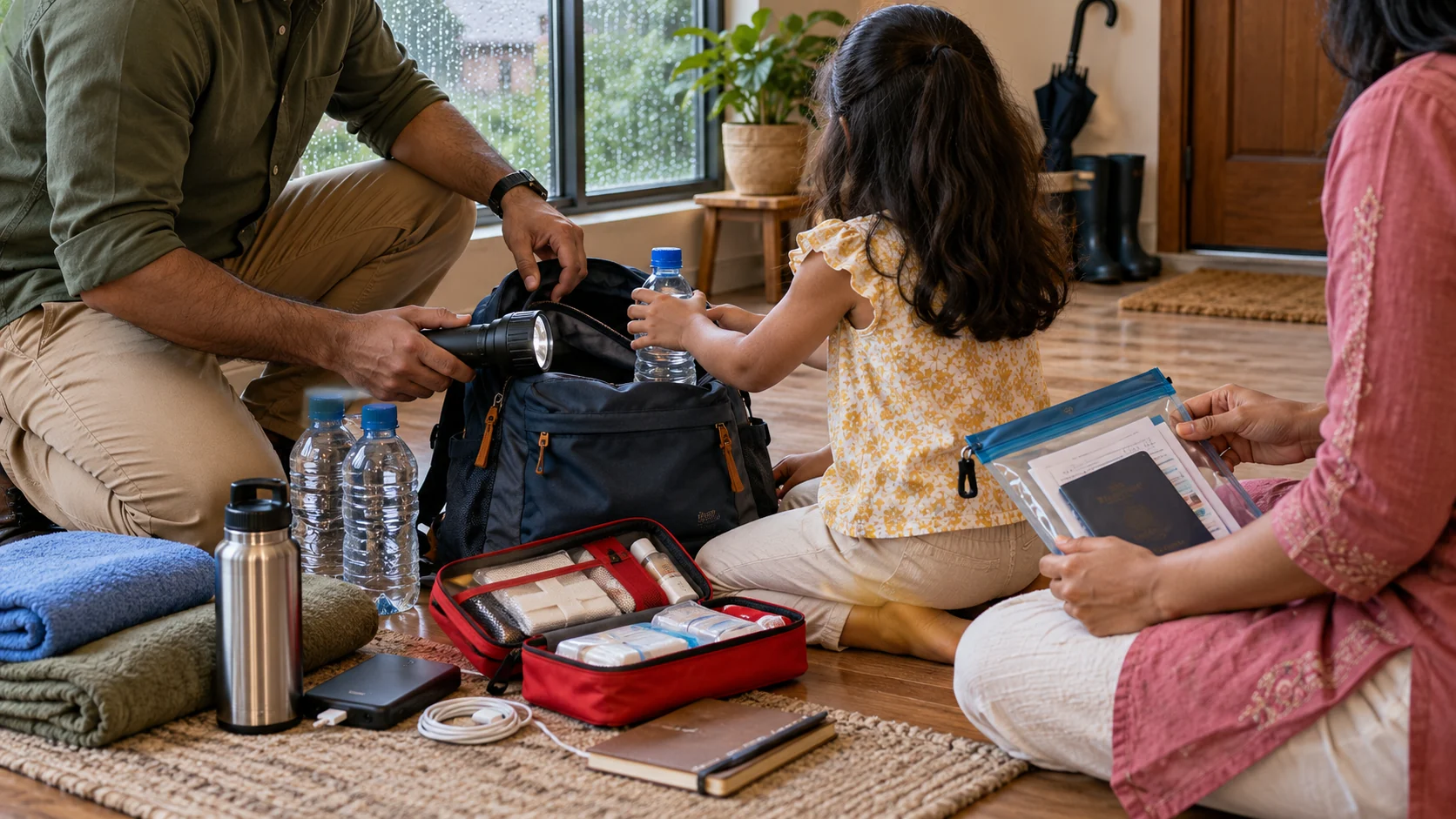
Note who depends on medicines, cooling, electricity, mobility equipment or help to get out. Keep phone numbers, water, medicines and a route everyone can manage in a plan you can actually follow.
What should I do during extreme heat at home?
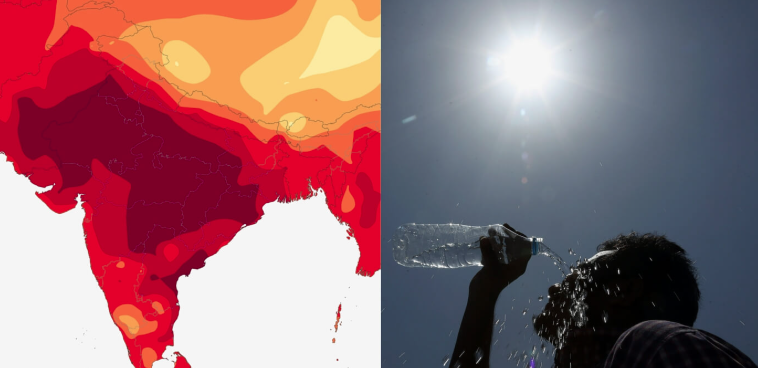
Cut down time in the sun and keep the house as cool as you can. Heat can make existing illness worse, and heatstroke is an emergency.
Where can I get current climate and disaster alerts in India?
Use messages from your local authority and India's SACHET national alert portal. Do not trust old screenshots or videos as current alerts, and call 112 for immediate danger.
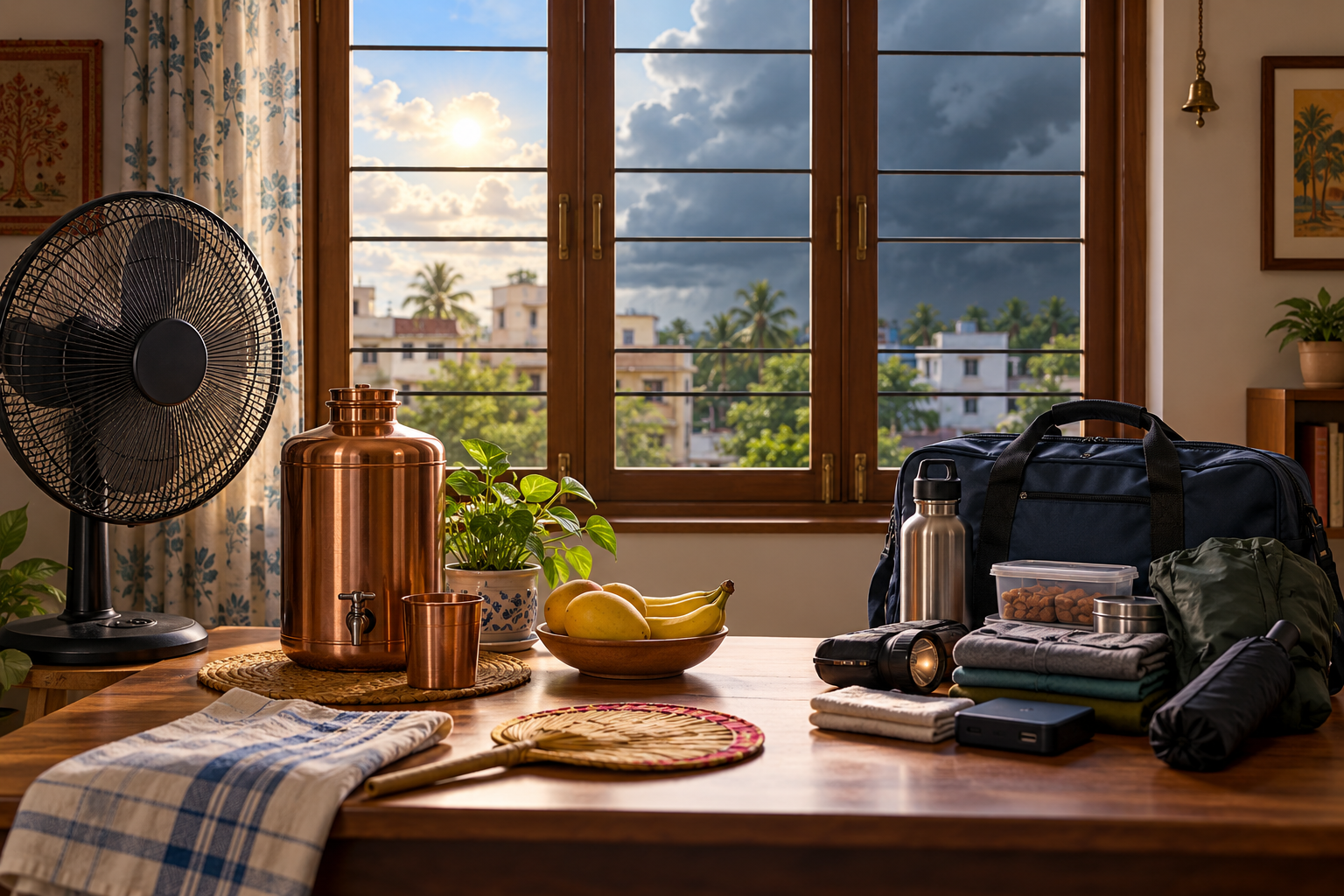
Cover image: AI-generated editorial illustration, not a photograph of a real disaster.
Plan for each hazard separately
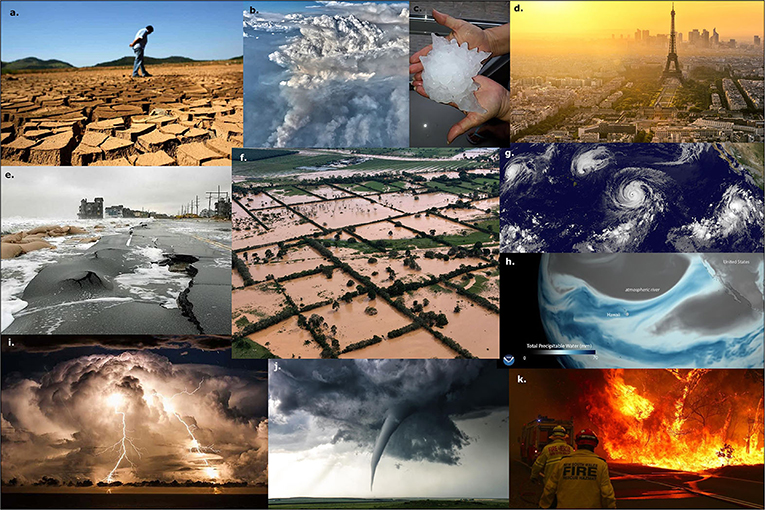
A heatwave, a flood, smoke from a fire and a long power cut each need different action, and one climate checklist will not cover them all. First work out which of these actually affect your area. Then watch current official alerts: messages from your local authority and India’s SACHET national alert portal. No general article can predict your next local emergency or stand in for an evacuation order.
Get the household ready
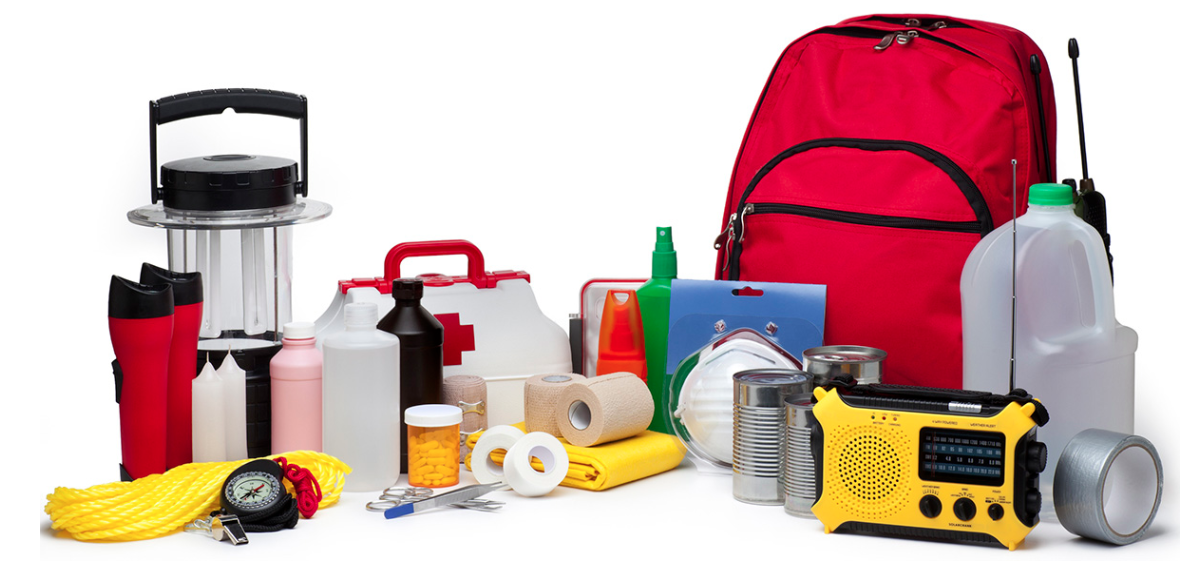
Think about who at home depends on medicines, cooling, electricity, mobility equipment or someone’s help to get out. Make a plan you can actually follow, with phone numbers, drinking water, medicines and a route everyone can manage. In extreme heat, cut down time in the sun and keep the house as cool as you can. The World Health Organization points out that heat can make existing illness worse and that heatstroke is an emergency. In a flood, do not travel through water. The US National Weather Service explains the same rule, though its figures come from the US, not India. For smoke or fire, follow fire-safety and air-quality advice, not a flood checklist.
Act on the warning in front of you
Follow the latest local instructions on whether to stay put or leave. Look in on neighbours who may need help, but do not put yourself in danger to do it. Call 112 in India if anyone is in immediate danger. Old screenshots and videos forwarded on WhatsApp are not current alerts, and a general climate statistic does not tell you what will happen in your street.
Emergency number in India: 112, as confirmed by MHA ERSS.
What needs attention
- The right action changes with the hazard and the place. Official warnings and local evacuation orders come before any blog post.
Controls that reduce risk
- Sign up for the official alerts that cover your area. Plan for cooling, drinking water, medicines, power cuts and a route everyone at home can manage. Check on neighbours who may need help.
Common unsafe practices
- Using one plan for heat, flood and smoke.
- Acting on an old alert or forward.
Leave a comment