

📅 Date & Location
- Date: 2 October 2025 (early hours, around 12:30 AM)
- Location: Dhamankar Naka Industrial Area, Bhiwandi, Thane District, Maharashtra
- Factory: Paper-processing & packaging unit (reports also mention adjoining dyeing units)
🕯 What Happened?
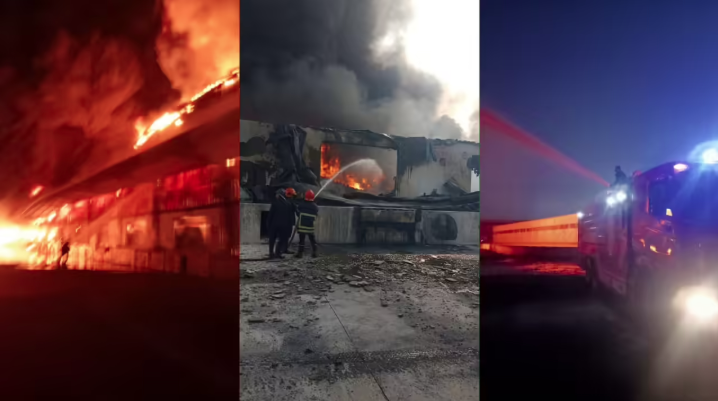
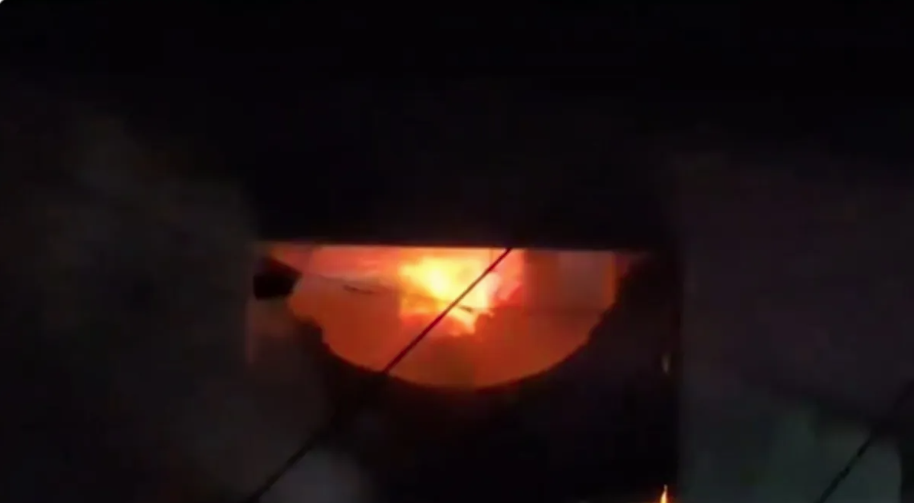
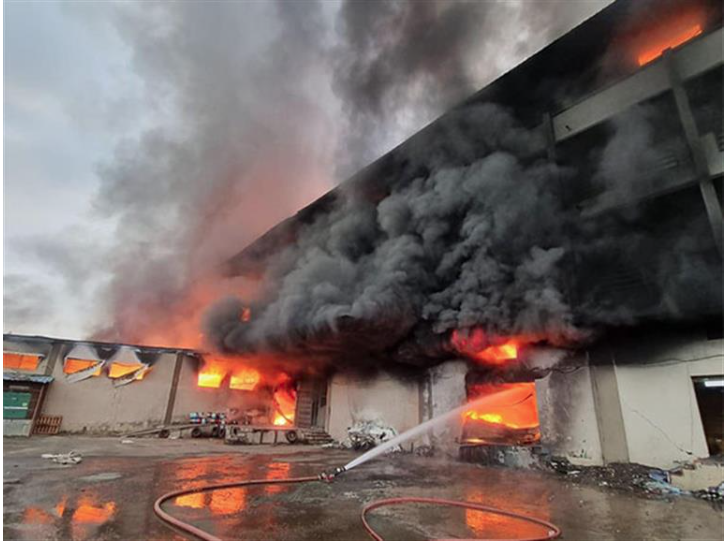
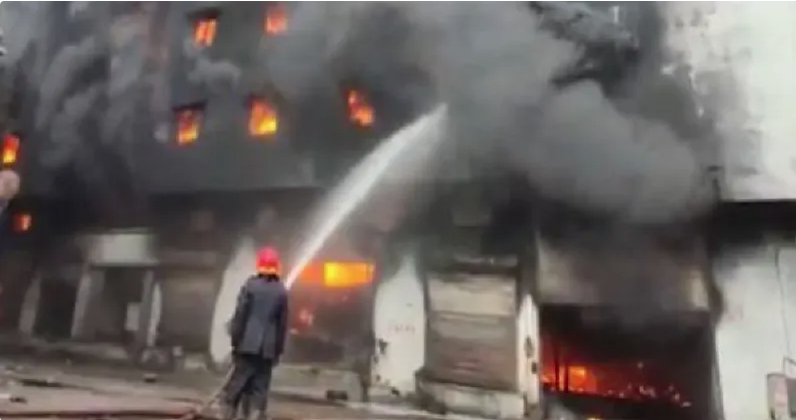
- A massive fire broke out inside a paper manufacturing and packaging factory located in Dhamankar Naka, Bhiwandi.
- The blaze reportedly began around midnight, when night-shift workers noticed smoke rising from stacks of finished paper reels.
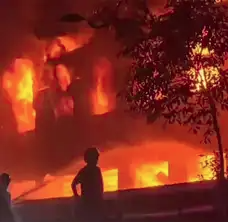
- Within minutes, huge flames engulfed the entire structure, spreading to nearby sheds storing paper rolls and dyeing materials.
- Over 10 fire tenders and rescue teams rushed to the spot; firefighting continued for several hours.
- Several workers managed to escape; however, two workers were found dead and five others sustained injuries due to suffocation and minor burns.
- The fire caused explosions in stored dye barrels and heavy losses to property; the entire warehouse collapsed after sustained heat exposure.
🔍 Mistakes / What Went Wrong
- Highly flammable material: paper, cardboard & chemical dyes stored together.
- No fire-suppression or sprinkler systems in warehouse.
- Electrical short circuit suspected as ignition source.
- Improper material segregation — flammable inks, paper, and solvents in same area.
- Poor night-shift supervision and late alarm.
- Insufficient emergency exits; narrow layout hindered evacuation.
- Inadequate firefighting infrastructure within industrial cluster.
⚖ Hidden / Less-Mentioned Truths
- Paper & textile warehouses in Bhiwandi operate in congested, unregulated industrial belts.
- Many factories lack valid Fire NOC and structural clearances.
- The fire spread to adjacent dyeing unit, exposing cross-industry risk in mixed clusters.
- Local power fluctuations have been repeatedly linked to previous incidents, but no preventive upgrades implemented.
- Authorities admitted the nearest hydrant system was non-functional, delaying water supply.
🧯 How Could It Have Been Prevented?
- Automatic sprinkler / hydrant network throughout facility.
- Separate fire-rated storage rooms for paper and chemicals.
- Thermal / smoke detectors with alarm linkage to local fire control room.
- Electrical maintenance checks and surge protection for night shifts.
- Trained fire wardens per shift with evacuation drills.
- Clear demarcation of evacuation routes and external muster area.
- Regular fire audits + insurance compliance inspections.
🛡 Survival Guide (If You Are in an Industrial Fire)
- Don’t run — stay low to avoid smoke inhalation.
- Cover mouth & nose with wet cloth.
- Move opposite to wind / smoke direction.
- If chemical barrels present, move cross-wind, not downwind.
- Do not re-enter building for valuables.
- Sound nearest fire alarm / alert others.
- If trapped, seal room gaps & signal rescuers with light or cloth.
- Call 101 / 112, state factory name + nearest landmark.
- Report gas / chemical leaks to fire control immediately.
- After evacuation, stay at assembly point until headcount.
📊 Data / Stats Box
- Deaths: 2 workers
- Injured: 5 workers (suffocation, burns)
- Fire tenders: 10 + units deployed
- Cause: Suspected electrical short circuit / chemical ignition
- Loss: Factory & inventory worth ₹ crores destroyed
- Fire duration: ≈ 5 hours to control completely
📽 Visuals
🙏 Voices / Human Angle
- A worker said: “Flames spread faster than we could run. The paper rolls exploded like torches.”
- Nearby residents reported intense heat and smoke covering surrounding lanes.
- Families of night-shift labourers waited outside factory through dawn for updates.
- Local officials assured compensation and promised stricter audits of similar units.
📢 Systemic Lessons
- Bhiwandi’s industrial clusters require centralized fire command centres and hydrant grids.
- Mandatory zoning separation between paper, textile and chemical units.
- 24×7 electrical safety monitoring in factories handling combustible materials.
- Training & equipment funding for local fire brigades.
- Enforcement of Fire NOC renewal every year, not once per decade.
- Public transparency: publish industrial fire audit reports online.
💡 What You Can Do Today
✅ Report overloaded power lines or illegal factories in residential zones.
✅ Encourage factory owners to install basic sprinkler and alarm systems.
✅ Conduct mock drills every 6 months.
✅ Promote worker safety education via HowToSurvive campaigns.
✅ Share this case to spread awareness of industrial fire risks.
🔚 Closing Line
“In a factory filled with paper and promise, a spark turned livelihood into ashes — a reminder that safety is the first raw material of industry.”