
What happened here
 1 / 2
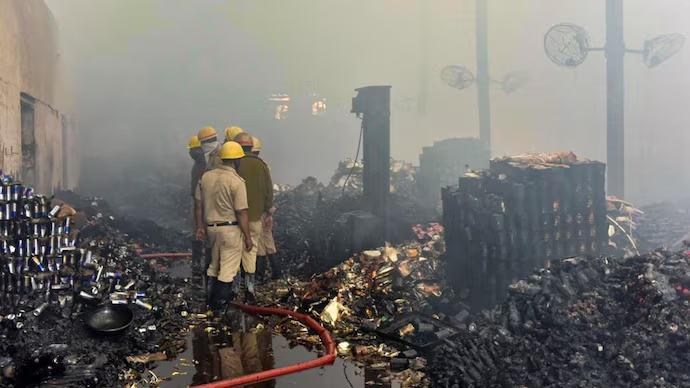
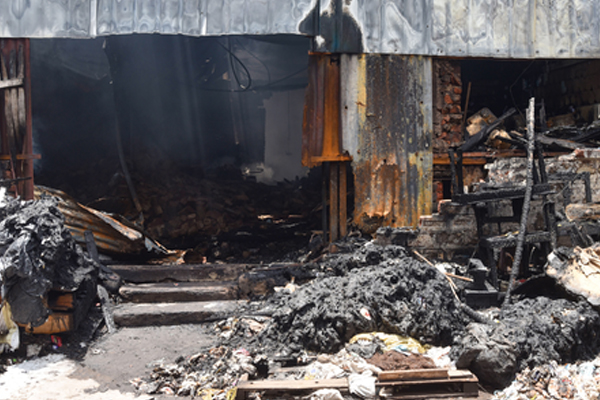
1 / 2 A night warehouse fire killed 25 people according to the later reported toll, exposing the lethal combination of sleeping workers, dense storage, blocked escape and weak fire protection.
1. 📅 Date & Location of Incident
📅 Date: 26/01/2026
📍 Location: Anandapur (Nazirabad), Kolkata, West Bengal, India
2. 🕯️ What Happened?
Around 2:30–3:00 AM, a massive fire broke out in two adjoining warehouses.
People were sleeping inside the godowns when fire and toxic smoke spread rapidly.
Many were trapped, suffocated, and burned beyond recognition.
25 confirmed dead, several missing; bodies identified through DNA testing.
3. 🔍 Core Mistakes / What Went Wrong?
- ❌ No fire licence / no fire NOC
- ❌ People allowed to sleep inside industrial warehouses
- ❌ Blocked or locked exits
- ❌ Highly flammable stored materials
- ❌ No alarms, no sprinklers, no evacuation plan
- ❌ Illegal construction on encroached wetland area
4. ⚖️ Truth You Must Know
🔴 Warehouses had no fire department permission.
🔴 Overnight stay inside storage godowns was routine — not accidental.
🔴 Fire safety checks existed only on paper.
🔴 Authorities acted after deaths, not before.
🔴 NHRC took suo‑motu cognisance — calling it a human rights violation.
5. 🧯 How This Could Have Been Prevented
✅ No sleeping allowed in warehouses
✅ Mandatory fire licence & inspection
✅ Clear, unlocked emergency exits
✅ Smoke detectors + alarms
✅ Fire‑retardant storage practices
✅ Night safety audits for industrial units
6. 🛡️ How to Survive This Situation
✔ Never sleep inside factories or godowns
✔ If fire breaks out at night — wake others first
✔ Stay low, cover nose and mouth
✔ Follow exit walls, avoid smoke zones
✔ If exit blocked — move to ventilated corner, signal for help
🚨 Emergency: 101 | 112
7. 📊 Stat/Data Box
| Indicator | Reality |
|---|---|
| Deaths | 25+ |
| Time of fire | Pre‑dawn (sleeping hours) |
| Fire licence | ❌ Not available |
| Bodies identified by | DNA testing |
| Common cause | Smoke inhalation + entrapment |
8. 📽️ Visuals


9. 🙏 Voices That Matter
“He called and said there is fire… then the phone went silent.”
— Family member
“It was dark, choking, no way out.”
— Survivor
10. 📢 Systemic Lesson
Allowing people to live or sleep in unsafe industrial spaces is state‑enabled danger.
Fire safety must be enforced before night falls, not after lives are lost.
11. 💡 What You Can Do Today
✅ Question sleeping arrangements at workplaces
✅ Report unsafe warehouses or godowns
✅ Ask for fire licence in any factory
✅ Learn night‑time fire survival basics
✅ Share this case for awareness
12. 🔚 Closing Line
This is why we started HowToSurvive.in — to teach people what the system failed to teach before the fire.
- Fire begins in the storage complex
- Dense combustible stock and connected units become involved
- Sleeping occupants encounter smoke and restricted escape
- Firefighting and recovery continue for several days
- Commission seeks official reports on lapses and response
Why consequences escalated
- Sleeping inside a high-fire-load warehouse converts a workplace into an unsafe dormitory
- Blocked or insufficient exits can make smoke fatal before flames arrive
- Dense storage needs compartmentation, detection, hydrants and maintained water supply
- Accurate worker attendance is essential for rescue and recovery
- Enforcement must identify unauthorised sleeping and occupancy changes
Failures and risk multipliers
- Allowing sleeping or crowd occupancy without a risk-specific plan
- Depending on one escape path
- Treating an unverified cause claim as a final investigation finding
- Failing to control fuel, combustible stock or structural loads
- Leaving inspection defects unresolved
People closest to the evidence
““Safety principle””
Detection, separation, stable construction and redundant escape must be established before people enter the hazard area.
Actions that reduce risk
- Verify alarms and two escape routes
- Keep exits and emergency access clear
- Separate sleeping areas from fuel, cooking and storage
- Control crowds outside structural fall zones
- Record inspections and close every defect
- Call 112 with the exact location
Leave a comment