
What happened here
 1 / 4
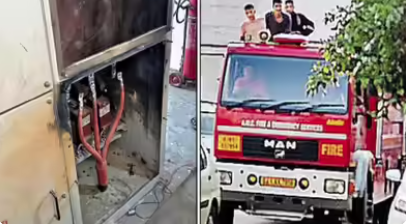
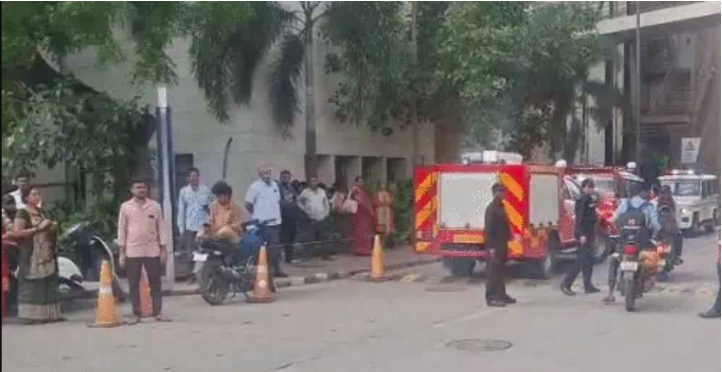
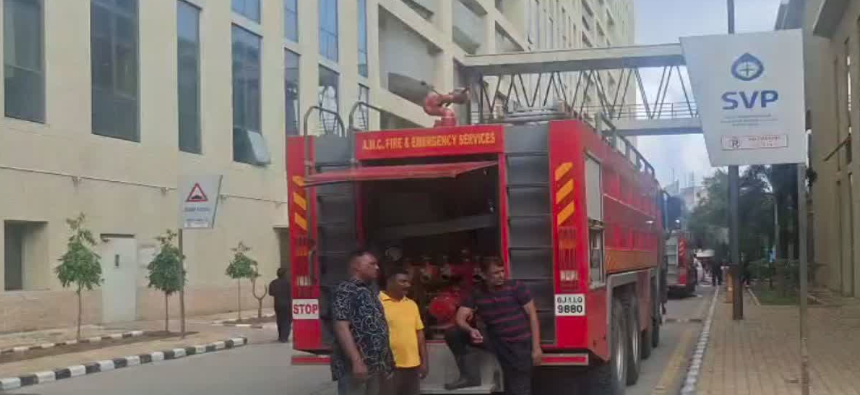
1 / 4 An electrical-duct fire in the hospital laundry was contained by three fire tenders before it affected patients; the near miss shows why service areas must be separated from clinical occupancy.
📅 Date & Location of Incident
Date: 6 October 2025
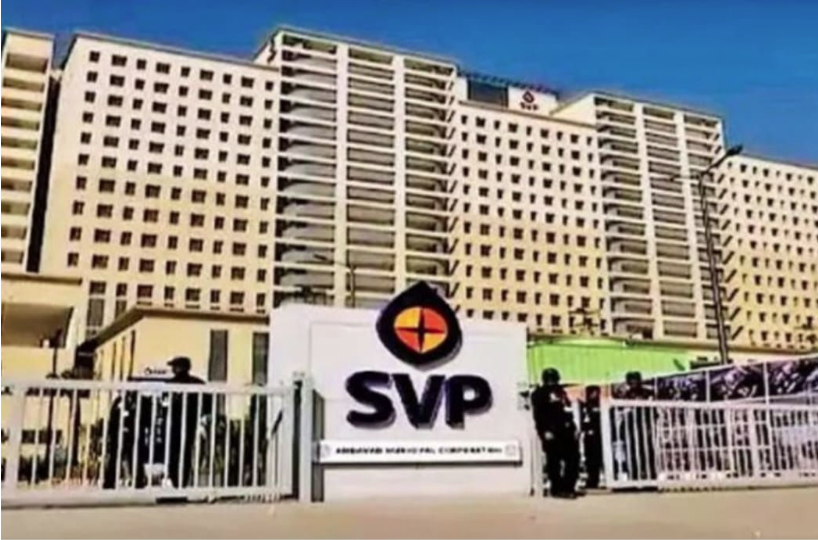
Location: Sardar Vallabhbhai Patel (SVP) Hospital, Ahmedabad, Gujarat, India
Fire Location: Laundry Department, Electric Duct Area (Ground Floor)
🕯 What Happened?
On the morning of 6th October 2025, a fire broke out in the laundry department of the SVP Hospital, one of the major public healthcare centers in Ahmedabad.
- The fire was caused by an electrical short circuit inside a duct line connected to the laundry area.
- Smoke quickly spread through ducts, triggering panic among nearby staff and patients.
- Fire brigade teams reached swiftly, activated control measures, and doused the flames within 30 minutes.
- Thankfully, no casualties or injuries were reported.
- However, the incident raised serious questions about electrical safety and duct management in critical healthcare spaces.
🔍 Core Mistakes / What Went Wrong?
- ❌ Electrical duct fire due to poor wiring or overheating
- ❌ Combustible materials (cotton, linen, cloth) in laundry aggravated the risk
- ❌ Ducts acted as smoke channels — no smoke control system or fire break
- ❌ Lack of early fire detection in the duct area
- ❌ Laundry areas lacked auto shutoff or thermal monitoring
- ❌ No signage or training for staff on duct fire response
⚖ Truth You Must Know
🔴 The duct fire could have turned deadly if it reached oxygen pipelines or patient wards.
🔴 Laundry and service areas in hospitals are often neglected during fire audits, though they carry high fire load.
🔴 Duct fires are hidden fires — they don’t explode but choke people silently with smoke.
🔴 SVP is a top-tier hospital — if this can happen here, what about smaller hospitals?
🧯 How This Could Have Been Prevented
- ✅ Regular inspection of electrical ducts for insulation, overloading, and loose wires
- ✅ Fire-resistant duct panels and automatic smoke dampers
- ✅ Thermal sensors and smoke alarms inside utility areas like laundry
- ✅ Fire partitioning of laundry and electric service areas
- ✅ Staff training on duct fire signs and evacuation
- ✅ Use of non-combustible laundry trolleys and storage units
🛡 How to Survive This Situation (Staff, Visitors, Patients)
🧑⚕️ For staff in utility/service areas:
- Don’t ignore burnt smell or smoke from ducts — report immediately
- Know how to use CO2 or foam-based extinguishers (don’t use water on electric fires)
- Keep cotton, linen, and flammables away from duct lines
- Install heat alarms and flame-retardant curtains in laundry areas
🚨 For patients and visitors:
- If you smell smoke — alert nurses immediately
- Avoid lifts — take stairs
- Use wet cloth over nose if smoke appears
- Stay calm and wait for trained response unless danger is immediate
📊 Stat/Data Box
| Metric | Data |
|---|---|
| Fire location | Ground floor, Laundry Duct |
| Time to control | ~30 minutes |
| Fire cause | Electrical short circuit |
| Casualties | 0 |
| Type of hospital | Government, multi-specialty |
| Prior fire audits available | Not publicly disclosed |
| Key risk | Duct smoke spread + laundry combustibles |
📽 Visuals




🙏 Voices That Matter
“Thankfully it was controlled fast — but the ducts were like a silent snake, spreading smoke.”
— Hospital security staff
“We never thought laundry areas could be this risky. There’s no smoke alarm inside.”
— Hospital housekeeping team member
📢 Systemic Lesson
- Fire doesn’t always roar — sometimes it sneaks in through ducts.
- Hospital utility zones need as much fire safety as ICUs or wards.
- All public hospitals must undergo third-party audits every 6 months — with visible reports.
- Every duct-based fire is a lesson in design failure and monitoring lapse.
💡 What You Can Do Today
✅ If you work in a hospital — inspect service areas, not just patient zones
✅ Add smoke alarms and fire dampers in ducting systems
✅ Educate housekeeping and laundry teams on basic fire response
✅ Support mandatory fire safety inspections for public hospitals
✅ Spread this case study with civic and hospital authorities
🔚 Closing Line
“It wasn’t a massive fire — but it was a massive warning. And if ignored, it won’t be the last.”
🛡 This is why we started HowToSurvive.in — to fix the small gaps before they become fatal.
- Fire begins in the laundry service area
- Hospital and fire brigade are notified
- Navrangpura crews reach the site
- Water jets stop spread toward the hospital block
- Hospital examines the electrical cause
Why consequences escalated
- Laundry heat, lint and electrical services require disciplined maintenance
- Service shafts can carry smoke into clinical areas
- Compartmentation protected patients in this near miss
- Hospital evacuation readiness is required even when no movement occurs
- Small incidents should trigger learning before a fatal event
Failures and risk multipliers
- Relying on one escape route
- Failing to detect smoke before occupants are trapped
- Allowing electrical, fuel or LPG hazards to go unchecked
- Failing to maintain emergency equipment and accessible exits
- Delaying accurate emergency information
People closest to the evidence
““Safety lesson””
Redundant escape, early warning and controlled fuel load decide survival before responders arrive.
Actions that reduce risk
- Test alarms and emergency lighting
- Locate and practise every emergency exit
- Keep hammers and exits accessible in buses
- Inspect electrical, fuel and LPG systems
- Display 112 and exact location
- Record and close safety defects




Leave a comment