
What happened here
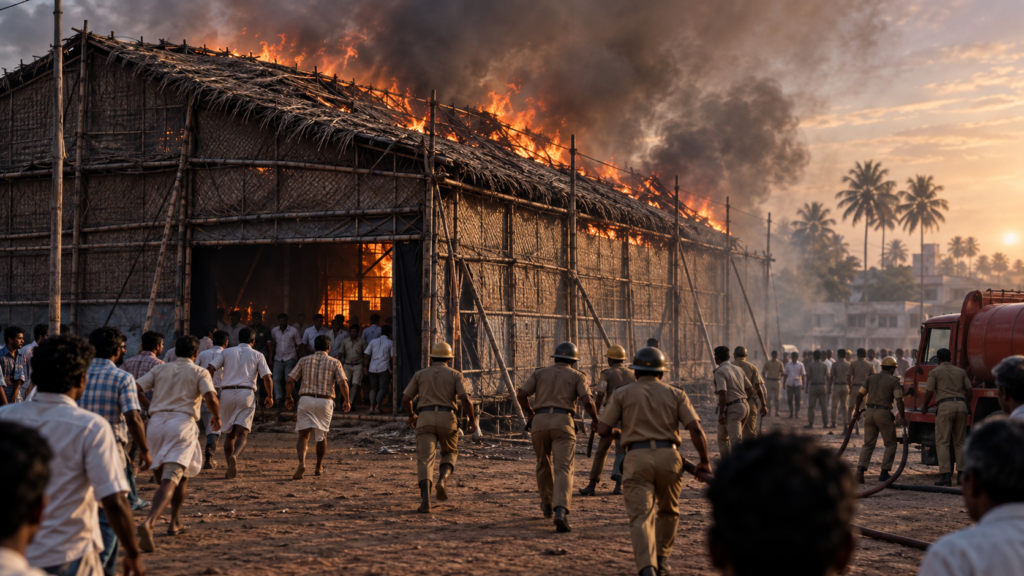
A fast-moving fire destroyed a thatch-and-timber touring cinema during a matinee. The strongest archival summary records 78 deaths—46 adults and 32 children—and 88 injured. Combustible construction and inadequate escape conditions turned an initial fire into a mass-casualty event.
A matinee inside a combustible temporary cinema
At about 4:30 pm on 29 July 1979, a fire broke out during a matinee at Lakshmi Touring Talkies in Lourdammalpuram on the outskirts of Tuticorin, now Thoothukudi. The touring cinema was built largely from thatch and timber. Fire spread through the enclosure so rapidly that many occupants could not reach safety before the roof and supporting material became involved.
What the historical record supports
A review of The Hindu’s archive records 46 adults and 32 children killed, a total of 78, with 88 injured. Other summaries report 73 fatalities, while a later local remembrance gives a higher figure. The most defensible approach is to use 78 as the archival toll, explain that 73 may represent deaths at the scene, and preserve the remaining discrepancy rather than blending incompatible counts.
Why escape failed
The temporary cinema combined a large seated audience with readily combustible construction. Archival accounts place the outbreak in or near the women’s enclosure. Once the thatched roof and wooden supports became involved, heat, smoke, falling material and crowd movement would have reduced escape time sharply. Historical reporting also says fire-extinguisher requirements had been resisted on cost grounds.
The enduring lesson
A temporary venue must not receive temporary safety. Capacity, independent outward-opening exits, unobstructed travel paths, flame-spread control, electrical inspection, trained attendants, first-aid firefighting equipment and emergency access must be established before admission begins. If any of these controls cannot be maintained, the event should not open.
What visitors should do
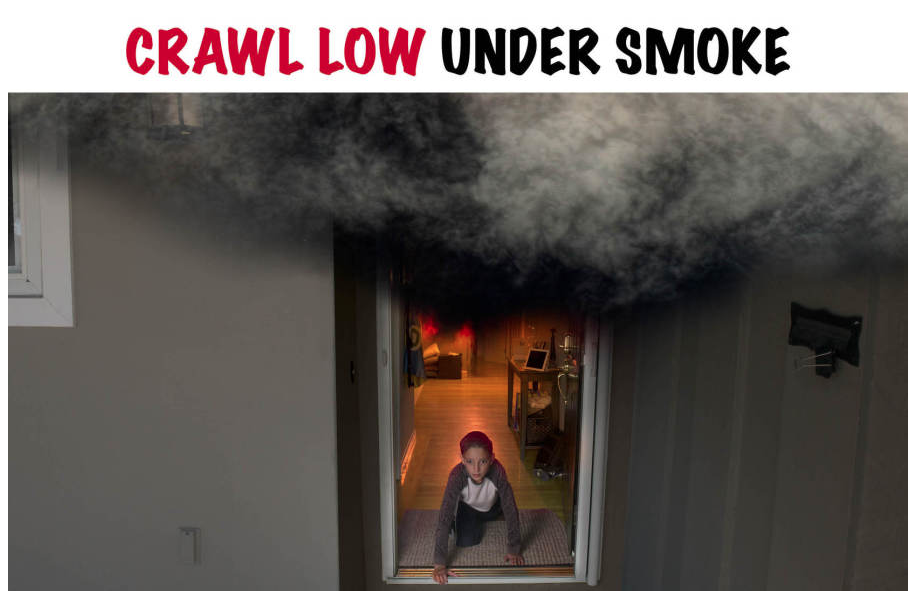
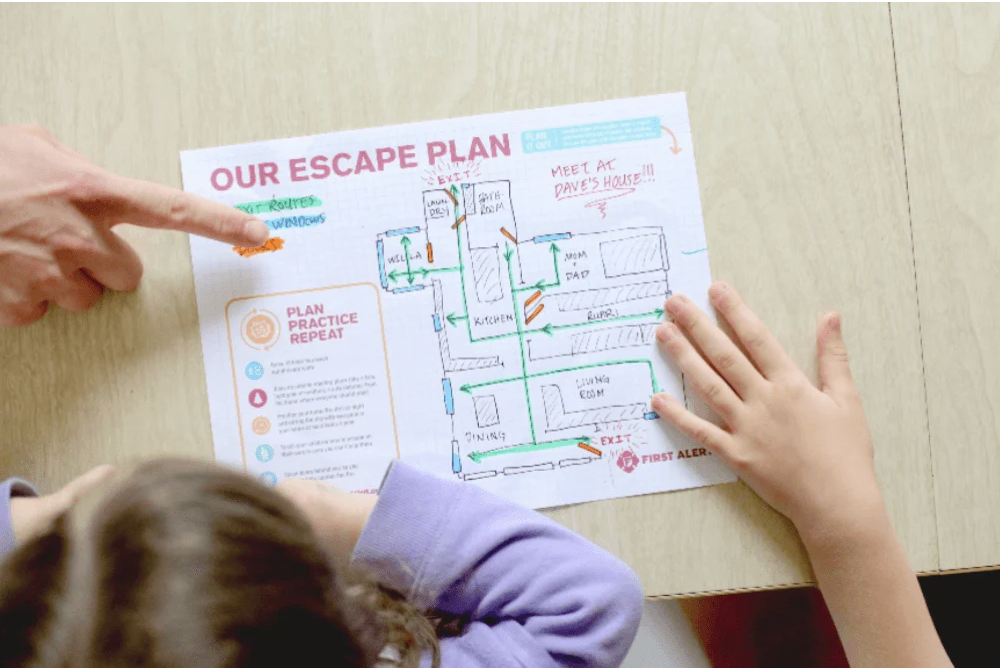
Before a show begins, identify at least two exits and keep children close. If smoke or fire appears, leave immediately by the nearest safe exit, do not wait for instructions if the danger is obvious, do not retrieve belongings and move away from the entrance so others can escape. In India, call 112 and give the venue name, locality and best access route.
- The temporary touring cinema operated in Lourdammalpuram near Tuticorin
- A film screening was under way with families and children inside
- Fire was reported in the women's enclosure area
- Flames spread through thatch, timber and the roof structure
- Occupants attempted to escape as burning and collapsing material affected the enclosure
- Injured people received treatment and the recorded death toll developed beyond the number killed at the scene
- Tamil Nadu tightened restrictions affecting thatched touring cinemas and matinee operation
Why consequences escalated
- The venue's combustible envelope allowed exceptionally rapid fire spread.
- A large family audience included many children who depended on adults and clear escape routes.
- Temporary construction did not remove the need for permanent-grade exit and fire-safety controls.
- Accounts indicate that fire-extinguisher requirements had faced resistance on cost grounds.
- The difference between immediate and final fatality figures shows why historical casualty totals must be attributed carefully.
Failures and risk multipliers
- Using highly combustible thatch and timber around a crowded assembly occupancy.
- Allowing a show to proceed without resilient early-warning and first-aid firefighting arrangements.
- Treating safety equipment as an avoidable cost.
- Failing to assure enough independent, recognizable and unobstructed exits.
- Publishing one historical fatality number without explaining whether it is an immediate or final toll.
People closest to the evidence
“The thatched construction allowed the fire to spread very quickly and several people were unable to escape”
Tamil Nadu fire-service historical account reproduced by the Tamil Nadu Electrical Inspectorate resource archive · https://tnei.blogspot.com/p/major-electrical-fire-accidents-in.html
“The Hindu archive records 46 adults and 32 children killed and 88 injured”
The Hindu archival fire-accident timeline · https://flo.uri.sh/visualisation/18113342/embed?auto=1
Actions that reduce risk
- Prohibit untreated combustible roofing and wall materials in assembly venues.
- Set and enforce a documented occupant limit for every show.
- Provide at least two independent exits sized for the approved capacity.
- Keep exits unlocked, outward opening, illuminated and continuously attended.
- Inspect temporary wiring before opening and prevent overloaded circuits.
- Place suitable extinguishers where trained staff can reach them without entering smoke.
- Run an evacuation briefing and stop admission whenever an exit becomes unavailable.
Leave a comment