
Quick answers
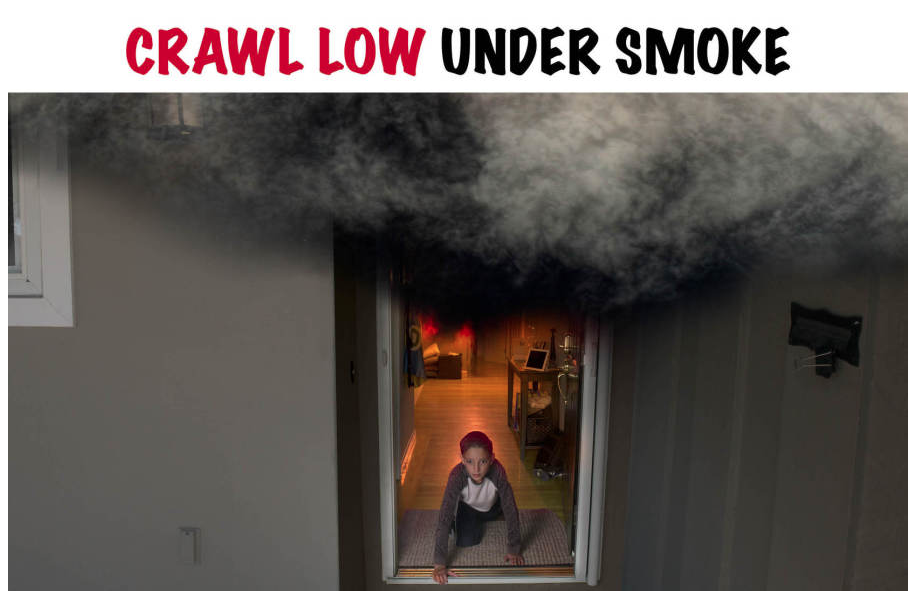
Why should you stay low in a smoke-filled room?
Smoke and hot gases generally collect higher first, so air may be clearer nearer the floor. Conditions can change quickly, so move toward a known safe exit without standing to investigate.
Should you open a door when smoke is outside?
Do not open it blindly. Check for heat and smoke around the edges. If the door or handle is hot, or smoke is entering heavily, keep it closed, seal gaps where practical, call for help and signal from a safer location.
Should you use a lift during a building fire?
Normally use a protected stairway and follow the building emergency plan. Do not use an ordinary lift unless emergency services or an approved evacuation procedure specifically directs you to do so.
What should you do after leaving the building?
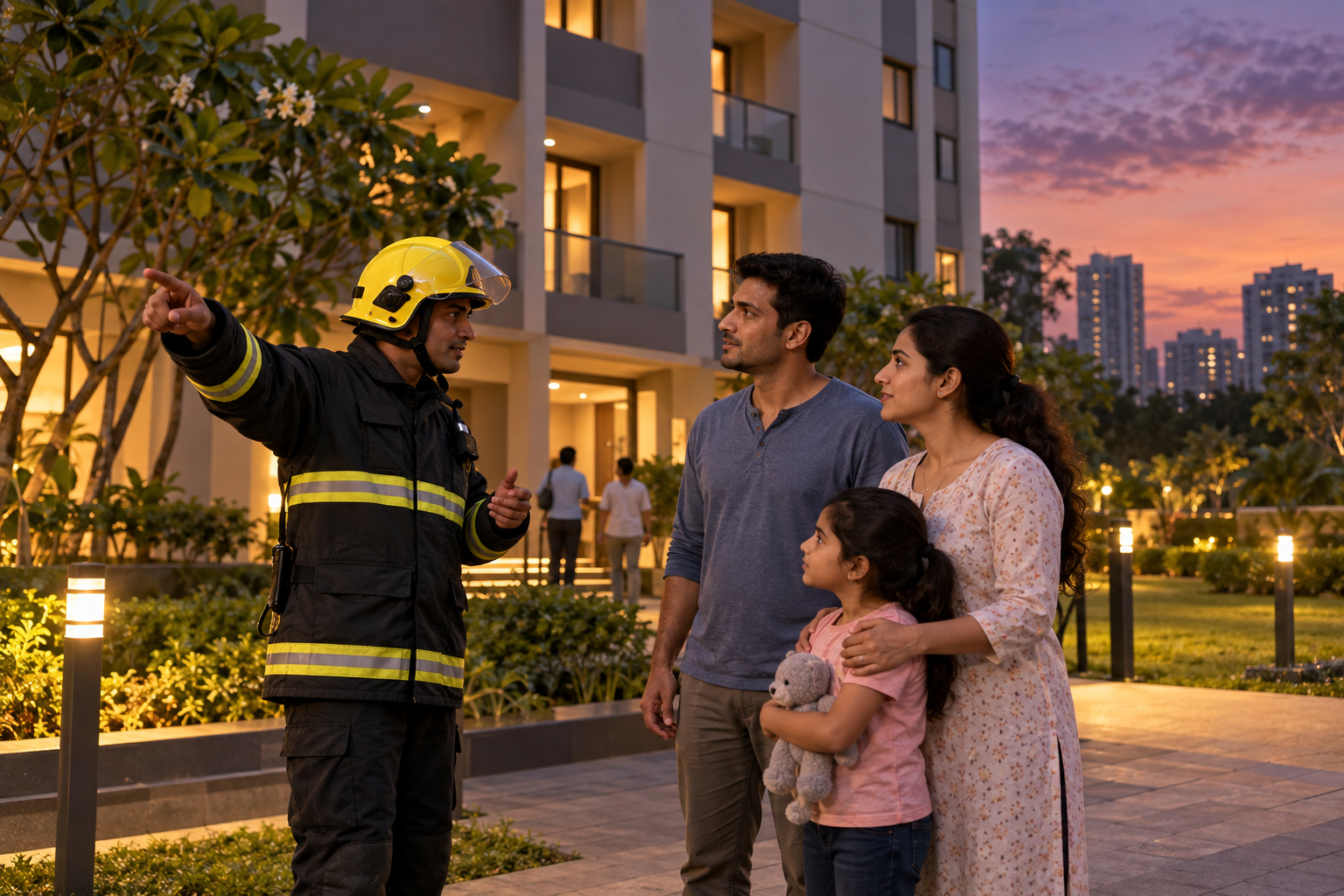
Go to the assembly point, call emergency services, report anyone missing and never re-enter for belongings. Tell responders about the fire location and any trapped person.
If a room is beginning to fill with smoke, what should you do?
Get low and move toward the nearest safe exit, covering your nose and mouth with a wet cloth if you can. Check doors with the back of your hand before opening them, use stairs instead of a lift and call 112 once you are safe.
If you are stuck in a room filled with smoke, which action should you avoid?
Avoid opening nearby doors without checking them first, because a hot door may have fire behind it and an open door can let more smoke in. Blocking gaps under the door with a wet cloth, staying low and covering your nose and mouth are the right actions.
If you are trapped and smoke is getting in, what should you breathe through?
Breathe through a wet cloth, towel or your sleeve held over your nose and mouth. Stay low, seal gaps under the door, call 112 and signal rescuers from a window with a torch, cloth or whistle.
1. Why You Must Know This
Smoke and toxic gases kill more people than flames do. A small flame can turn into a major fire in less than 30 seconds, and fire produces poisonous gases that can make you disoriented and drowsy, so you may have far less time to escape than you expect.
2. Step-by-Step Survival Guide
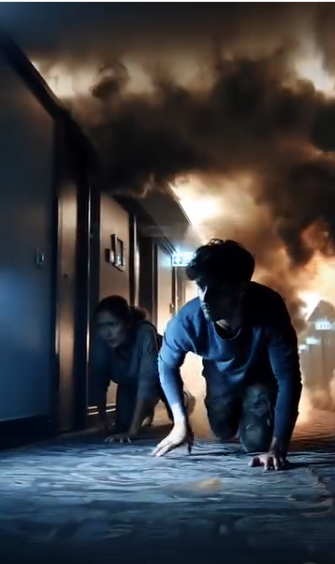
- Stay low: Heat and smoke rise, leaving cleaner air near the floor. Crawling under smoke is your best chance.
- Cover your mouth & nose: Use a wet cloth, towel, or even your sleeve to reduce smoke inhalation.
- Check doors before opening: Touch with the back of your hand. If it’s hot, flames may be behind it. Find another exit.
- Use staircases, not lifts: Lifts become death traps during fire — power can fail, trapping you inside.
- If trapped: Seal gaps under doors with wet cloth, open windows for fresh air, and signal rescuers with a flashlight, cloth, or whistle.
3. Diagram
4. Common Mistakes to Avoid
❌ Standing upright and running — heavy smoke and poisonous gases collect first near the ceiling, so stay low.
❌ Breaking windows unnecessarily — this feeds the fire with oxygen.
❌ Going back to collect belongings — every second counts.
5. Where Should This Be Practiced?
During fire drills in schools, hotels, and offices, include smoke simulation drills where people practice crawling low to safety.
6. What You Can Do Today
✔ Memorize at least 2 escape routes in your building.
✔ Keep a whistle in your room to signal if trapped.
✔ Teach children: “In fire, don’t stand up, go down.”
7. Related Case
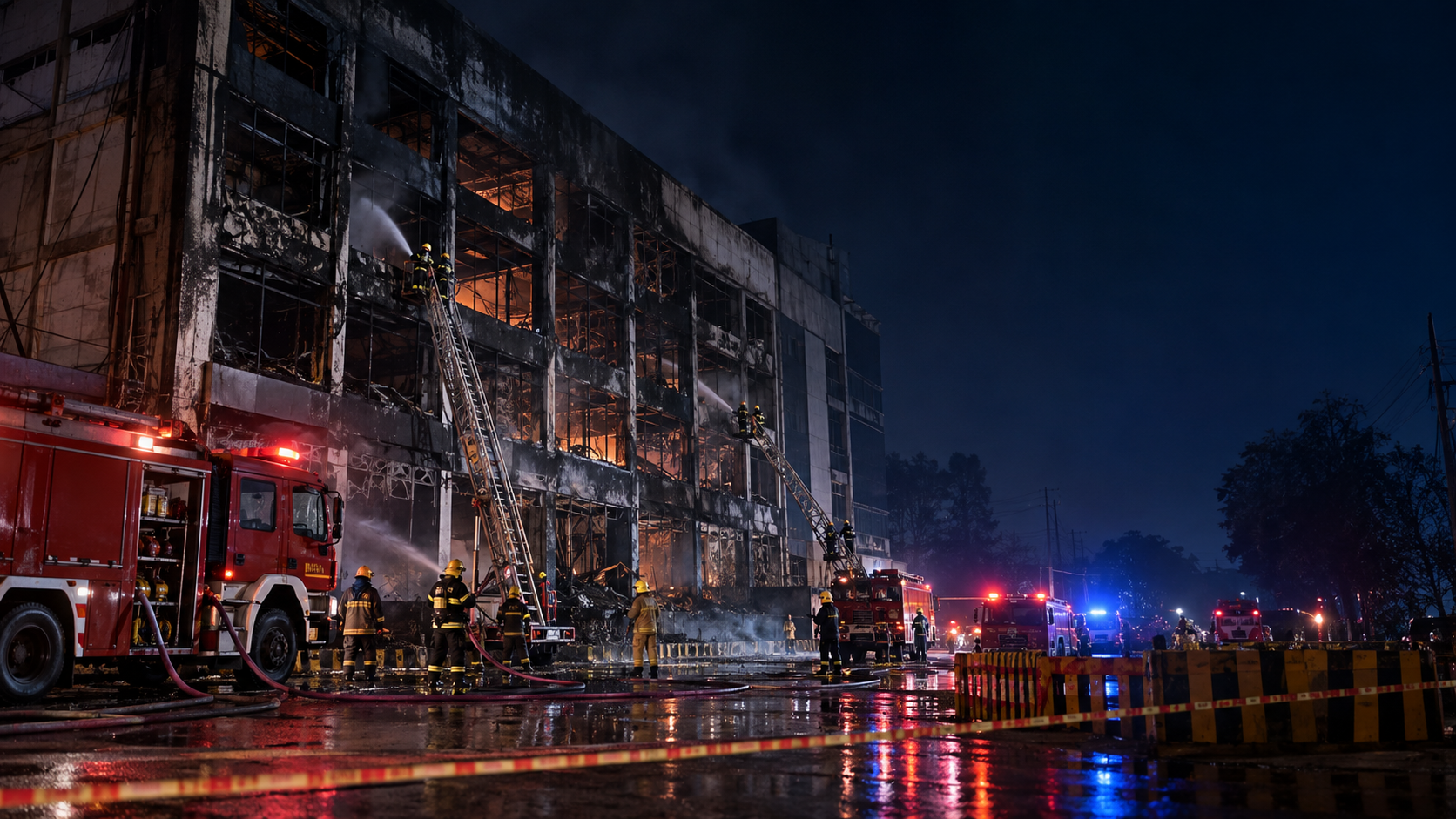
The Rajkot TRP Game Zone fire on 25 May 2024 killed 27 people, including children; the bodies recovered were so badly burned that they had to be identified by DNA. It shows how quickly a fire in an enclosed space can cut off escape — leave at the first sign of fire or smoke.
8. Final Words
“Smoke kills silently. The floor is your friend. Crawl to life.”
What needs attention
- Smoke and toxic gases kill more people in fires than flames do
- Hot smoke and gases collect at the ceiling first, so the cleaner air is near the floor
- Poisonous gases make people confused and drowsy, so there is less time than you think
- A hot door means fire may be behind it; opening it can let smoke and flames in
- Lifts can fail in a fire and trap people inside
- People who have practised crawling low in a drill move faster when it is real
Controls that reduce risk
- Learn two ways out of every building you live or work in
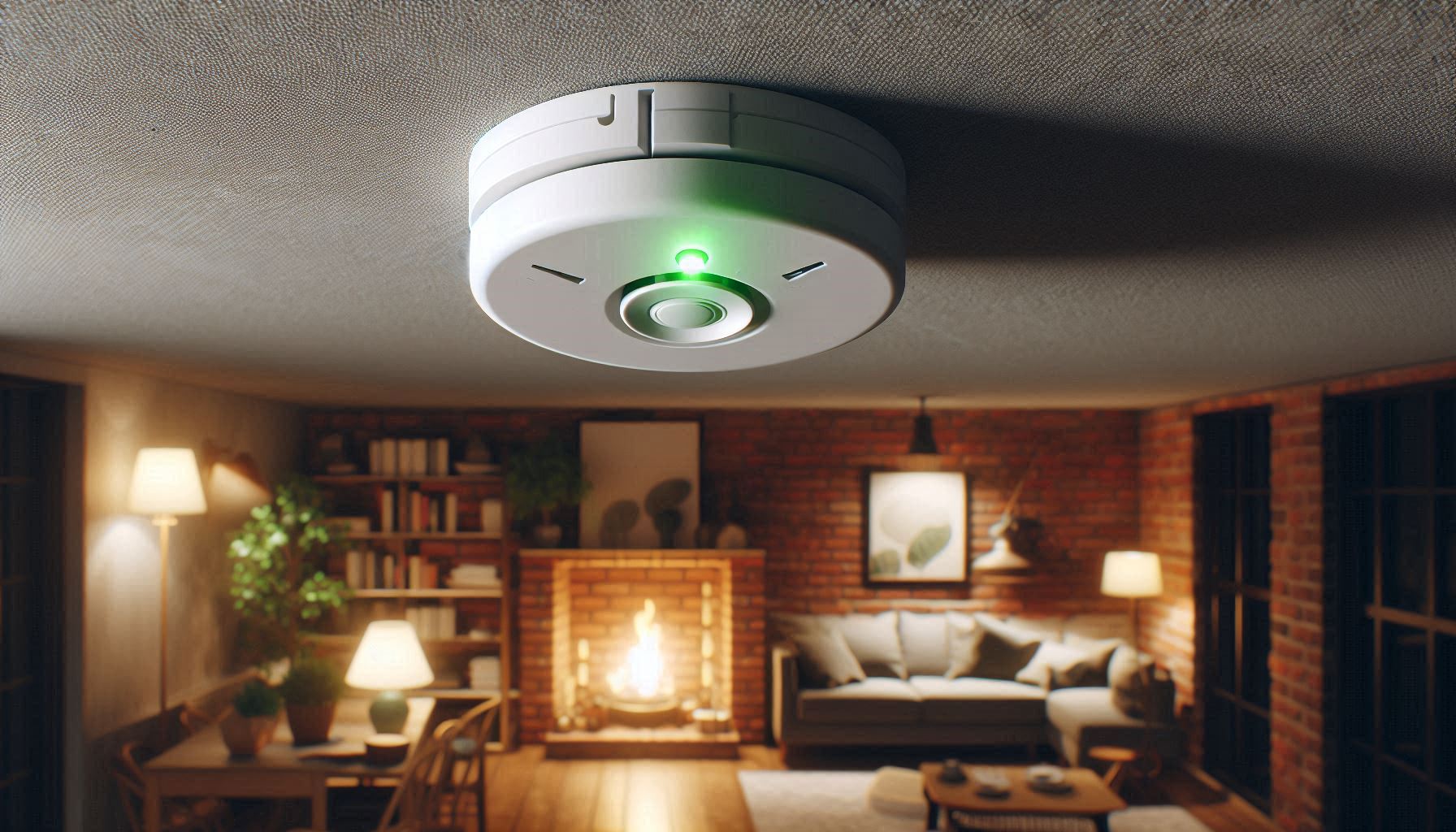
- Fit smoke alarms so you get warning before the smoke reaches you
- Keep stair doors closed but unlocked, and stairs free of junk
- Include a crawl-low smoke drill in school, hotel and office fire drills
- Keep a torch and a whistle by the bed
Common unsafe practices
- Standing up and running through smoke
- Opening a door without feeling it first
- Taking the lift
- Going back for a phone, bag or papers
- Breaking windows when you do not need to, which feeds the fire air
- Hiding under a bed or in a cupboard
Leave a comment