
What happened here
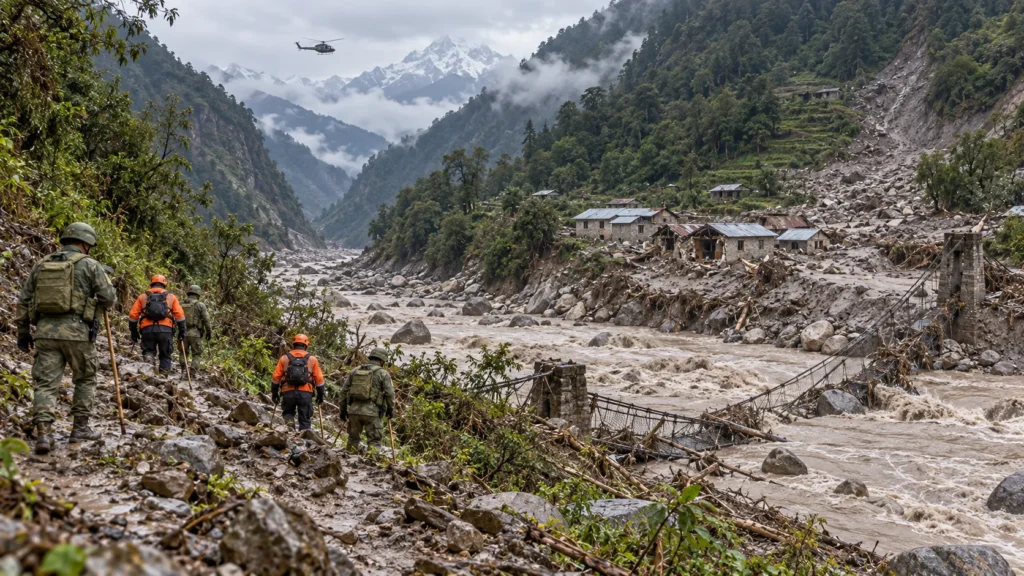
A flash flood of mud, rock and water came down the Budhi Gandaki river in northern Gorkha, Nepal, before dawn on 11 October 2026, without rain. Five people from Chumchet are missing, NDRRMA counted 204 homes damaged and AP reported five bridges hit. An official SMS alert and local warnings helped most people reach higher ground.
Quick answers
When did the Gorkha flash flood happen?
Before dawn on Sunday, 11 October 2026, Nepal time. One international weekly update gave 12 October, but Nepali officials and outlets give 11 October.
How many people died or went missing?
Five people from Chumchet, Chumnubri-6, were missing. No death had been confirmed by officials in reports reviewed through 16 October 2026.
What caused the flood?
It is not settled. Early reports and ICIMOD said a landslide dammed a tributary and then burst. A preliminary NDRRMA study reported on 13 October points to a rock, ice and snow avalanche at about 6,000 metres. It had not rained.
Is this the same as the August Nepal flood?
No. The August 2026 flood was on the Bhote Koshi in Rasuwa near the Tibet border. The Gorkha flood is a separate event on the Budhi Gandaki.
What should people in Indian hill states learn from it?
Keep homes and camps off riverbank land, act on official SMS alerts, warn villages downstream and know your nearest high ground. Call 112 in an emergency.
What happened
Before dawn on Sunday, 11 October 2026, a wall of mud, rock and water came down the Budhi Gandaki river in northern Gorkha district, Nepal. It swept through riverside settlements in Chumnubri and Dharche rural municipalities, on the lower Manaslu trekking route, and carried on downstream past Soti and Aarughat. It had not rained.
Residents told PTI they heard a loud roar from the streams from around 4 am. The National Disaster Risk Reduction and Management Authority (NDRRMA), in its response report quoted by the Kathmandu Post, put a major landslide at Shringi Himal at 5:30 am. It blocked the Ungilung (also spelt Wingilung) stream and then the river, and water started breaking through at 6:15 am. At Aarughat the river gauge crossed the 5-metre danger mark at 7:50 am and touched 8.43 metres by 8:40 am.
The first reports said a landslide dammed the river and the dam burst. ICIMOD’s preliminary assessment on 12 October said the same. On 13 October the Annapurna Express reported a preliminary NDRRMA study that goes further back up the valley: a rock, ice and snow avalanche at about 6,000 metres, around 4:20 am, in the upper reaches of the Ungdilung Khola. The debris piled up where that stream meets the Syar Khola and kept blocking and releasing it. NDRRMA called these findings preliminary. No official report we read said a glacial lake burst.
The Center for Disaster Philanthropy’s weekly update dated the flood to Sunday, 12 October. Nepali officials and every Nepali outlet we checked give Sunday, 11 October, and that is the date used here.
The people
Five people were still missing when this page was checked on 16 October 2026. NDRRMA described them as two women and three men who were staying in sheep sheds at Ungilung, Chumchet, in Chumnubri-6, close to where the slide started. Onlinekhabar named them as Sonam Lama, 65; his wife Lakpa Thorma Lama, 59; Som Bhuti Lama, 66; Karma Lama, 68; and Ten Dorje Lama, 41. Republica gave slightly different spellings and ages. DSP Rajkumar Shrestha told Onlinekhabar that four sheep sheds and about 150 animals were swept away. The Kathmandu Post’s earliest report said four people were missing.
No death had been confirmed by officials in any report we found through 16 October 2026. That does not mean everyone is safe. The five missing people have not been found, as far as published reports show.
Damage
The house count grew as reports came in. On 11 October the Kathmandu Post estimated 35 to 40 houses swept away in Jagat Bagar, Salleri and Ghattikhola. Onlinekhabar, citing NDRRMA, reported at least 45 houses destroyed and 27 partly damaged. By 13 October the Kathmandu Post, citing NDRRMA figures, said 204 homes had been damaged: 43 in Chumnubri, 39 in Dharche, 64 in Aarughat and 58 in Tripurasundari Rural Municipality across the river in Dhading district.
AP reported five bridges damaged or destroyed. The Kathmandu Post listed suspension bridges at Nyakchet–Sirdibas and Machhakhola–Kerauja, the motorable bridge at Soti and the bridge at Aarughat that links Gorkha with Dhading. The camp and some equipment of the 341-megawatt Budhi Gandaki hydropower project at Salleri were washed away, and other hydropower sites on the river were damaged. Roads and parts of the Manaslu trail were cut. Reuters quoted a Manaslu Conservation Area Project official as saying more than 100 foreign trekkers were stranded.
Response
NDRRMA said about 2 lakh warning SMS messages went out when the river began to rise at Aarughat, and alerts were issued for riverside areas downstream in Gorkha, Tanahun, Chitwan and Nawalparasi. The government told AP that the early warning helped most people reach higher ground. The Kathmandu Post also found that local people were ahead of the official system: one resident got a phone call at 4:45 am telling him to run, and a driver in Jagat posted a warning on Facebook at 4:59 am.
Four Nepali Army helicopters were used. By 11 am on 11 October, 95 people, including nine foreigners, had been rescued, according to the NDRRMA report. Reuters later gave 96 and Onlinekhabar 82, so the figure depends on the time of the count. NDRRMA said 437 army, police and Armed Police Force personnel were deployed. Gorkha’s chief district officer Dharmendra Kumar Mishra told AP that more than 200 people were evacuated on Monday, 12 October.
On 13 October the Kathmandu Post reported that families who lost homes were sleeping with relatives, on neighbours’ verandas, in sheds and in churches, and that ward chairs said relief had not reached them yet. With roads gone, local leaders said helicopters were the only way to bring supplies in.
A separate event from the August flood
This is not the August 2026 Bhote Koshi flood in Rasuwa near the Tibet border, which we covered earlier. That disaster killed more than 1,400 people. The Gorkha flood is a new event, in a different river valley, two months later. Local officials told reporters it looked and felt like the August flood, and both started high in the mountains without rain.
Why this matters for India
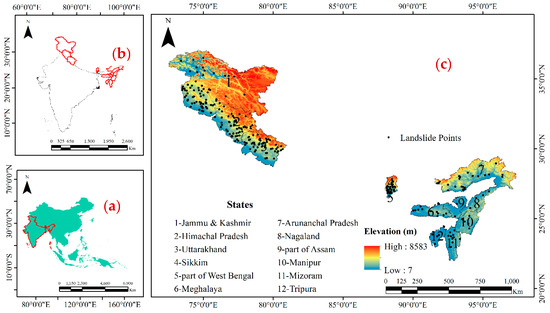
The Budhi Gandaki is a Himalayan river much like the rivers of Uttarakhand, Himachal Pradesh and Sikkim. A slide or avalanche far above the villages, in clear weather, can send a flood down the valley within an hour or two. People living on the riverbank, hydropower workers, herders and trekkers are the most exposed.
In India, 361 people died in floods and 351 in landslides in 2024, according to the NCRB’s Accidental Deaths and Suicides in India report. In Himachal Pradesh, floods caused 45 of the state’s 115 deaths from forces of nature that year. In Sikkim, landslides caused 10 of 12.
Lessons for hill states
- Treat a roar from the river as a warning. A sudden loud rumble, a river that suddenly drops or turns muddy, or a smell of wet earth can mean a slide upstream. Move uphill first and ask questions later.
- Do not build or sleep right on the riverbank. Homes, dhabas, labour camps and sheds on the flat land next to a mountain river are the first to go.
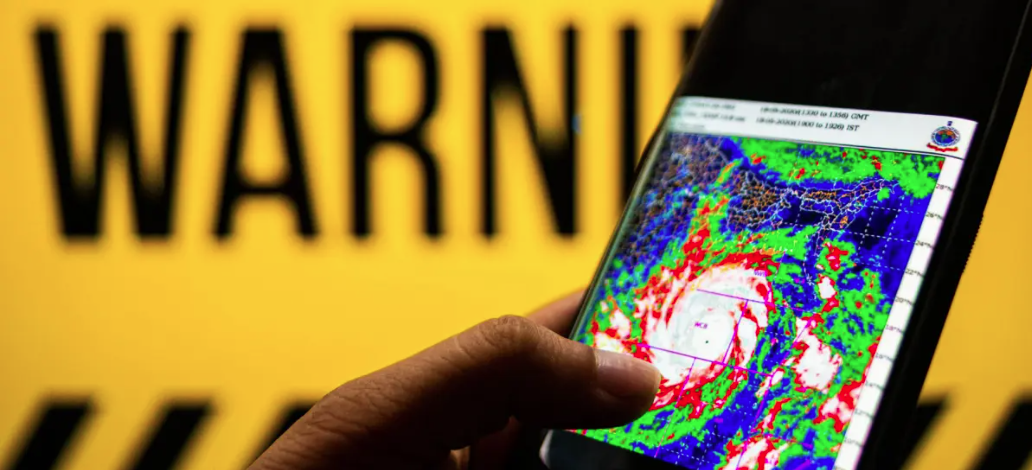
- Act on official SMS alerts. Nepal sent about 2 lakh warning messages, and officials say the alert helped most people reach higher ground. Keep your phone charged and keep alerts switched on.
- Pass the word downstream. In Gorkha a phone call and a Facebook post came before the official alert. If you see a river blocked or a slide, call 112 and warn the villages below you.
- Know your high ground. Every family, hotel and project camp in a river valley should know the nearest safe point above the flood line and the path to it, in the dark.
- Trekkers and pilgrims, register your route. Tell someone where you are going, carry a charged phone and a torch, and turn back when locals or officials say so.
What is still not known
The exact trigger is not settled. The early landslide-dam account and NDRRMA’s preliminary avalanche study are both preliminary, and the timing differs between NDRRMA’s own documents (4:20 am and 5:30 am). The final count of damaged homes, the fate of the five missing people and the full loss to hydropower projects had not been published by 16 October 2026. We will update this page when official findings come out.
- Residents hear a loud roar from the streams (PTI)
- Time given by NDRRMA preliminary study for an avalanche at about 6,000 m above the Ungdilung Khola
- Local phone call and Facebook post warn people downstream to run (Kathmandu Post)
- Time given in NDRRMA response report for a major landslide at Shringi Himal blocking the stream and river
- Water begins breaking through the blockage (NDRRMA report)
- Aarughat gauge rises to 3.66 m; warning SMS go out, about 2 lakh in all (NDRRMA report)
- Aarughat gauge crosses 5 m danger level; 8.43 m by 8:40 am
- 95 people rescued, including nine foreigners, by four Army helicopters
- More than 200 people evacuated (CDO via AP); over 100 foreign trekkers stranded (Reuters); ICIMOD says a landslide blockage breach is likely
- NDRRMA figures show 204 homes damaged; preliminary study points to an avalanche; displaced families still without relief (Kathmandu Post)
- No report found of the five missing people being located
Why consequences escalated
- The flood came without rain, from a slide or avalanche high in the mountains.
- Five people staying in sheep sheds near the slide area are missing.
- Homes, bridges, roads, the Manaslu trail and hydropower sites were damaged along the valley.
- An official SMS alert went out as the river rose, and officials say most people reached higher ground.
- Local people raised the alarm by phone and Facebook before the official system did.
Failures and risk multipliers
- Homes, sheds and project camps built on low riverbank land in a narrow mountain valley.
- People sleeping close to a river with no way of hearing a warning at night.
- Single bridges and roads that leave whole villages cut off when they go.
- A gap between what local people saw first and when official alerts went out.
Actions that reduce risk
- Map the safe high ground for every riverside village, hotel and labour camp, and mark the path.
- Keep official mobile alerts switched on and test them before the monsoon and trekking seasons.
- Set up a simple phone tree so upstream villages can warn those downstream within minutes.
- Keep new homes and camps off the flat land beside mountain rivers.
- Register trekking and pilgrimage routes so rescuers know who may be stranded.

Leave a comment