
Quick answers
What happened in Pandesara, Surat in October 2026?
Police say the Surat SOG and the district health department raided 16 clinics together and arrested 16 people accused of treating patients without a recognised medical qualification. Medicines, injections, syrups and equipment worth Rs 1,82,444 were seized. These are allegations.
Was anyone harmed in the Pandesara raid?
The reports we read describe unhygienic conditions and a risk to patients but name no injured patient. IANS says police cited concern that some people reportedly died after such treatment, with no confirmed figure. A separate September raid is linked in reports to the death of a 14-year-old boy, which police say is under investigation.
How can I check whether a doctor is registered?
Ask for the name and registration number, then search the National Medical Commission’s Indian Medical Register by name, registration number or state council, and check the state medical council. Match the name, number, state and qualification.
Is the National Medical Register searchable by the public?
Not yet, according to ThePrint on 2 October 2026. Registrations began in August 2024; the pan-India portal was expected to go live by 15 October. Use the Indian Medical Register and your state council for now.
Who can legally practise modern medicine?
Under section 34 of the NMC Act 2019, only a person enrolled on the State Register or the National Register may practise medicine as a qualified medical practitioner. The penalty is up to one year in prison, a fine up to Rs 5 lakh, or both.
Can AYUSH doctors prescribe allopathic medicine?
A registered AYUSH practitioner may practise their own system. On allopathy the Supreme Court held in 1998 that it needs enrolment on a State Medical Register unless a state law recognises the qualification. The position is contested and we could not verify Gujarat’s, so ask the practitioner and the council.
What are the signs of an unqualified clinic?
No registration number on the board, prescription or bill; no written record or receipt; an injection or drip for every complaint; loose, unlabelled medicines; dirty equipment; and reluctance to refer you to a hospital. One sign alone does not prove it.
What should I do if treatment at a clinic goes wrong?
Get to a qualified hospital first, keep prescriptions, bills, strips, vials and photos, ask for hospital records, complain to the state medical council, and go to the police if the harm is serious.
Which numbers should I call?
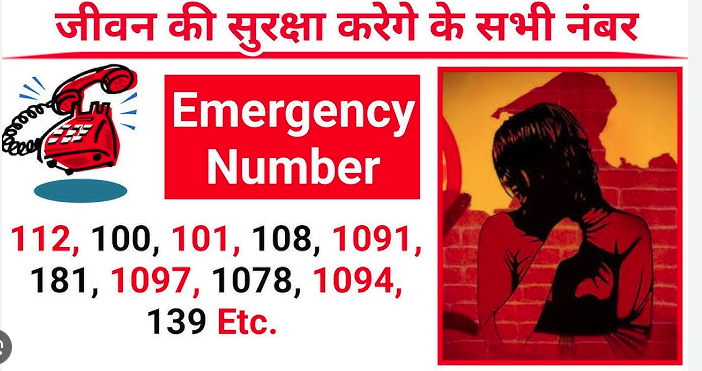
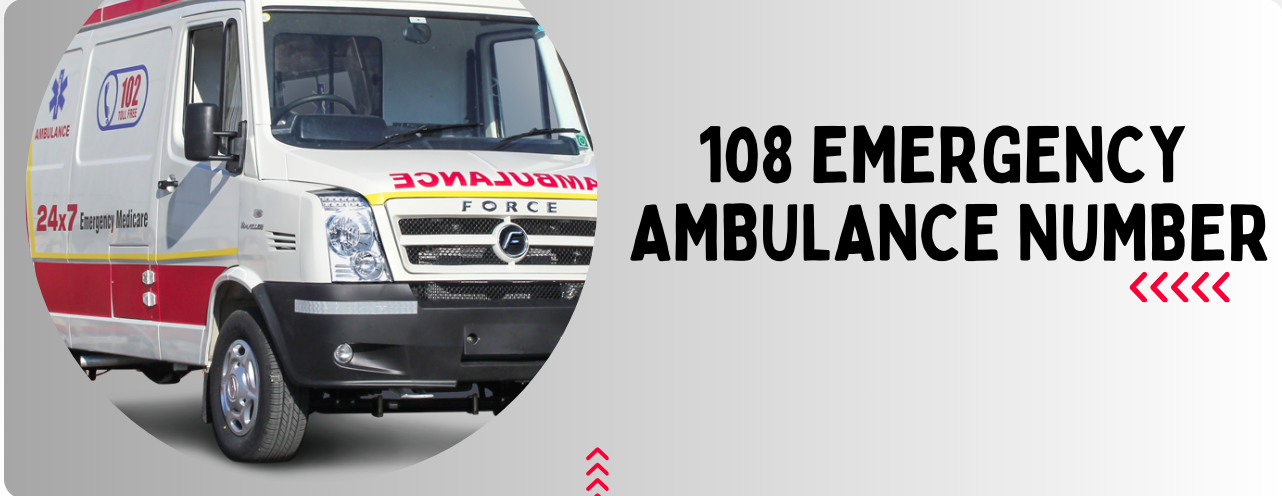
112 for any emergency, and 108 for an ambulance in many states. The ambulance number and service can differ by state, so 112 is the safer first call.
In Pandesara, the industrial belt of Surat, a joint team of the city police’s Special Operations Group (SOG) and the district health department raided 16 small clinics at the same time in the middle of October 2026. Sixteen people were arrested for treating patients, mostly migrant workers, without a recognised medical qualification, according to police statements carried by several outlets. For many families in such neighbourhoods the corner clinic is the only doctor they can afford, so this page is not about blaming patients. It sets out what the reports say, what the law and the official registers say, and how anyone can check a doctor in a few minutes. Last checked: 21 October 2026. All the arrests described here are allegations; no court has decided any of these cases.
In short
- Surat, Pandesara, 13 October 2026: 16 people arrested from 16 clinics; medicines, injections, syrups and equipment worth Rs 1,82,444 seized (one outlet says Rs 1.88 lakh). No specific patient injury or death was reported in this raid.
- It was not the first: the same police branch arrested 8 people in Pandesara on 16 September 2026, and 16 in Pandesara and Dindoli in July 2024.
- Elsewhere, harm was alleged: a four-year-old child died after a procedure in East Burdwan, West Bengal (October 2026 arrest), and seven deaths were alleged at a hospital in Damoh, Madhya Pradesh (2025).
- The check: a doctor of modern medicine must be on a State Medical Register or the National Register. The National Medical Commission (NMC) publishes an Indian Medical Register you can search by name or registration number.
- After harm: get to a qualified hospital first, keep every record and vial, then complain to the state medical council and, if serious, the police.
What the Surat reports say
The 13 October raid. IANS reported on Tuesday 13 October that Surat police had arrested 16 alleged fake doctors in Pandesara, aged 23 to 58. ETV Bharat and Medical Dialogues, writing on Wednesday 14 October, say the raids took place early on Wednesday, so the exact day differs between reports. The SOG had a tip-off that unqualified people were running clinics, mainly from 8 to 11 in the morning, and sent decoy patients to check before the simultaneous raids. Inspector A S Sonara led the SOG team, DCP Rajdeepsinh Nakum supervised it and Chief District Health Officer Dr Anil Patel coordinated the health teams (ETV Bharat, IANS, DeshGujarat). Police Commissioner Wabang Jamir is named by IANS as having ordered the drive.
What was seized. ETV Bharat, IANS and DeshGujarat give the value as Rs 1,82,444 (Sandesh says about Rs 1.82 lakh). Gujarat First says about Rs 1.88 lakh, so that figure differs. The seizure included allopathic medicines, injections, cough syrups and medical instruments. Gujarat First adds drip bottles, syringes, stethoscopes and blood pressure instruments, and says suspicious medicines were sampled for testing.
The charges. A case was registered at Pandesara police station against all 16 (ETV Bharat, IANS). Gujarat First alone says the cases are under the Gujarat Medical Practitioners Act and sections of the Bharatiya Nyaya Sanhita (BNS); no other report names a law or section, and Gujarat First does not give section numbers. Three outlets (ETV Bharat, IANS, DeshGujarat) say the district health department will start separate proceedings under the Clinical Establishments Act. We found no later report on whether those proceedings have begun, whether any clinic was sealed, or what the court did.
Who they were. Education ranged from Class 10 and 12 to bachelor’s degrees in arts or science, none in medicine, according to the reports. Several had earlier worked as compounders or helpers in hospitals in Bihar, Uttar Pradesh or West Bengal. Three had been arrested before for the same thing. Police said one man had run a clinic for 33 years. We have not named any of the accused, because no court has found anyone guilty.
Was anyone harmed? ETV Bharat describes patients lying on ordinary wooden cots with glucose drips, and medical waste and plastic bags lying around, and calls the conditions a serious risk. IANS says police raised concerns that lives were at risk and that some people reportedly died after treatment by such practitioners, but gives no confirmed death or number. Gujarat First says the accused allegedly gave antibiotics and steroid injections freely for small fees. We found no report of a specific injured patient in this raid. Read these as police and press concerns, not findings.
The raid a month earlier. IANS (via Morung Express) and DeshGujarat reported that on Wednesday 16 September 2026 the SOG and health teams raided eight Pandesara clinics and arrested eight people, with medicines, injections and syrups worth Rs 98,825 seized. IANS adds that one of the accused had run a dispensary where, about a month earlier, a 14-year-old boy was treated and later died. The family made allegations, an accidental-death case was registered and, police said, the matter is under investigation. We do not name the boy or the accused. The reports do not say what caused his death.
A pattern in the same area. In July 2024 the Surat SOG arrested 16 people from Pandesara and Dindoli for practising without valid degrees (DeshGujarat, ETV Bharat; ETV’s own breakdown adds up to 17). In December 2024 Surat police announced a racket that sold fake Bachelor of Electro-Homeopathy Medicine and Surgery degrees for Rs 70,000; ETV Bharat reports 13 arrests, including 10 alleged fake doctors. Neither report we read describes patient harm.
Other cases where harm was reported
East Burdwan, West Bengal. A four-year-old child died soon after a surgical procedure at a private health facility in the Nawabhat area; the family alleged it was botched (Medical Dialogues). Police say the man accused of posing as a doctor had gone to Dubai and was arrested at Delhi airport on the night of Tuesday 6 October 2026 on a lookout notice issued after the family’s complaint. A Burdwan court ordered seven days of police remand on 7 October (UNI). The reports differ on what the place is called (hospital or nursing home) and on the accused’s name, so we leave the name out, and neither tells us what his qualification check found. Treat the “fake doctor” label as an allegation.
Damoh, Madhya Pradesh. In April 2025 police registered an FIR on the complaint of the Chief Medical and Health Officer against a man working as a cardiologist at Mission Hospital, alleging he performed angiography and angioplasty without registration with the Madhya Pradesh Medical Council. PTI, in Tribune, reported that his papers cited a registration from the Andhra Pradesh Medical Council but his name did not appear on that council’s website, and that seven deaths were alleged. The FIR cited BNS sections on forgery and related offences. In July 2025 the National Human Rights Commission (NHRC) recommended Rs 10 lakh for each of the seven families, separate FIRs including culpable homicide and medical negligence, and cancelling the hospital’s licence until the matter is resolved (SCC Online). We have not seen a court verdict.
How to check a doctor in five minutes
- Ask for the name, qualification and registration number. The Medical Council of India’s 2002 ethics regulations, as hosted by the Gujarat Medical Council, say a physician shall display the registration number given by the State Medical Council in the clinic and on prescriptions, certificates and money receipts. A genuine doctor will not mind being asked. If there is no number on the board, the prescription or the bill, that is a reason to ask more.
- Search the Indian Medical Register. The NMC’s page at nmc.org.in/information-desk/indian-medical-register lists registered doctors of the State Medical Councils and lets you search by name, year of registration, registration number or state council. The page itself says the data is being updated, so one failed search is not proof. Try the spelling variants, then the state council.
- Check the state council. Doctors are enrolled with a State Medical Council. The Gujarat Medical Council (gmcgujarat.org) has a doctor search box on its pages and an online portal, gmconline.co.in; we could not confirm how complete the search is, so use it together with the NMC register. In another state, use that state council’s own site, which the NMC lists on its State Medical Councils page.
- Match the details. The name, registration number, state and qualification you see on the register must match what the doctor tells you. A register entry for someone with the same name but a different qualification or state is not a match.
- Do not rely on the National Medical Register yet. The NMC’s National Medical Register (NMR) has been taking registrations since August 2024, but ThePrint reported on 2 October 2026 that public search is not available yet and that the pan-India portal was expected to go live by 15 October. Use the Indian Medical Register and the state council for now, and check again later.
What the law says, in plain words
- Modern (allopathic) medicine. Section 34 of the National Medical Commission Act, 2019 says no person other than one enrolled in the State Register or the National Register may practise medicine as a qualified medical practitioner, and anyone who contravenes this may be punished with imprisonment up to one year, a fine up to Rs 5 lakh, or both. We read this from the Act as published in the Gazette, via PRS.
- The clinic itself. Gujarat has its own Clinical Establishments (Registration and Regulation) Act, 2021. In the text we read, carrying on a clinical establishment without registration attracts a monetary penalty, up to Rs 25,000 for a first contravention. The Act has been amended since, so ask the health department for the current position.
- AYUSH doctors. A practitioner of Ayurveda, Unani, Siddha or homoeopathy who is registered under the proper law may practise that system, and is not a “bogus doctor”. The contested part is allopathic medicine. In Dr Mukhtiar Chand v State of Punjab (8 October 1998) the Supreme Court held that a person on a register of Indian medicine has no right to practise modern medicine unless also enrolled on a State Medical Register, except where a state law recognises their qualification for that register. News reports of a 2025 Telangana High Court order say it quashed FIRs against some AYUSH doctors on procedural grounds while reaffirming that they may not prescribe allopathic medicine. We could not verify Gujarat’s own position, so this is not legal advice. A practical test: is the doctor treating you by the system their own registration covers?
- Look-alike degrees. The December 2024 Surat reports described degrees issued by a body called the “Board of Electro Homeopathic Medicine, Ahmedabad” that police called fake. A degree certificate on the wall is not a registration. Only the register tells you.
- “RMP”. A registered medical practitioner is someone whose name is on the State or National Register. A board that says “RMP” proves nothing by itself.
Signs of an unqualified clinic
These are our practical signs, not legal tests, and one sign alone does not make a clinic bogus. Together they should make you careful.
- No registration number on the board, prescription or bill, or a number you cannot find on the register.
- No written prescription or case record, and no bill or receipt.
- An injection or a drip for every complaint, steroids or painkiller injections given as a first answer, or pressure to stay on a drip.
- Medicines handed over loose, without a strip or label, or with the names scratched off.
- Dirty equipment, reused syringes, medical waste lying around, or no running water.
- A promise of a cure for something serious, or an unwillingness to refer you to a hospital when you are getting worse.
If you are already a patient at such a clinic, you do not have to stop treatment overnight. Ask for the doctor’s registration number, take the prescription to a qualified doctor at a government health centre or civil hospital for a second opinion, and do not skip medicines that were already prescribed for a long illness without asking one.
If something has gone wrong
- Get qualified emergency care first. Call 112, or 108 where an ambulance service runs under that number, or go straight to the nearest hospital. Tell the doctor exactly what was injected or taken, and when.
- Keep everything. Prescriptions, bills, strips, empty vials and ampoules, syringes and photos of the clinic board and the room. Do not throw anything away or clean it.
- Ask the hospital for its records and, in a death, for the post-mortem report if one is done.
- Complain to the state medical council. The Gujarat Medical Council’s contact page says its Section 1 handles complaints against medical practitioners and lists mail@gmcgujarat.org and a phone number. That channel is for registered practitioners. If you think the person is not registered at all, the news reports say the health department asked residents to report suspected bogus clinics to the police or the health department.
- Go to the police if the harm is serious. Give the clinic address, the dates, and what you kept. The Damoh and Burdwan cases both began with a family or official complaint.
- Consumer court. We did not verify the rules for consumer complaints against unqualified practitioners, so we do not give advice on it here. A legal aid office can tell you.
We found no official helpline in Gujarat specifically for reporting bogus doctors, so we do not give one. For the national emergency number and how a 112 call works, see our guides to emergency numbers in India and calling 112, 101 or 108. Our 108 ambulance guide explains where that service falls short, and the Surat city safety guide lists local emergency contacts.
For families who depend on a local clinic
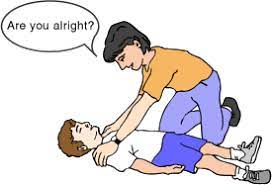
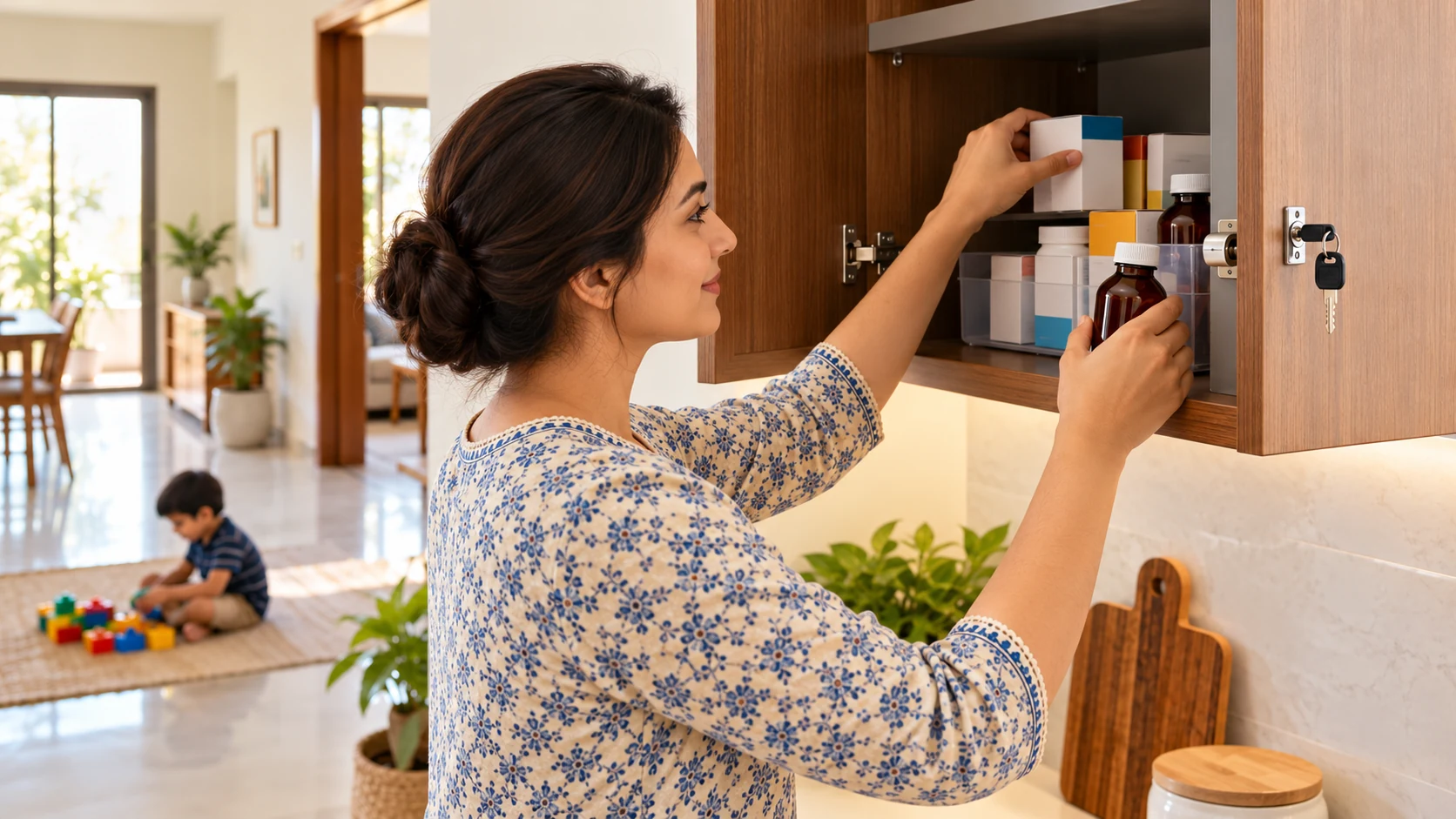
Cheap, nearby care matters, and most of the people who go there are not careless. Some small clinics are run by legally qualified AYUSH or MBBS doctors, and the register will say so. A few habits help without costing anything: ask for the registration number once, keep every prescription in one folder, be wary of any “drip for weakness”, and go to a hospital for chest pain, breathing trouble, high fever that does not fall, a child who is limp, or a deep wound. Our basic first aid guide covers what to do while help is on the way, and medicines at home has storage and poisoning advice.
What is still not known
- The exact day of the Pandesara raid (Tuesday 13 or early Wednesday 14 October), and the seized value (Rs 1,82,444 in most reports, about Rs 1.88 lakh in one).
- Which laws and sections the 16 accused are charged under; only one outlet names the Acts, and none gives section numbers.
- Whether the Clinical Establishments Act proceedings have started, and any court order.
- The cause of death of the 14-year-old boy linked to a September raid, which police say is under investigation.
- What the Burdwan accused’s qualification check found, and the final outcome of the Damoh and Burdwan cases.
- Whether the National Medical Register’s public search has gone live after the 15 October target.
We will update this page if the picture changes. Last checked: 21 October 2026.
What needs attention
- In Surat, the SOG used decoy patients to confirm the tip-off before raiding 16 clinics together; the district health department joined the same operation.
- Reports describe patients on glucose drips on ordinary cots, with medical waste lying around; the harm described is a risk, not a named injury.
- The same police branch has made similar arrests in Pandesara in July 2024, September 2026 and October 2026, and three of the October accused had been arrested before.
- Modern medicine may be practised as a qualified medical practitioner only by a person enrolled on the State or National Register (NMC Act 2019, section 34).
- In the Damoh and Burdwan cases the case began with an official complaint or a family complaint, after a death was alleged.
- Registration can be checked in minutes on the NMC’s Indian Medical Register and the state council, but the registers are still being updated, so a failed search should be followed by the state council.
Controls that reduce risk
- Patient: ask for the doctor’s name, qualification and registration number, and search it on the NMC Indian Medical Register and the state council.
- Patient: keep every prescription, bill and strip in one folder and take them to any new doctor.
- Family: if a drip or injection leaves someone worse, go to a qualified hospital at once and keep the vials and syringes.
- Family after harm: ask the hospital for records, then complain to the state medical council and, if serious, the police.
- Neighbourhood or factory welfare group: share the register check with workers and keep the address of a government health centre.
- Clinic owner: display your registration number on the board, prescription and bill, and register the clinic where the state law requires.
Common unsafe practices
- Judging a doctor by the board, a certificate on the wall or the word RMP instead of the register.
- Never asking for a registration number, or accepting a prescription and bill without one.
- Accepting an injection or drip for every complaint, or staying on a drip under pressure.
- Throwing away the strips, vials and prescription after a bad reaction.
- Delaying a hospital visit for chest pain, breathing trouble, a limp child or a high fever that does not fall.
- Treating every small clinic as bogus: many are run by legally qualified MBBS or AYUSH doctors.
Leave a comment